Wildlife Observation Tips for Beginners and Enthusiasts
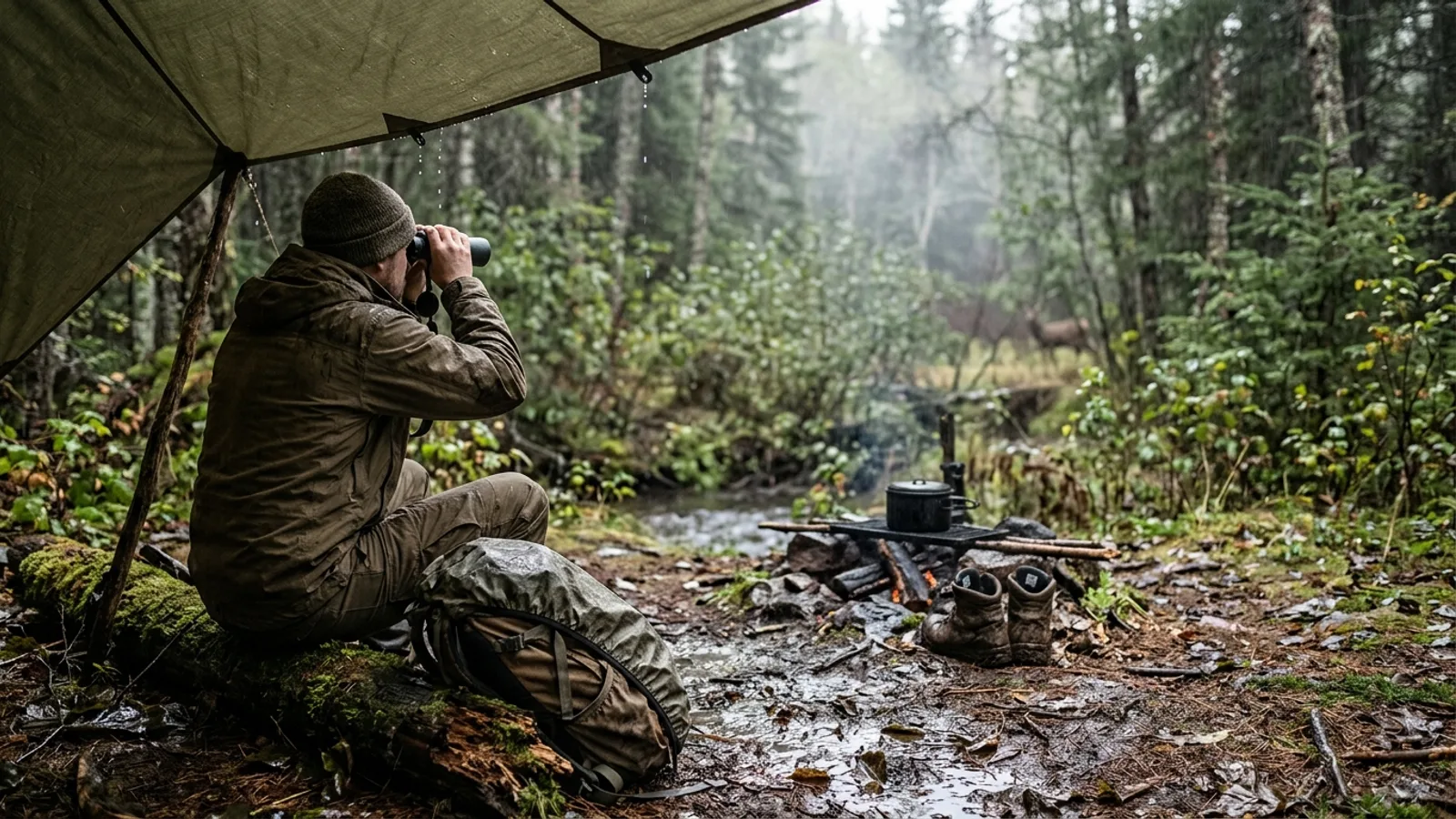
Good wildlife observation is less about equipment and more about attention. Learning to watch carefully, move quietly, and wait without rushing will teach you more about animals than any gear upgrade.
Start Close to Home
You don't need a remote wilderness to begin. A backyard, community garden, or nearby park edge is full of activity if you slow down enough to see it. Insects, birds, and small mammals offer a low-pressure way to practice observation skills: watching how a bee moves between flowers, how a spider repairs its web, or how birds take turns at a feeder.
Practicing in a familiar space lets you learn to predict movement and behavior without the pressure of a rare sighting. Those same skills carry over directly when you visit a park or refuge for the first time.
Learn to Read Behavior
Every species has patterns: preferred feeding times, escape routes, warning postures, and social behaviors. Spending time simply watching one species, rather than searching for many, builds the kind of pattern recognition that lets you anticipate what an animal is about to do.
Watch for small cues: a bird's alert posture before flight, ears turning toward a suspected threat, or a shift in group behavior. These moments almost always precede the more dramatic action you're hoping to see, so noticing them early lets you be ready instead of reacting late.
Use Local Knowledge
People who spend time outdoors regularly — rangers, trail maintenance crews, longtime birders, and other frequent visitors — often know more about where and when to find wildlife than any guidebook. A short conversation on a trail can point you toward a nesting area, a regular feeding spot, or a time of day when animals are most active.
Local knowledge is especially useful in places you don't know well. Asking about recent sightings, water sources, or seasonal patterns can save hours of searching.
Wildlife in Unexpected Places
Animals adapt to human environments more than most people realize. Green spaces in cities, drainage corridors, old fields, and even parking lot edges can support foxes, birds of prey, and other wildlife that have learned to work around human activity.
Wildlife in developed areas tends to be more cautious and quicker to retreat, so extra patience and a lower profile matter even more than in a remote setting. Move slowly, avoid direct eye contact with skittish animals, and give them a way to leave the area without feeling cornered.
The Value of Patience
Long waits are normal in wildlife observation. Many of the most interesting behaviors — hunting, courtship, conflict, care of young — only happen occasionally and without warning. Sitting quietly in one good location often produces better results than covering a lot of ground.
Waiting well means staying alert, not just staying still. Keep your senses on the environment: sounds, wind direction, movement at the edges of your vision. Many animals reveal themselves through motion or sound before you ever see them directly.
Look at the Small Details
Not every rewarding observation involves a large or rare animal. Insects, tracks, feathers, nests, and signs of feeding all tell a story about what lives in an area and how it behaves. Slowing down to notice these details trains your eye for the bigger sightings and makes any outing worthwhile, even on a quiet day.
Practicing Good Field Habits
- Keep a respectful distance and never approach or feed wild animals.
- Move slowly and avoid sudden noises or gestures.
- Stay on established trails when possible to minimize disturbance to habitat.
- Observe from downwind when you can, since many animals rely heavily on scent.
- Leave an animal's space immediately if it shows signs of stress, such as repeated alarm calls or attempts to flee.
Building the Habit
Consistent, unhurried observation over time will teach you more than any single outing. Return to the same location across different seasons and times of day to see how the wildlife and behavior change. Over time, you'll start to notice details that once went completely unseen — which is really the point of wildlife observation in the first place.