Choosing a Camping Shovel: What Actually Matters
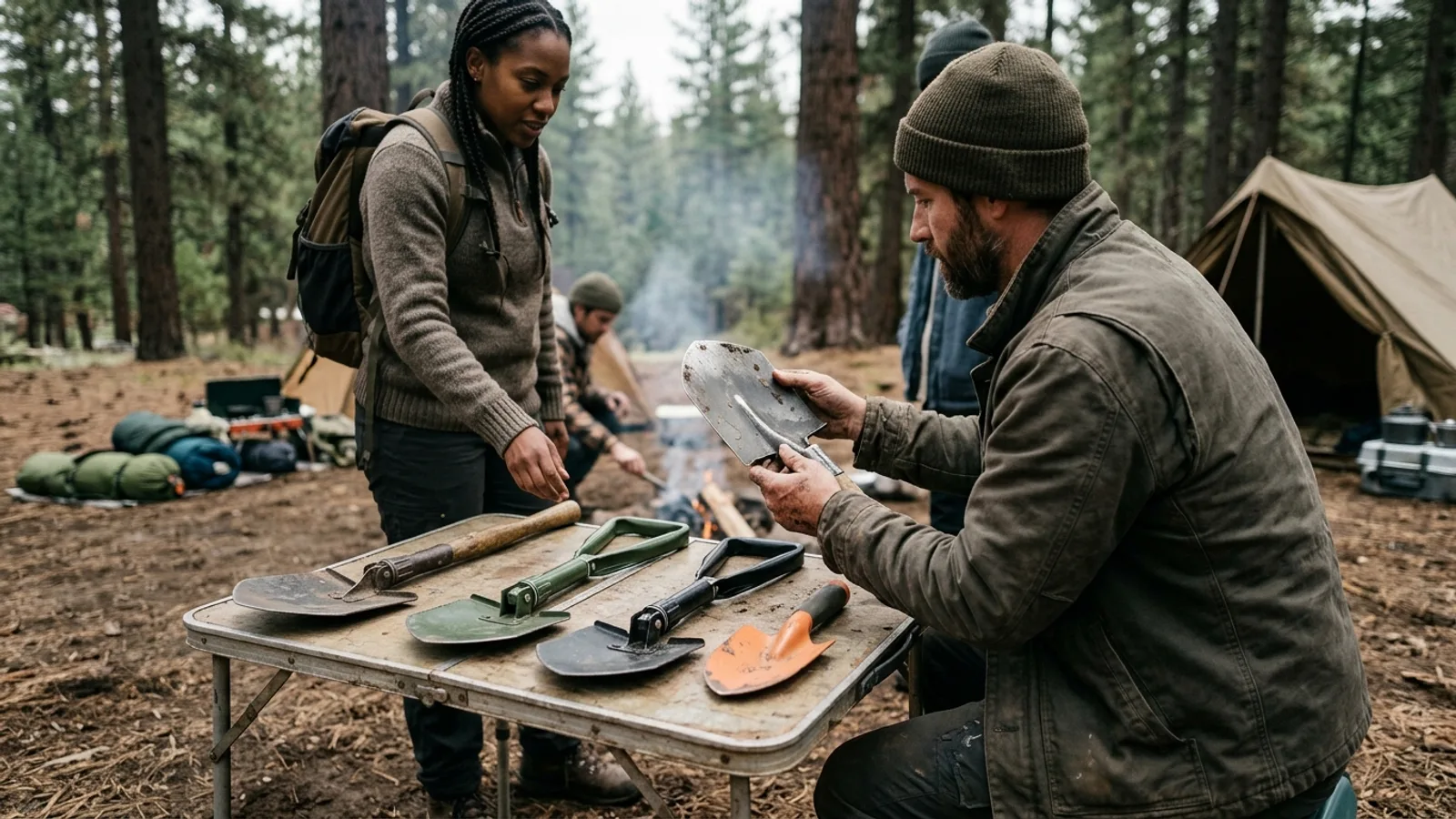
A small shovel is one of the most useful tools you can bring on a camping trip. It digs fire pits, clears tent pads, channels rainwater away from a campsite, and — most importantly — allows you to bury human waste properly when no toilet is available. Choosing the right one is less about brand and more about matching the tool to how you camp.
Folding vs. Fixed-Blade Shovels
Folding shovels collapse down for storage and are the standard choice for backpacking, since they save space and weight in a pack. The tradeoff is that folding joints and locking mechanisms are a potential failure point — they can loosen or wear over time, especially if used for heavy digging in rocky or compacted soil.
Fixed-blade or minimally-jointed shovels are sturdier and better suited to car camping, where pack size isn't a concern. If you expect to do real digging — cutting through roots, breaking up hard-packed dirt — a solid, one-piece or two-piece design will hold up better than a multi-fold tool with several hinges.
Material
Steel blades are the most durable option and hold an edge well, which matters if you're cutting through roots or compacted soil. They add weight, which is a fair tradeoff for car camping but worth considering for backpacking.
Aluminum shovels are lighter and resist corrosion, making them appealing for backpacking, but they can bend or dent under hard use in rocky ground. Titanium is lighter still and very durable, though it comes at a premium and is usually overkill unless weight savings are a top priority.
Blade Shape and Size
A wider, flatter blade moves more material per scoop and is efficient for digging fire pits or leveling ground. A narrower, more pointed blade is better for breaking into hard or rocky soil and for digging the narrow holes needed for waste disposal.
Overall length matters too. Shovels with an extendable or full-length handle let you dig from a standing position, which is easier on your back for any real digging. Compact folding shovels save weight but require more bending and generally more effort per scoop.
Handle and Grip
A grip that stays comfortable under repeated use matters more than any single material. Textured or contoured grips reduce blistering during extended digging. If a shovel folds, check that the locking mechanism holds firmly under pressure — a joint that flexes while you're pushing down transfers strain to your wrists.
Multi-Tool Features
Many camping shovels include add-ons like a saw edge, hex wrench, bottle opener, or pick. These can be genuinely useful in a pinch, but they add weight and cost, and none of them replace a dedicated tool if you need it often. Treat multi-tool features as a convenience bonus, not a primary reason to choose a shovel — a serrated edge for cutting small branches is the most commonly useful of these extras.
Using a Shovel to Manage Waste
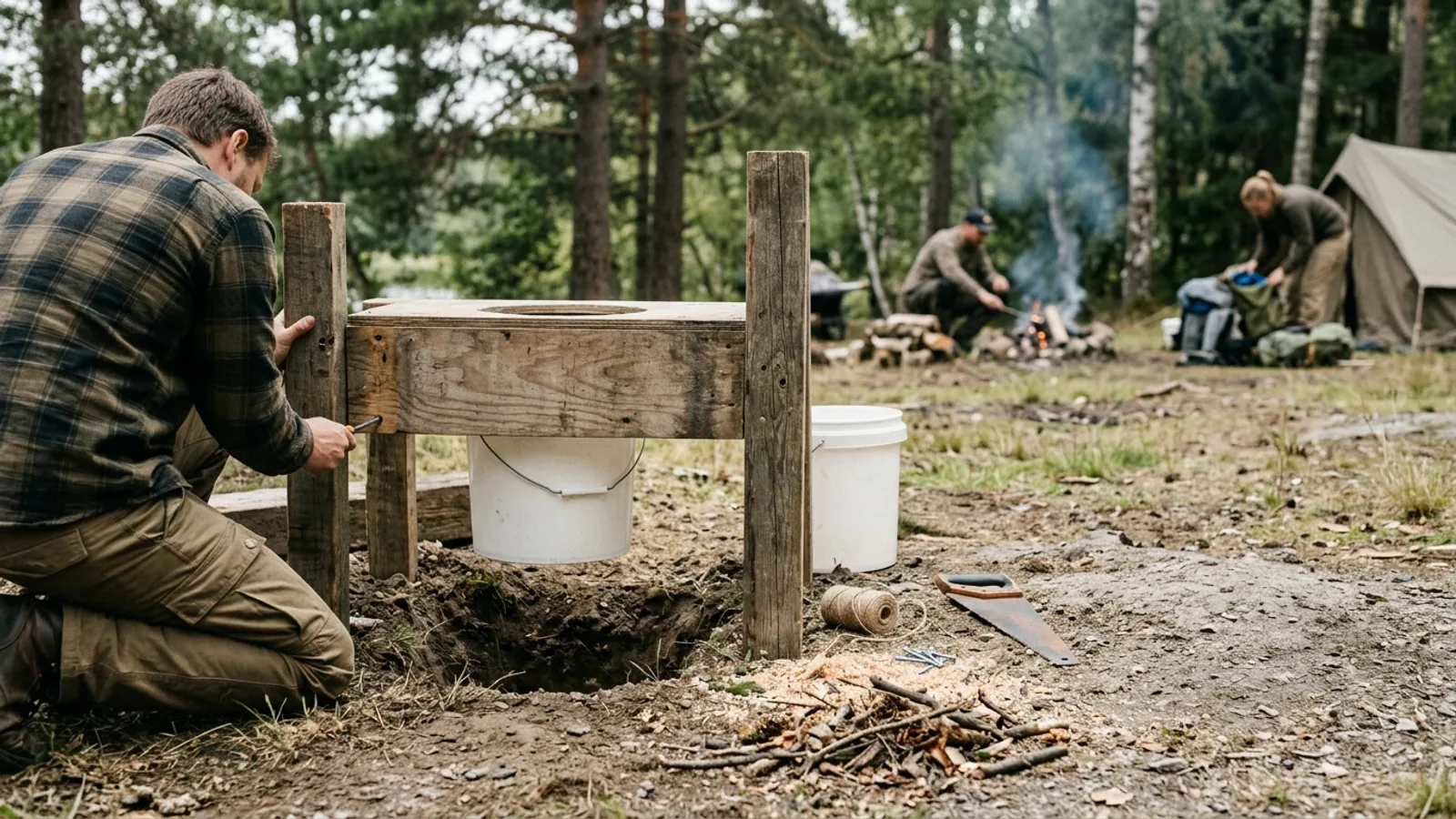
In areas without toilets, burying human waste properly is one of the most important reasons to carry a shovel. The general practice is to dig a hole well away from water sources, trails, and campsites, deep enough to bury waste completely, then fill the hole back in afterward. Local land managers often post specific distance and depth guidance for the area you're visiting — check for posted regulations before you go, since requirements vary by location and ecosystem.
A narrow, pointed blade digs this kind of hole more easily than a wide flat one, which is worth factoring in if waste disposal is your main use case.
Matching a Shovel to Your Trip
- Backpacking: prioritize low weight and compact folded size; aluminum or titanium blades are worth the tradeoff.
- Car camping: weight matters less, so a heavier steel blade with a longer or extendable handle will dig more efficiently.
- Emergency or vehicle kit: a compact, durable folding shovel that can also help with tasks like clearing debris from a path is a reasonable all-purpose choice.
Care and Maintenance
Clean soil and moisture off the blade after each use to prevent rust, especially on steel models. Check folding joints periodically for looseness and tighten hardware as needed. Store the shovel dry, and if it has a carry case, make sure the blade edge doesn't wear through the fabric over time.