Understanding the American Parks System: A Brief History and Overview
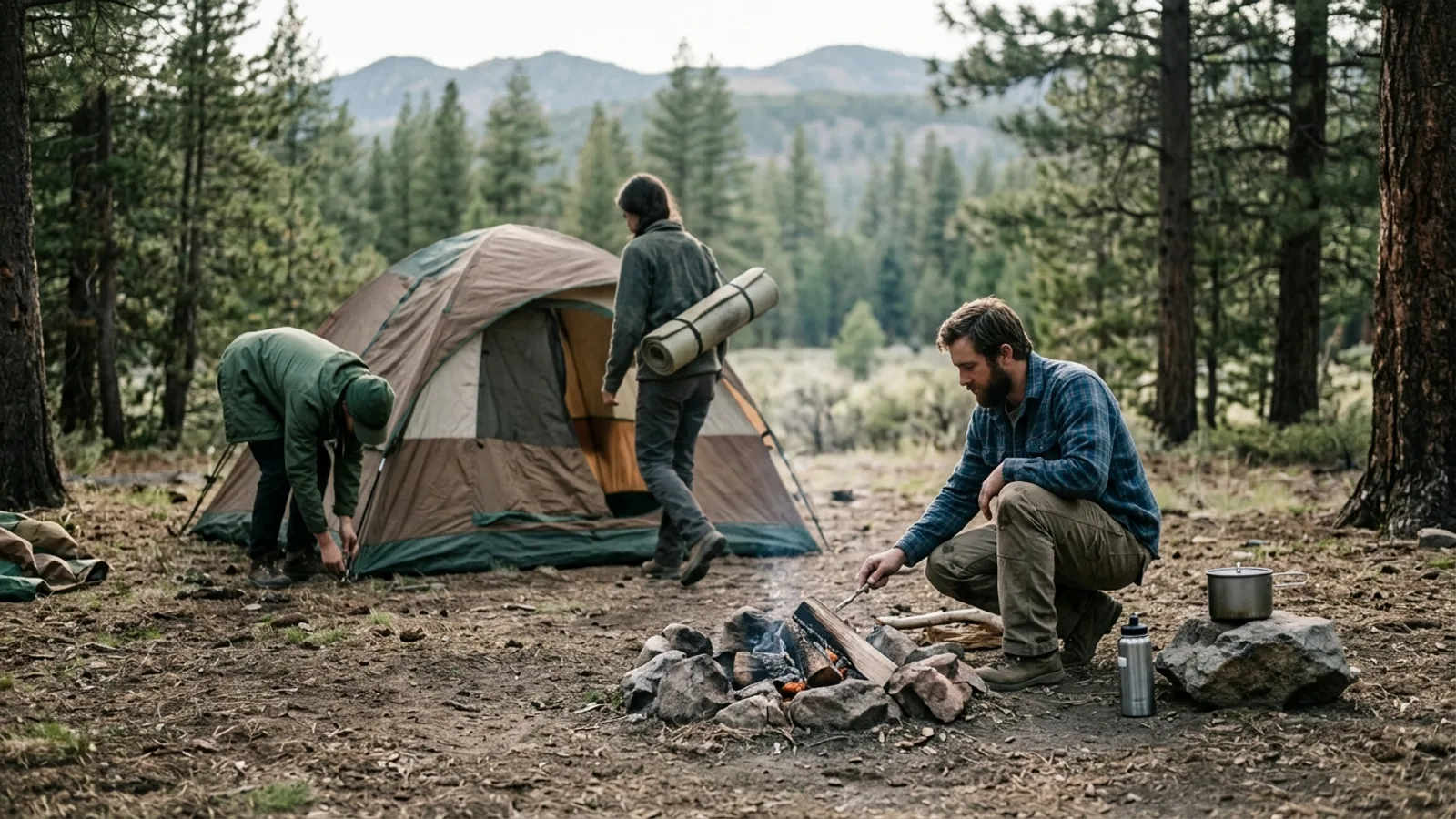
Two Systems, One Shared Mission
The United States protects land through two main systems: the National Park Service, which manages large, federally designated parks and monuments, and state park systems, which are run individually by each state. Together they cover an enormous range of landscapes, from desert canyons to coastal wetlands to old-growth forest.
Though they're often discussed together, national and state parks arose from different pressures and serve different purposes. National parks tend to protect places of exceptional natural or historic significance on a large scale. State parks are more numerous, often smaller, and generally more accessible for day trips, local recreation, and camping close to home.
How National Parks Began
The idea of setting aside public land purely for preservation and public enjoyment was, at the time, a novel one. It grew out of a broader nineteenth-century shift in how people thought about wilderness — moving from viewing it as an obstacle to settlement toward valuing it as something worth protecting for its own sake.
The first area designated as a national park in the world was established in the American West, setting a precedent that other countries would eventually follow. It took several more decades before a dedicated federal agency was created to oversee these lands consistently, since early parks were managed piecemeal by different departments, including the military in some cases.
Once a single agency took over management, it consolidated protection of scenery, wildlife, and historic sites under one clear mission: conserve these places while still allowing people to enjoy them, in a way that leaves them intact for future generations. That balancing act — access versus preservation — remains the central challenge of park management today.
Over time, additional monuments, battlefields, and historic sites were folded into the system, expanding it well beyond the original handful of scenic parks into the network of designations seen today, including monuments, seashores, historic sites, and recreation areas.
How State Parks Developed
State parks predate the national system in some cases and generally developed on a state-by-state basis, often without much coordination between states. Land for these parks came from a variety of sources: outright gifts from private citizens, land seized for unpaid taxes, existing state property, direct purchases, or transfers from the federal government.
Momentum for organized state park systems built steadily through the early twentieth century, and by the time of the mid-1900s, most states had at least a basic system in place. Eventually every state established some form of park system, though the size, funding, and management approach vary widely from one state to another.
Because there are thousands of state parks compared to a much smaller number of national parks, state parks collectively protect a substantial share of the country's accessible natural land, trails, and waterways — and they tend to be the parks most people visit most often, simply because they're closer to home.
Why the Distinction Matters for Visitors
Understanding which system a park belongs to can shape trip planning. National parks often require more advance planning: entrance fees, sometimes timed-entry or reservation systems during busy seasons, and larger crowds at signature attractions. State parks are frequently easier to visit spontaneously, tend to have shorter drives for most people, and often provide a quieter experience with similar recreational opportunities — hiking, camping, fishing, paddling, and wildlife viewing.
Neither system is inherently "better." A large national park might offer iconic geological or ecological features found nowhere else, while a nearby state park might offer a similarly satisfying hike without the crowds or logistical hurdles.
Managing Popularity and Crowding
Some of the most well-known national parks now see visitation levels that strain roads, parking, and trails, especially during peak season. In response, a number of parks have introduced timed-entry reservations or shuttle-only access to popular corridors during the busiest months.
If you're planning a visit to a well-known destination, check well ahead of time whether a reservation or permit system is in place, and consider visiting during shoulder seasons or early in the day to avoid the heaviest crowds. Lesser-known units within the same park system, or a nearby state park, often provide a similar experience with far less congestion.
The Practical Value of Parks
Beyond recreation, parks support surrounding communities. Visitor spending on lodging, food, and gear flows into nearby towns, and park operations themselves provide steady employment in many rural areas. Protected land also does quieter work: filtering water, buffering flooding, providing habitat for wildlife, and preserving open space near growing communities.
Both systems face on-going funding and maintenance challenges. Trails erode, facilities age, and visitor numbers can outpace the resources available to maintain infrastructure. This is a normal, ongoing part of park management rather than a sign of failure, but it does mean trails, roads, or facilities may occasionally be closed for repair — another good reason to check conditions before a visit.
Getting the Most from a Visit
- Check for entry or reservation requirements before you go, especially at popular national parks during peak season.
- Consider state parks or less-visited park units for a quieter alternative with similar scenery and activities.
- Visit during weekdays or shoulder seasons when possible to reduce crowding and improve your chances of finding parking.
- Stop at a visitor center or check official park websites for current trail, road, and facility conditions.
- Pack out what you bring in, stay on marked trails, and give wildlife plenty of space — these basics protect both you and the land for the next visitor.