Camping in the US: What to Know Before You Go
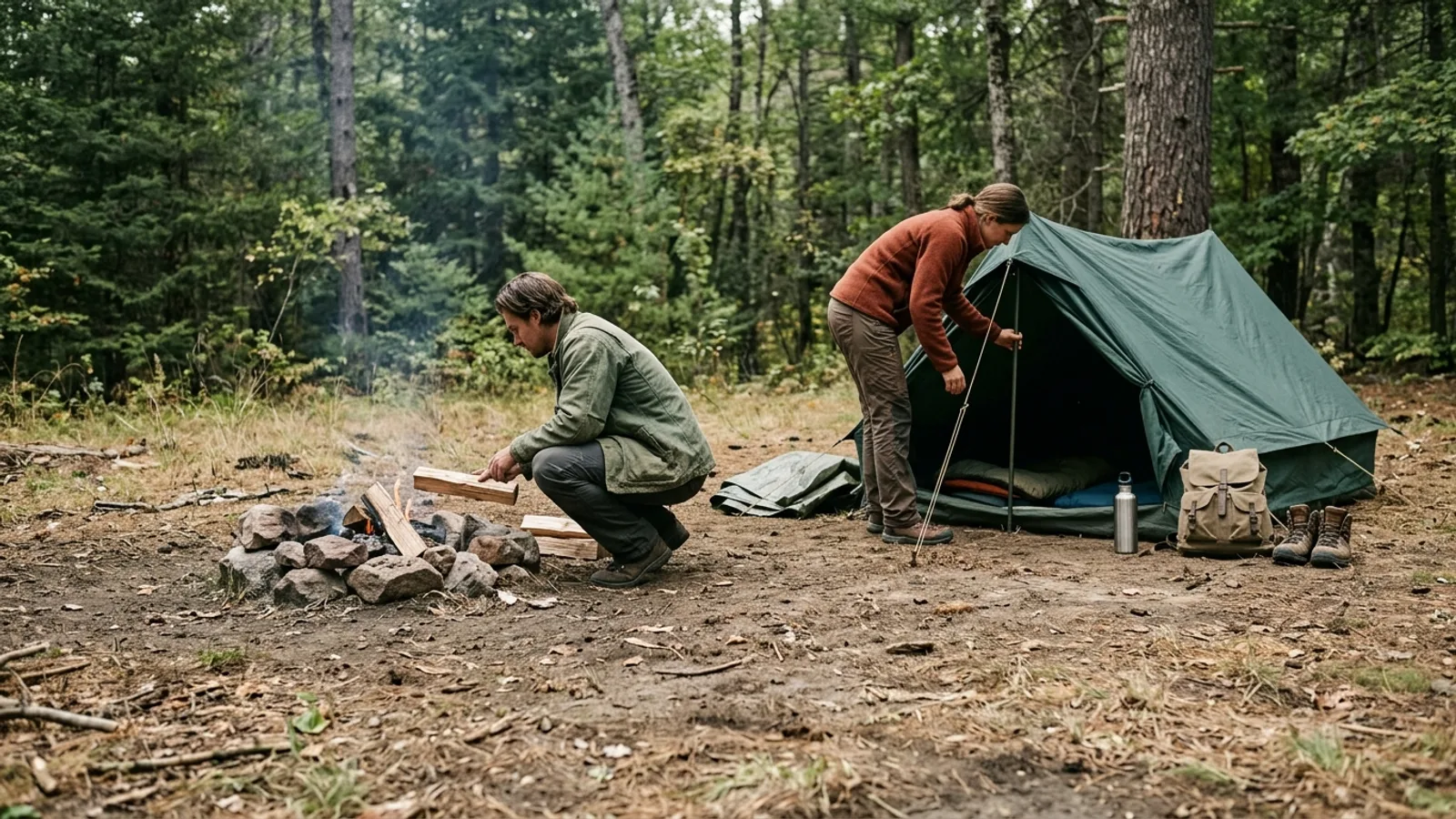
Camping has become one of the most accessible ways for people in the US to spend time outdoors. Whether it's a weekend in a tent, a stay in an RV, or a night in a rustic cabin, the appeal is largely the same: a break from routine, time with family or friends, and easier access to trails, water, and wildlife than a day trip allows.
Why Camping Draws People Outdoors
Most campers point to a handful of consistent reasons for choosing a trip: connecting with nature, spending unstructured time with the people they care about, and getting away from daily stress. Unlike many vacations, camping doesn't require a lot of planning once you have the basic gear, which makes it easy to repeat often and to introduce to kids at a young age.
Interest in camping has broadened over time. It's no longer just a niche hobby for experienced outdoors people — first-time and occasional campers make up a large share of the people booking campsites each year, and campground operators have adjusted by offering more amenities, from full hookups for RVs to yurts and cabins for people who want a roof without a hotel.
Where People Camp
Camping destinations generally fall into three categories:
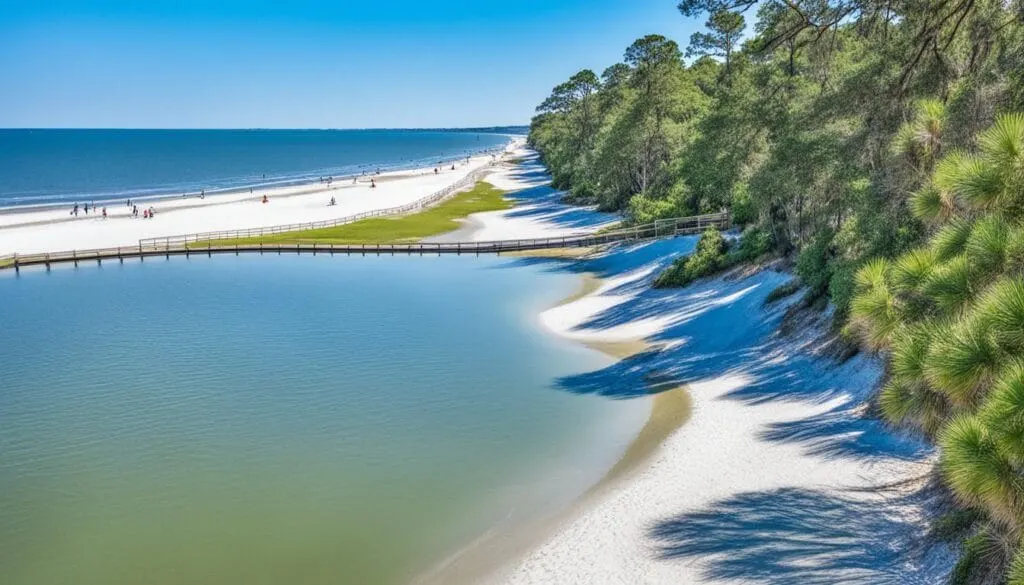
- National parks and national forests: These offer some of the most scenic and remote settings, often with a mix of developed campgrounds and backcountry sites. Popularity varies widely by park, and the most visited parks can require reservations booked well in advance for peak season.
- State parks: State park systems tend to offer a good balance of accessible amenities and natural surroundings, often at a more moderate level of crowding than the busiest national parks.
- Private campgrounds: These range from simple tent sites to full RV resorts with pools, planned activities, and long-term memberships. They tend to be a reliable option when public campgrounds are full or when travelers want more consistent amenities.
Popular activities paired with camping include hiking, fishing, swimming, and wildlife viewing — all of which are easier to fit into a trip when you're already staying nearby overnight.
Choosing How to Camp
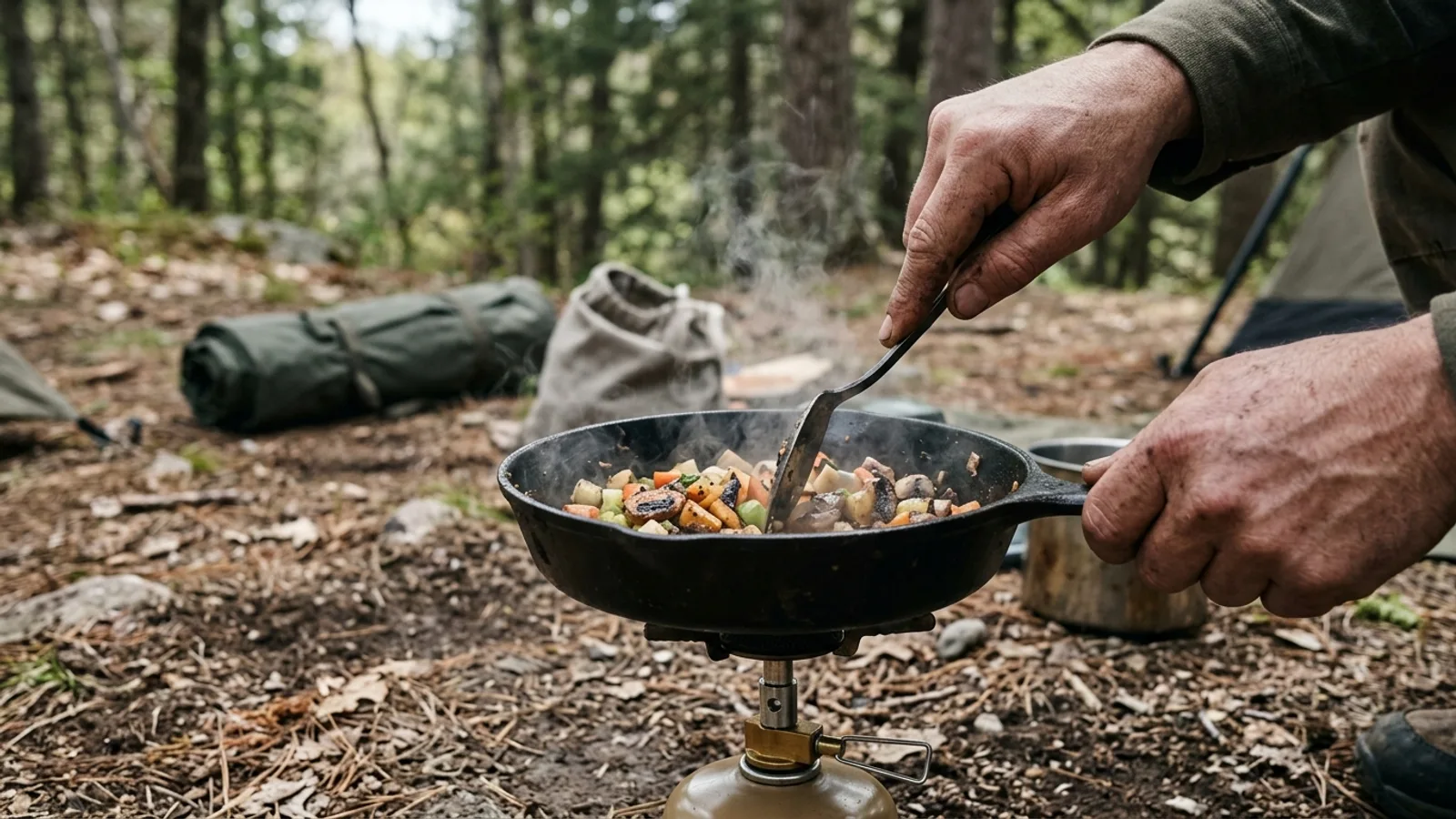
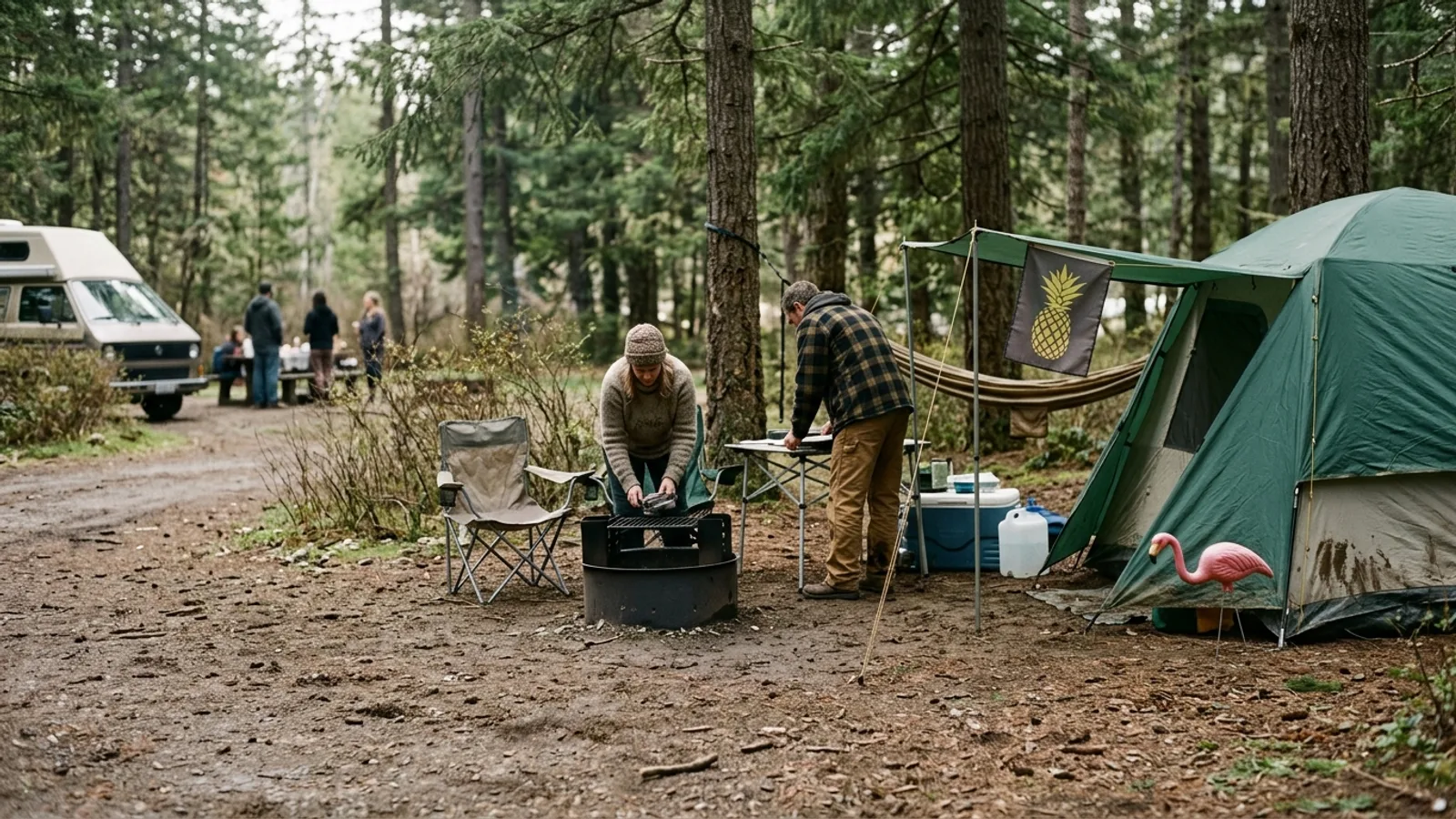
Tent camping remains the most common style, largely because it's the least expensive way to start and requires the least specialized equipment. Basic tent camping gear typically includes a tent, sleeping bags or pads, a cooler, and camp chairs — items that can be reused for years with basic care.
RV and trailer camping appeals to travelers who want more comfort, a kitchen, and protection from weather, though it comes with a learize curve around towing, hookups, and vehicle size limits at some campgrounds. Cabin and yurt camping splits the difference, offering shelter without needing to own or tow specialized equipment.
When picking a camping style, think about how much setup and packing you're willing to do, how many nights you'll be out, and whether you're camping with kids or pets, since that often shapes how much gear and convenience you'll want.
Planning a Trip
A few habits make camping trips smoother regardless of destination:
- Book early for popular spots. Well-known parks and campgrounds near cities fill up fast, especially on weekends and holidays.
- Check the site's rules before arriving. Campgrounds vary on quiet hours, campfire restrictions, pet policies, and RV length limits.
- Pack for the shoulder hours. Mornings and evenings are often colder than midday, even in summer, so layered clothing matters more than most first-time campers expect.
- Store food properly. In areas with bears or other wildlife, use provided food lockers or hang food away from your sleeping area to avoid attracting animals.
- Know the fire rules. Fire restrictions can change quickly during dry conditions, so check current conditions locally rather than assuming campfires are always allowed.
Budgeting for Gear
You don't need to buy everything at once. A tent, sleeping bag, and basic cooking setup will get most people through their first few trips comfortably. As you camp more, you'll get a better sense of what upgrades actually matter to you — whether that's a more comfortable sleeping pad, a larger tent, or better rain gear — rather than buying based on what's marketed as essential.
Secondhand gear and gear libraries (often available through outdoor retailers or local outfitters) are a practical way to try camping before committing to buying everything new.
Getting Started
If you're new to camping, start with a single night close to home at a developed campground with restrooms and water access. This lets you test your gear and routine without being far from help if something doesn't go as planned. From there, you can work up to longer trips, more remote sites, or backcountry camping as your comfort and skills grow.