State Parks and Natural Attractions Near Myrtle Beach, SC
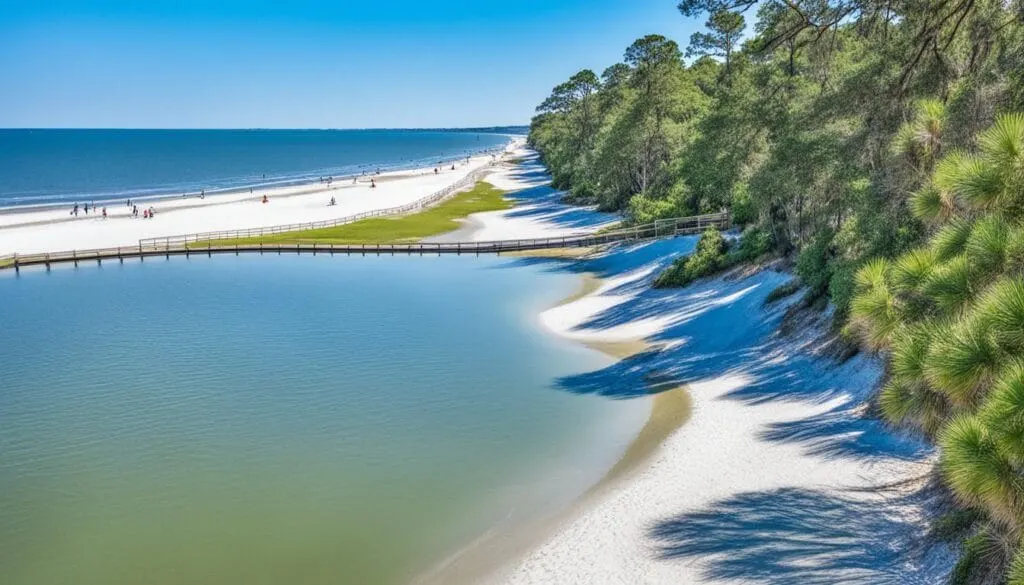
Myrtle Beach is known for its boardwalk and golf courses, but the coastline just north and south of the city holds some of South Carolina's best undeveloped beach, maritime forest, and salt marsh. Two state parks anchor the area, and a handful of nearby gardens and historic sites round out a day trip. Here's what each place actually offers and how to make the most of a visit.
Huntington Beach State Park
Just south of Myrtle Beach in Murrells Inlet, this park pairs a wide undeveloped beach with a large tract of maritime forest, freshwater lagoon, and salt marsh. That mix of habitats is what makes it a standout for wildlife watching.
The causeway leading into the park runs alongside the lagoon and is one of the more reliable spots on the coast to see alligators, herons, egrets, and other wading birds at close range. Bring binoculars and keep a safe distance from any alligator you see — they are common here and should never be approached or fed.
Inside the park, a nature center has exhibits on the local ecosystem and often hosts staff-led programs; check the schedule when you arrive since offerings vary by season. Short trails loop through the maritime forest and along the marsh, and the beach itself is good for a long walk, shell-hunting, or a swim depending on conditions.
The park also contains the remains of Atalaya, a Spanish-style residence built in the 1930s as a winter home. Self-guided exploration of the structure gives a sense of the site's history and is a nice break from the beach and trails.
Anglers fish from the beach, the jetty, and small boats launched nearby, targeting species like flounder and red drum depending on the season. Surf fishing here requires only a rod, bait, and attention to tide and current.
Myrtle Beach State Park
Located within the city itself, this park is a convenient option if you're staying nearby and want a break from the boardwalk crowds. It offers camping, a fishing pier, and easy walking trails, all close to the airport and main tourist strip.
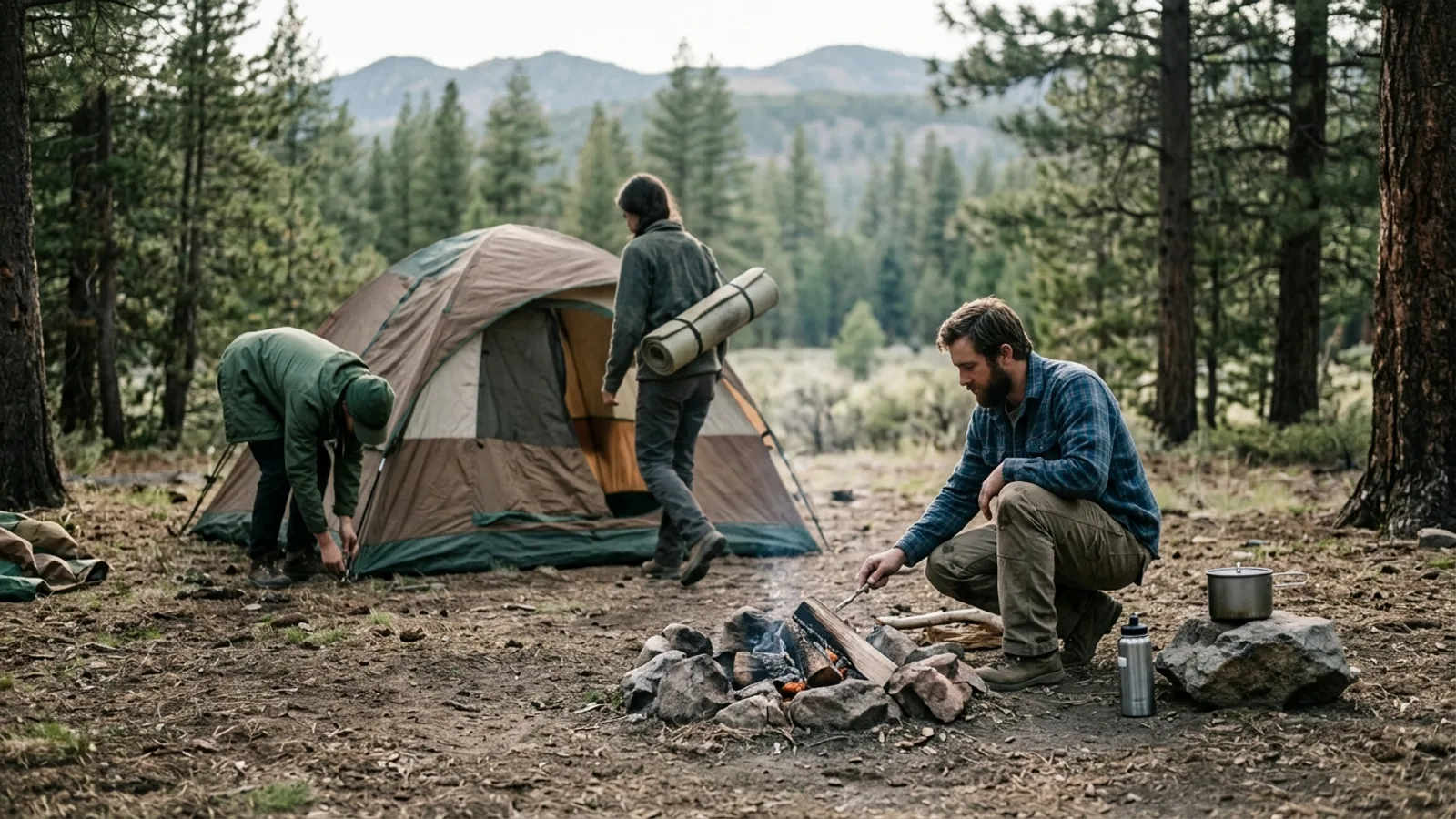
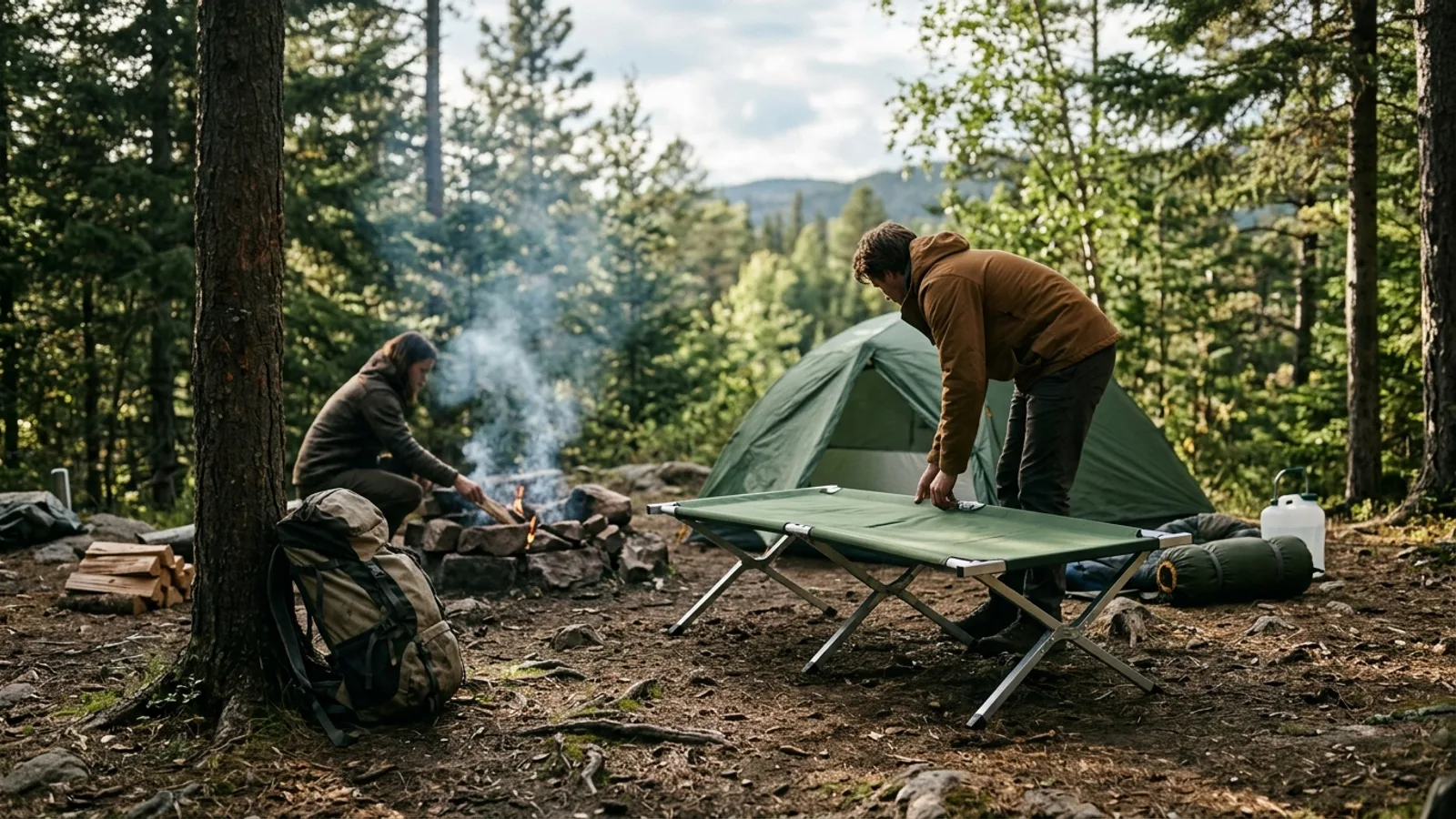
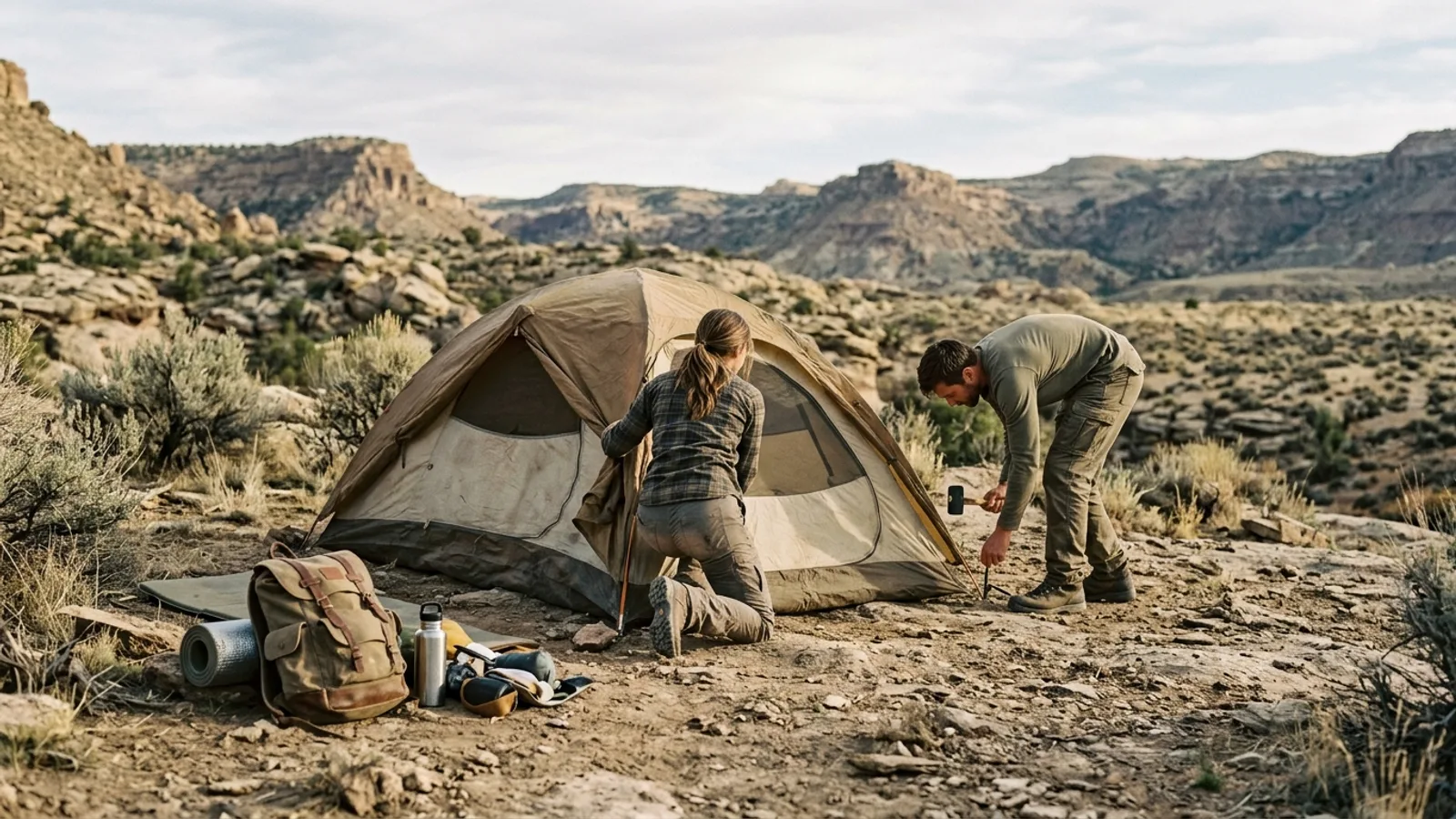
Camping options typically include both tent and RV sites, along with cabins for visitors who want a roof without giving up the park setting. Reserve ahead during warmer months, since coastal camping fills up quickly in season.
The fishing pier extends out over the Atlantic and is open to anglers of any experience level; no boat is needed, and pier fishing is a good introduction for kids or first-timers. Common catches include whiting, spot, and occasionally larger species like drum, depending on the season and tide.
The Oak Trail is a short, shaded path through maritime forest and is an easy way to see coastal vegetation and birdlife without much walking. Birders visit especially in the cooler months, when migratory species pass through or overwinter along the coast.
The park has playgrounds and picnic areas, making it a practical stop for families balancing beach time with other activities.
Hopsewee Plantation
A short drive from Myrtle Beach in Georgetown, this historic rice plantation site offers guided house tours and grounds that reflect the region's agricultural and social history. It's a good option for visitors interested in Lowcountry history beyond the beach, and many tours include time to walk the riverfront grounds. Check ahead for tour times and any seasonal closures.
Brookgreen Gardens
Also near Murrells Inlet, this is a large botanical garden combined with an outdoor sculpture collection and a wildlife area focused on native Southeastern species. Walking paths wind through themed garden rooms, and sculptures are placed throughout the landscape rather than confined to a single gallery, so plan for a few hours if you want to see most of the grounds. The wildlife exhibits focus on rehabilitated native animals rather than exotic species, which makes it a different experience than a typical zoo. Seasonal evening events with lighting and music sometimes run in warmer months — worth checking for if you're visiting then.
Planning Your Visit
- Best time of year: Spring and fall bring milder temperatures and fewer crowds than summer, and are generally best for birdwatching and hiking.
- What to bring: Sun protection, insect repellent, water, and binoculars if you plan to watch wildlife.
- Wildlife safety: Alligators and snakes are present in marsh and forest habitats. Stay on marked trails, keep pets leashed, and never approach or feed wildlife.
- Tides and fishing: If fishing from a pier or beach, check tide tables in advance — fish activity and safe wading conditions both depend on tide stage.
- Reservations: Camping sites, cabins, and some guided tours benefit from advance booking, especially during peak season.
Why Visit the State Parks
Spending time outdoors along this stretch of coast offers a change of pace from the more developed parts of Myrtle Beach. Walking trails, birdwatching, and time on the water are all associated with general benefits like reduced stress and increased physical activity, and the parks provide accessible, low-cost ways to build that into a beach trip. Whether you have an afternoon or a full day, pairing a state park visit with the city's other attractions rounds out a trip to the area.