Planning a Wilderness Adventure: A Practical Guide
What Counts as a Wilderness Adventure
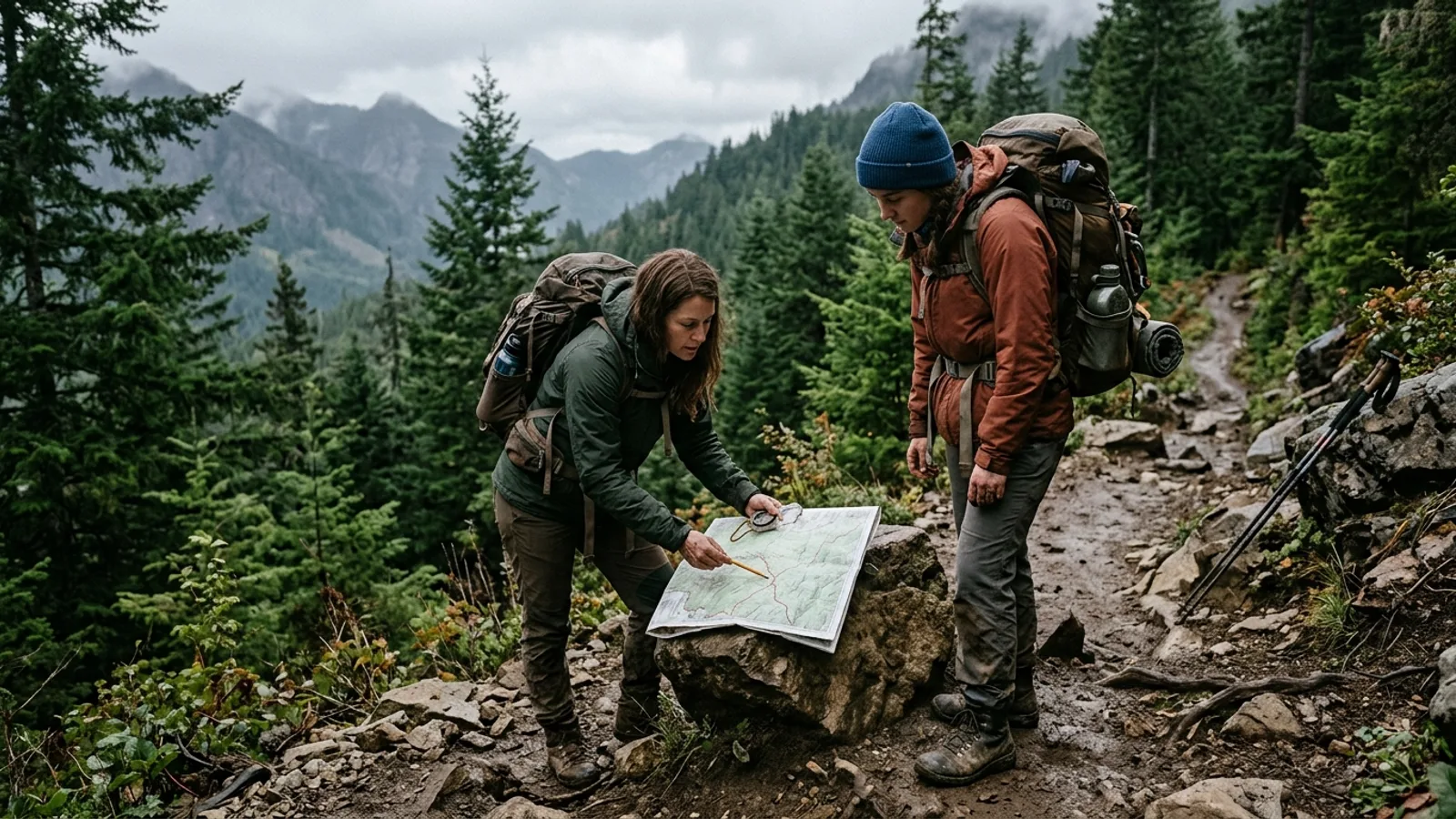
Wilderness adventure covers any trip that takes you into undeveloped natural areas under your own power or with the help of a guide. This includes backcountry hiking and camping, whitewater rafting, rock climbing, canyoning, horseback riding, and mountain biking. What ties these activities together is distance from services: if something goes wrong, help is not around the corner. That single fact should shape every decision you make, from gear to route choice.
Choosing an Activity That Matches Your Skill Level
Be honest about your fitness, technical skill, and experience with self-rescue before picking an activity. A few general guidelines:
- Hiking and backpacking scale easily from short day hikes to multi-day treks, making them a good entry point for most people.
- Whitewater rafting is often run with a licensed outfitter and a guide steering the boat, which lowers the skill barrier for newcomers.
- Rock climbing requires instruction in belaying, anchor systems, and fall protection before attempting anything beyond a supervised, beginner-friendly route.
- Mountain biking and horseback riding demand comfort controlling an animal or a bike on uneven, unpredictable terrain.
If you are new to an activity, book a first outing with a certified guide or outfitter rather than learning entirely on your own.
Planning the Trip
Good planning starts well before you leave home.
- Pick a destination that matches your timeframe. A weekend allows for a short backpacking loop or a single-day rafting or climbing trip. A week or more opens up multi-day traverses or remote expeditions.
- Check the difficulty rating of trails or routes using the land manager's own classification system, and cross-reference recent trail condition reports where available.
- Understand permit and reservation requirements. Many popular wilderness areas cap the number of visitors per day or require backcountry camping permits.
- Build in a margin. Weather, trail closures, and fatigue can all slow you down; plan mileage and time you can comfortably manage, not the maximum you think you can push.
Choosing a Guide or Outfitter
If you're joining an organized excursion, look for outfitters who are transparent about the qualifications of their guides, their safety protocols, and their group size limits. Ask what happens in the event of a medical issue or sudden weather change, and confirm what gear is provided versus what you need to bring. A reputable operator will answer these questions directly and without hesitation.
Packing for the Backcountry
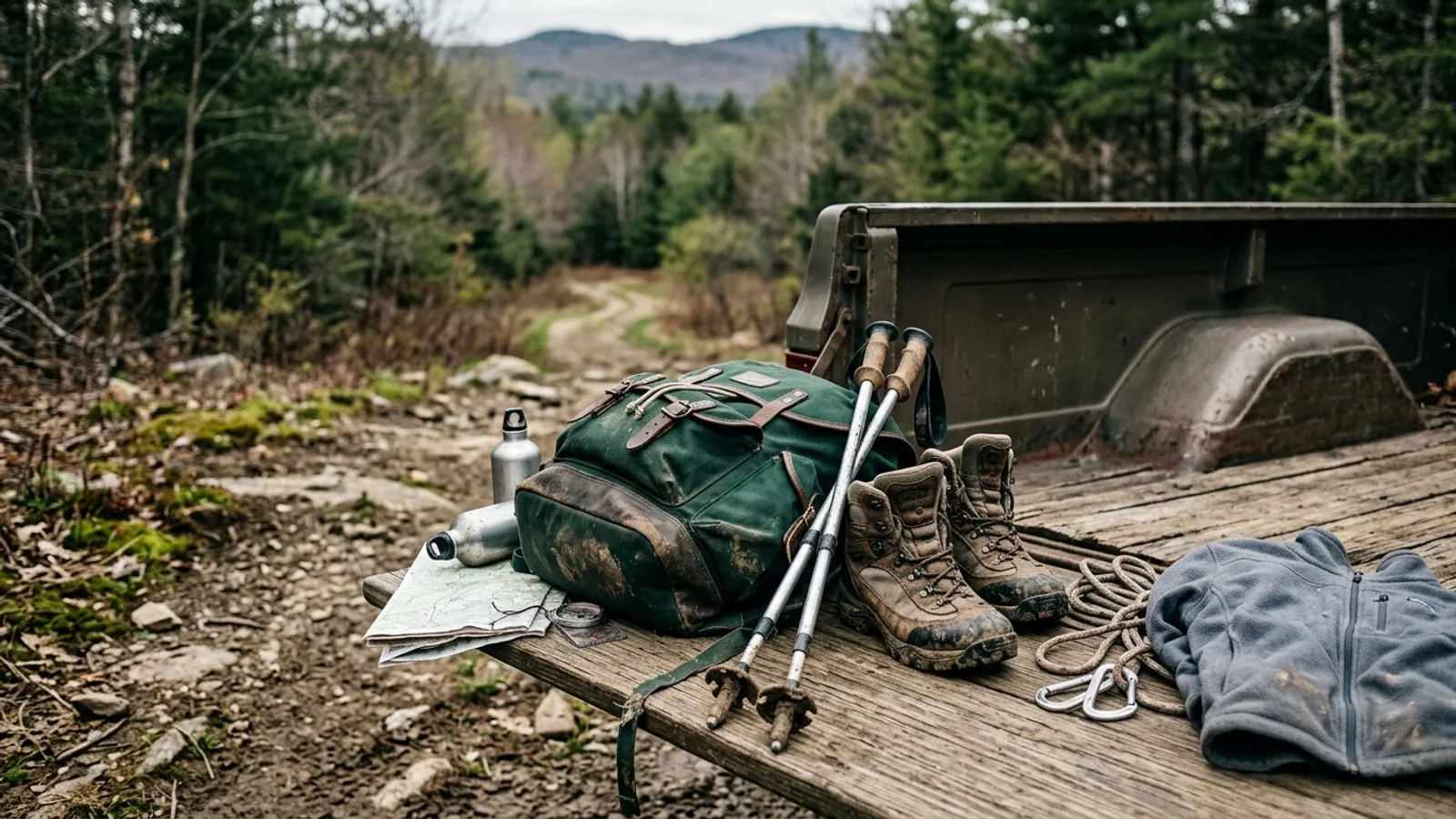
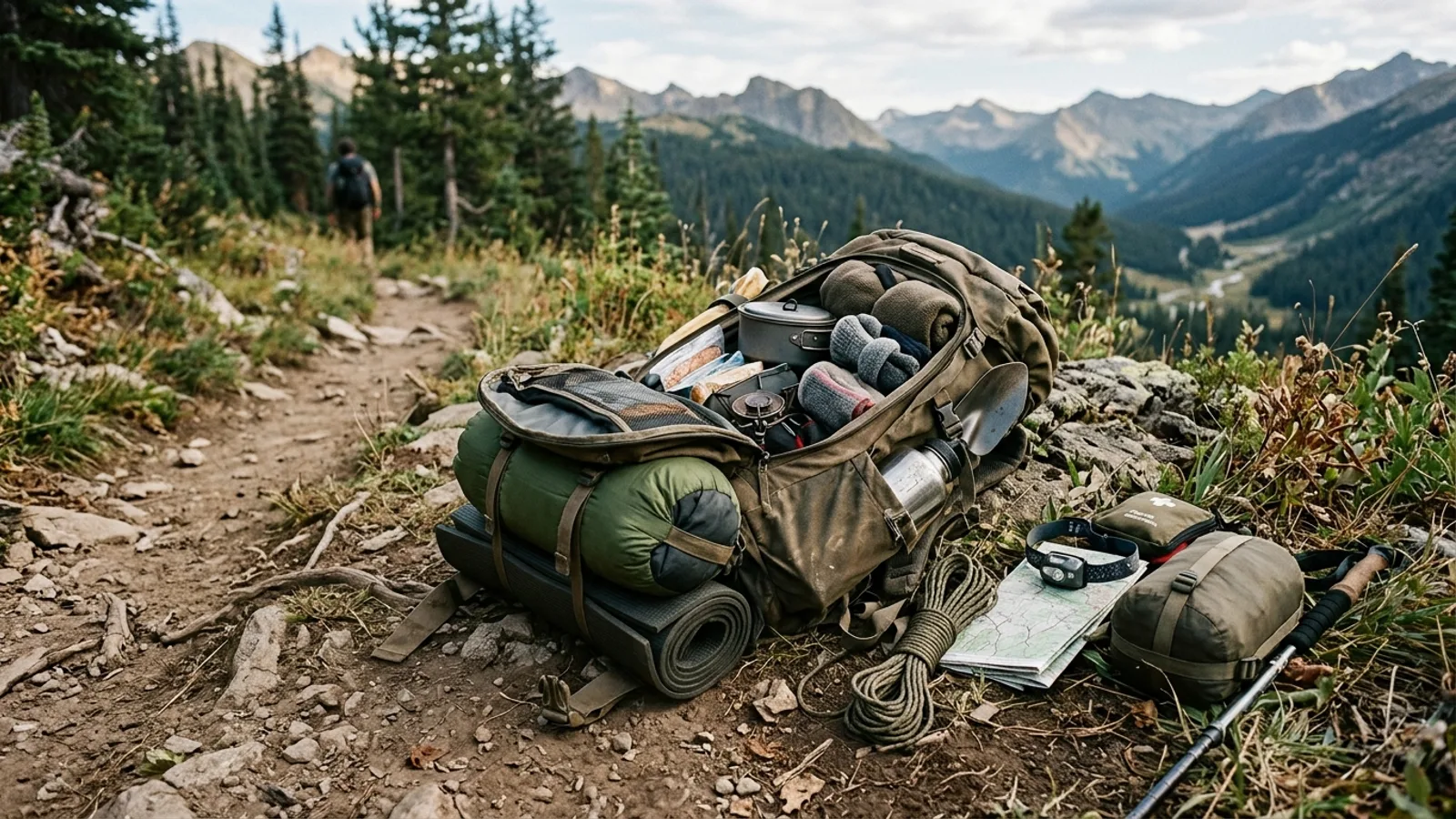
What you carry should be based on the season, terrain, and length of the trip, but a few essentials apply almost everywhere:
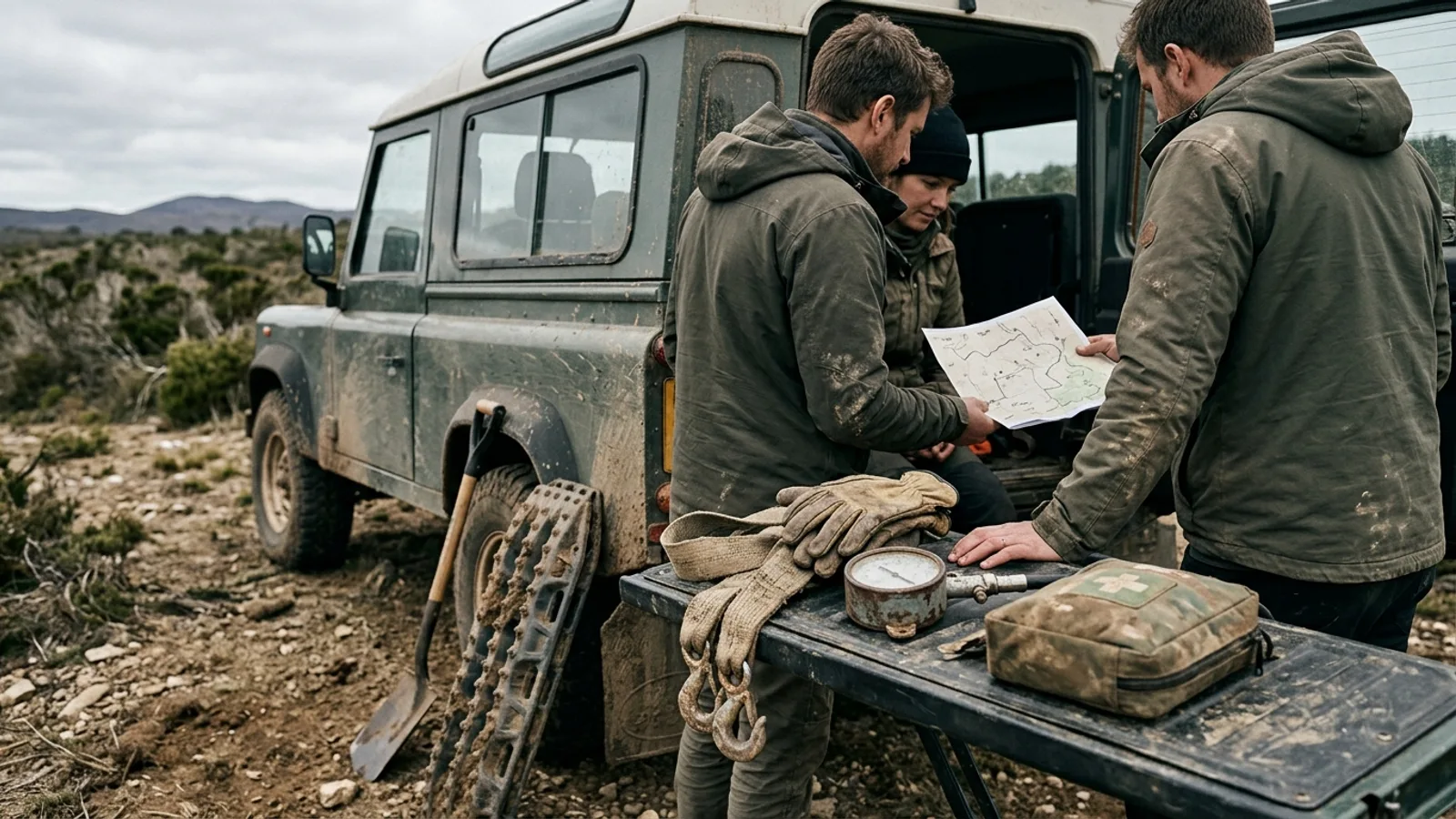
- Navigation tools you know how to use, such as a map and compass, plus a charged backup device.
- Layered clothing suited to sudden weather shifts, including a waterproof outer layer.
- More water and a way to purify more, plus calorie-dense food beyond what you think you'll need.
- A basic first-aid kit and knowledge of how to use it.
- A way to signal for help that does not depend on cell coverage.
Pack to be self-sufficient for longer than your planned trip in case of delay.
Staying Safe in Remote Areas
Tell someone who is not on the trip your route and expected return time. Check weather forecasts right up until departure, and know the signs of altitude illness, hypothermia, and heat exhaustion relevant to your activity and region. Wildlife encounters are usually avoidable: store food properly, keep a safe distance, and learn the specific guidance for the animals in the area you're visiting. If you're traveling with a group, agree in advance on a turnaround time and stick to it even if the summit or destination is close.
Respecting the Environment
Wilderness areas stay wild because visitors treat them carefully. Stay on established trails to avoid trampling fragile vegetation, pack out everything you bring in, and follow local guidance on campfires, which are restricted or banned in many areas during dry periods. Give wildlife plenty of space and never feed animals, even ones that seem accustomed to people.
Why It's Worth the Effort
Time spent away from constant connectivity and daily routine tends to lower stress and sharpen focus, and the physical challenge of hiking, paddling, or climbing builds real confidence you carry back into ordinary life. None of that requires an extreme destination — a well-planned trip to a nearby wilderness area can deliver the same sense of accomplishment as a more remote expedition, especially the first time you complete it.