Off-Roading for Beginners: A Practical Guide to Getting Started
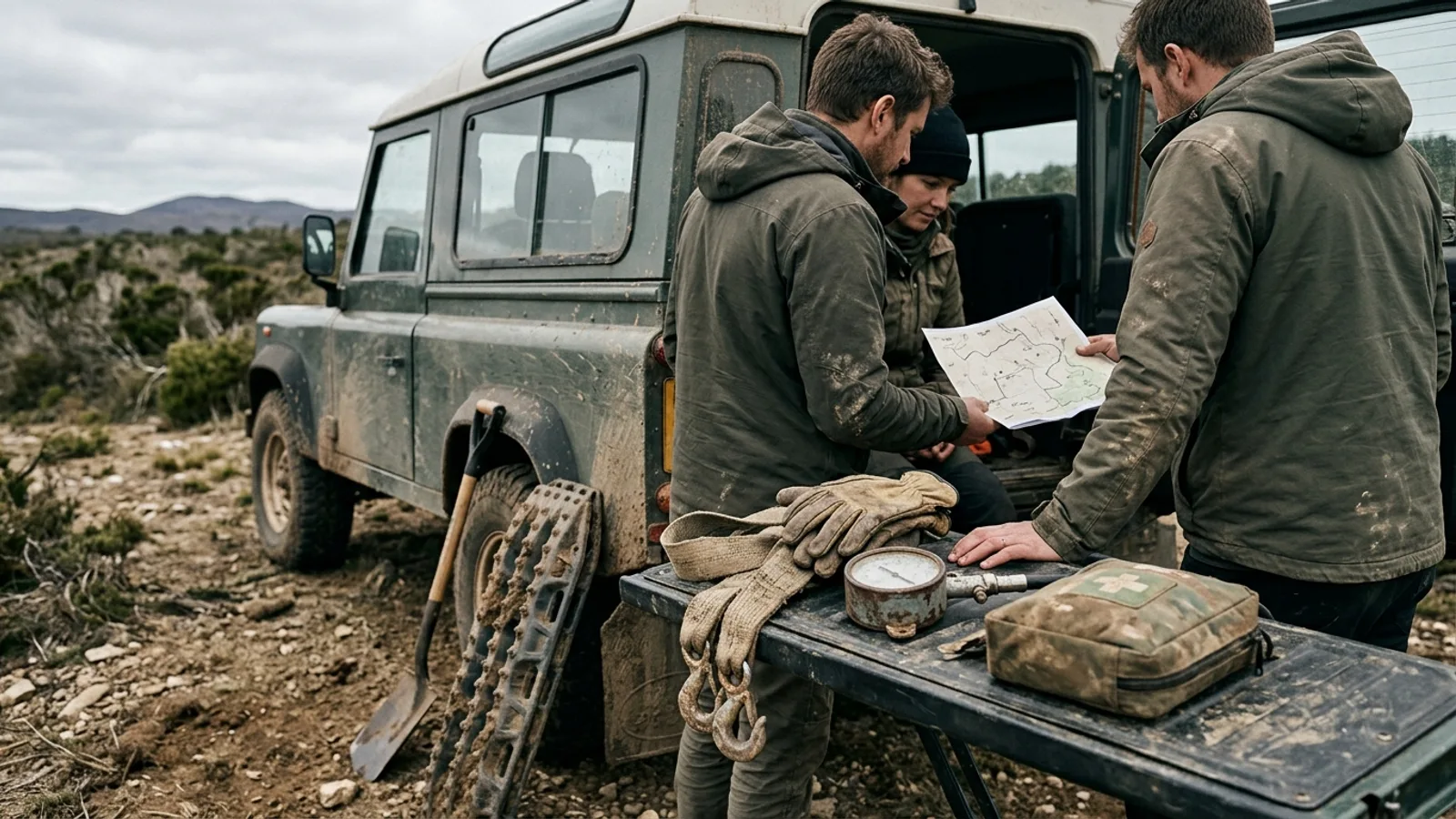
Never Go Alone
Off-roading alone is one of the easiest ways to turn a small problem into a serious one. A stuck vehicle, a mechanical failure, or a minor injury can become dangerous quickly if there's no one to help winch you out, fetch a part, or call for assistance.
Travel with at least one other vehicle whenever possible. If you're driving solo, tell someone reliable your planned route and expected return time, and check in when you're back. Cell coverage is unreliable or nonexistent on most backcountry trails, so don't count on being able to call for help.
Local off-road clubs are a good way to meet other drivers, learn trail etiquette, and find people to ride with. Many clubs run organized outings that are well suited to newcomers, with experienced drivers on hand to offer guidance.
Start on Easy Trails
Choose trails rated for beginners or listed as easy before attempting anything technical. Easy trails let you learn how your vehicle behaves — how it handles bumps, dips, loose surfaces, and modest inclines — without the added risk of steep grades, deep water, or tight rock sections.
Use this time to get familiar with your vehicle's systems: how to engage four-wheel drive or low range, what any terrain or traction modes do, and how the vehicle feels when it loses and regains traction. Practice at low speed so you have time to react.
Progress gradually. As your comfort and skill increase, move to moderately rated trails before attempting anything advanced. Skill built this way transfers directly to harder terrain later.
Carry the Right Gear
What you need will vary by trail and season, but a few categories matter everywhere:
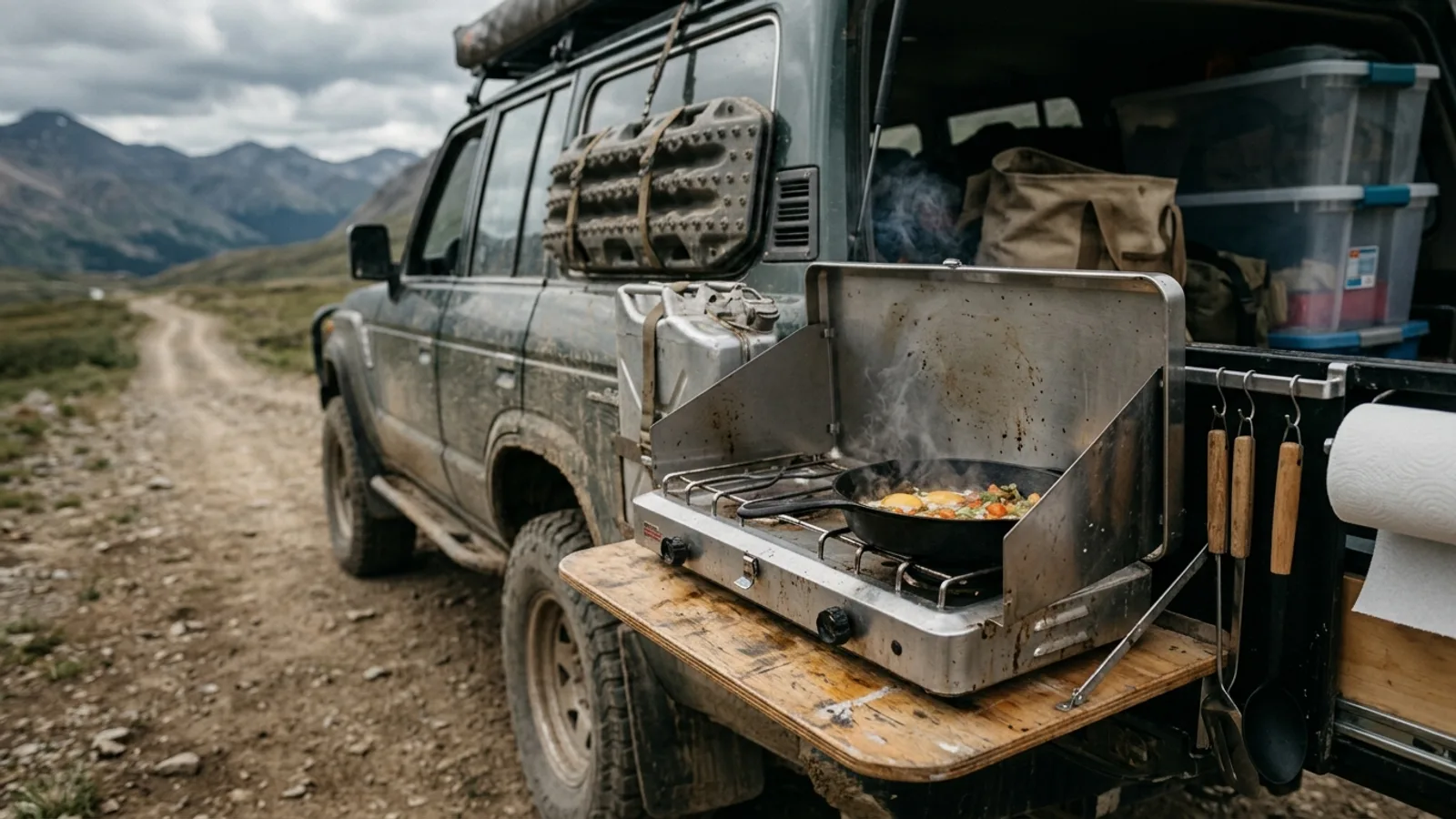
- Recovery basics: a properly inflated, trail-ready spare tire, a jack rated for uneven ground, and basic hand tools for minor repairs.
- Tire pressure management: a reliable tire pressure gauge, and ideally a way to air down and reinflate. Lower pressure on loose surfaces like sand improves traction; you'll want to bring pressure back up before returning to pavement.
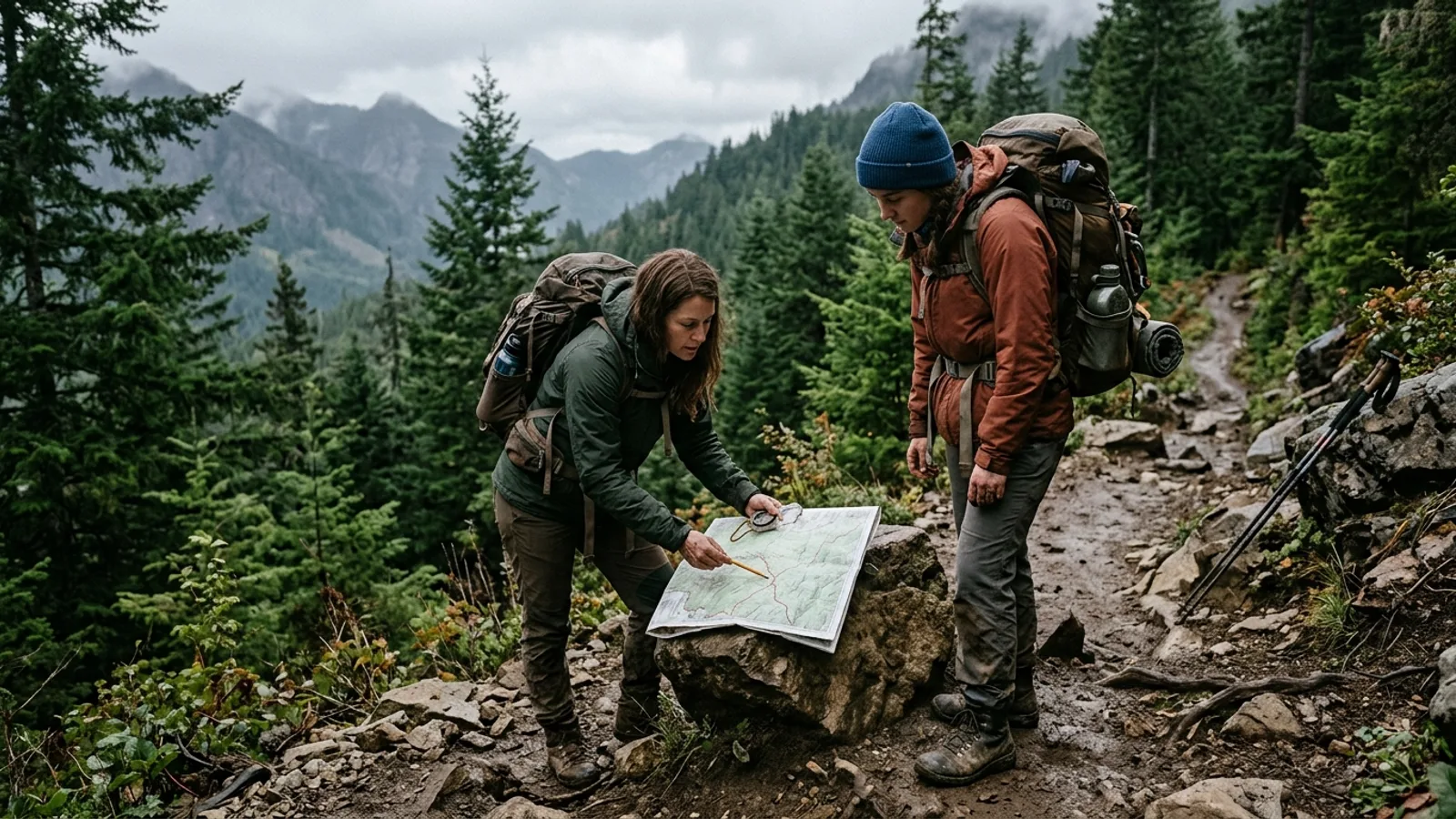
- Communication and navigation: a paper map or offline GPS data for the area, since phone signal and even data-based mapping can fail in remote terrain.
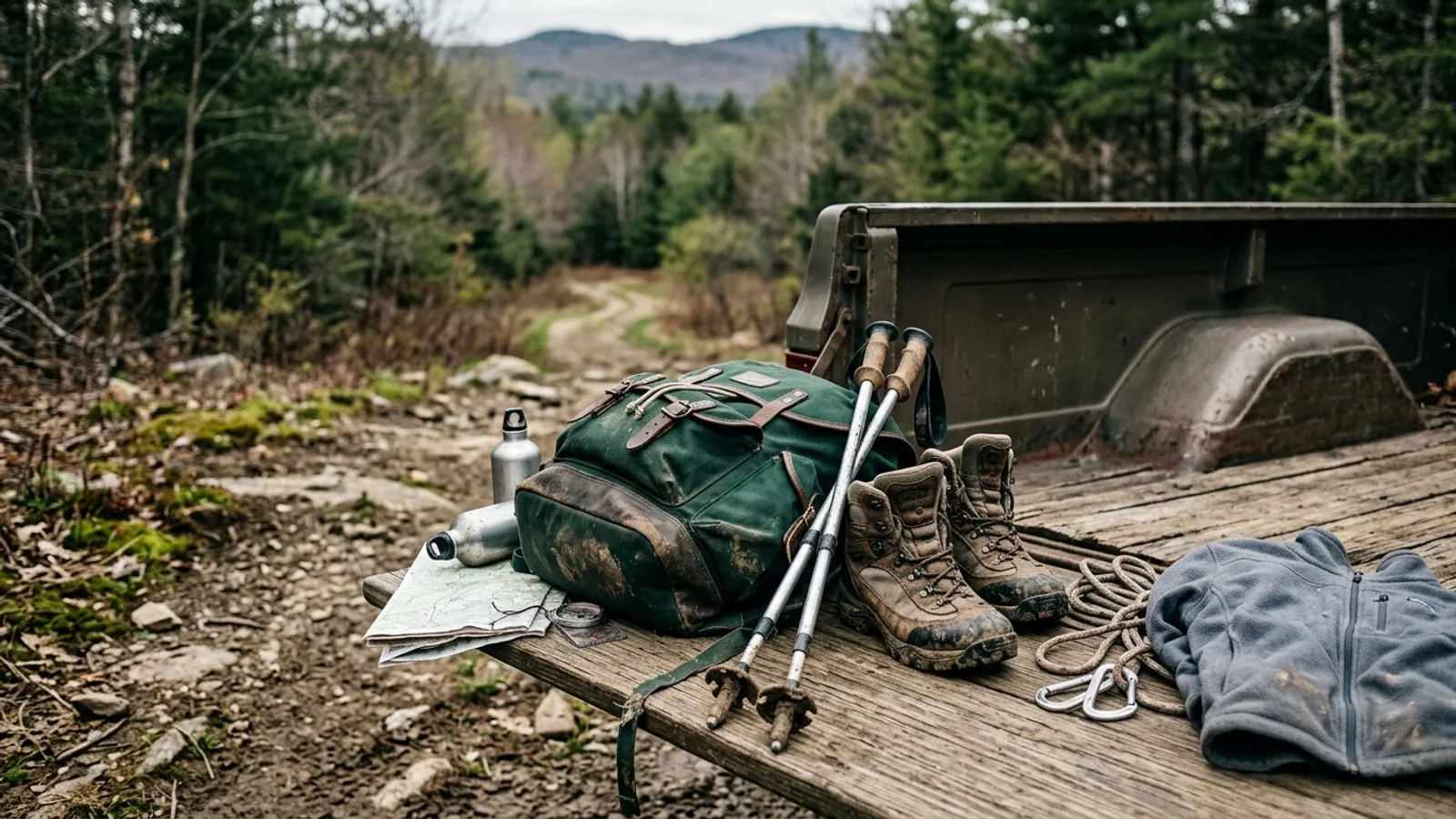
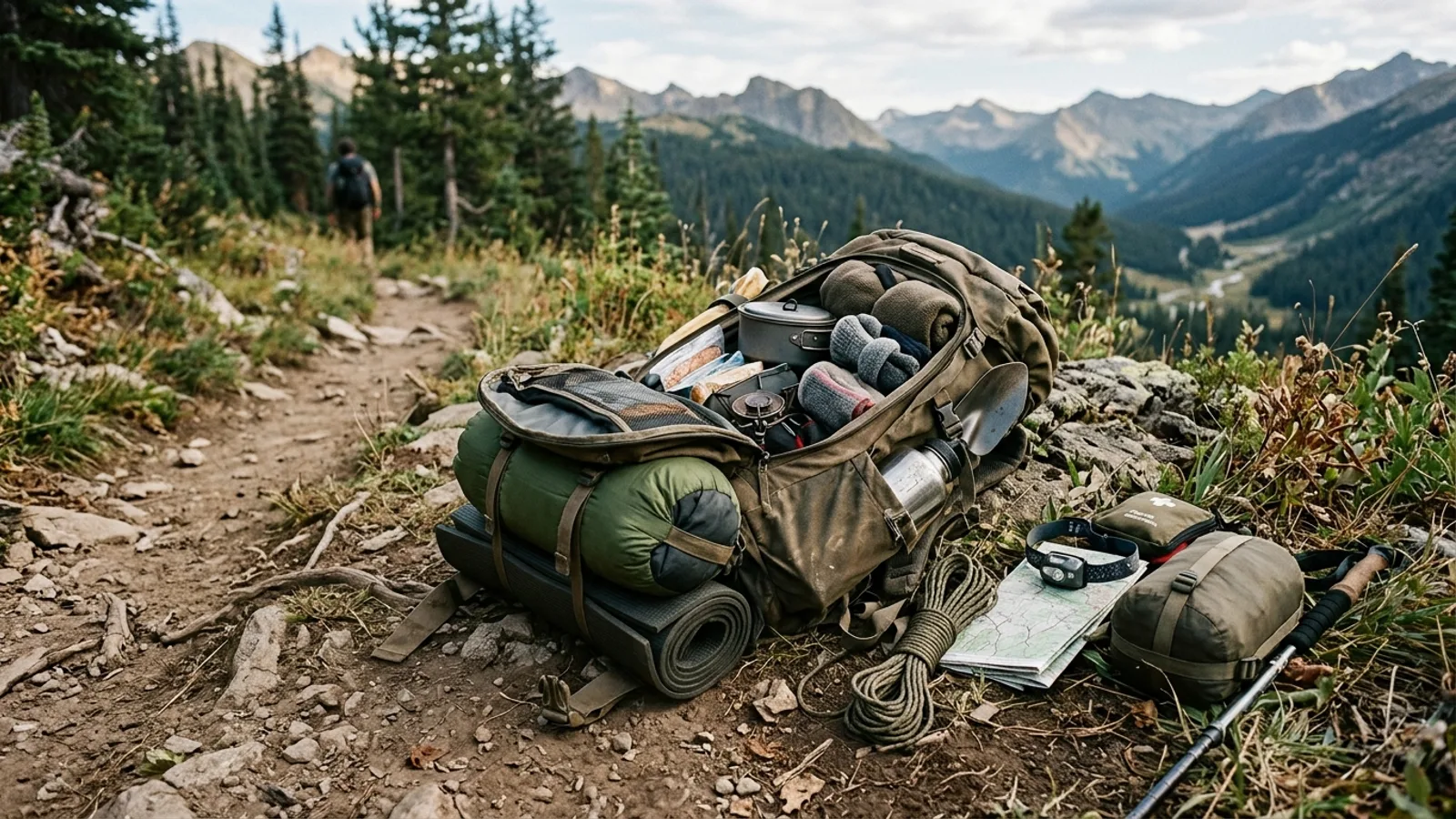
- Emergency supplies: extra food and water beyond what you expect to need, a flashlight or headlamp, a basic first-aid kit, and something to start a fire if you're in a climate where that matters.
- Appropriate clothing: closed-toe shoes, long pants, and layers suited to the weather, since you may end up outside the vehicle dealing with mud, brush, or repairs.
Check that everything works before you leave pavement, not after you need it.
Stay on Designated Trails
Leaving the marked route causes damage that can take years to recover, disturbs wildlife, and often crosses onto land where vehicles aren't permitted at all. It also increases your own risk, since unmarked ground hasn't been assessed for hazards like washouts, unstable soil, or hidden obstacles.
Follow trail markers and posted signage, and treat trail closures as final even if the closed route looks passable. Staying on-trail is one of the simplest things a driver can do to keep off-roading areas open to the public long-term.
Build Skills Over Time
Off-roading rewards experience more than equipment. Vehicle-specific owner communities and local clubs are useful for learning what to expect from your particular vehicle, getting feedback from people who've driven the same trails, and finding partners for future trips.
Guided or club-organized outings are especially useful early on, since you can watch experienced drivers choose lines through obstacles and ask questions in real time. Skills like reading terrain, choosing a line before committing to it, and knowing when to turn back all improve with repetition.
Vehicle Modifications: Proceed Carefully
Many stock vehicles are more capable off-road than new drivers expect, and modifications aren't necessary to get started. If you do consider changes later — larger tires or increased ground clearance are common examples — understand that each one can affect handling, braking distance, fuel economy, and how the vehicle behaves in an emergency.
Any modification should be matched to the terrain you actually plan to drive, not the most extreme terrain you can imagine. Oversized or mismatched modifications can make a vehicle harder to control rather than more capable.
Core Driving Technique
A few fundamentals apply across almost all off-road terrain:
- Hand position: keep thumbs outside the steering wheel rim rather than wrapped around spokes. On rough terrain, sudden wheel kickback can injure a thumb that's hooked through the wheel.
- Momentum and throttle control: smooth, steady throttle input works better than sudden acceleration or braking. Momentum helps in some conditions (sand, mud) and hurts in others (rock crawling, steep descents), so match your approach to the surface.
- Braking: brake before an obstacle or incline, not on it. Braking mid-obstacle can upset traction and cause a slide or stall on a slope.
- Differentials: understand whether your vehicle has a locking differential and how to engage it. Locking the differential sends power evenly to both wheels on an axle, which helps in low-traction situations but should generally be disengaged on higher-traction surfaces to avoid drivetrain strain.
Terrain-Specific Techniques
Water Crossings
Check depth and current before entering — walk it first if you can safely do so, or watch another vehicle cross. Enter slowly, maintain a steady low speed to create a small bow wave without flooding the engine bay, and never cross moving water that reaches above the wheel hubs unless you know the vehicle and crossing are rated for it.
Hill Climbing and Descending
Approach hills straight on rather than at an angle, which reduces the risk of rolling. Maintain steady momentum going up; if you lose traction and start to slide backward, keep wheels straight and ease off the throttle rather than braking hard. On descents, use low gear and engine braking rather than riding the brakes, which can overheat and fail.
Dust
Leave extra following distance in dusty conditions, since visibility can drop to near zero without warning. Turn on headlights so other drivers can see you, and pull over rather than driving blind if dust becomes too thick.
Mud
Keep momentum steady and avoid spinning wheels, which digs you in deeper. If you start to bog down, easing off the throttle is often more effective than flooring it. Lower tire pressure can help distribute weight and improve traction in soft mud.
Sand
Lower tire pressure to increase the tire's footprint. Keep speed steady and avoid sudden steering or braking inputs, which can cause the vehicle to dig in or fishtail. Momentum is your friend in sand — slowing down too much on a soft stretch is often what gets vehicles stuck.
Putting It Together
New off-roaders do best by going with others, choosing trails that match their current skill rather than their ambitions, carrying gear that covers realistic emergencies, and building technique gradually on progressively harder terrain. None of this requires expensive modifications — it requires attention, patience, and respect for both the trail and the vehicle.