A Beginner's Guide to Hiking: How to Start and Stay Safe on the Trail
What Counts as Hiking
Hiking is simply walking on natural terrain, usually on a marked trail, for longer than a casual walk and often with some elevation change. It ranges from flat, paved nature paths to steep mountain routes. Beginners benefit most from starting on trails built for a wide range of skill levels: clearly marked, well-maintained, and short enough to finish comfortably in a few hours.
Choosing Your First Trail
Trail difficulty is usually described by a combination of distance, elevation gain, and terrain. For a first hike, look for a route marked easy, with modest elevation gain and a well-defined, well-trodden path rather than loose rock or exposed ridgeline.
Distance matters more than it seems. A flat trail feels very different from one with steady climbing, even at the same length. Start shorter than you think you need to, and treat your first few outings as a way to calibrate your own pace and comfort level.
Many parks and public lands maintain trail listings with difficulty ratings, mileage, and elevation profiles. Ranger stations, visitor centers, and park websites are reliable places to check current trail conditions, closures, and water availability before you go.
What to Pack
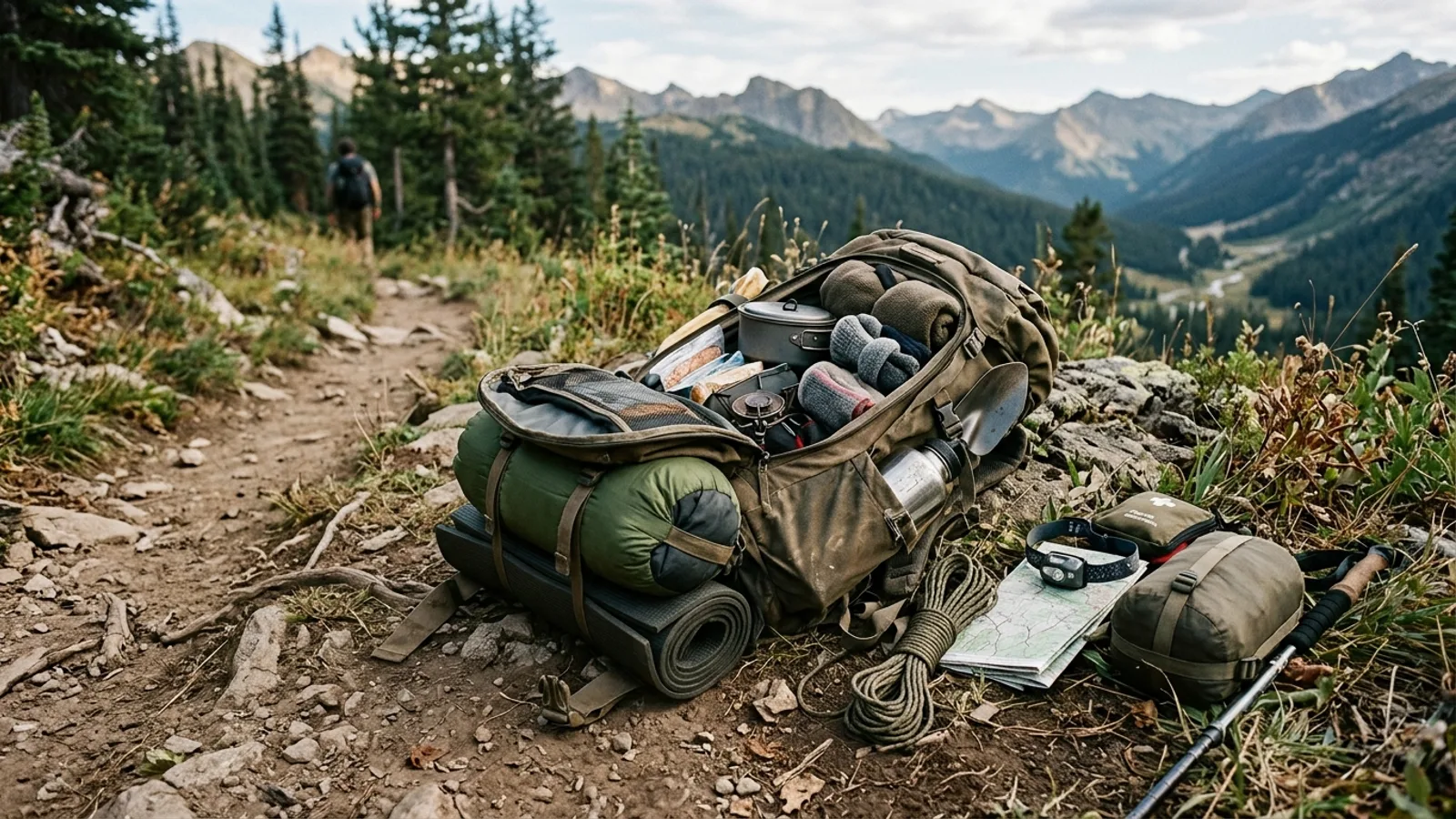
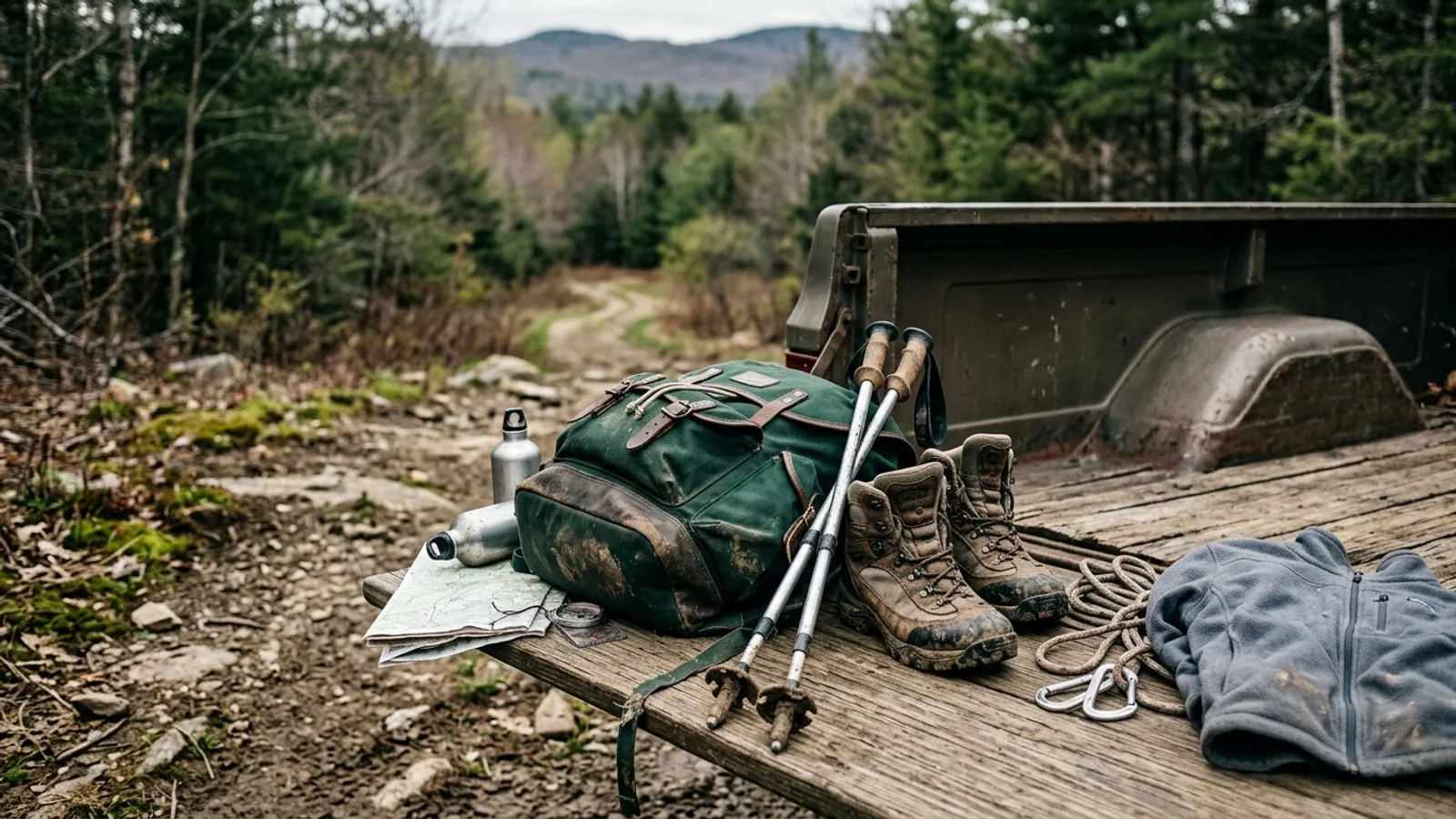
A basic hiking kit covers movement, protection from the elements, hydration, food, and navigation. A reasonable starting list:
- Sturdy, broken-in footwear with good traction
- Moisture-wicking clothing, with a layer for warmth and a layer for wind or rain
- Sun protection: hat, sunglasses, sunscreen
- A backpack sized for the trip, with a rain cover if needed
- More water than you expect to drink, or a filter/purification method if refilling from natural sources
- Calorie-dense snacks and a meal for longer hikes
- A map of the area and a way to navigate that does not depend solely on a phone signal
- A small first aid kit
- A headlamp or flashlight, even for day hikes that might run long
Pack heavier items close to your back and centered in the pack, and distribute weight so the load feels balanced rather than pulling you backward or to one side.
Navigation Basics
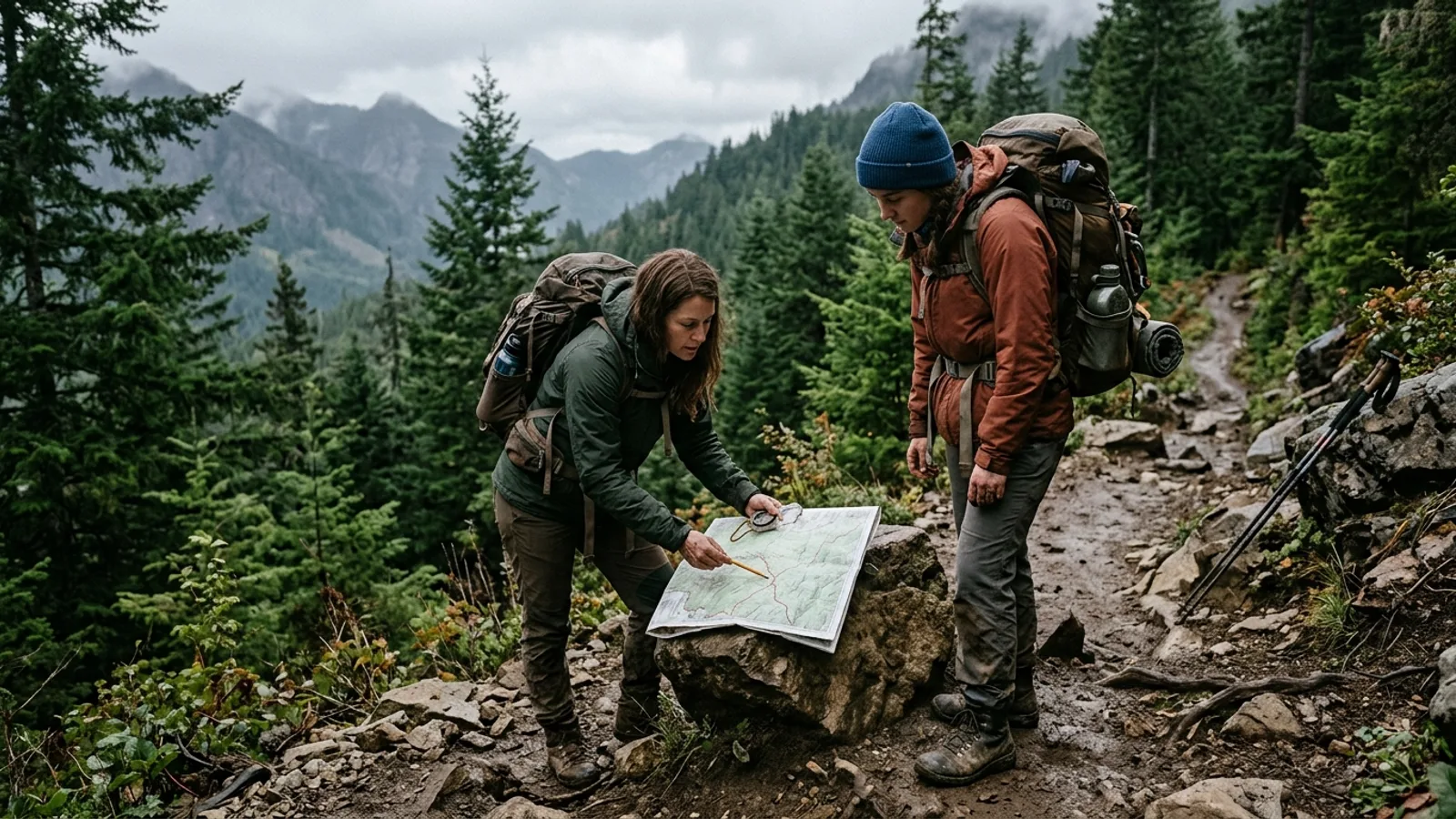
Before you start walking, look at the full route: trailhead location, major junctions, and where the trail ends or loops back. Note any landmarks you'll pass, so you have a way to check your progress.
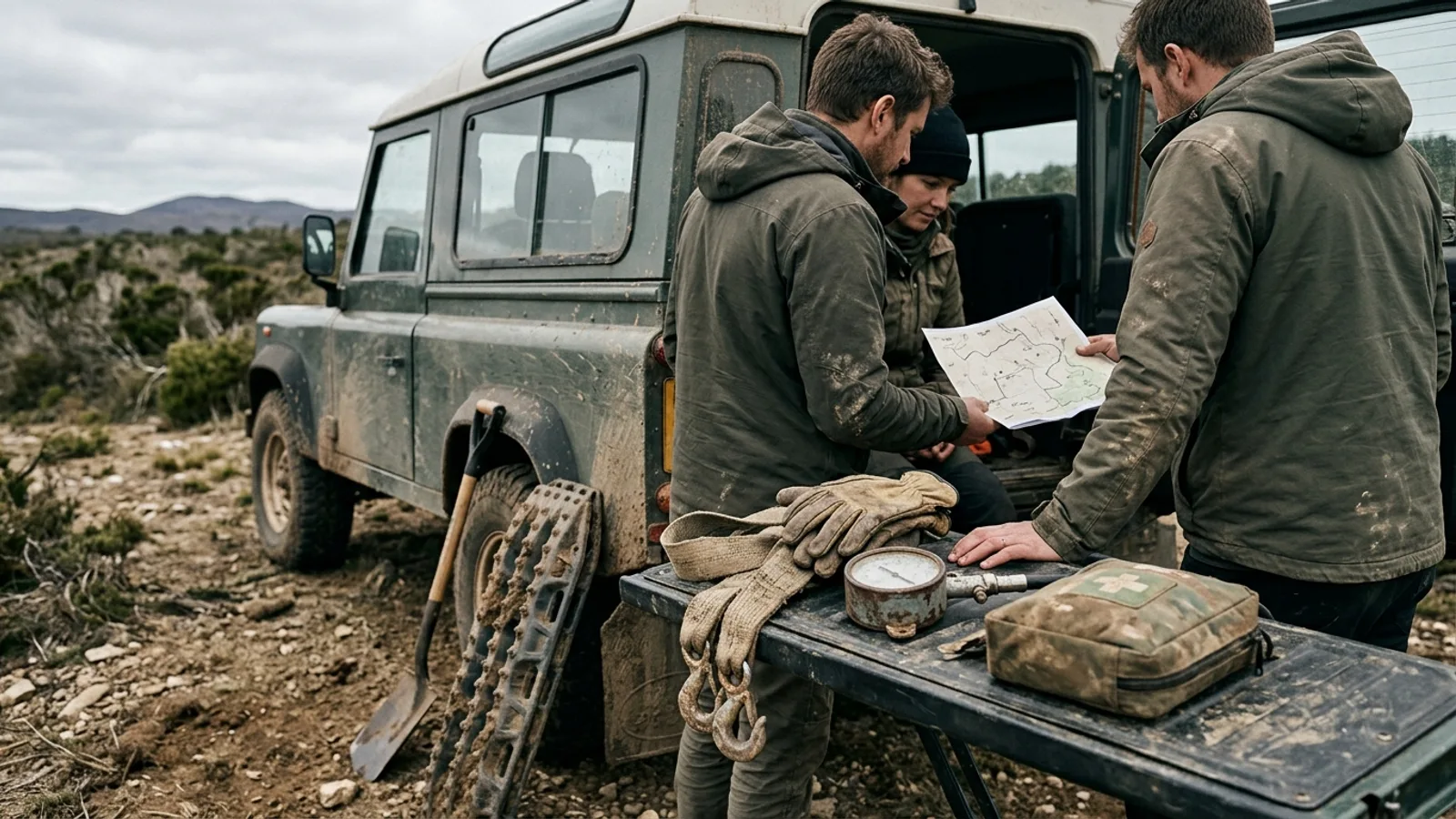
A downloaded offline map is a good backup to cell service, which is unreliable in most natural areas. A paper map and basic compass skills are worth learning even if you primarily rely on a phone or GPS device, since batteries fail and signal drops.
If you're ever unsure whether you're still on the trail, stop and backtrack to the last point you were certain of, rather than continuing forward on a guess.
Hydration and Food
Thirst is a late signal of dehydration, so drink steadily throughout the hike rather than waiting until you feel thirsty. Heat, elevation, and exertion all increase how much water you need.
Simple, energy-dense snacks eaten in small amounts throughout the hike tend to work better than one large meal. Salty snacks can help replace electrolytes lost through sweat on longer or hotter hikes.
Staying Safe on the Trail
Tell someone your planned route and expected return time before you leave, especially if you're hiking alone. This single habit is one of the most effective safety measures available to any hiker.
Stay on marked trails. Shortcuts and unofficial paths increase the risk of getting lost, damage vegetation, and often lead to worse terrain rather than better.
Check the weather forecast for the trail's specific location and elevation, not just the nearest town, since conditions can shift quickly at higher elevations. Turn back if weather deteriorates or if you're running behind schedule and daylight is limited.
If you encounter wildlife, keep your distance and do not approach or feed animals. Make noise on trails through dense brush or low visibility so animals have a chance to move away before you're close.
Know the basics of treating blisters, minor cuts, and sprains, and carry a first aid kit sized to your trip length. For anything beyond minor injuries, focus on getting to help rather than attempting to treat it yourself on the trail.
Leave No Trace
Responsible hiking keeps trails and natural areas in good condition for other visitors and for wildlife. A few core habits cover most situations:
- Pack out everything you bring in, including food scraps and tissue
- Stay on the designated trail, even when it's muddy or crowded
- Leave rocks, plants, and historical or natural features where you found them
- Keep a safe distance from wildlife and never feed animals
- If you build a fire, only do so where permitted, and fully extinguish it before leaving
Why Hiking Is Worth Doing
Regular walking on varied terrain builds cardiovascular fitness, strengthens legs and core, and improves balance over time. Because hiking is low-impact compared to many forms of exercise, it's accessible to a wide range of fitness levels and ages.
Time outdoors is also associated with reduced stress and improved mood, and the combination of physical activity and natural surroundings tends to reinforce both benefits. Many hikers also value the mental reset that comes from being away from screens and routine for a few hours.
Building Up From Your First Hikes
Once a few short, easy hikes feel comfortable, gradually increase distance or elevation gain rather than jumping straight to a much harder trail. Paying attention to how your body responds — energy levels, joint comfort, recovery time — is a better guide than a fixed schedule.
If a hike feels harder than expected partway through, it's reasonable to turn around before reaching the planned endpoint. Finishing safely matters more than finishing the original plan.
Hiking with an experienced friend or joining a local guided group hike is a low-pressure way to learn pacing, trail etiquette, and navigation from people with more experience, before heading out fully on your own.
Handling Common Early Challenges
Pace yourself from the start rather than starting fast and slowing down later; a steady, sustainable pace usually gets you further with less fatigue. Short, regular breaks work better than pushing until you're exhausted.
Blisters are best addressed early: stop as soon as you feel a hot spot and cover it before it worsens, rather than waiting until it's already painful.
If you're hiking with others of different fitness levels, agree in advance on how to handle pacing differences, whether that means regrouping at set points or having the faster hikers wait periodically.