Planning Your Camping Trip: Styles, Timing, and Essential Gear
When to Go Camping
In most of the United States, camping is most comfortable from late spring through early fall, when nights are warmer and trails and roads are more likely to be clear. But this varies a lot by region. Desert parks are often best visited in cooler months, since summer heat can be dangerous, while high-elevation mountain areas may stay snowed in well into what feels like summer elsewhere. Coastal and southern areas can be enjoyable for camping across a much longer stretch of the year.
Rather than thinking in terms of a fixed "season," check conditions for the specific area you want to visit: expected temperatures, overnight lows, recent precipitation, and whether access roads or campgrounds are open. Park and forest websites typically post seasonal closures and opening dates, which is far more reliable than a general calendar guideline.
Choosing a Camping Style
Camping covers a range of experiences, and picking the right one shapes what you need to pack and how much planning you'll do.
Car Camping
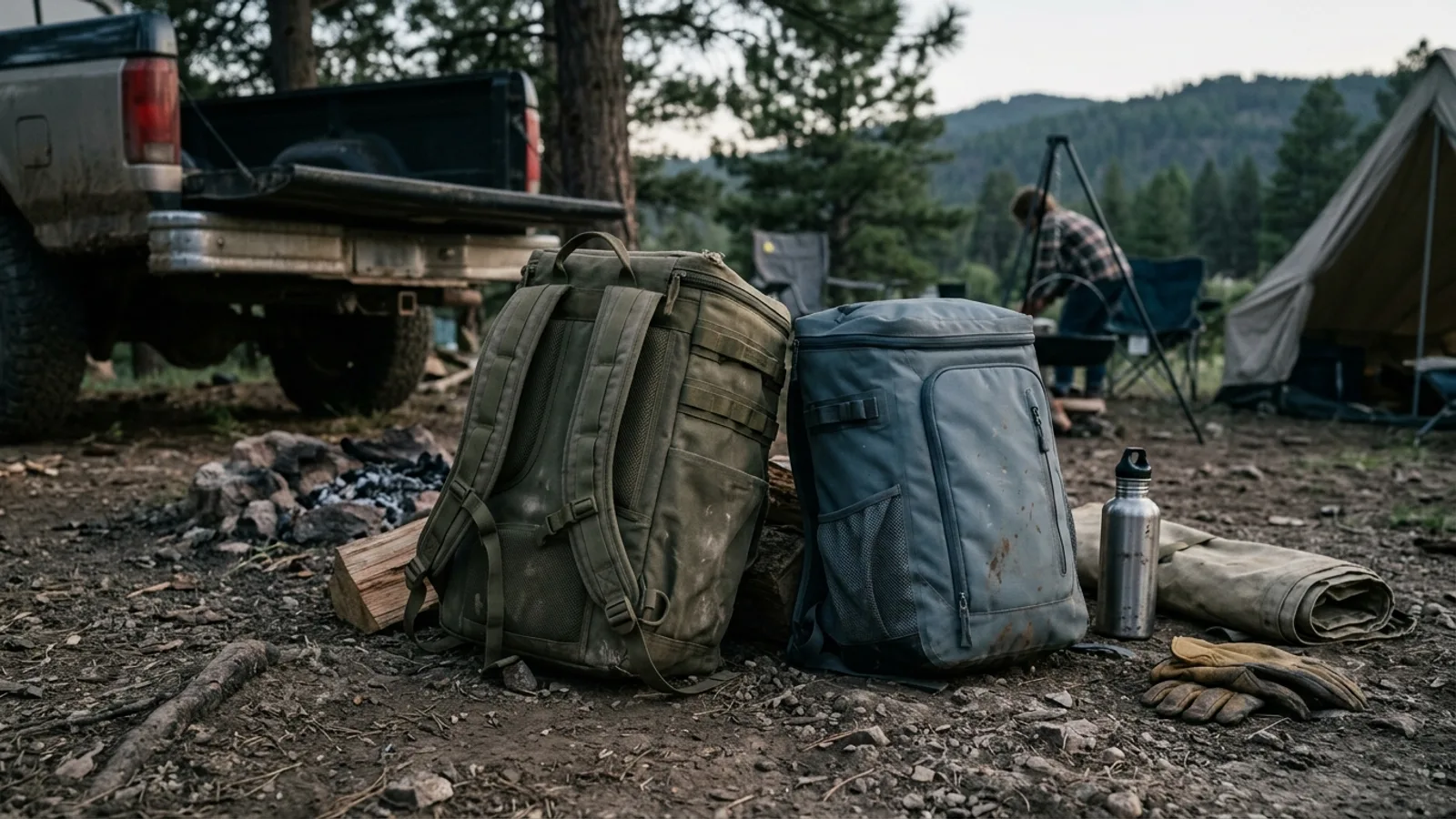
Car camping means driving to a site and setting up near your vehicle. It's the most accessible style, since you're not limited by what you can carry on your back. This makes it a good fit for families, first-timers, or anyone who wants a comfortable base for cooking real meals and sleeping well.
Backpacking
Backpacking means carrying your shelter, food, and gear on foot to a more remote site. It opens up quieter, less developed locations, but it demands lighter gear, some physical conditioning, and comfort with route-finding and self-sufficiency. First-time backpackers benefit from practicing with a loaded pack before committing to a longer trip.
Camper Vans and RVs
A camper van or small RV offers a middle ground: you get a bed, some kitchen setup, and shelter from weather, while still being able to move between locations easily. This suits travelers who want mobility without giving up basic comforts, though it requires comfort driving and parking a larger vehicle and generally costs more to arrange than tent camping.
Reserving a Campsite
Many popular campgrounds, especially in national and state parks, fill up well ahead of time during busy stretches of the year. Reserving in advance is the most reliable way to guarantee you'll have a spot, rather than arriving and hoping for a first-come, first-served opening.
When you reserve ahead, you can also be selective about location within a campground — near water, away from high-traffic areas, or with better shade or sun exposure depending on your preference. If you're set on a specific weekend or a busy destination, check the booking window for that agency or park, since reservation systems often open a fixed number of months in advance.
If you prefer flexibility or are traveling somewhere less trafficked, first-come, first-served sites and dispersed camping (where permitted) are worth knowing about as a backup plan.
Essential Gear
Shelter and Sleep
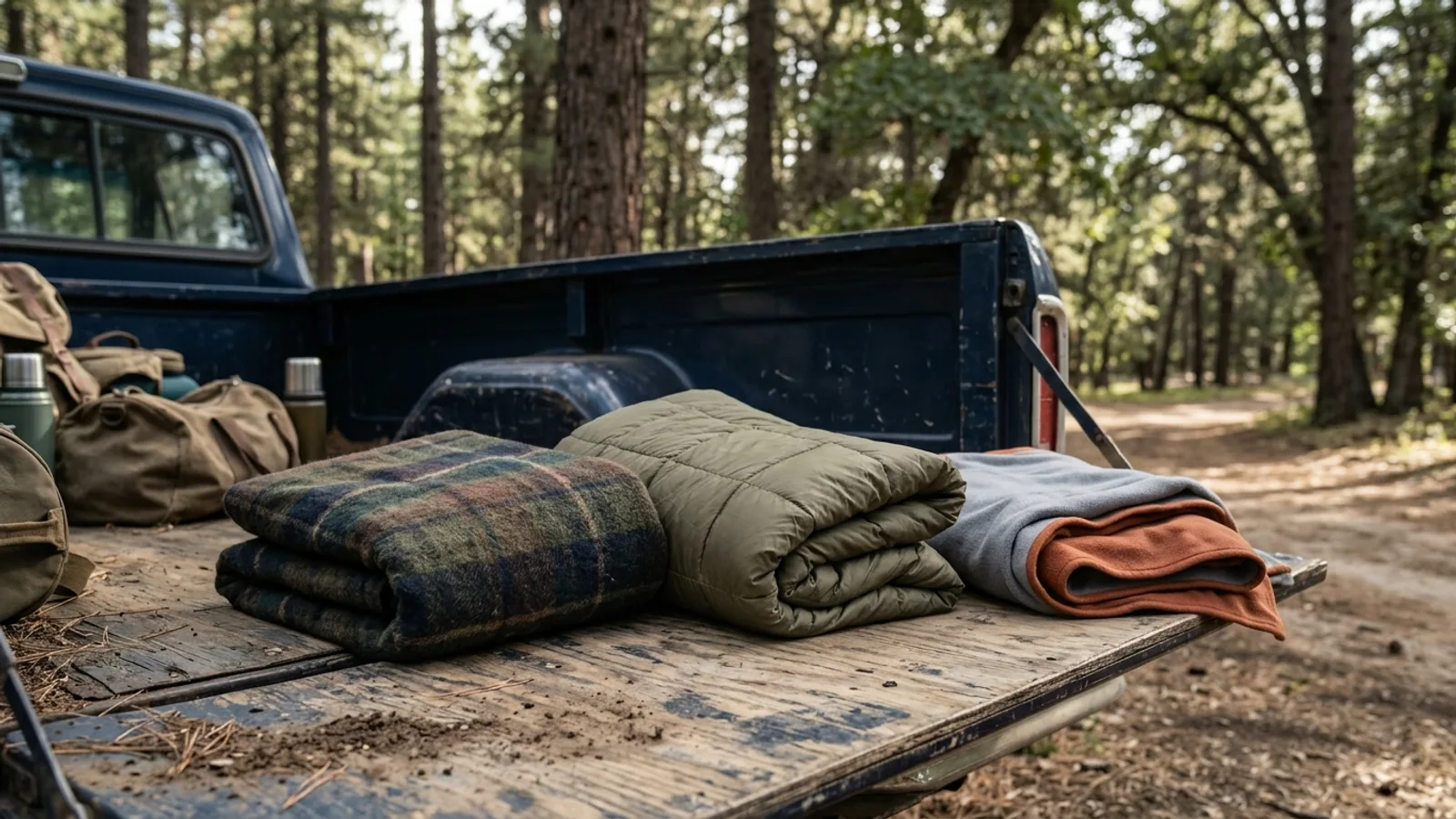
Choose a tent sized appropriately for your group, and consider that stated capacities often assume a tight fit with no extra room for gear. Check that your sleeping bag or quilt is rated for temperatures at or below what you expect overnight, since actual conditions are often colder than daytime forecasts suggest. A sleeping pad matters as much as the bag itself — it insulates you from the cold ground and affects comfort as much as warmth. Bring a headlamp or lantern for hands-free light after dark.
Cooking and Food
A portable camp stove is the most reliable way to cook regardless of fire restrictions, which can be imposed with little notice during dry conditions. Pack food that's easy to prepare and store, and use a cooler or insulated bag for anything perishable. In bear country, use proper food storage methods — a hard-sided bear canister or a park-provided storage locker — and never keep food in your tent. Carry more drinking water than you think you'll need, and know in advance whether your site has a reliable water source.
Safety and Comfort
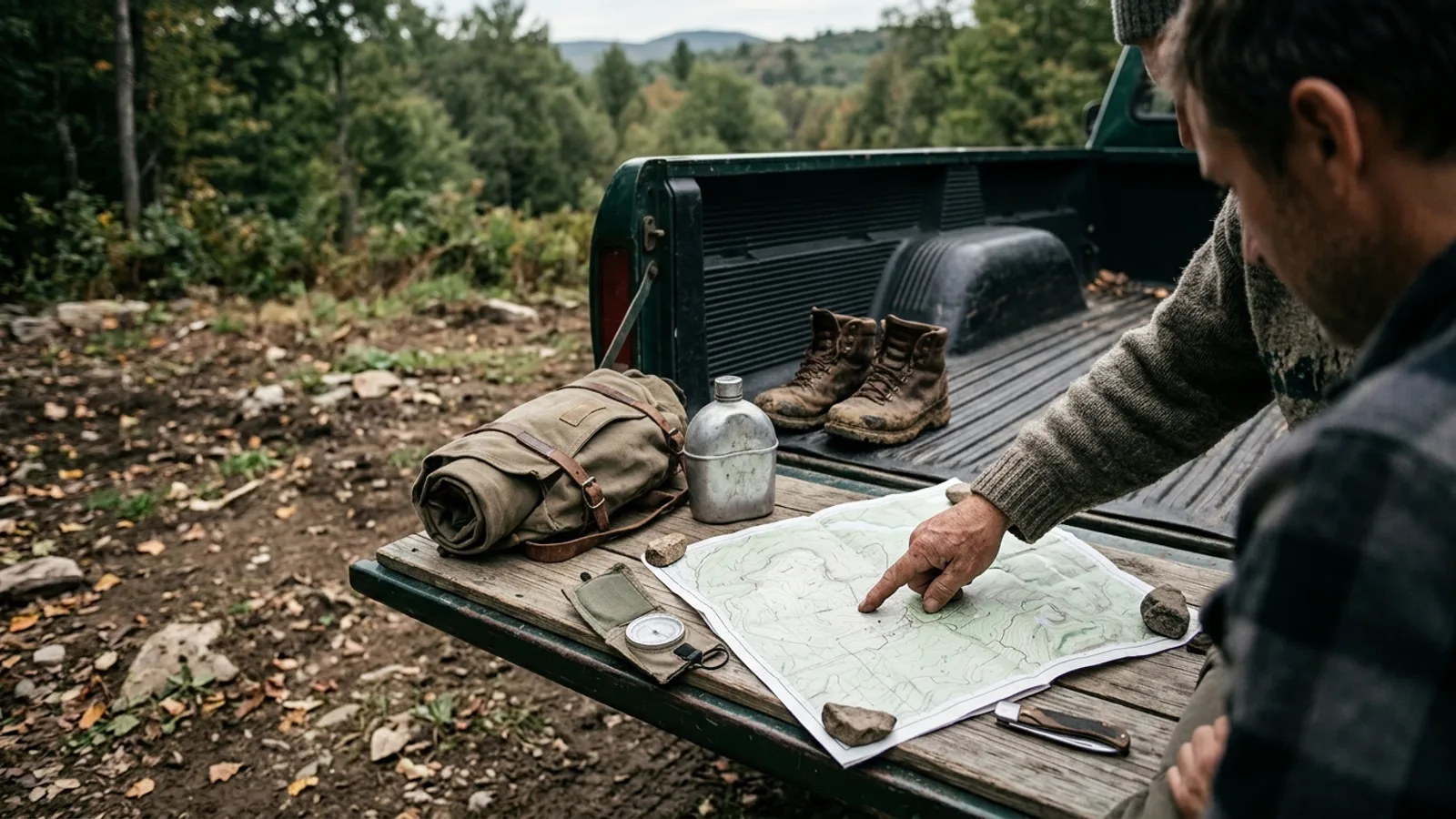
Pack a basic first aid kit with items for blisters, cuts, and minor injuries, and know how to use everything in it before you go. Insect repellent and sun protection make a real difference in comfort over a multi-day trip. A multi-tool or fixed-blade knife is useful for food prep, repairs, and general camp tasks. Carry a paper map or offline map on your phone, since cell service is unreliable in many camping areas — don't rely on a signal to find your way back.
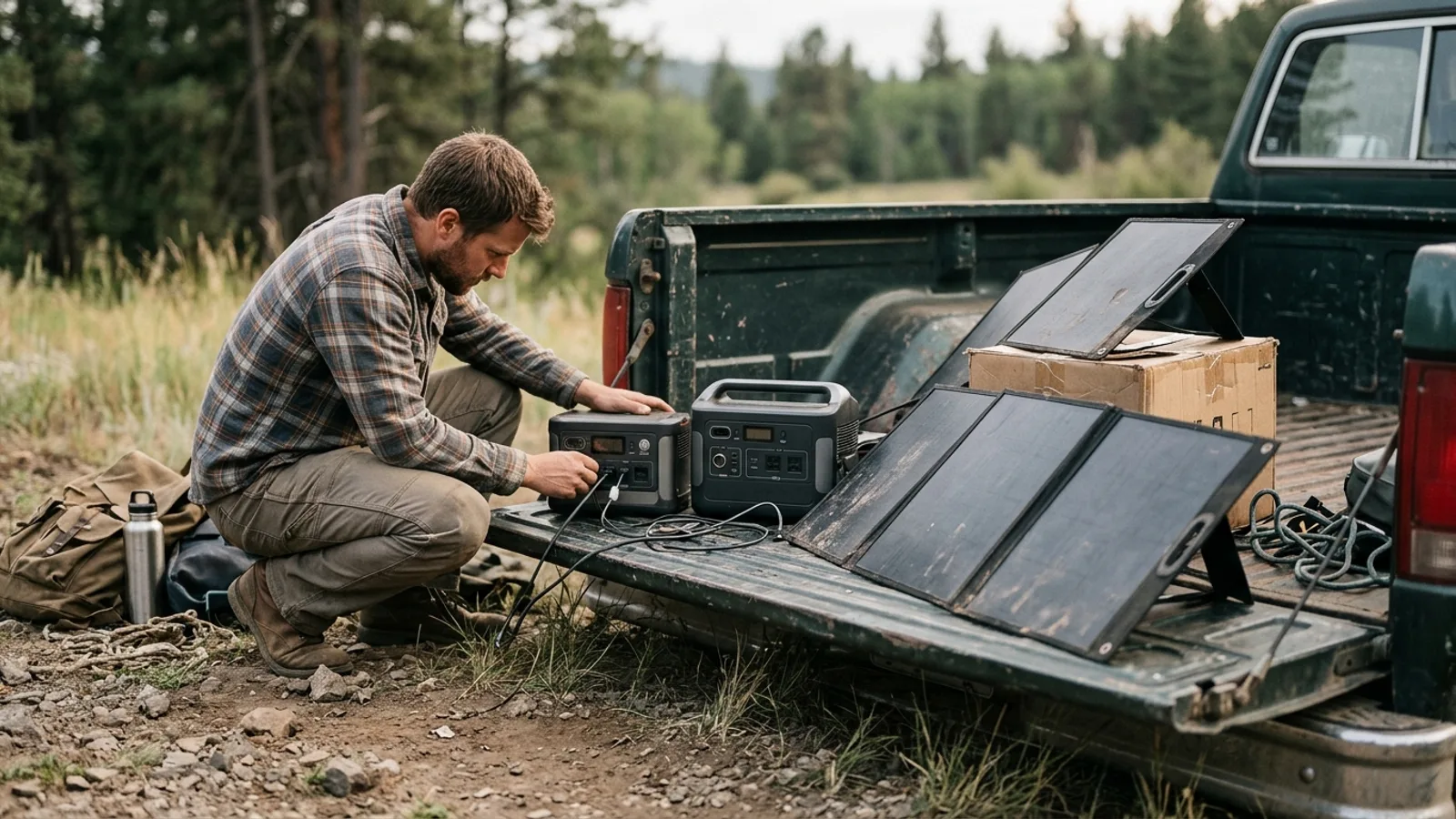
A portable power source, such as a battery pack, is worth carrying if you're relying on a phone for navigation, photos, or emergency communication, since outlets are rarely available at backcountry or remote sites.
A Few More Practical Tips
- Check permit requirements. Some parks and wilderness areas require permits for camping, campfires, or backcountry travel. Requirements and application windows vary widely, so check directly with the managing agency well before your trip.
- Plan your water strategy. If you'll be relying on a natural water source, bring a filter or purification tablets rather than assuming the water is safe to drink untreated.
- Practice with new gear at home first. Set up an unfamiliar tent or test a new stove before you're relying on it in the field.
- Tell someone your plans. Share your route and expected return time with someone not on the trip, especially for backcountry or solo trips.
- Respect local wildlife and fire rules. Store food properly, follow any current fire restrictions, and pack out all trash, including food scraps.
Bringing It All Together
A successful camping trip comes down to matching your gear and plans to the place and season you're visiting. Check conditions and rules specific to your destination, reserve ahead when demand is high, and pack for the temperatures and terrain you'll actually encounter rather than a generic checklist. With that groundwork done, the rest of the trip is about enjoying the outdoors.