What to Wear Glamping: A Practical Guide to Comfort and Style
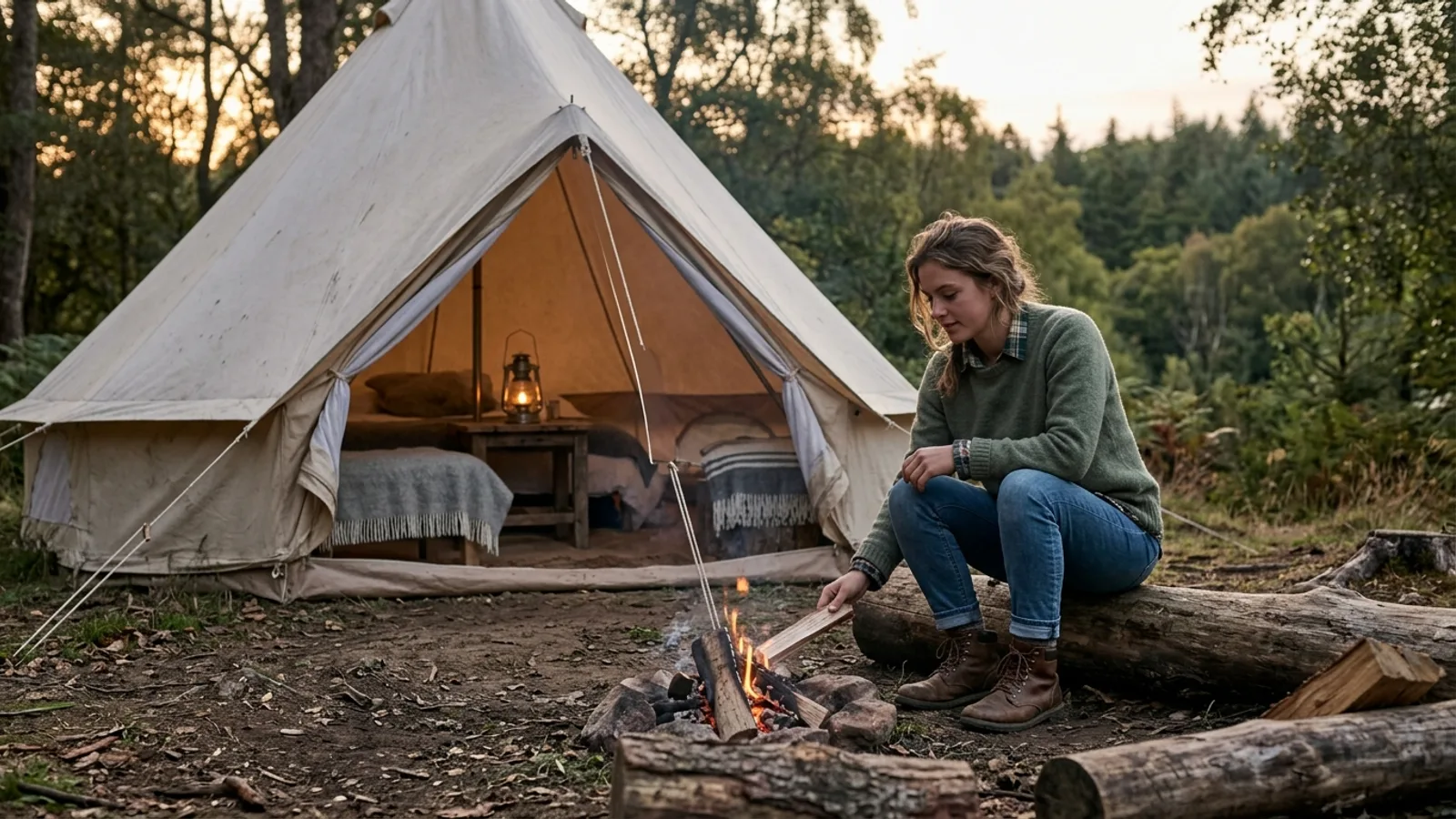
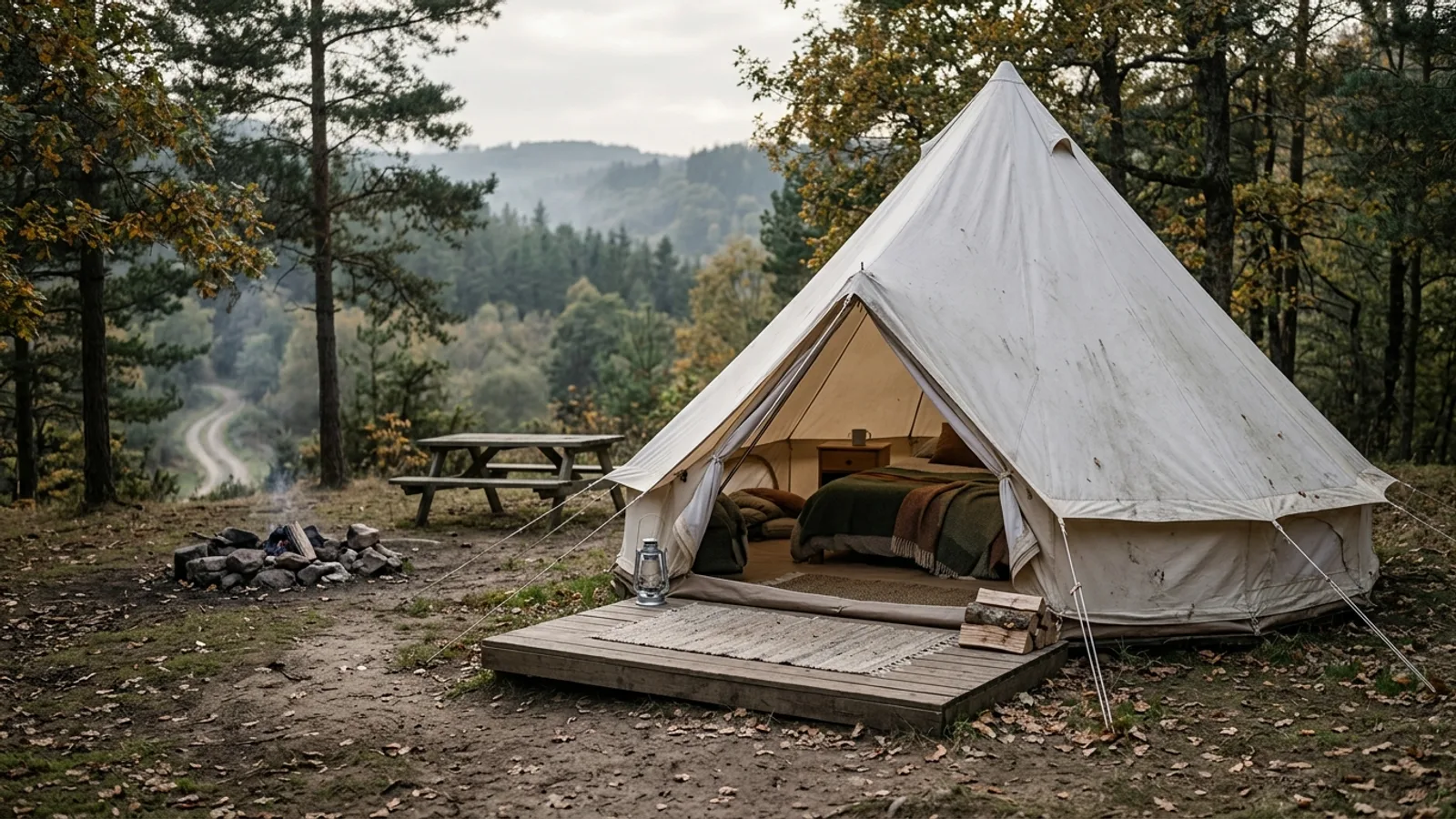
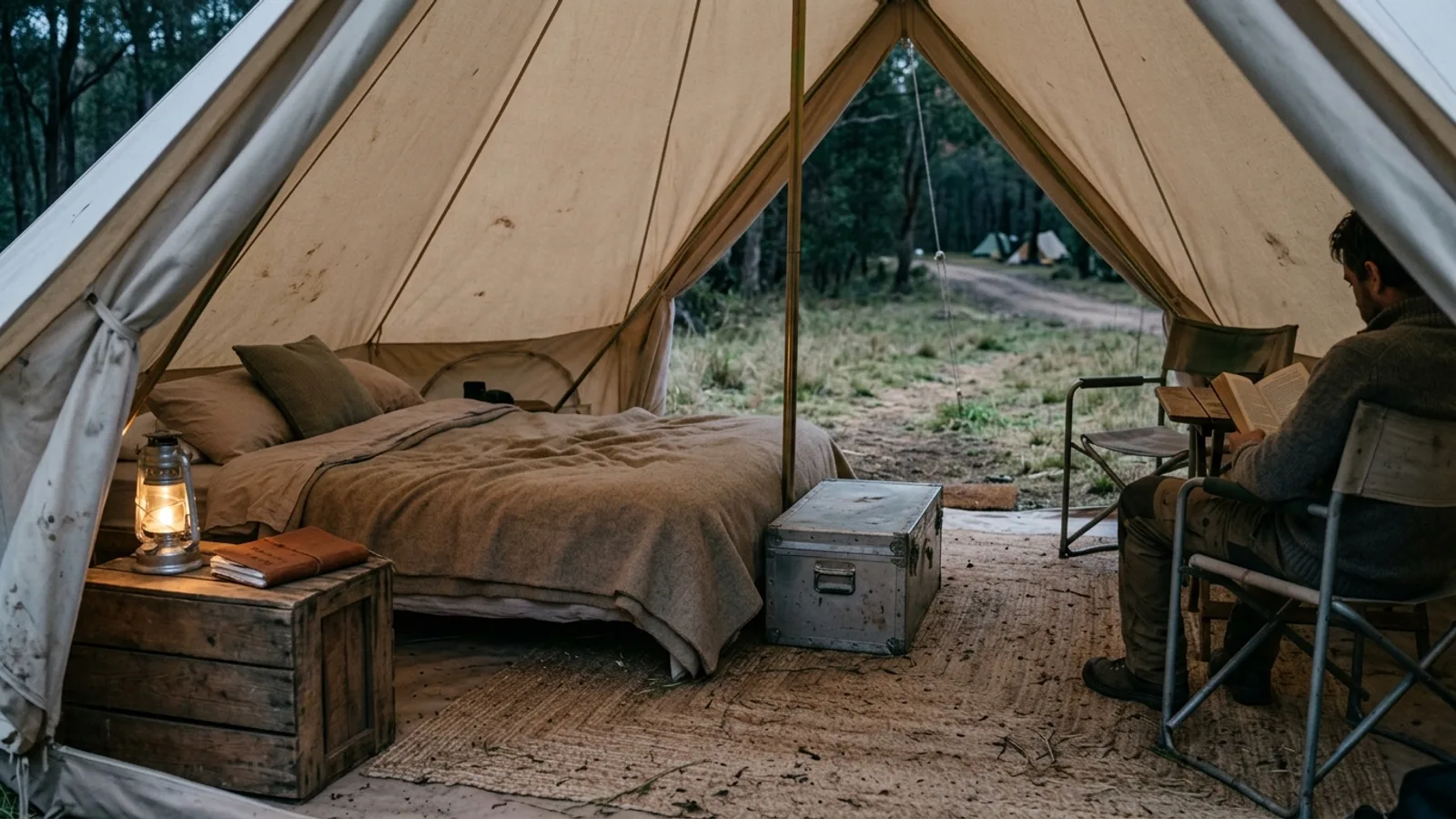
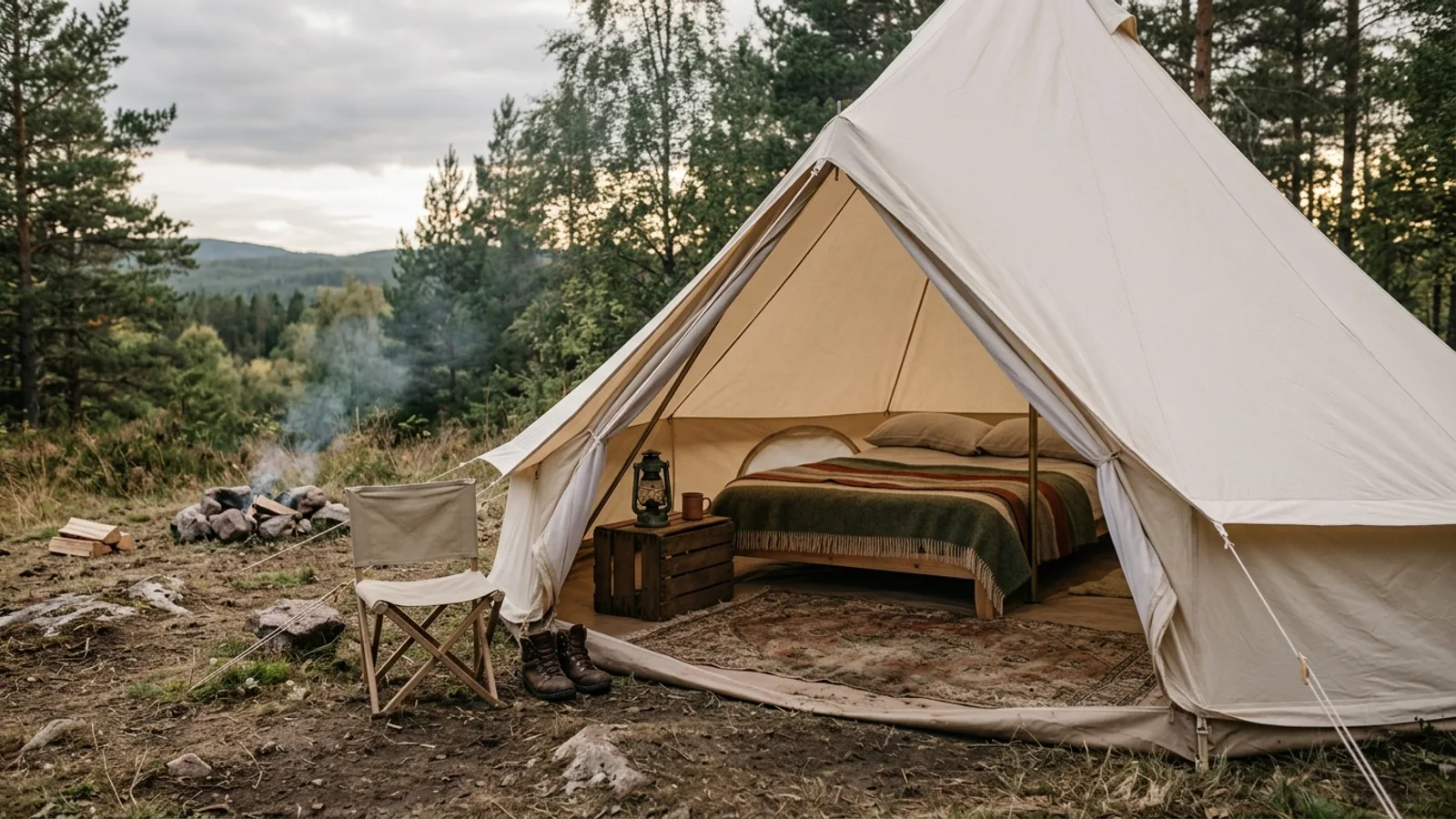
Glamping means you get to sleep in a real bed and often have access to electricity, heating, or a private bathroom, but you're still outdoors and still subject to weather, dirt paths, and bugs. The best glamping wardrobe splits the difference: clothing that looks put-together but can handle a walk to the fire pit, a dusty trail, or a sudden temperature drop.
Start With Layers, Not Outfits
Rather than planning single outfits, think in layers you can add or remove as the day changes. A typical system has three parts:
- Base layer: a moisture-wicking shirt or long-sleeve top that keeps sweat off your skin. Natural fibers like merino wool or synthetic blends both work well; cotton is fine in dry heat but stays damp once it gets wet.
- Mid layer: a fleece, sweater, or light insulated jacket for warmth once the sun goes down.
- Outer layer: a wind- or water-resistant jacket that can go over everything else if it rains or gets windy.
This approach works for any style of dress. A flowy dress or button-down shirt can still be paired with a packable jacket and closed-toe shoes for evening.
Choosing Fabrics That Hold Up Outdoors
Natural linen and cotton breathe well in heat but wrinkle and take a long time to dry if they get wet or damp with dew. Synthetic and wool-blend fabrics resist wrinkling, dry faster, and tend to pack smaller, which matters if you're bringing a week's worth of clothes into a tent or cabin. For pants, look for a fabric with a bit of stretch, since it holds up better to sitting on ground, benches, or uneven furniture.
Footwear: One Practical Pair, One Comfortable Pair
Most glamping trips go smoothly with two pairs of shoes:
- A closed-toe shoe with real traction — a trail shoe, boot, or sturdy sneaker — for walking to bathrooms, trailheads, or common areas after dark or in wet grass. Closed shoes also protect against ticks, thorns, and uneven ground.
- A comfortable second pair for lounging — sandals, slip-ons, or lightweight sneakers. Choose ones you can slide on quickly, since you'll likely be putting them on and off often.
If your destination has water crossings, tide pools, or muddy trails, a pair of shoes you don't mind getting wet is worth packing separately from the pair you want to keep clean.
Accessories That Actually Earn Their Space
Every accessory you bring should do double duty between looking good and being useful:
- A wide-brimmed hat blocks sun on your face and neck and works for both hiking and sitting around camp.
- Sunglasses with real UV protection matter more than the frame style — check the label rather than assuming darker lenses mean more protection.
- A scarf or bandana can double as a neck warmer, a dust guard, or an emergency sun cover.
- A bag with a secure closure keeps your belongings dry and protected if you're near water or expect rain, and keeps small items from spilling out on uneven ground.
Dressing for the Setting
Mountain or Forest Settings
Expect a wider swing between daytime and nighttime temperatures than you'd get at lower elevations or near the coast. Pack for both a warm afternoon and a genuinely cold night, and always bring a layer that blocks wind, since exposed ridges and open campsites can feel much colder than the forecast suggests.
Coastal or Beach Settings
Humidity and salt air mean fabrics take longer to dry and metal accessories can tarnish faster. Loose, breathable clothing handles the heat better than tight synthetic fabrics, and a rash guard or light long sleeve can be more comfortable than repeated sunscreen application for a full day outside.
Desert Settings
Daytime sun exposure can be intense even when temperatures aren't extreme, so light-colored, loose-fitting, long-sleeved clothing often keeps you cooler than going sleeveless. Nights can drop sharply once the sun sets, so don't leave the warm layer behind just because the afternoon was hot.
General Packing Advice
Pack one warm layer and one rain layer no matter the forecast — weather in most outdoor settings changes faster than predicted. Favor clothing that can be mixed and rewrapped into multiple outfits rather than a single-use piece for each day. And keep at least one full change of clothes protected from moisture, in a dry bag or sealed pouch, in case anything else gets wet.