Glamping for Beginners: What to Know Before Your First Trip

What Glamping Actually Means
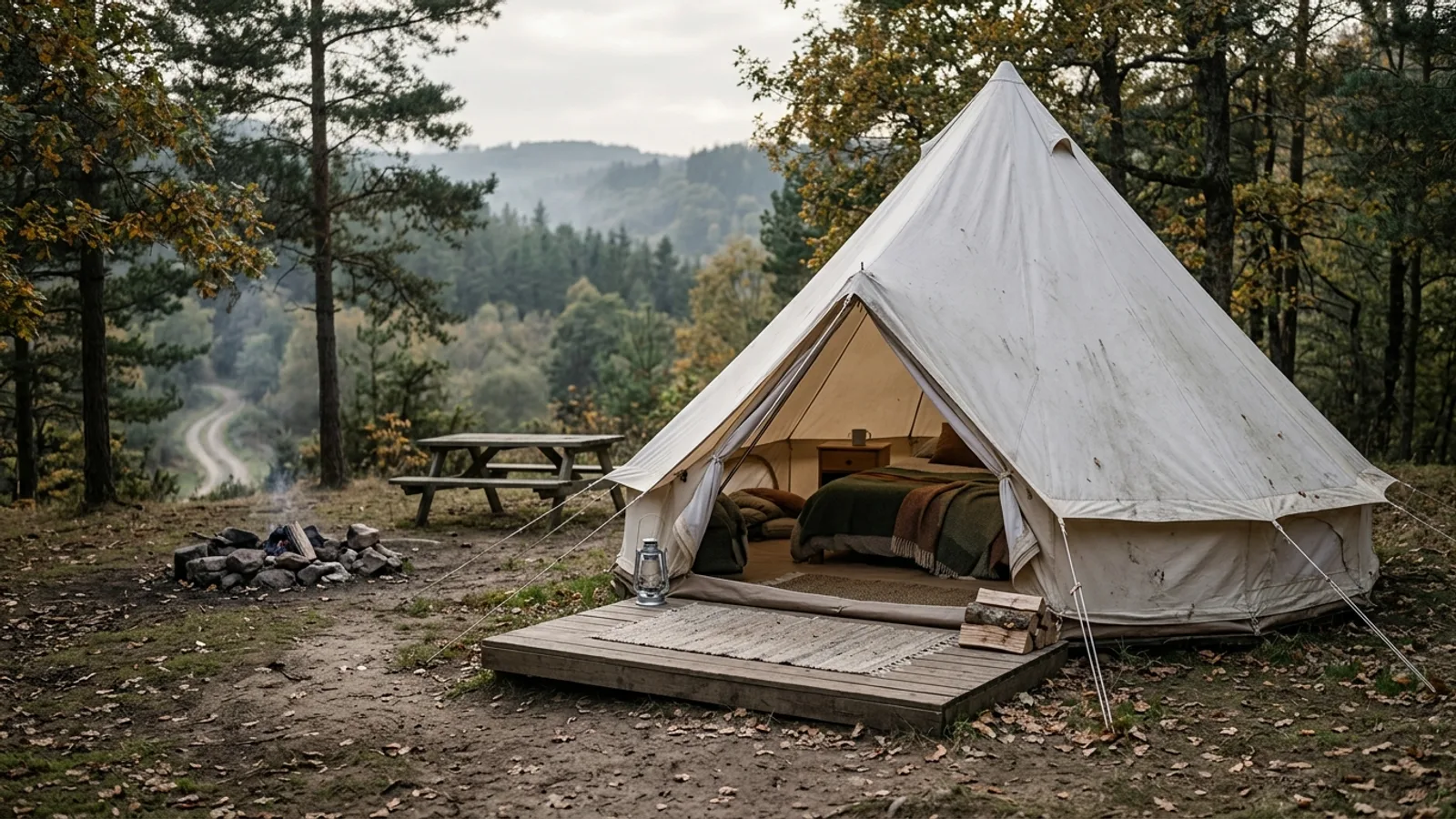
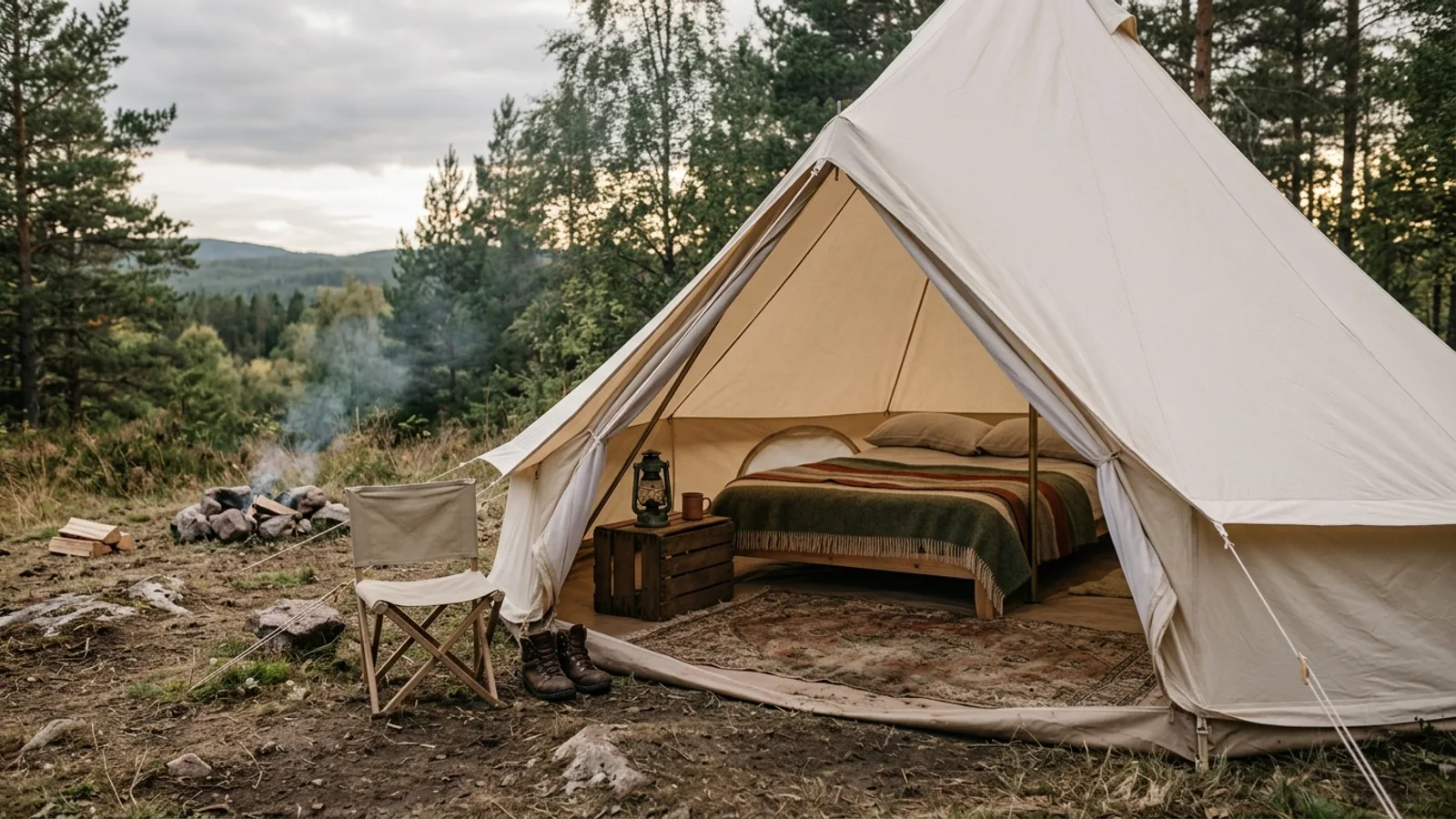
Glamping is camping with the rough edges sanded off. Instead of pitching your own tent and sleeping on the ground, you stay in a furnished structure — a canvas safari tent, a yurt, a cabin, or a small dome — that's already set up on site. Beds, linens, and sometimes electricity or heating are provided. You still get the setting: trees, quiet, stars, and trails outside your door, but without hauling gear or sleeping on a pad.
The experience varies a lot by property. Some sites are basically a comfortable tent with a real bed and a shared bathhouse nearby. Others include a private bathroom, a small kitchen area, and daily housekeeping. Knowing which kind of experience you're booking matters more than any gear list, so read the listing carefully before you go.
What to Expect On Site
Most glamping accommodations fall into a few common types:
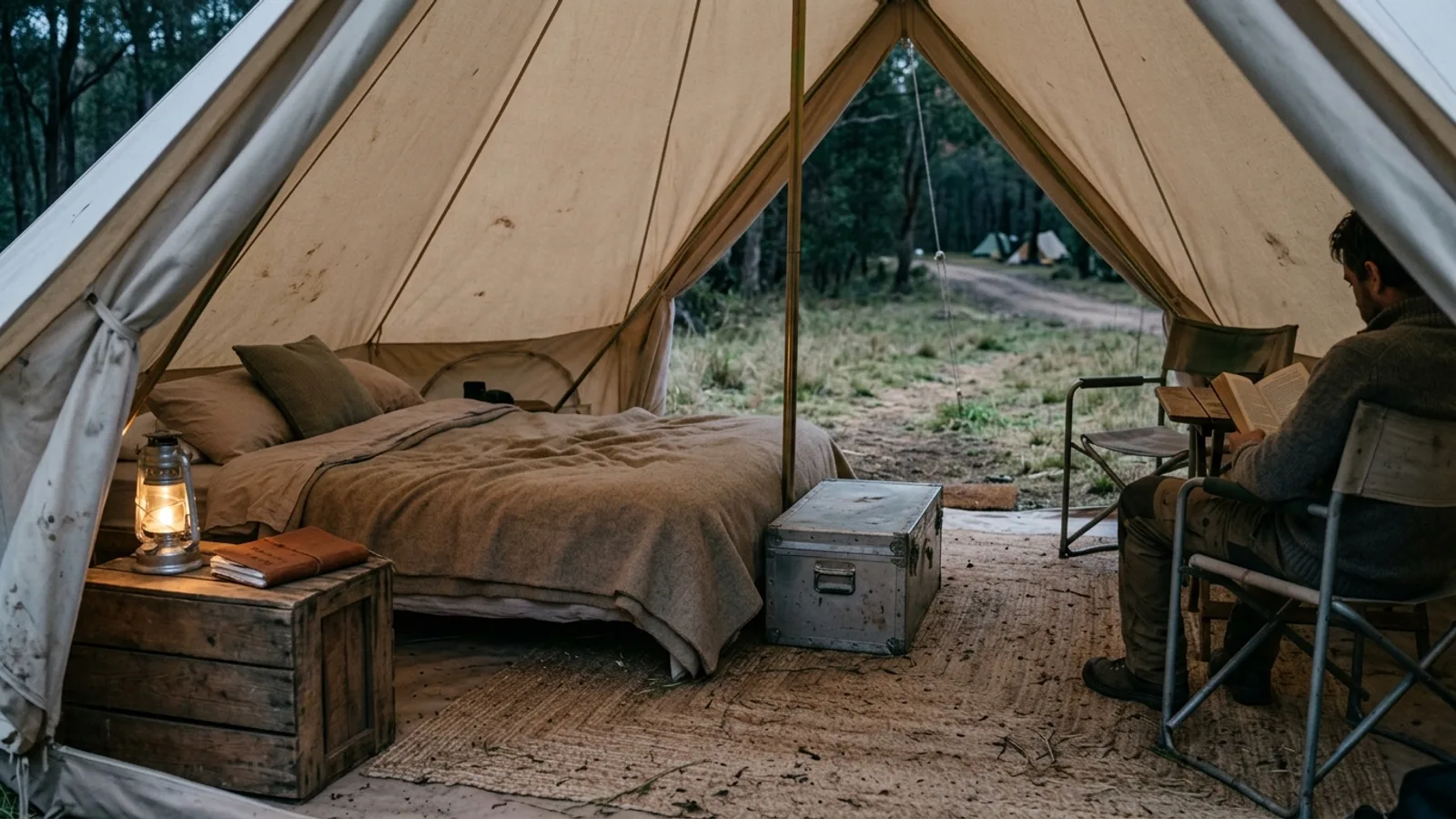
- Safari-style tents — canvas walls, a wood or raised floor, a real bed, and often a small seating area. Bathrooms may be private or shared depending on the site.
- Yurts — round, insulated structures that hold heat better than canvas and often have a stove or heater.
- Cabins and domes — more like a small hotel room, with solid walls, insulation, and sometimes a private bath.
Ask ahead about what's actually included: bedding, towels, a working heater or fan, electrical outlets, and whether the bathroom is private or a short walk away. Many glamping sites don't have cell signal, so download any maps or reservations you need before you arrive.
What to Pack
Because the big furniture is provided, your packing list is shorter than a traditional camping trip but still worth planning:
- Layered clothing — nights can be cold even when the structure has heat, and mornings are often damp.
- A headlamp or small flashlight for walking to shared bathrooms or firepits after dark.
- Closed-toe shoes for uneven ground, plus sandals or camp shoes for around the tent.
- A refillable water bottle; not every site has drinking water at each unit.
- Any food or snacks you want beyond what the site provides — check whether meals are included or if you're expected to bring your own.
- Basic toiletries, even if a bathroom is on site, since amenities are often minimal.
Leave the heavy gear — tents, sleeping pads, camp stoves — at home unless the listing specifically says you'll need it.
Choosing a Site as a First-Timer
For a first glamping trip, look for a site close enough to a town or ranger station that you're not managing every detail on your own. Read recent guest reviews for specifics on noise, bathroom access, and how well the heating or cooling actually works in different seasons. If the site is inside or near a park, check the park's own rules on fires, quiet hours, and wildlife, since those apply regardless of how comfortable your tent is.
Shoulder seasons — early fall or late spring in most regions — tend to offer milder weather and fewer crowds than peak summer weekends, which makes the whole experience feel less rushed for a first try.
Fire, Food, and Wildlife Basics
Even in a furnished tent, you're still outdoors, and the same outdoor rules apply. Store food in the containers or lockers provided, especially in areas with bears or other wildlife that are drawn to easy meals. Only use firepits or grills in designated spots, and make sure any fire is fully out before you leave it or go to sleep. Check for local fire restrictions before assuming a campfire is allowed, since rules change with drought conditions and season.
Making the Most of It
Glamping works best when you treat it as a chance to spend unhurried time outside, not as a substitute for a hotel. Plan at least one activity — a hike, a paddle, stargazing, or just sitting by a fire — that gets you out of the tent and into the setting you paid to be near. Bring a book or cards for downtime, since many sites intentionally have limited Wi-Fi or none at all.
If you enjoy the trip, it's a good way to test whether traditional tent camping might suit you next time, since you'll already know what parts of sleeping outside you liked and which comforts you'd want to bring along.