How Much Does Glamping Cost? A Practical Guide to Pricing
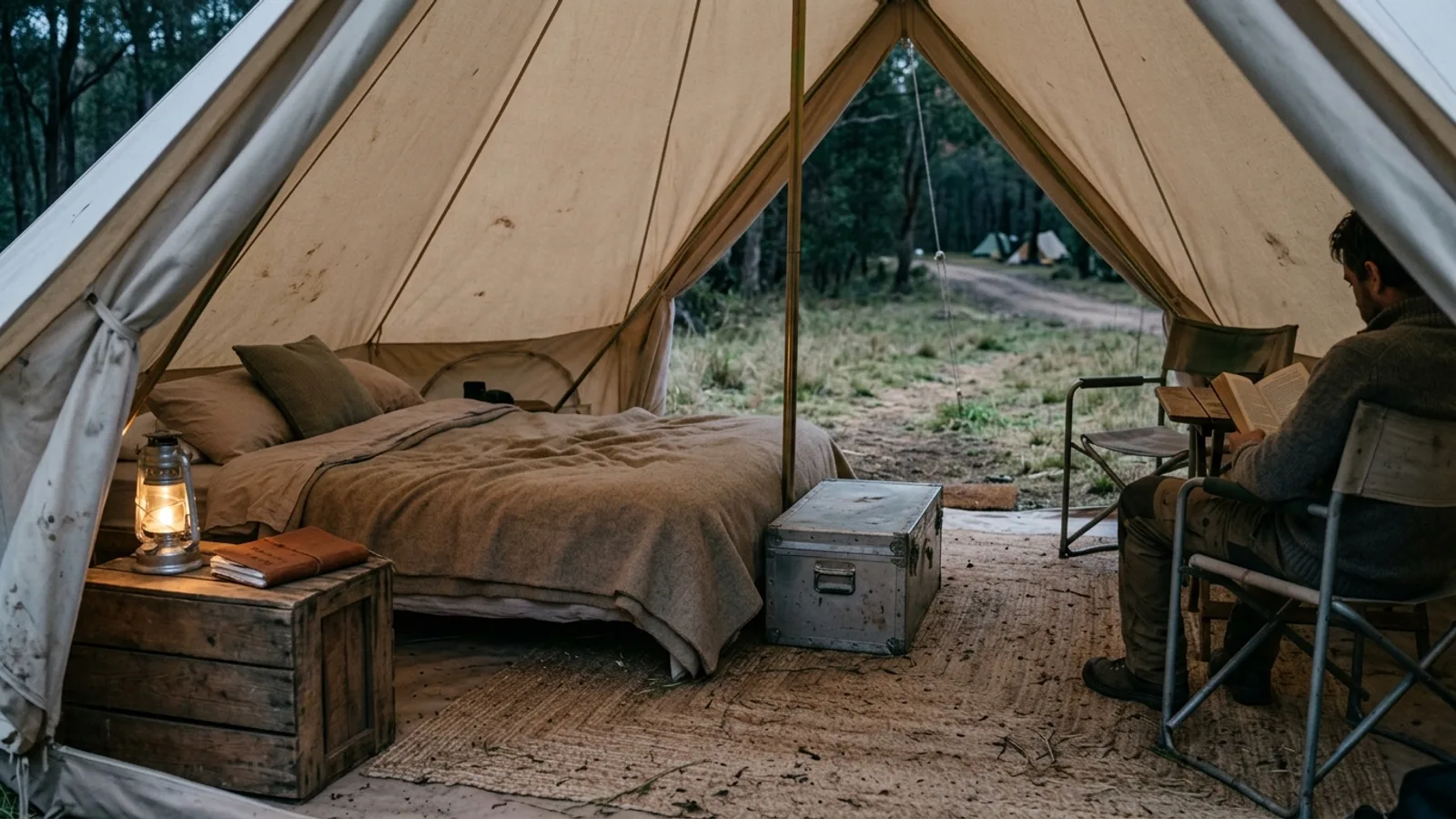
Glamping prices span a wide range, from a simple canvas tent with a real bed to a fully staffed camp with private dining. Understanding what drives that range makes it easier to find a stay that matches what you actually want, rather than paying for extras you won't use.
What Drives the Price
A few core factors explain most of the price difference between glamping stays.
Accommodation Type
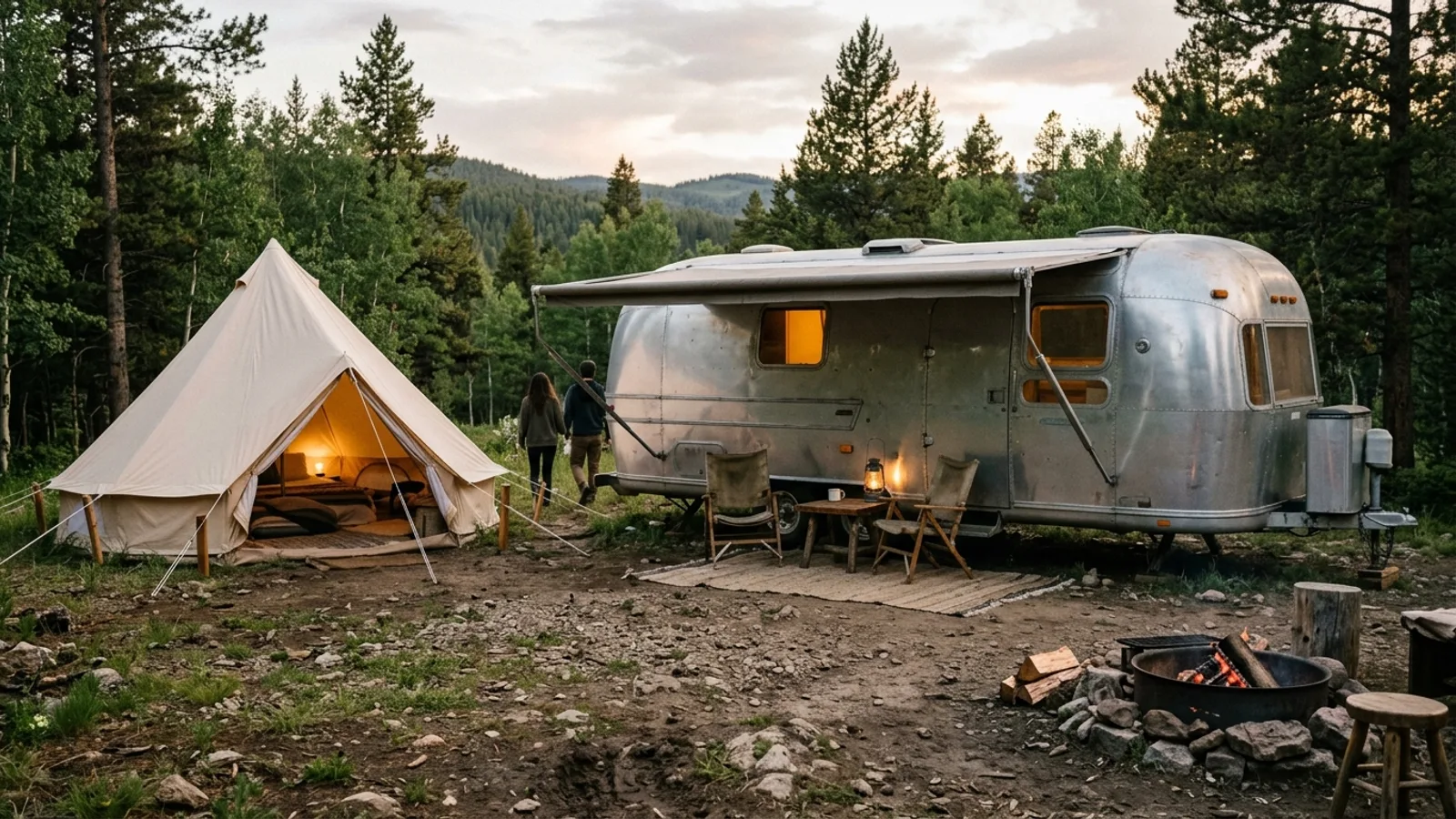
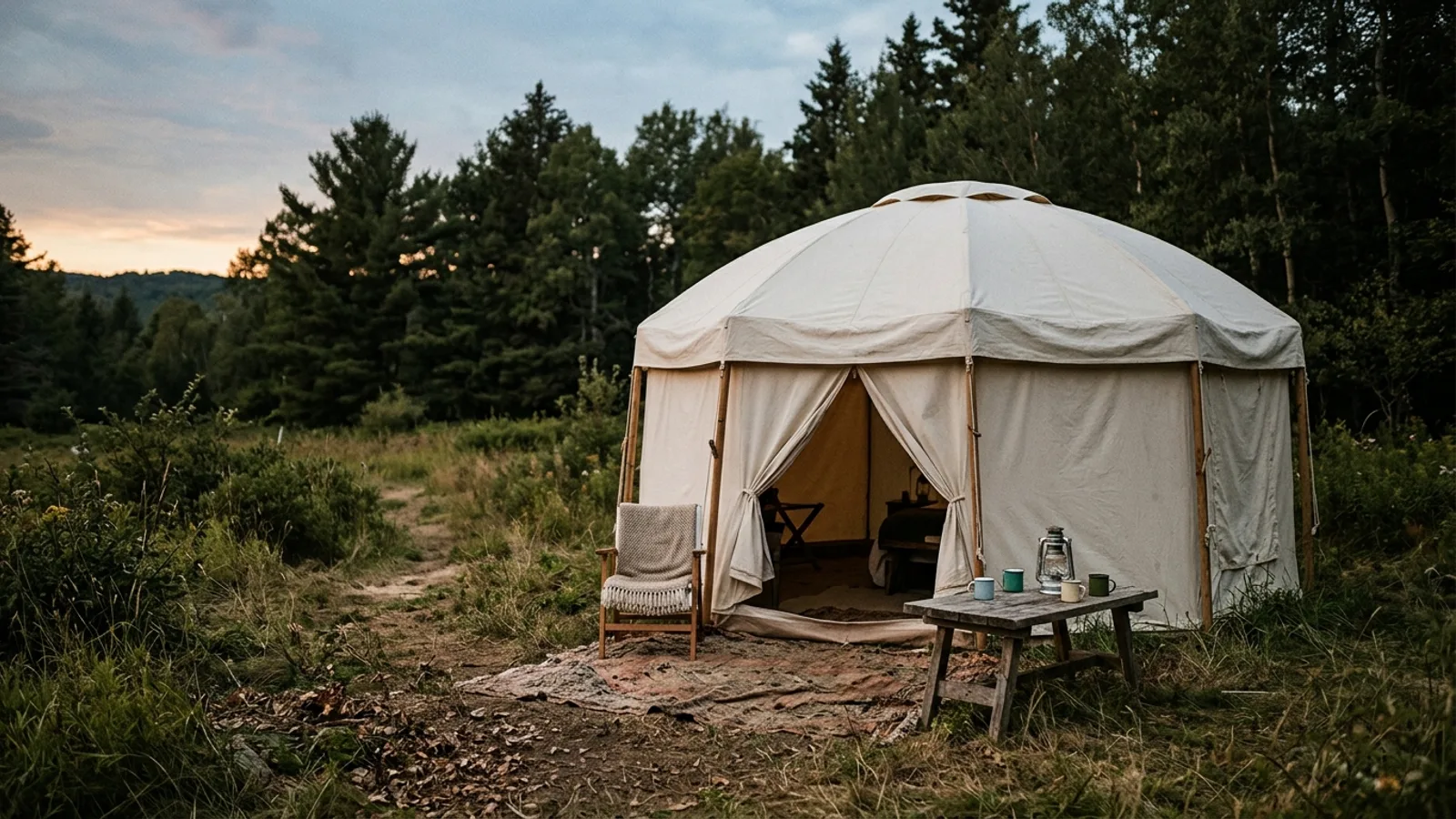
A canvas safari tent with a cot and shared bathhouse costs far less than a freestanding yurt, cabin, or treehouse with a private bathroom and climate control. The more the structure resembles a hotel room, the more it tends to cost. Platform tents with shared facilities sit at the affordable end; fully plumbed cabins and elevated dwellings sit at the higher end.
Amenities and Services
Basic stays usually include the structure, bedding, and access to a shared bathroom or fire pit. Higher-priced stays often bundle in prepared meals, housekeeping, guided activities, or spa services. These add-ons can be convenient, but they're also the easiest place to cut cost if you're comfortable doing more yourself, like cooking over a camp stove instead of booking a dining package.
Season and Demand
Rates climb during warm-weather months, holiday weekends, and school breaks, and drop in shoulder seasons or midweek. A site near a well-known park or scenic area will also cost more than a similar setup in a less-visited region, simply because demand is higher.
Location and Setting
Proximity to a coastline, mountain range, or major park entrance tends to add to the price, as does privacy and seclusion. A site with wide views or a short walk to a trailhead usually costs more than one set back from the main attractions, even if the tent itself is identical.
Length of Stay
Many operators offer a lower nightly rate for longer bookings. If your schedule allows it, adding a night or two can sometimes lower the average cost per night rather than raise your total spend proportionally.
Extras
Guided hikes, wildlife tours, transportation, and specialty meals are usually priced separately from the base stay. Building these into your plan ahead of time helps avoid surprises, and skipping the ones you don't care about is one of the simplest ways to control your total cost.
Finding More Affordable Glamping
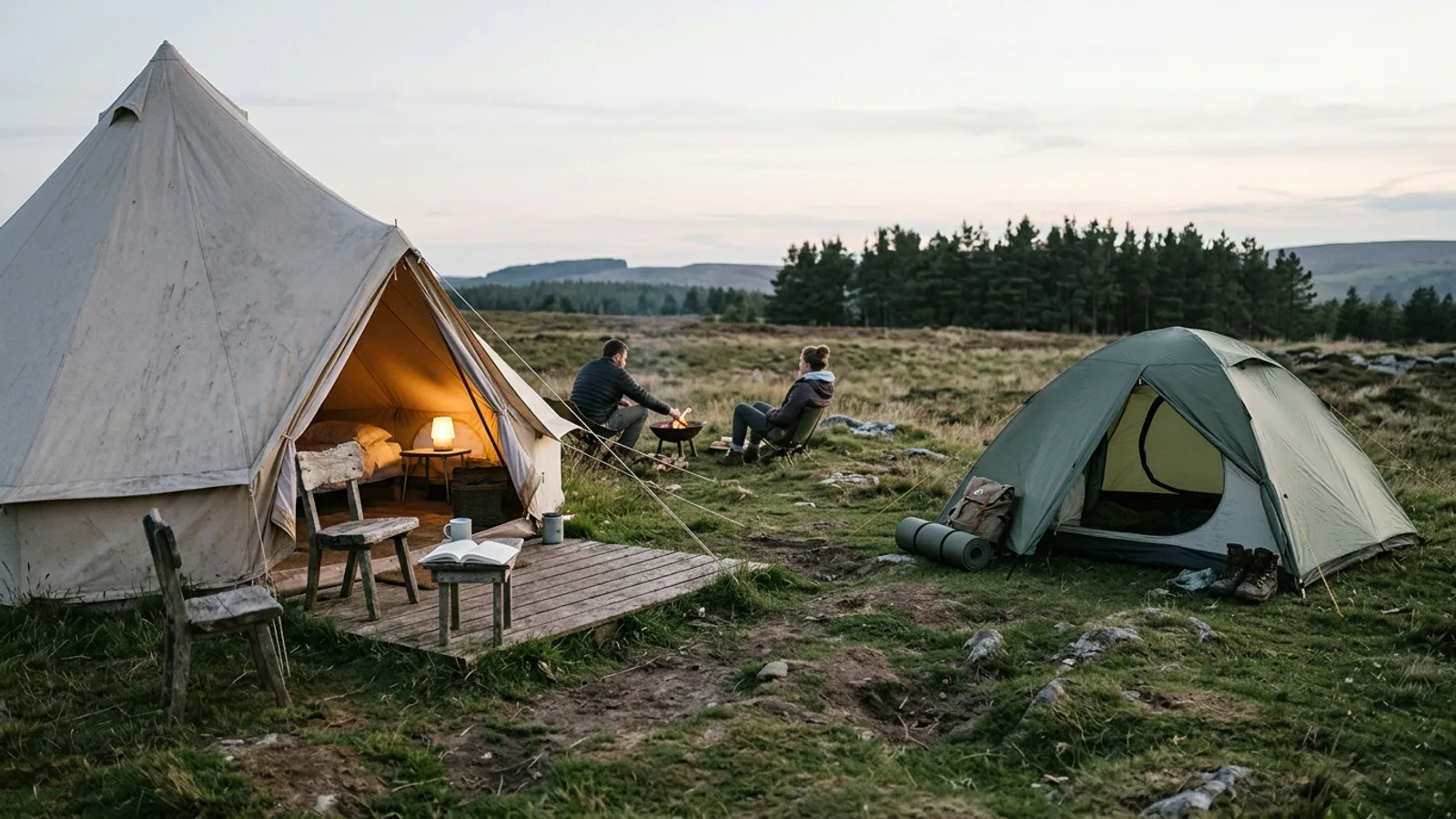
Affordable glamping doesn't mean a lesser experience, it usually means fewer bundled extras and a more modest structure. Look for stays with shared bathhouses rather than private plumbing, and sites that let you bring or cook your own food rather than requiring a meal package.
Public lands and lesser-known regional parks often have simpler glamping setups, such as furnished tents or basic cabins, at a lower cost than sites clustered around famous, high-traffic destinations. Traveling in the shoulder season, either just before or after the peak months, is one of the most reliable ways to reduce the rate without changing the accommodation itself.
Finding Deals
A few habits help with spotting a good value:
- Book midweek stays when possible, since weekend and holiday rates are usually the highest.
- Compare a few nearby operators rather than booking the first listing you find, since setups and included amenities vary even within the same region.
- Ask directly what's included in the nightly rate versus what's billed separately, so you can compare like for like.
- Sign up for an operator's mailing list or follow them directly if you're planning ahead, since off-season promotions are common.
Understanding Luxury Glamping
Luxury glamping adds a layer of hospitality on top of the outdoor setting: private bathrooms, quality linens, prepared meals, and sometimes dedicated staff or concierge-style service. The accommodations themselves also tend to be larger and more elaborately built, with real furniture, decking, and sometimes multiple rooms.
The appeal is comfort without giving up the setting. You get the view, the quiet, and the sense of being outdoors, without sleeping on the ground or cooking over an open flame. This makes it a reasonable option for travelers celebrating an occasion, traveling with people who have different comfort thresholds for camping, or simply wanting a more relaxing trip.
The tradeoff is straightforward: more service and larger, better-appointed structures cost more. Whether that tradeoff is worth it depends on how much you value the included conveniences versus handling things yourself.
How Prices Compare by Setting
Different landscapes carry different typical price patterns, mostly tied to demand and how much infrastructure is needed to build there.
Coastal Sites
Waterfront and near-waterfront glamping tends to command a premium, especially in favorable weather months, simply because oceanfront land and views are limited and in high demand.
Mountain Sites
Mountain glamping often costs more where access is difficult or infrastructure like water and power has to be brought in specially. Prices can also spike during peak fall or winter activity seasons, depending on the range.
Forest Sites
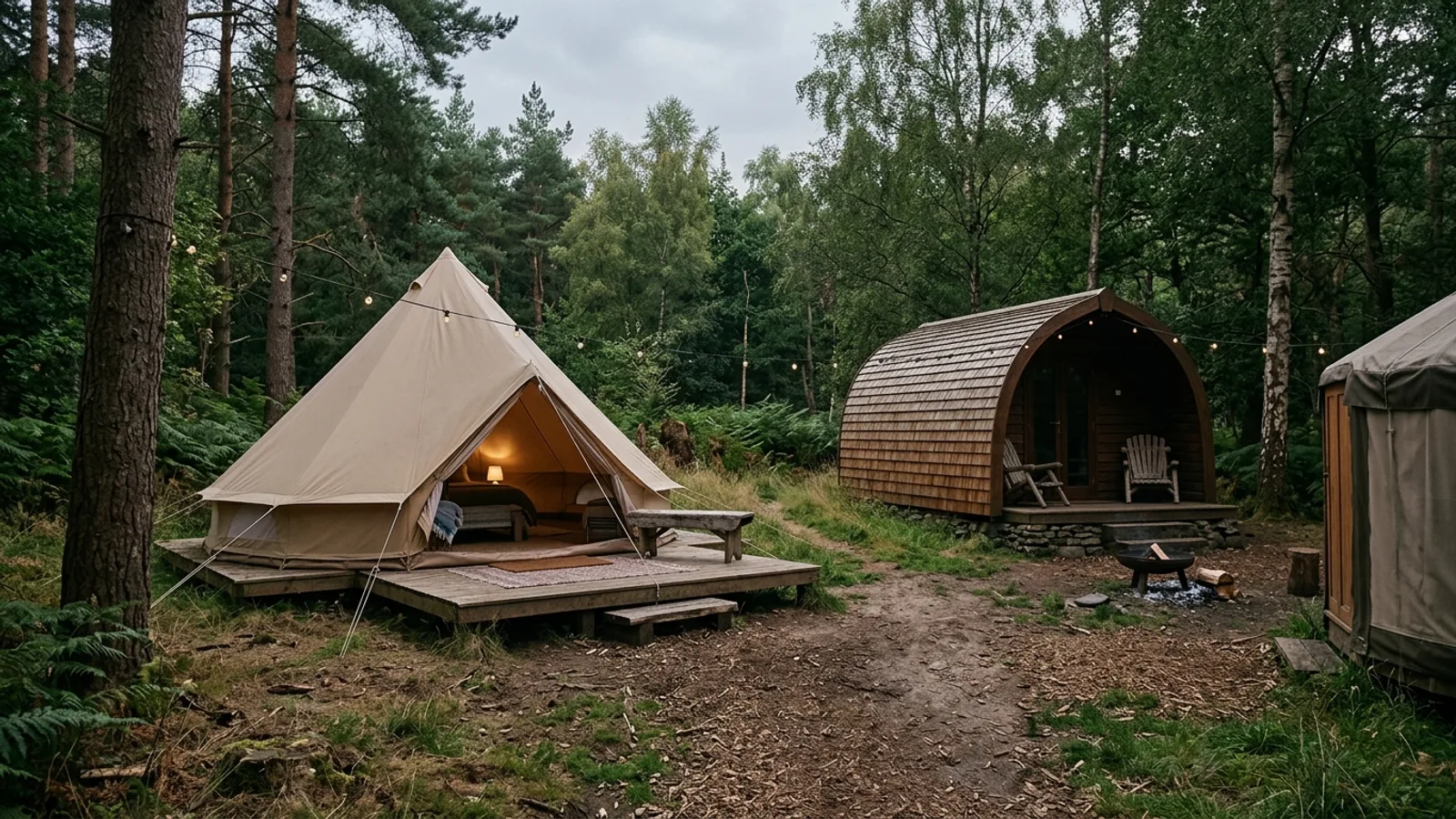
Secluded forest settings, including treehouses and eco-oriented domes, often charge for privacy and a sense of remoteness. Costs vary widely depending on how developed the site is and how far it is from other visitors.
Planning Your Budget
Before booking, decide which matters more to you: the setting, the structure, or the included services. Prioritizing one usually means being willing to compromise on the others. A stay in a stunning location with a simple tent can cost less than a lavish cabin in a convenient but unremarkable spot, so it helps to be clear about what you're actually paying for before comparing options.