Glamping vs. Camping: How to Choose the Right Outdoor Experience
What Sets Glamping and Camping Apart
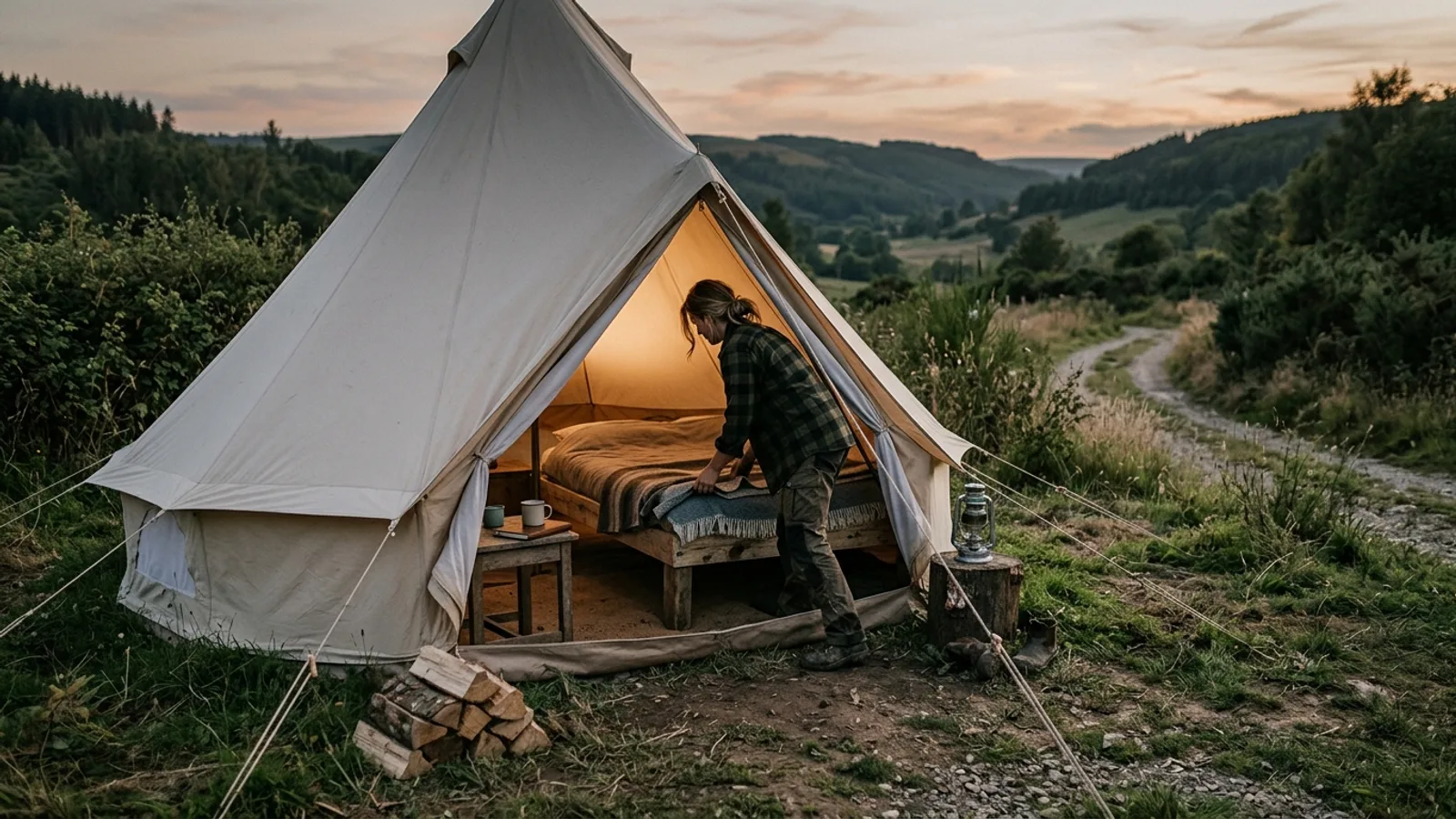
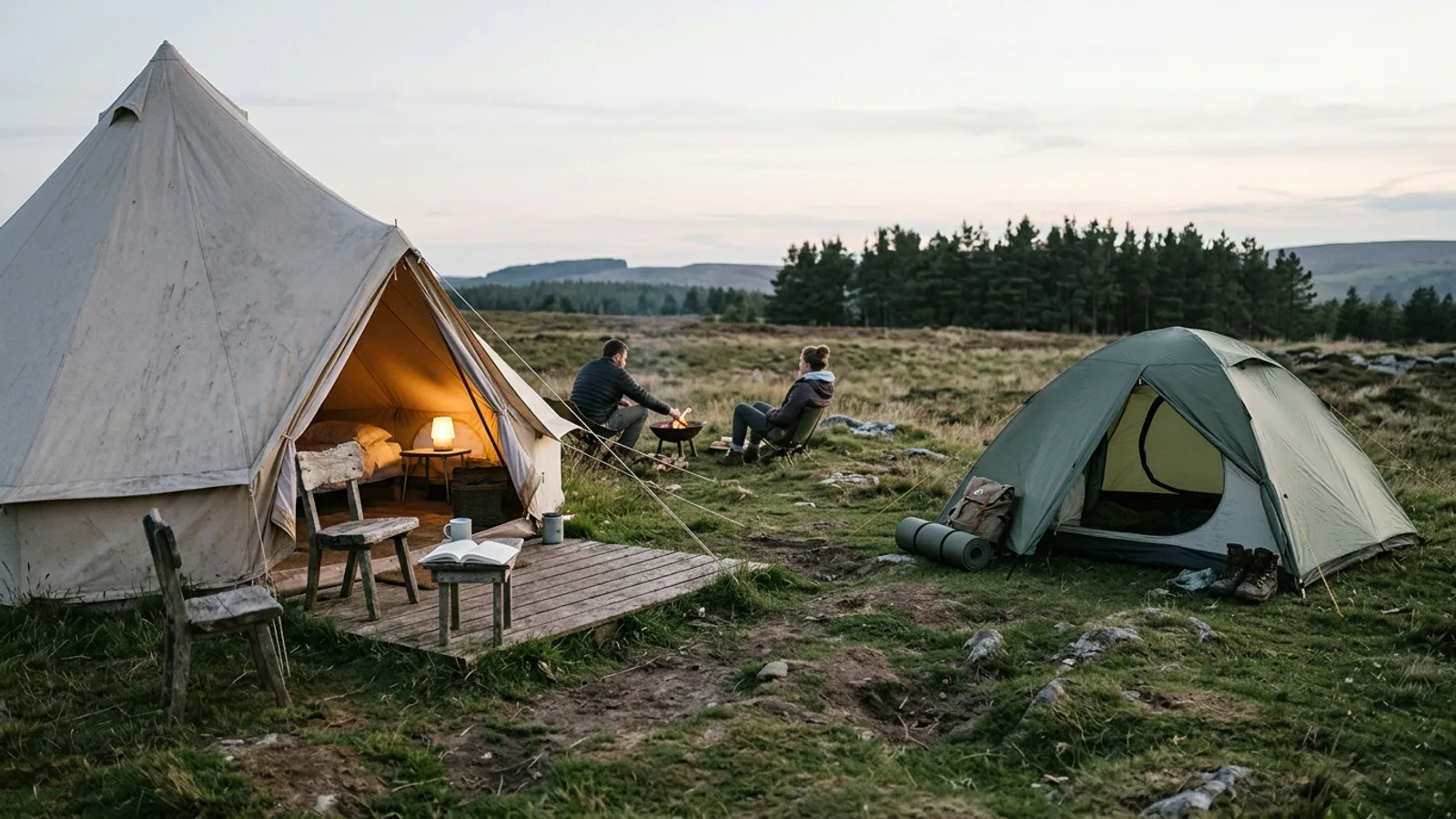
Both glamping and camping put you outside, close to trailheads, lakes, or forests. The real difference is in the setup. Camping means you bring or pitch your own shelter, usually a tent, and handle most of your own cooking, water, and sleeping arrangements. Glamping means the shelter and furnishings are already there when you arrive: a canvas tent, cabin, or yurt with a real bed, and often electricity or a private bathroom.
Neither is a "better" way to enjoy a park. They solve different problems: how much gear you want to carry, how much you want to spend on your night's sleep, and how close to the ground you want to be.
What Glamping Actually Involves
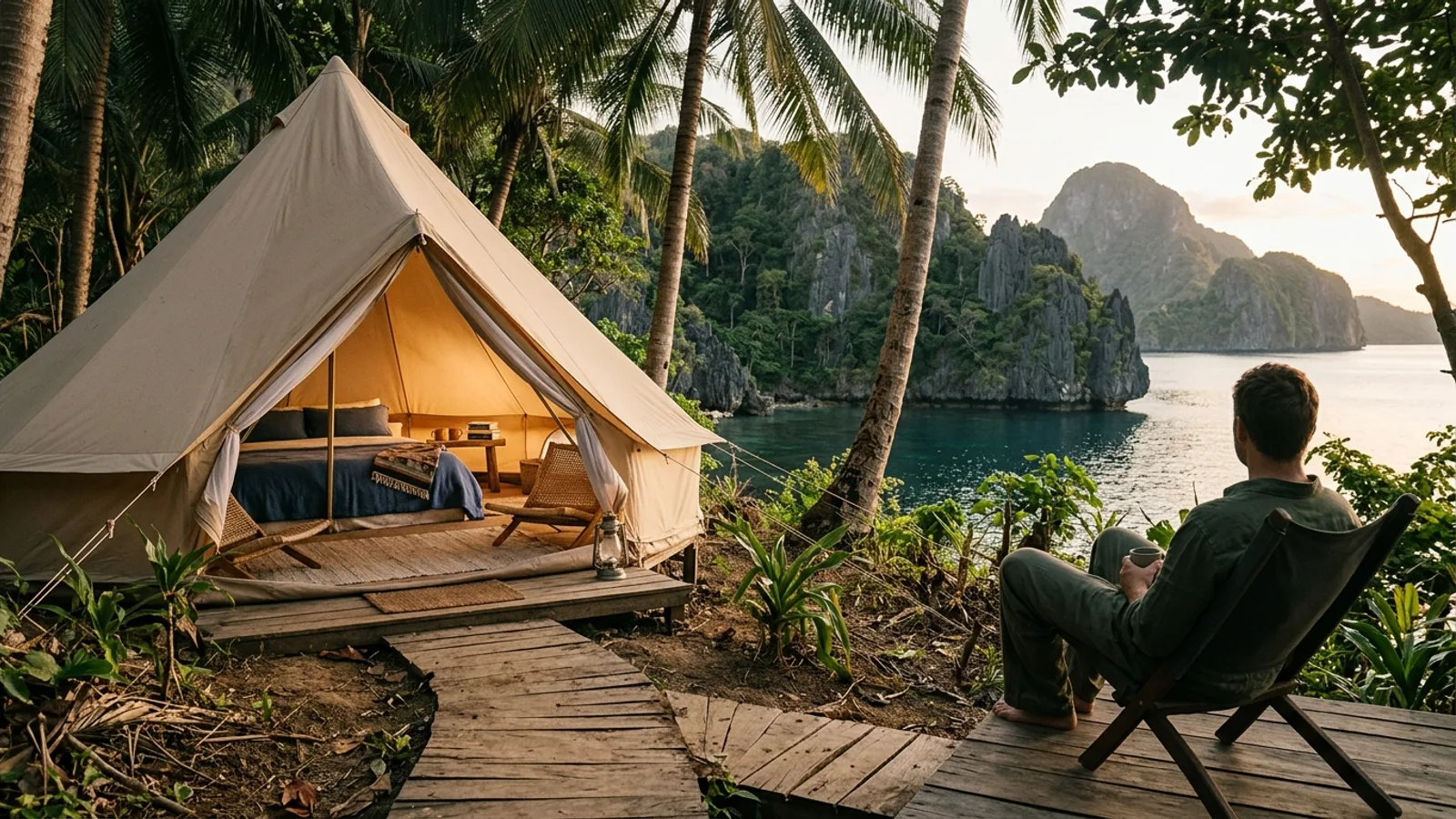
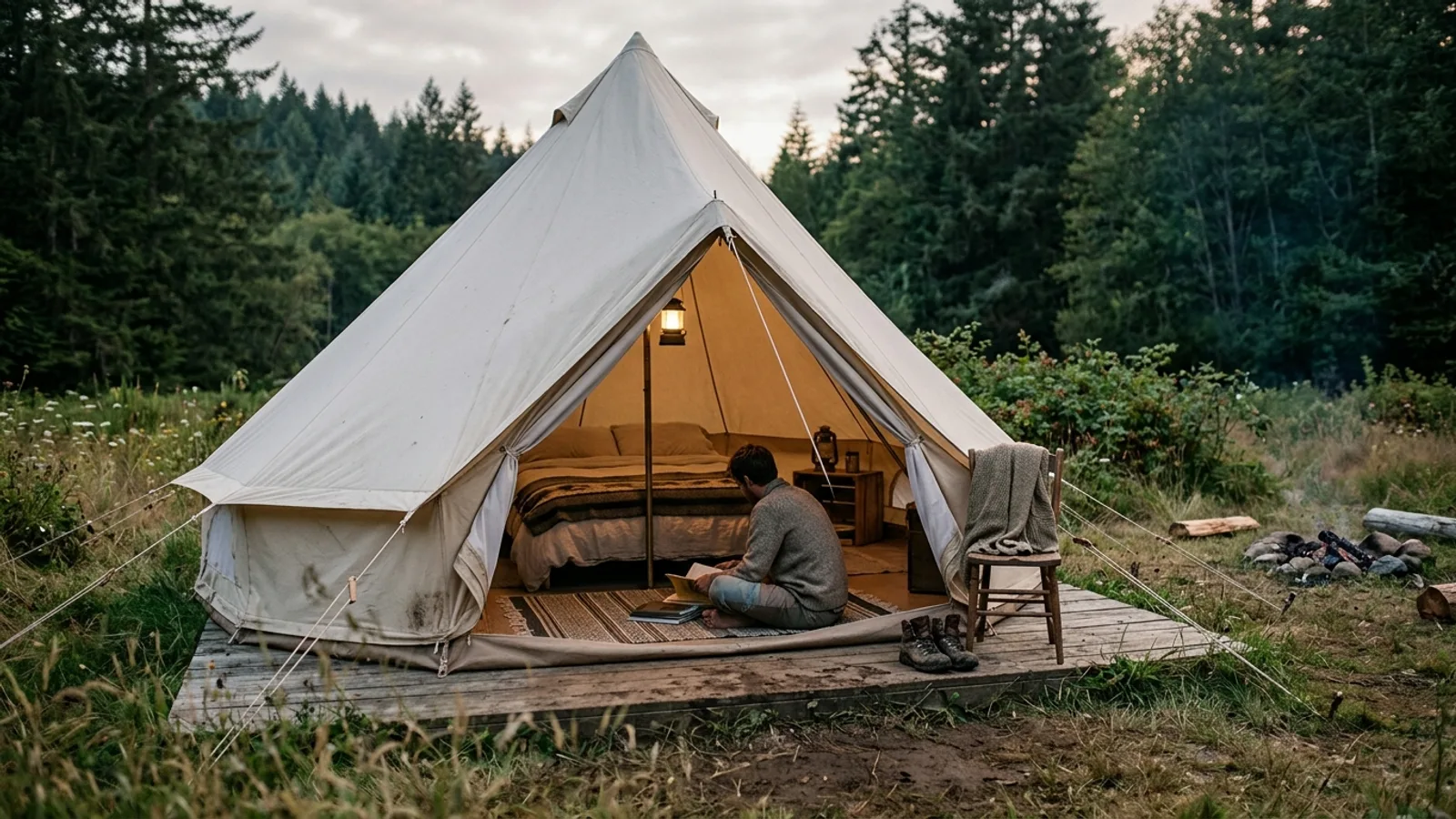
Glamping accommodations are fixed or semi-permanent structures set up on a property, often run by a private operator near or inside a park. Common formats include safari-style tents, yurts, cabins, and small pod structures. Beds, linens, and basic furniture are provided, and many sites include heating or cooling, a private or shared bathroom, and sometimes a small kitchen area.
Because the structure is already in place, glamping removes most of the labor of setting up camp. You still get to be outdoors, hear the same birds and wind, and often have similar access to trails and viewpoints as tent campers nearby. What you're paying for is the shelter, the bedding, and usually some services, not exclusive access to better scenery.
Availability varies a lot by region and season, and glamping sites tend to book up faster than standard campsites because there are fewer of them at any given location. If you have a specific date and place in mind, checking availability early matters more than it does for tent camping.
What Traditional Camping Actually Involves
Camping typically means bringing your own tent, sleeping pad, and cooking setup, then choosing a campsite that ranges from a developed campground with restrooms and fire rings to a backcountry site with no facilities at all. The tradeoff for the extra gear and setup is flexibility: it's generally easier to find an open tent site than an open glamping unit, and backcountry or dispersed camping can put you in much quieter, less developed settings.
Basic camping facilities to expect at a developed campground include a defined tent pad, a fire ring or grill, and some form of restroom, sometimes with showers. More remote or primitive sites may have none of this, which means carrying in water, a way to treat water from a natural source, and a plan for handling waste.
Camping also demands a bit more skill: pitching a tent properly, storing food away from wildlife, and understanding local fire restrictions before lighting anything. None of this is difficult to learn, but it's worth practicing at an easy site before attempting something remote.
Comfort and Convenience
This is where the two diverge most clearly. Glamping generally offers a real mattress, weatherproofing that doesn't depend on how well you staked your tent, and fewer moving parts to manage after dark. It suits travelers with limited time, people camping with young children, or anyone recovering from an injury or illness who still wants to spend a night outdoors.
Camping asks more of you physically and logistically but rewards that effort with lower cost per night, more site options, and closer access to less-trafficked areas. It also gives you full control over your setup, which matters if you have specific needs around temperature, allergies, or schedule.
Cost and Access Considerations
Glamping sites are usually run by private businesses and priced accordingly, while public campgrounds inside national or state parks tend to be more affordable but require you to supply your own equipment. Neither approach requires cutting-edge gear: a durable tent, warm sleeping bag, and reliable headlamp will serve most car campers for years, and a well-run glamping site should not require you to bring anything beyond personal items.
If you're new to spending a night outside, a developed campground or a glamping site close to a park entrance is a reasonable starting point. Both let you test how you feel about sleeping outdoors without committing to a long drive on rough roads or a hike into the backcountry.
Choosing Between the Two
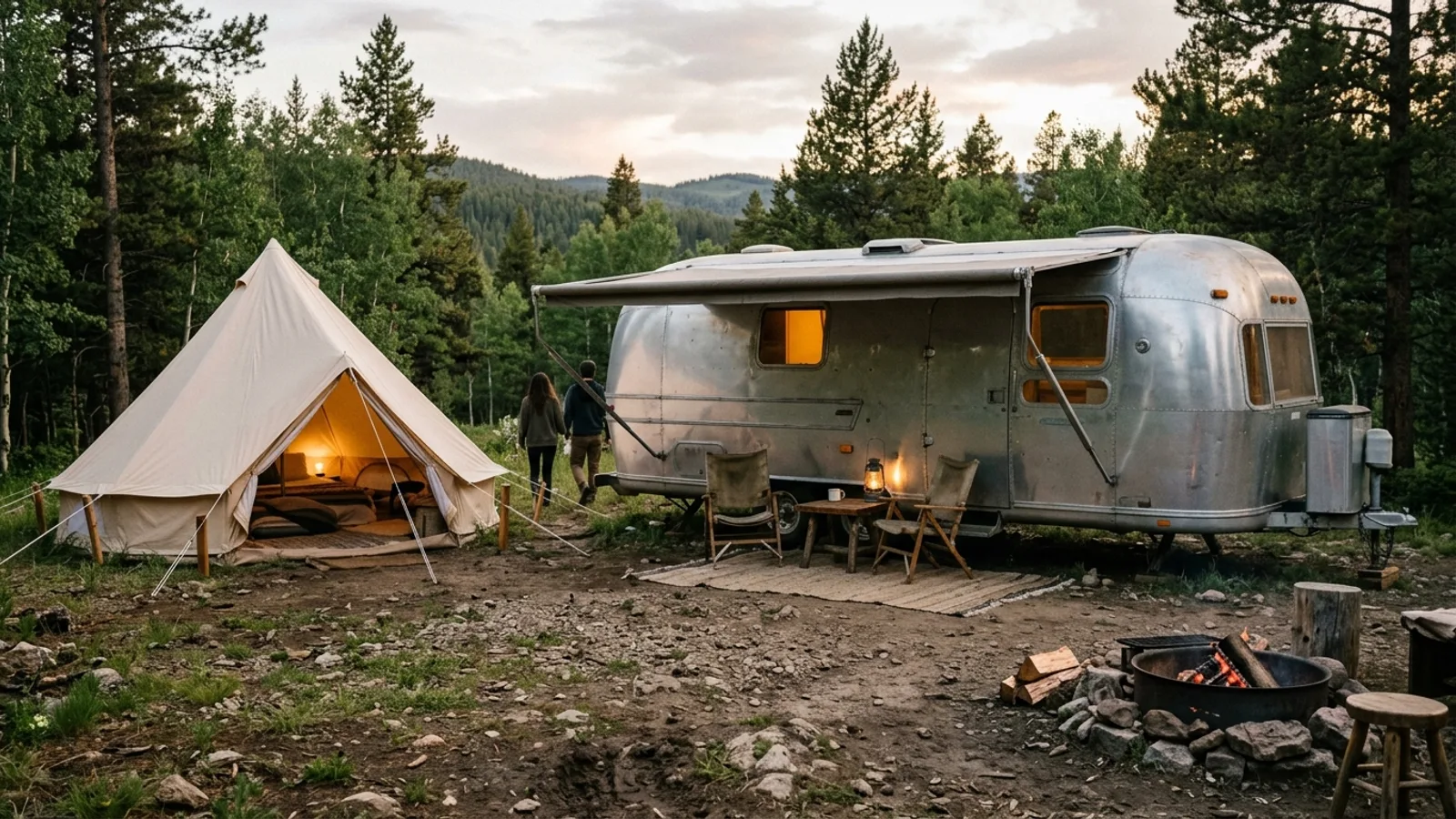
Ask yourself what you actually want from the trip. If the goal is uninterrupted quiet, physical effort, and the satisfaction of managing your own camp, traditional tent camping delivers that. If the goal is time outdoors without the logistics of gear and setup, glamping gets you there with less friction.
Many travelers end up doing both at different points, depending on the season, the group they're traveling with, and how much time they have. A weekend with young kids or aging relatives might call for a glamping site with a real bed and bathroom. A solo trip focused on hiking and stargazing might be better served by a simple tent at a quiet, less developed site.
Practical Tips for Either Choice
- Book glamping sites well in advance, since inventory is limited compared to standard campsites.
- Check what's actually included at a glamping site — bedding, bathroom access, and cooking facilities vary widely by property.
- For tent camping, always check current fire restrictions and food storage requirements for the specific park or forest you're visiting.
- Bring layers regardless of which option you choose; temperatures at most outdoor sites swing more than expected between day and night.
- Confirm cell service and driving distance to the nearest town before you go, especially for more remote glamping or camping locations.