How to Start a Glamping Business: A Practical Guide
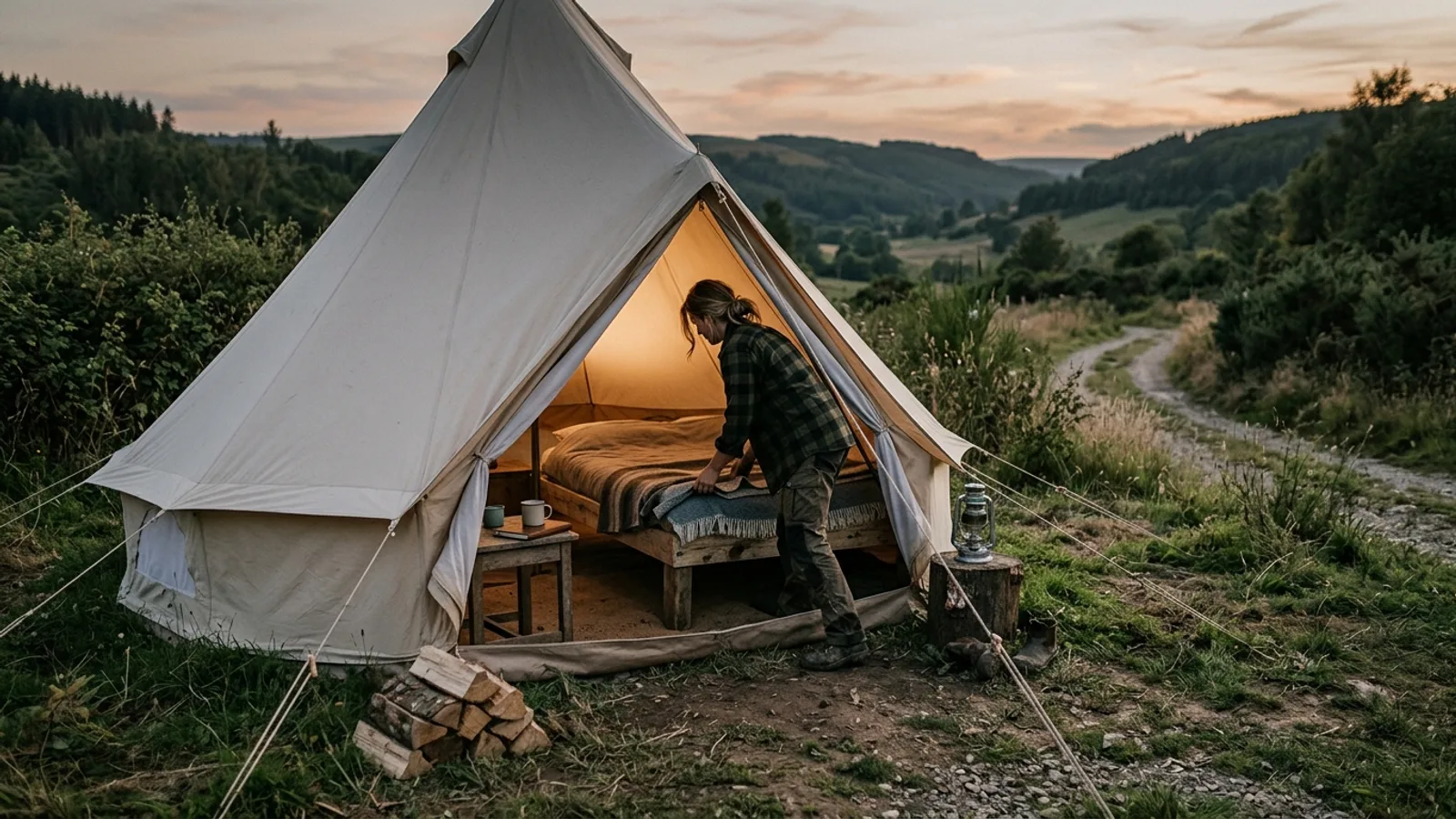
Glamping businesses succeed when they solve a specific problem: giving people the feeling of being deep in nature without asking them to sacrifice comfort, privacy, or convenience. Everything below is built around that idea — from where you site the property to how you run it day to day.
Choosing a Location
Location decisions should be driven by access, land use rules, and the natural features that make a stay memorable, not just scenery alone.
Start with proximity. Guests will weigh drive time from major population centers against how remote the experience feels. A site that takes too long to reach will struggle with occupancy regardless of how beautiful it is; a site that's too easy to reach may not feel like an escape.
Confirm zoning and land use rules before committing to any property. Short-term lodging, especially structures without permanent foundations, is regulated differently than traditional residential or commercial construction, and requirements vary widely by jurisdiction. Check what's allowed for wells, septic systems, grading, and structures before you sign anything.
Study the terrain itself: drainage, tree cover, sun exposure, wind patterns, and flood risk all affect both guest comfort and long-term maintenance costs. A site that floods seasonally or sits in a wind tunnel will cost far more to run than one chosen with those factors in mind.
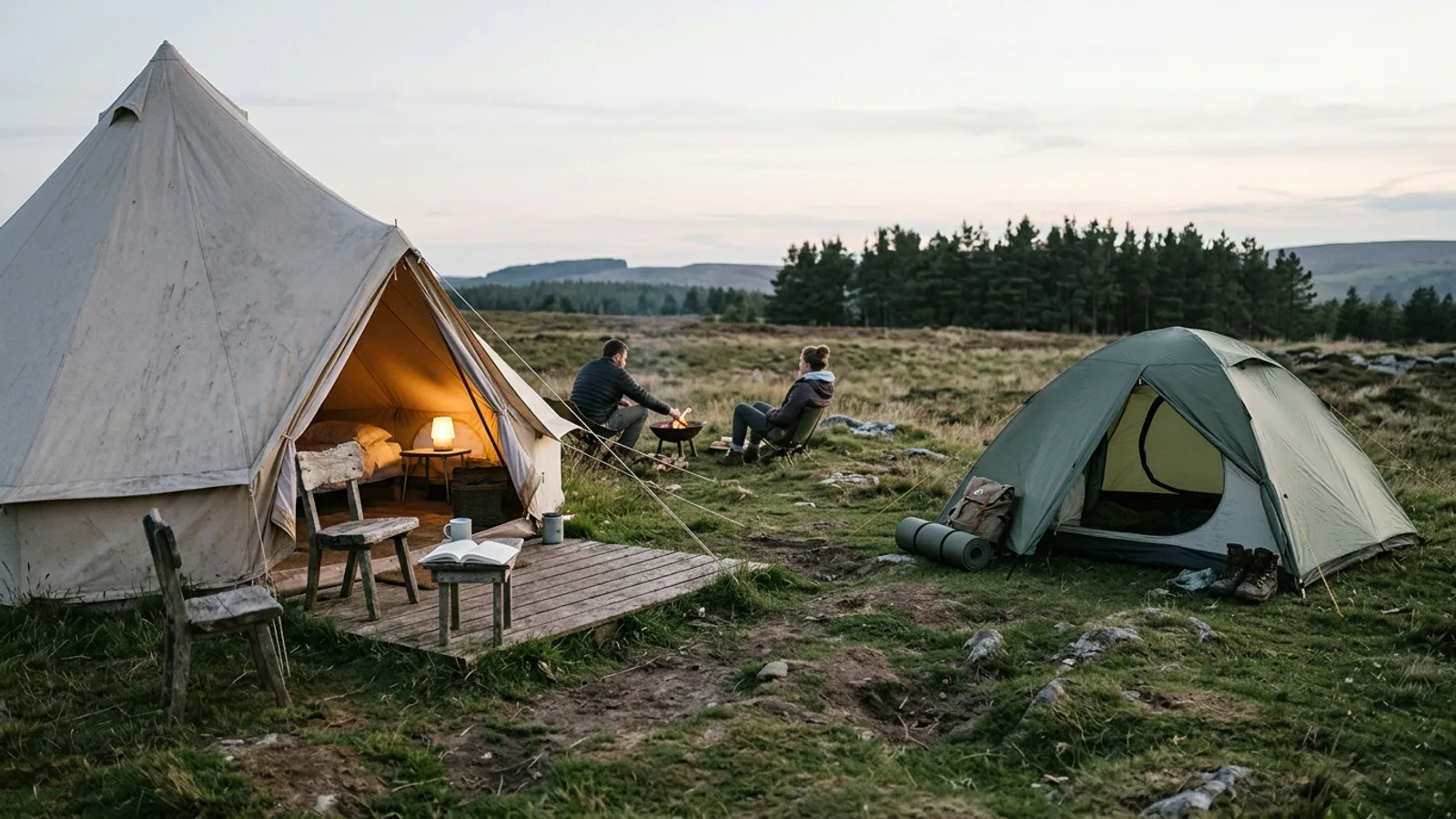
Look honestly at what's nearby — trailheads, water access, wildlife viewing, or a nearby town with restaurants and shops. Guests often plan a trip around one or two of these anchor activities, and your accommodations are the base camp for that experience.
Understanding Your Guests and the Market
Before investing in a particular style of accommodation, get clear on who you're building for. Couples looking for a quiet anniversary trip want something different from families or groups of friends. Your amenities, pricing structure, and marketing should follow from that decision rather than being figured out afterward.
Look at existing lodging in your region — traditional campgrounds, cabins, and any glamping operations already established nearby. Note what's missing: is there demand for pet-friendly stays, larger group accommodations, or a particular style of tent or structure that isn't represented locally? A gap in the existing options is often a stronger opportunity than trying to out-compete a saturated niche.
Pay attention to how demand shifts across the year in your region. Shoulder seasons and off-peak periods often need different pricing or packaging than peak summer or holiday weekends, and planning for that variability early will make cash flow far more predictable.
Building a Business Plan
A business plan for a glamping operation should account for the same fundamentals as any hospitality business, plus a few specific to this model: the cost of land preparation and utility installation, the lifespan and maintenance needs of tents or structures exposed to weather year-round, and realistic occupancy assumptions given your location's seasonality.
Because much of the appeal of glamping rests on aesthetics and small details, budget for ongoing refresh cycles — replacing worn textiles, updating furnishings, and repairing weather damage — rather than treating the initial build as a one-time expense.
Designing Accommodations
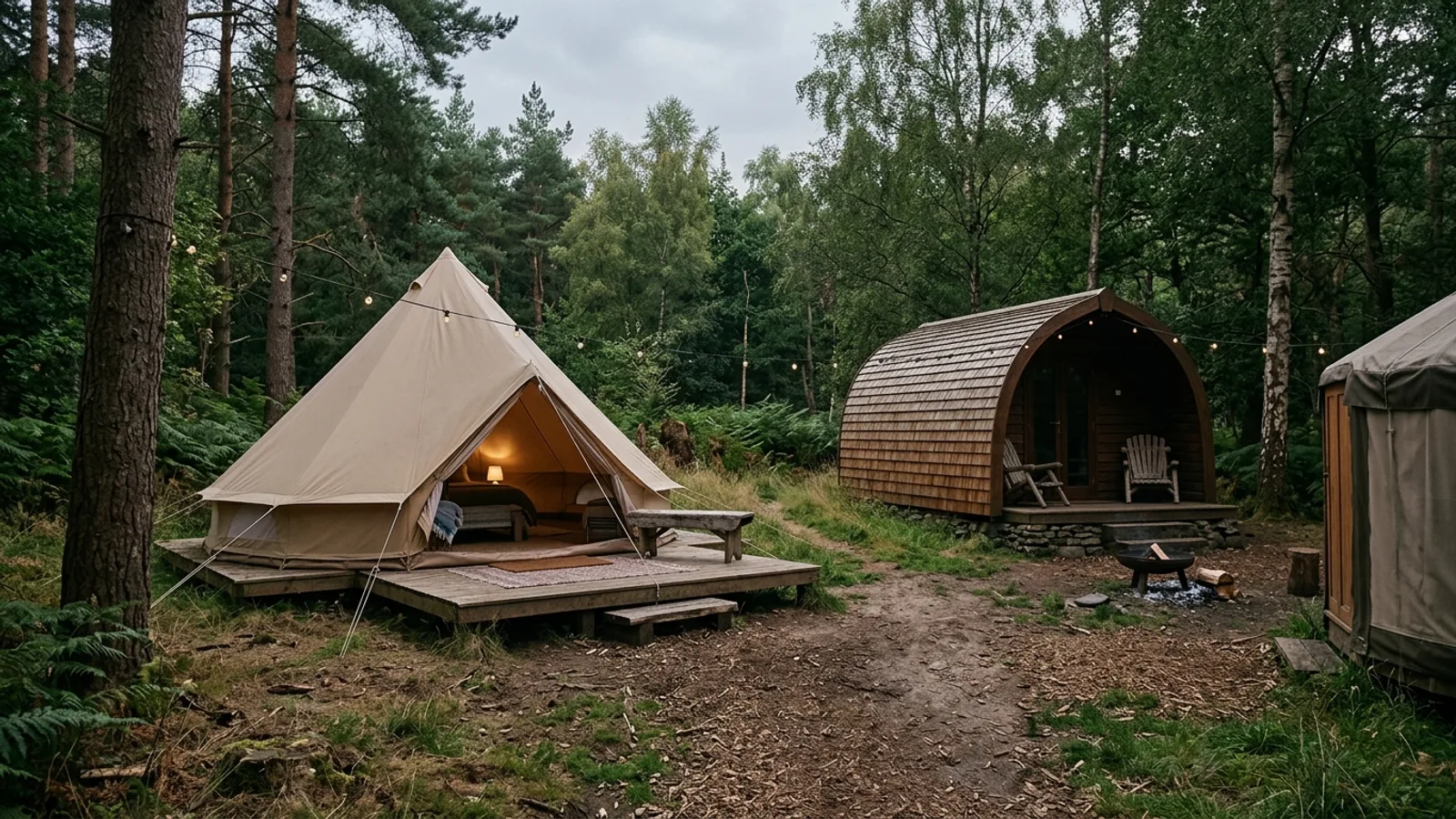
The physical structure sets expectations before a guest ever walks in. Common formats include canvas safari-style tents, yurts, small cabins, elevated platform tents, and domes; each has different tradeoffs in weather resistance, insulation, setup cost, and how "immersive" it feels.
Whatever the format, a few design principles apply broadly:
- Insulate and ventilate for your actual climate, not just the mildest months — comfort in shoulder seasons is often what separates a good review from a mediocre one.
- Orient windows and outdoor seating toward the most compelling natural feature on the property, whether that's a tree line, a body of water, or an open sky for stargazing.
- Choose durable, weather-resistant materials for anything exposed to the elements; fabric and finishes that look great on day one but degrade quickly will cost more in replacement and guest complaints than they saved upfront.
- Keep a consistent design language across units so the property feels intentional rather than assembled piecemeal.
Sustainable choices — efficient lighting, responsibly sourced materials, minimal-impact siting — tend to align well with what many glamping guests are already looking for, and they reduce long-term operating costs.
Infrastructure and Utilities
Power
Decide early whether you'll run on grid power, off-grid solar, generators, or some combination. This choice affects almost everything else: what appliances you can offer, whether you can run climate control, and how much noise and maintenance guests will notice. Off-grid systems require more upfront planning around battery storage and backup capacity, especially in low-sun seasons.
Water
Guests expect reliable water for drinking, showers, and toilets even in a rustic-feeling setting. Depending on your location, this might mean a private well, a connection to municipal supply, or a hauled-water system, each with different filtration, testing, and maintenance obligations. Whatever the source, plan for regular water quality testing and a clear maintenance schedule for any filtration or pump equipment.
Waste
Septic systems, composting toilets, and pump-out services are all used in different glamping operations depending on site conditions and regulations. Whichever you choose, make sure the system is sized for your actual peak occupancy, not just average use — undersized waste systems are one of the most common operational headaches in this business.
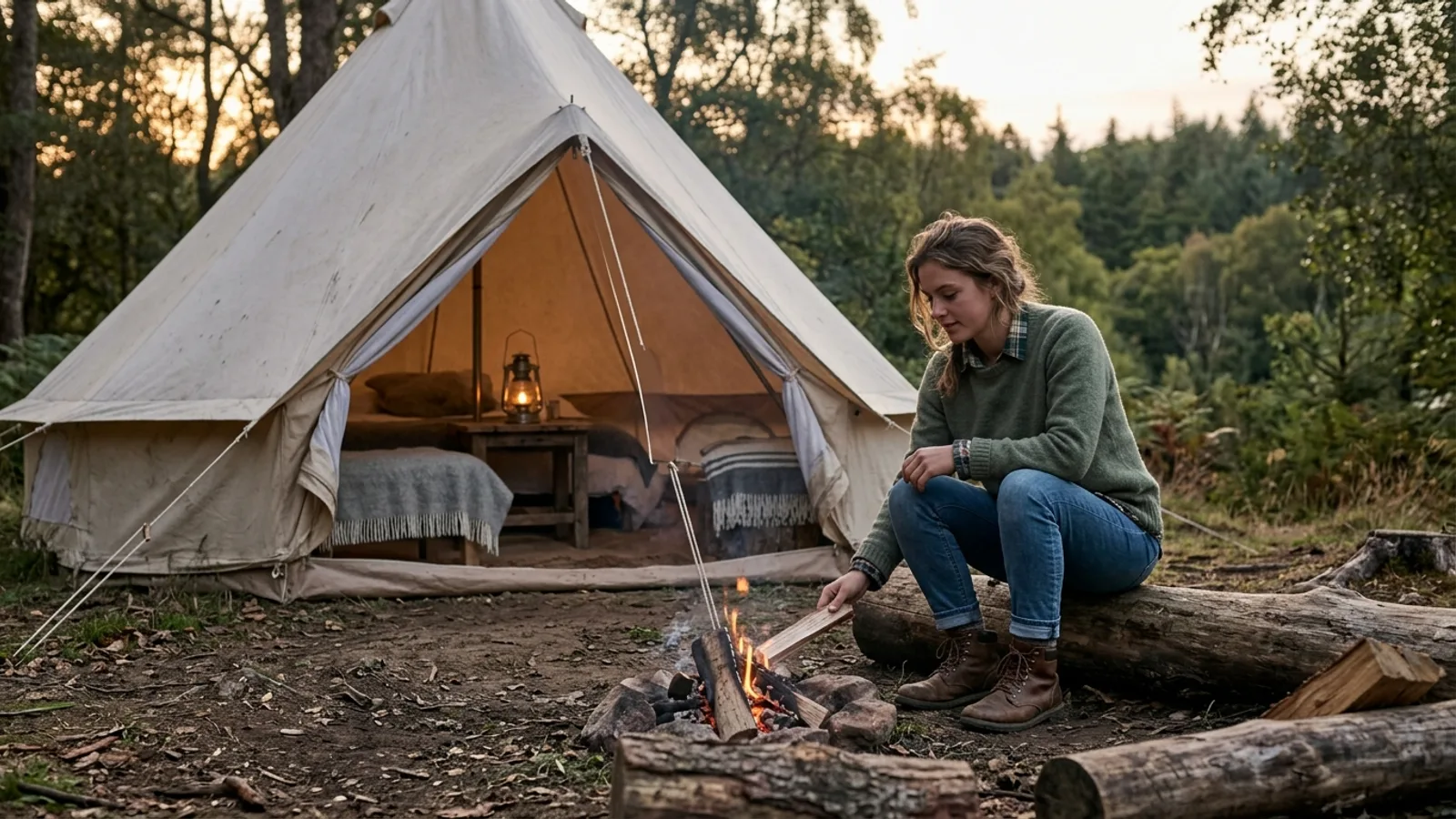
Set up clear recycling and trash systems for guests, and consider how you'll handle waste from cooking or campfire areas, since wildlife attraction is a real concern in wooded or rural settings.
Comfort Amenities
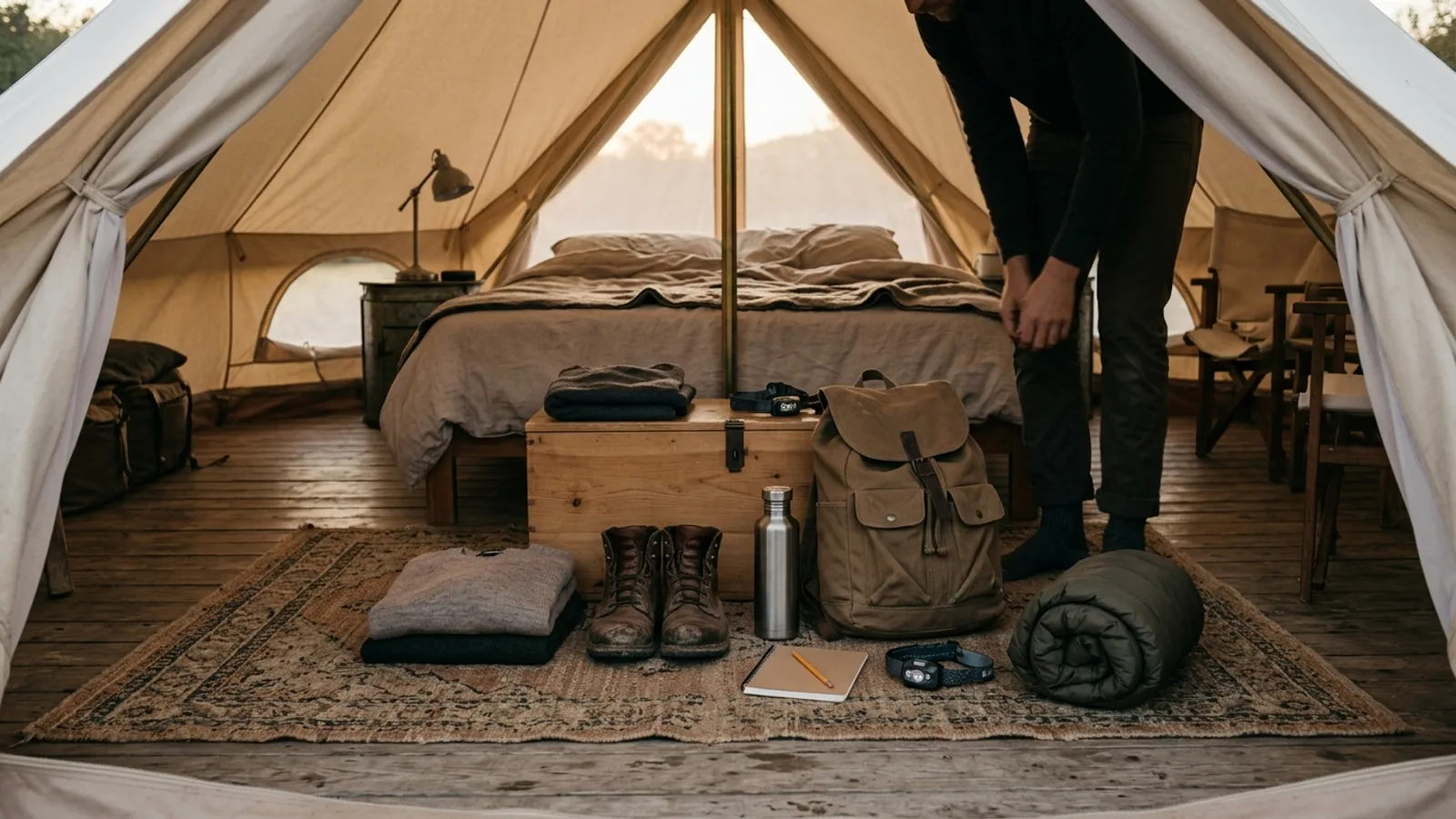
Beyond the essentials, small comfort touches tend to matter more in glamping than in traditional hotels, since they reinforce the "nature plus comfort" promise: quality bedding, a private outdoor seating area, reliable heating and cooling for the local climate, and simple touches like good lighting for evening hours.
Marketing and Promotion
Photography does more marketing work for a glamping business than almost any other tool. Because guests are buying an experience they can't fully evaluate in person beforehand, clear, honest photos and descriptions of the accommodations, the views, and the surrounding land matter enormously.
A direct booking website with real-time availability reduces friction and lets guests plan around your specific offerings rather than a generic listing. Complement it with a presence on the platforms travelers already use to research trips and read reviews.
Genuine guest reviews carry more weight than almost any other marketing material — prospective guests weigh them heavily precisely because the buying decision involves some uncertainty. Make it easy for satisfied guests to leave a review, and respond thoughtfully to the ones that aren't glowing.
Partnerships with local outfitters, guides, restaurants, and attractions can extend your reach to travelers already planning a trip to the region, and they strengthen your standing as part of the local outdoor economy.
Running Day-to-Day Operations
A dependable booking and communication system — whether a dedicated platform or a well-organized manual process — keeps inquiries from slipping through the cracks and sets guest expectations clearly before arrival.
Ongoing maintenance is not optional in this business. Weather, wildlife, and heavy foot traffic wear on tents, decks, and trails faster than on conventional buildings, so build a routine inspection and repair schedule into your operating calendar rather than waiting for something to fail.
Train staff, even a small team, on both the practical side of hospitality — check-in, housekeeping, basic troubleshooting — and the softer skills of helping guests feel oriented and safe in an unfamiliar outdoor setting. For remote sites, make sure guests know what to do in case of severe weather or if they need help after hours, and keep that information simple and visible.
The businesses that last in this space tend to be the ones that treat the outdoor setting as an asset to be protected, not just a backdrop — maintaining trails, managing waste responsibly, and keeping the built environment in proportion to the land around it.