Glamping Costs Explained: What Drives the Price and How to Budget
What Glamping Actually Means
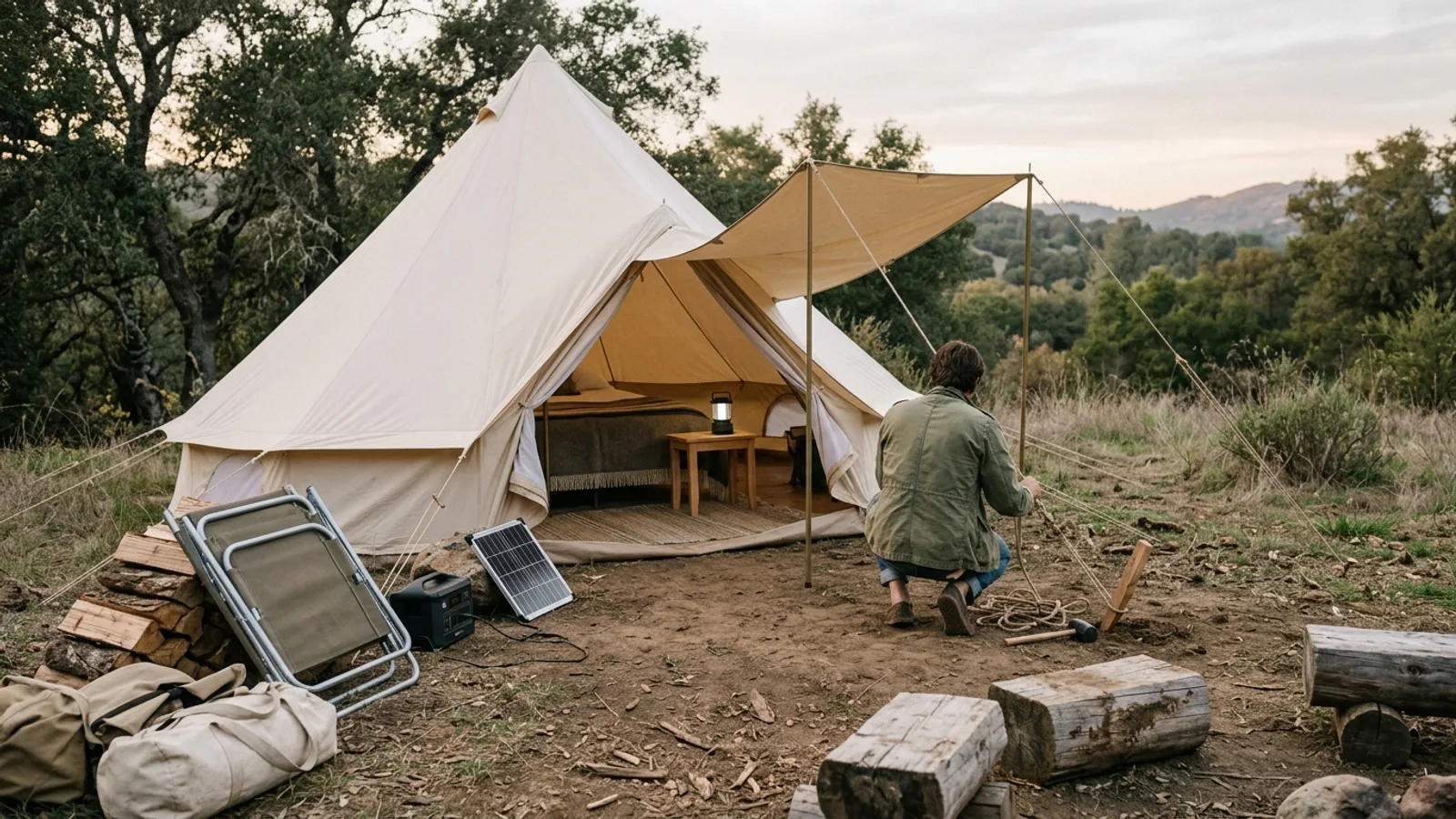
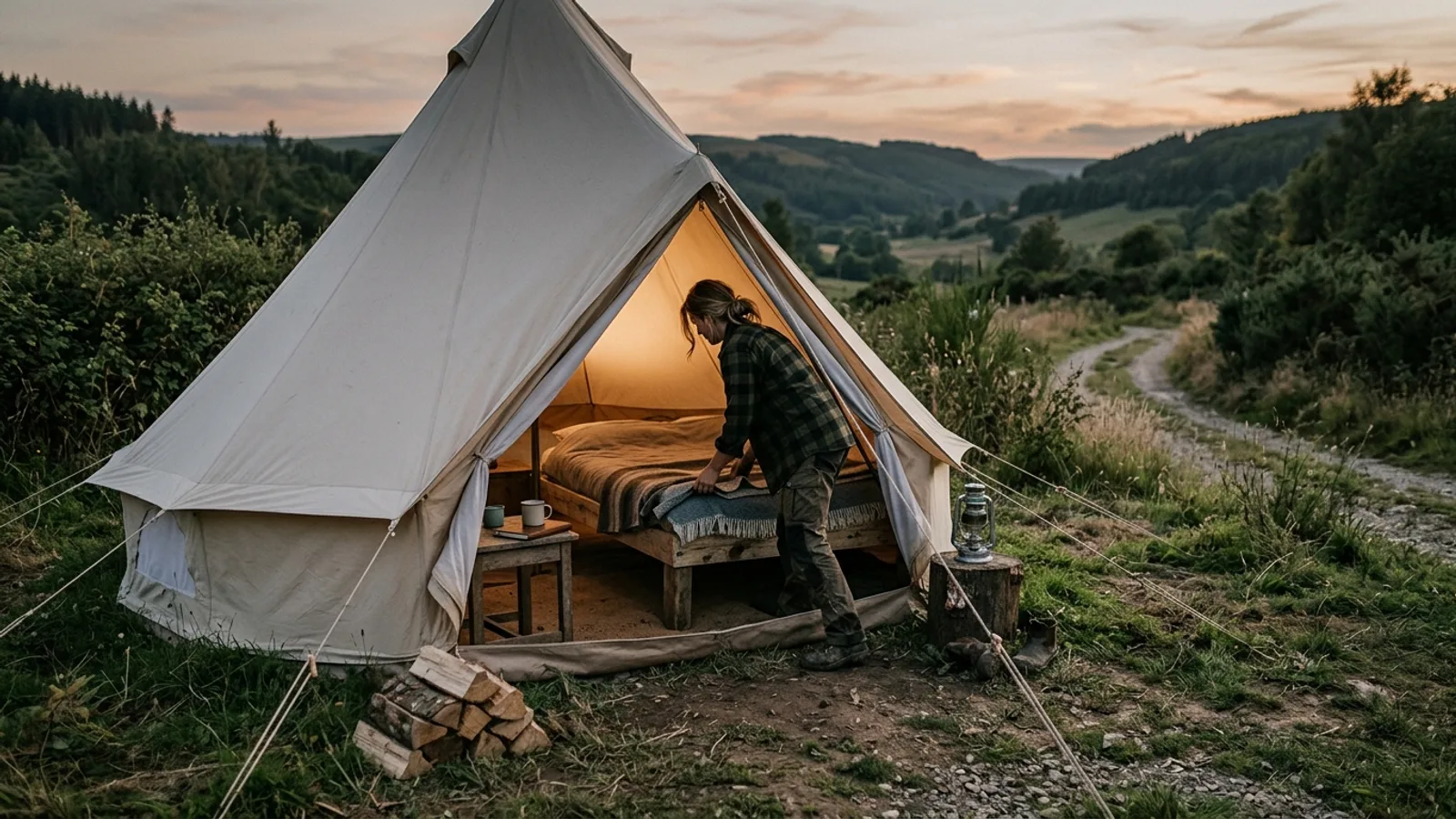
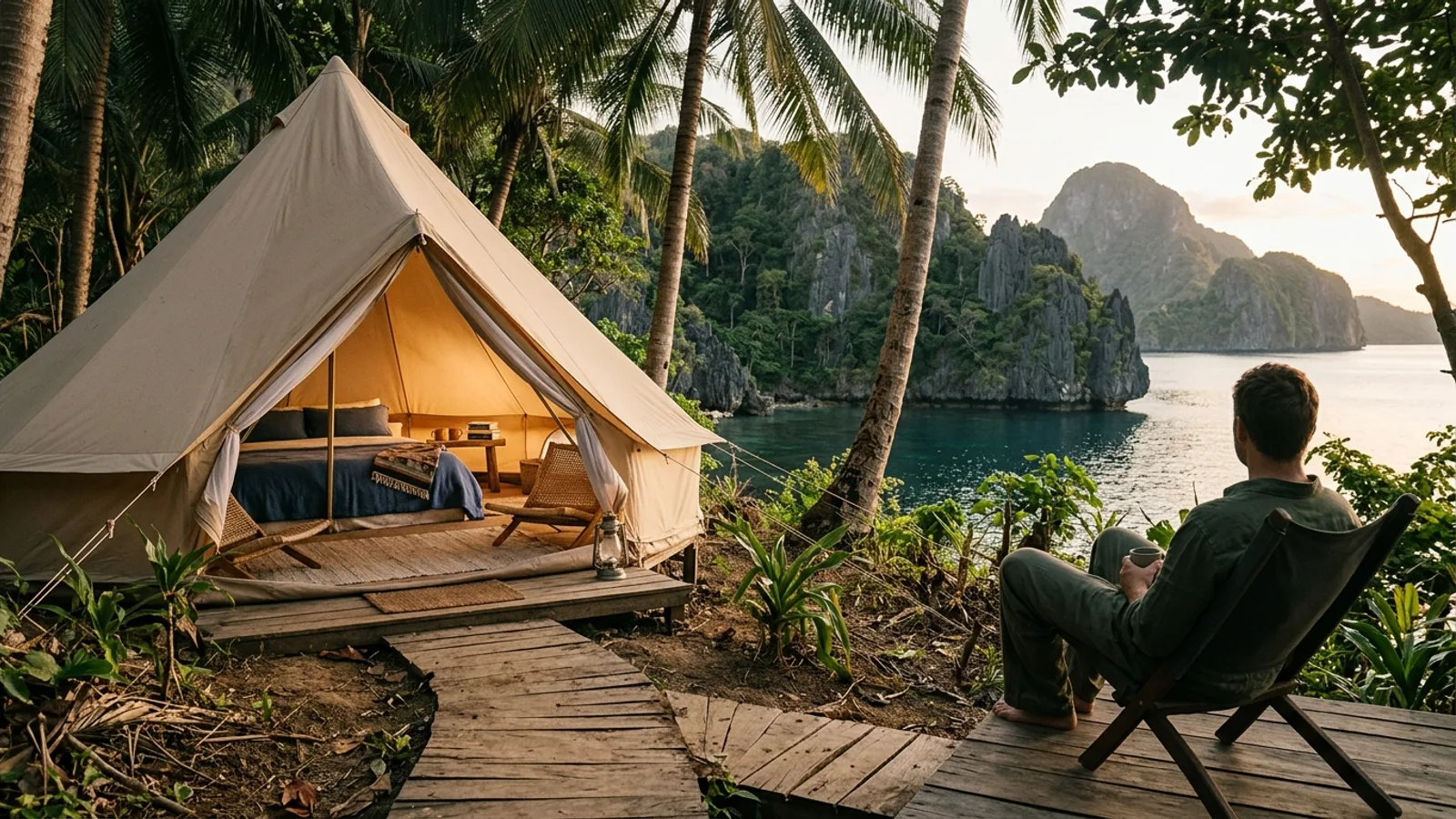
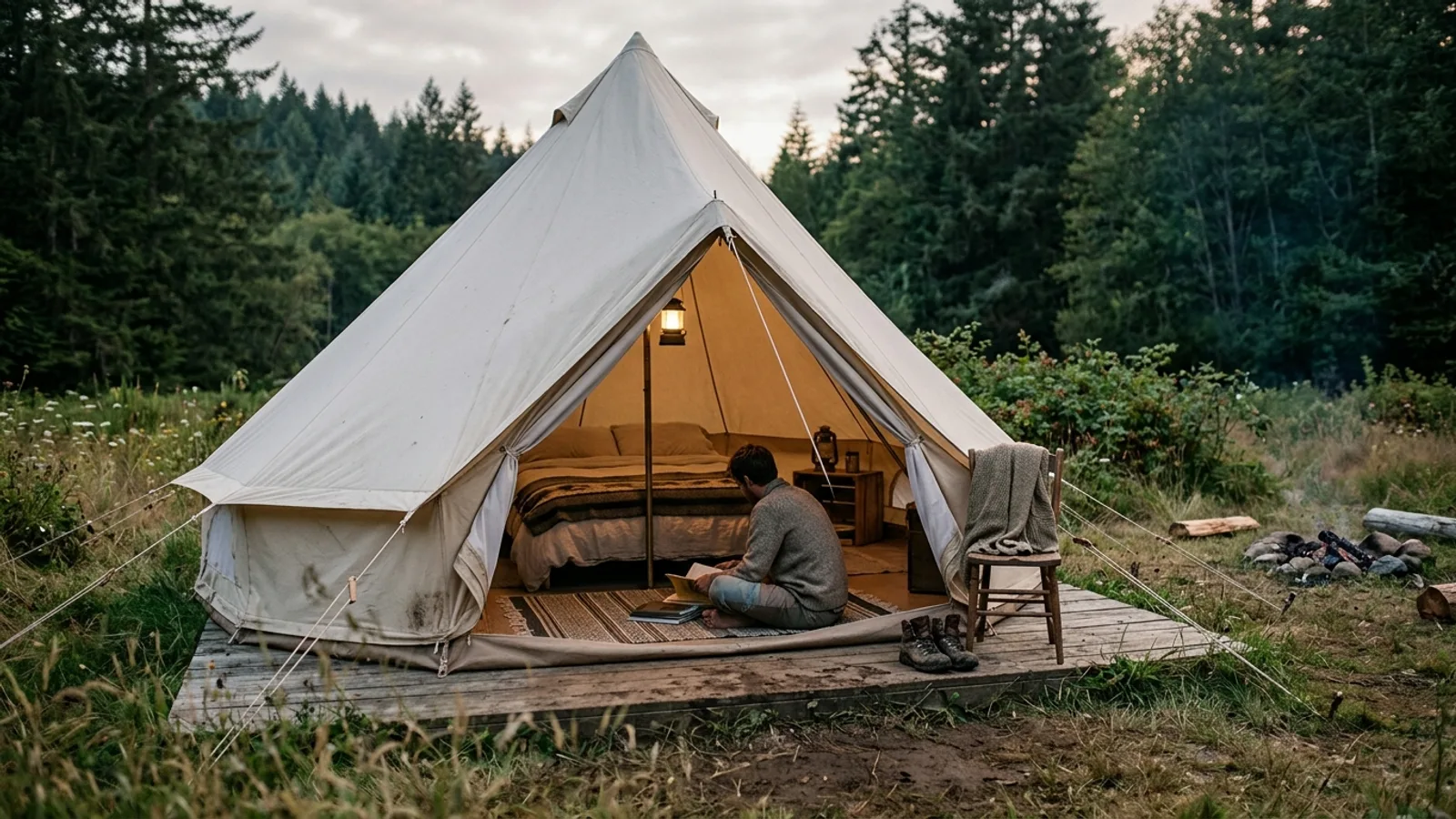
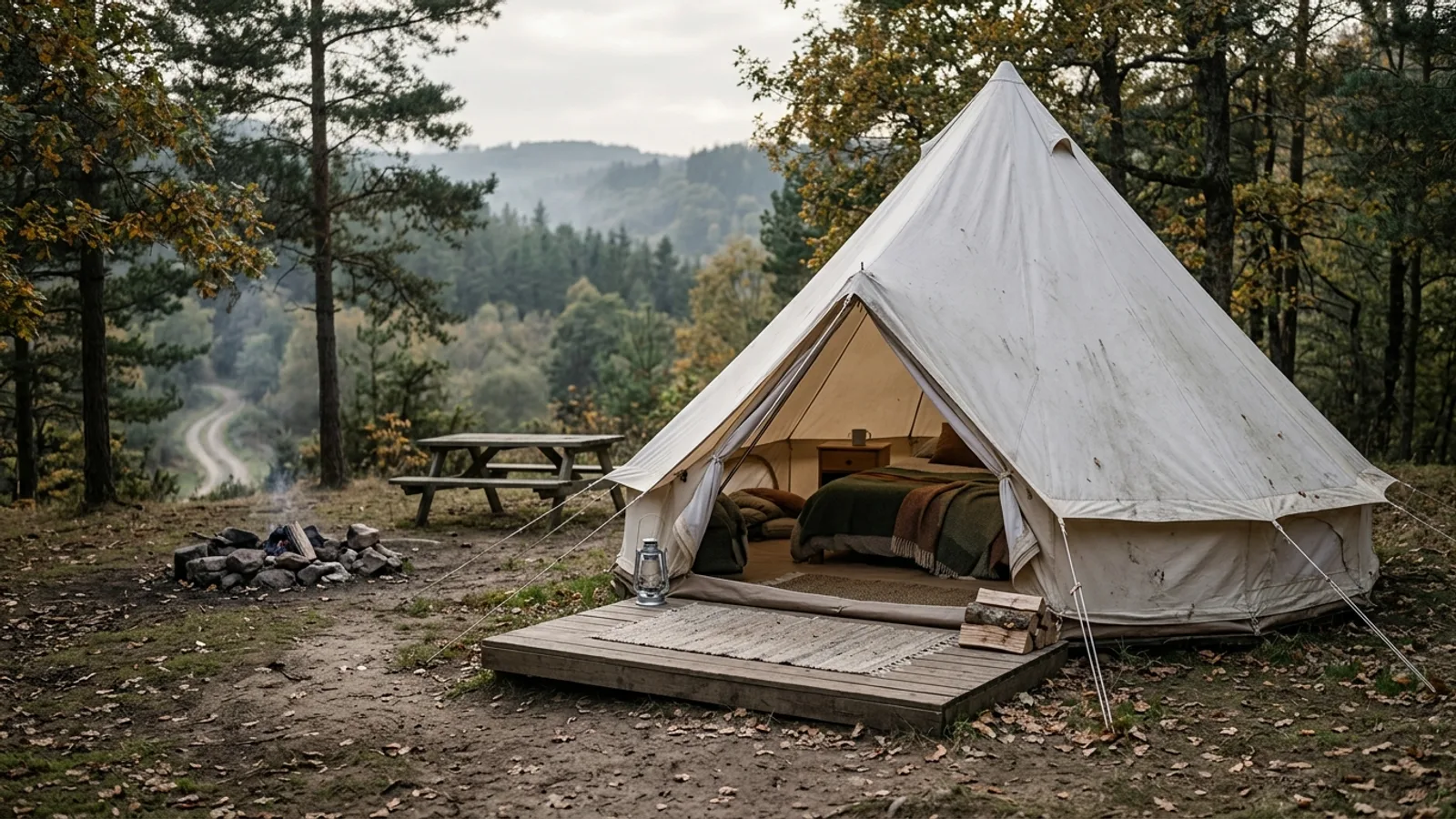
Glamping blends the setting of a campsite with the comforts of a hotel room. Instead of pitching your own tent, you stay in a pre-set-up structure — a canvas tent, yurt, cabin, or treehouse — that usually includes a real bed, and often electricity, heating or cooling, and a private bathroom. The cost reflects how much of that comfort is built in.
What Drives the Price
Location
Sites near popular parks, coastlines, or scenic landmarks tend to charge more simply because demand is higher and land is limited. Sites farther from major attractions, or in less-visited regions, are usually cheaper for a comparable setup.
Type of Structure
A simple canvas tent on a raised platform costs far less to build and maintain than a treehouse with plumbing or a cabin with a full kitchen. The more the structure resembles permanent lodging, the higher the nightly rate tends to be.
Amenities
Shared bathhouses keep costs down. Private en-suite bathrooms, hot tubs, air conditioning, and in-room dining push prices up. Extras like guided activities, prepared meals, or spa services add further cost, since they require on-site staff.
Season and Demand
Rates rise during peak travel months and around holidays, and drop in shoulder or off-season periods. Weekday stays are typically cheaper than weekends because demand is lower.
Length of Stay
Many operators offer a lower nightly rate for longer bookings, since it reduces turnover and cleaning costs on their end. A short weekend stay is often the least cost-efficient way to book.
Finding Lower-Cost Glamping
Public Land and Park Concessions
Some public parks and forests contract with concessionaires to run glamping-style accommodations — safari tents, yurts, or simple cabins — inside or near the park boundary. These tend to be more affordable than private luxury resorts because rates are set with broader public access in mind, and they put you close to trails and natural features without needing your own gear.
Farm Stays
Working farms and rural properties sometimes rent out cottages, converted barns, or tents on the property. These stays are often priced lower than resort-style glamping and can include access to trails, gardens, or farm animals, along with a quieter, more local experience.
Eco-Lodges
Lodges built around low-impact or off-grid design — solar power, composting systems, natural building materials — vary widely in price, but many are positioned as a simpler, more affordable alternative to full-service luxury camps while still offering comfortable beds and private space.
Memberships and Loyalty Programs
Some outdoor accommodation networks offer memberships that unlock member-only rates or early access to bookings. These can be worth it if you plan to glamp several times a year, but they're rarely worthwhile for a single trip.
What Drives Up the Cost of Luxury Glamping
At the high end, glamping accommodations are designed to match boutique hotel standards. Expect larger tents or structures with real furniture, high-thread-count linens, climate control, and sometimes a private deck or soaking tub. The biggest cost driver at this level usually isn't the structure itself — it's the staff and services attached to it: private chefs, guided excursions, in-camp spa treatments, and turn-down service all require year-round staffing, which gets built into the nightly rate.
Exclusivity also plays a role. Camps with a small number of units, set in a remote or hard-to-reach location, charge a premium simply because availability is limited and the logistics of running the property are more complex.
Ways to Reduce What You Spend
- Travel in the off-season or midweek. Rates are almost always lower outside of peak weekends and holidays.
- Book longer stays when possible. A multi-night discount can offset the cost of an extra day.
- Choose shared or basic amenities. Skipping the private hot tub or gourmet meal plan can significantly lower the total.
- Cook your own food where allowed. Many sites permit or provide a small kitchen or grill area, which cuts down on dining costs.
- Split accommodations with a group. Larger tents or cabins that sleep multiple people often cost less per person than smaller private units.
- Compare public-land options first. Concession-run camps inside parks are frequently less expensive than private luxury resorts nearby.
Setting Expectations for Your Budget
Glamping spans a wide range, from a simple platform tent with a shared bathhouse to a fully staffed private camp with gourmet dining. Before booking, decide which parts of the experience matter most to you — privacy, service, location, or activities — and let that guide where you spend more and where you can save. The setting is often the same either way; what changes is how much comfort and service surrounds it.
Frequently Asked Questions
What affects the cost of glamping the most?
Location, the type of structure, included amenities, and the season all play a major role. Staffed services like meals or guided activities tend to add the most to the price.
Is there such a thing as budget-friendly glamping?
Yes. Simpler tents, farm stays, and park-run accommodations are generally the most affordable ways to try glamping without paying resort prices.
How can I save money on a glamping trip?
Book during off-peak times, choose longer stays, prepare your own meals where possible, and share larger units with a group.
Is luxury glamping worth the extra cost?
That depends on what you value. If private service, gourmet dining, and exclusive amenities matter to you, the premium may be worth it. If you mainly want comfortable sleep and a scenic setting, a simpler option can deliver a similar experience for less.