How to Set Up a Glamping Site: A Practical Planning Guide
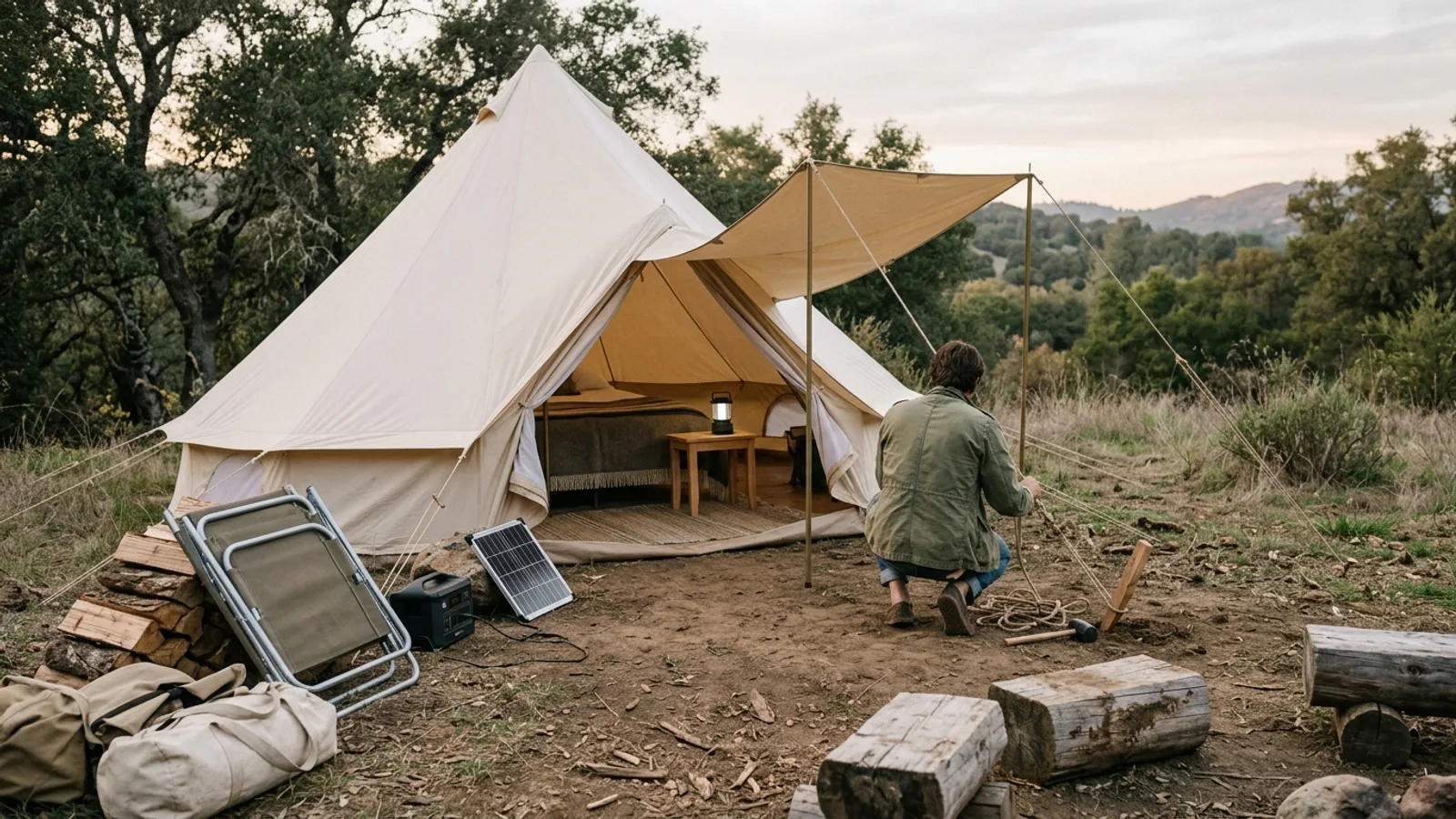
Turning a piece of land into a working glamping site means balancing guest experience against practical constraints: land, water, power, access, and local rules. This guide walks through the major decisions in a rough order of operations, so you can plan before you build rather than untangle problems after.
Choosing a Location
The land itself sets the ceiling on what your glamping site can become. Before committing to a parcel, walk it in different weather and at different times of day. Look for natural drainage patterns, shade, wind exposure, and views, since these affect both guest comfort and where structures can safely sit.
Consider these factors together, not in isolation:
- Proximity to a draw: Sites near recognizable natural features — water, trailheads, forest, coastline — tend to have an easier time attracting guests than sites that rely purely on the accommodation itself.
- Access: Guests need a reasonable road or trail to reach the site, and delivery vehicles, waste haulers, and emergency responders need it too. A stunning but unreachable site will struggle.
- Existing demand: Look at how other lodging and outdoor recreation businesses are doing in the surrounding region. A gap in accommodation type or price point often signals opportunity; an oversaturated market signals caution.
- Land constraints: Slope, soil type, floodplain status, and vegetation all affect what you can build and where. A site that requires extensive grading or fill will cost more in time and effort than one that works with existing terrain.
Talk to people who already do business in the area — outfitters, campground operators, tourism offices — before finalizing a site. Their read on seasonality and visitor patterns is usually more useful than any general market data.
Designing the Site
Good glamping design balances privacy with a sense of shared place. Most successful layouts space individual accommodations far enough apart that guests can't hear or see their neighbors, while still connecting everyone to shared paths and common areas.
Accommodation Types
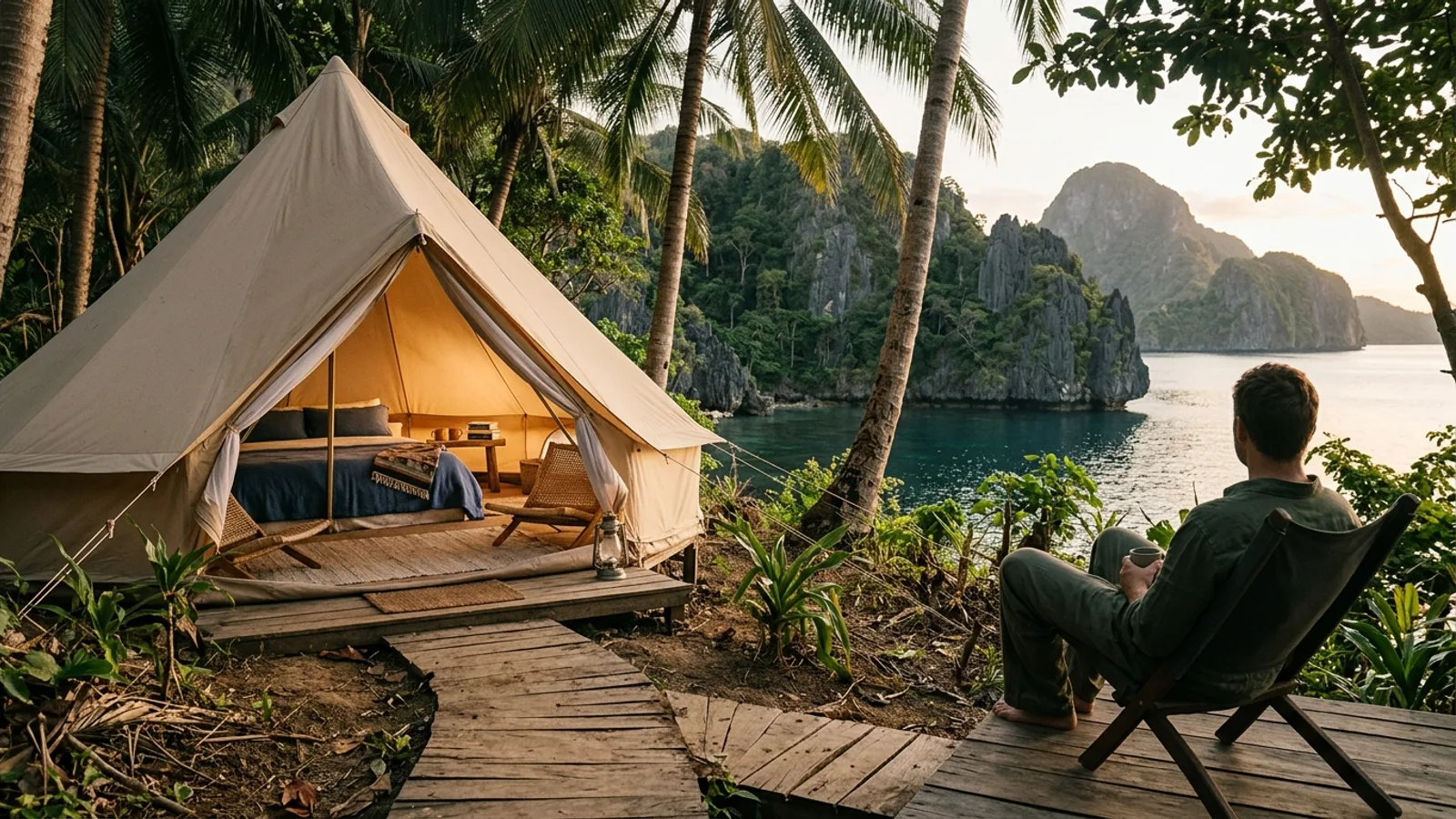
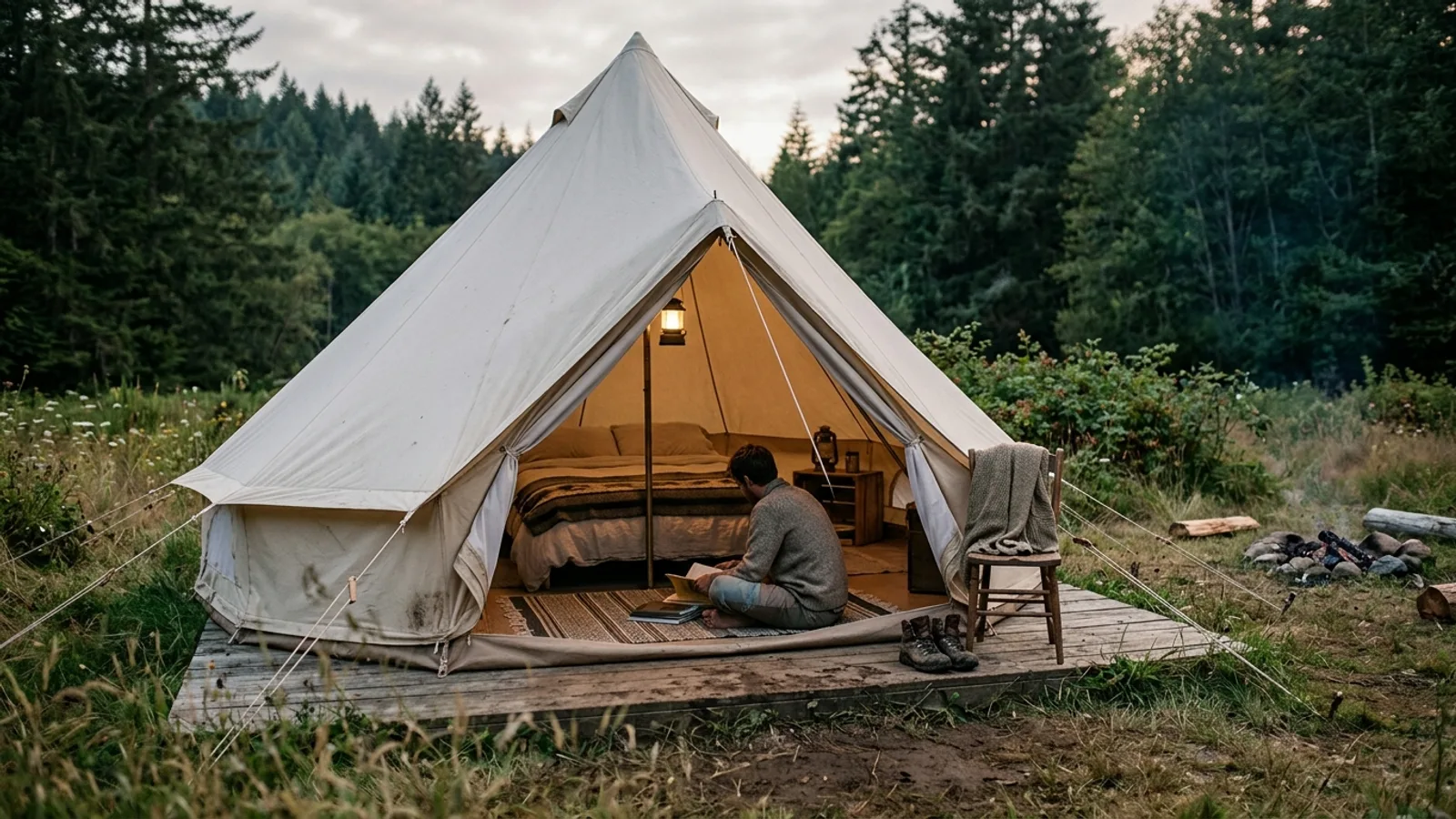
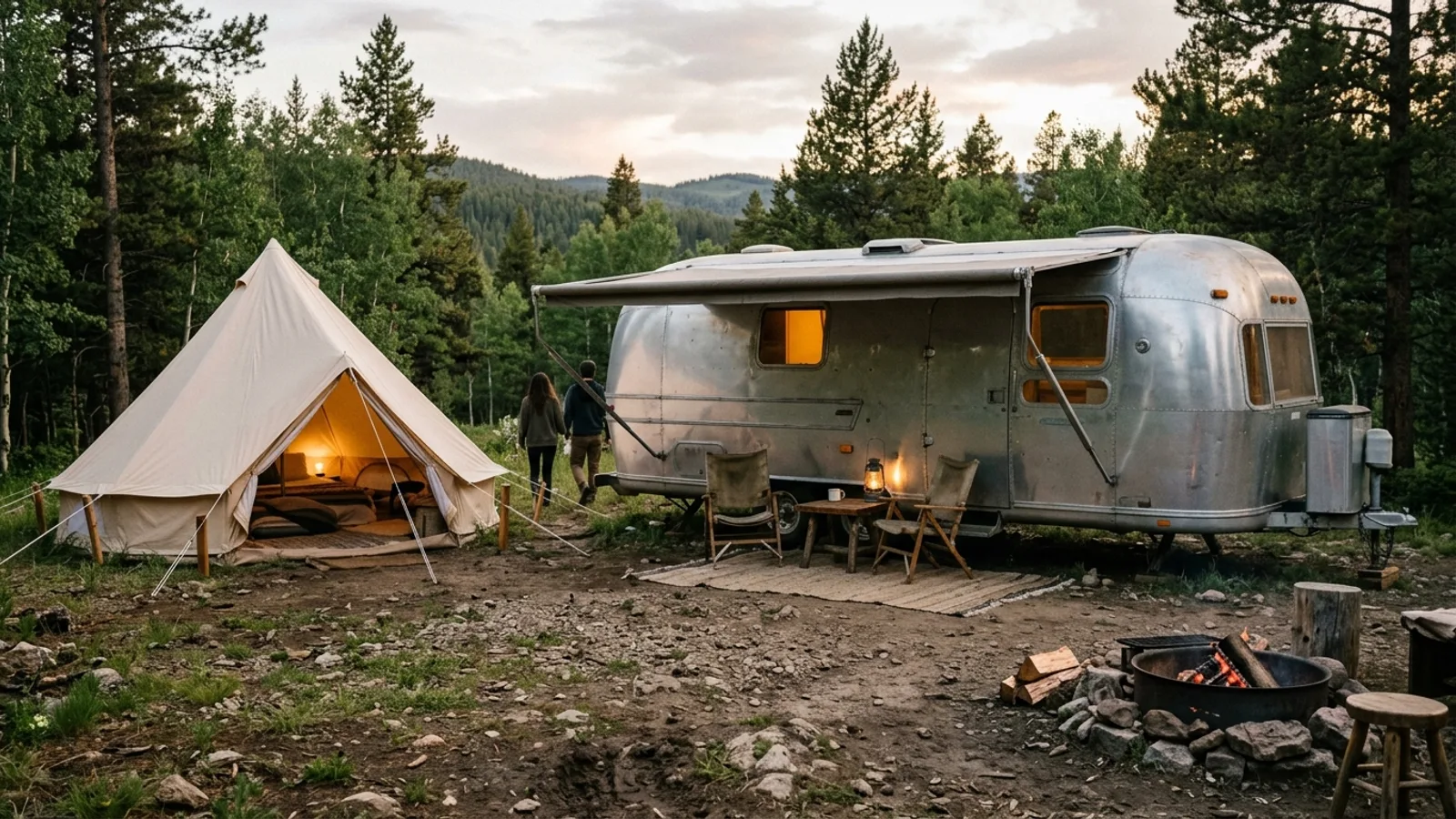
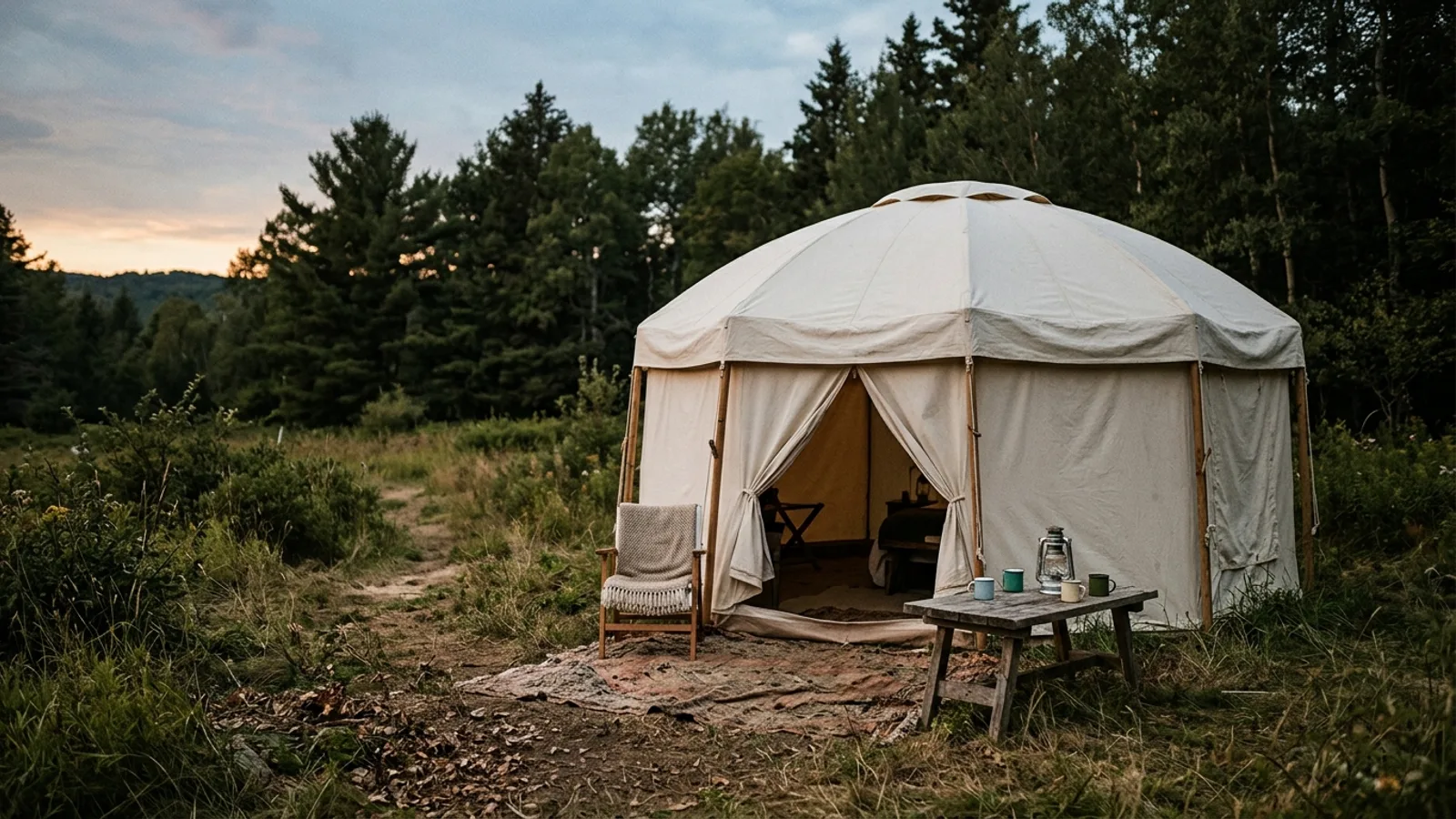
Canvas tents, yurts, cabins, and repurposed structures each create a different feel and come with different maintenance demands. Fabric structures are usually quicker and cheaper to set up but need more seasonal upkeep and weatherproofing attention. Hard-sided structures cost more upfront but hold up better to extreme weather and require less annual maintenance.
Common Areas
A shared gathering space — a fire circle, covered dining area, or lounge — gives guests a reason to interact and gives your site a social anchor. Even solo travelers often value having somewhere communal to go, as long as private retreat space is also available.
Amenities
Guest expectations for glamping tend to run higher than for standard camping. Real beds, proper linens, some form of climate control, and private or near-private bathroom access are usually the baseline for the category. Beyond that, amenities like outdoor showers, soaking tubs, or small kitchenettes can differentiate a site, but each one adds plumbing, power, or maintenance complexity.
Infrastructure
Power, water, and waste systems are the backbone of the operation and the hardest to retrofit later. Decide early whether you'll run utilities to each unit or centralize them in shared facilities. Off-grid systems — solar power, composting toilets, graywater systems — can reduce infrastructure cost and environmental impact, but they require reliable maintenance routines and backup plans for periods of heavy use or bad weather.
Permits, Regulations, and Legal Compliance
Requirements vary widely by jurisdiction, so treat any general list as a starting point, not a substitute for checking with your local planning and health departments. Common categories to research include:
- Land use and zoning approval for temporary or permanent structures
- Building or occupancy permits for each accommodation type
- Health department approval for water supply, sanitation, and food service if offered
- Fire code compliance, including access routes for emergency vehicles and clearance around structures
- Environmental permits related to septic systems, wells, or work near water bodies
- Business licensing and applicable lodging or occupancy taxes
Start conversations with local building, health, and fire officials early in the planning process, before you've invested heavily in a specific design. Officials can often flag problems with a plan long before construction, saving significant rework later. If the regulatory landscape is unfamiliar, a land-use attorney or permitting consultant with local experience can shorten the process considerably.
Community relationships matter too. Neighbors and local residents are more likely to support a new operation — and less likely to raise formal objections during permitting — if they've been informed about the project and given a chance to ask questions beforehand.
Safety Basics
Every accommodation should have a working smoke detector and, where applicable, a carbon monoxide detector, along with clear guidance for guests on what to do in an emergency. Fire safety deserves particular attention: keep flammable vegetation cleared around structures, restrict open flames to designated areas, and make sure the site has an emergency vehicle access route that stays clear year-round.
Post basic emergency information in every unit, including the nearest route to help and what to do in severe weather. If the site is remote enough that cell coverage is unreliable, consider a backup communication method for staff.
A Setup Checklist
- Confirm land suitability: drainage, slope, vegetation, and floodplain status
- Secure zoning approval and required permits before construction begins
- Plan utility infrastructure: water source, power, waste and sanitation
- Choose accommodation types and finalize a site layout with adequate spacing
- Design common areas and guest amenities
- Install fire safety equipment and establish an emergency response plan
- Set up signage for wayfinding, emergency exits, and site rules
- Establish a maintenance schedule for structures, utilities, and grounds
- Decide on staffing needs for check-in, cleaning, and maintenance
- Build a simple website and booking system before opening
Marketing the Site
Strong photography does more work than almost any other marketing effort for glamping, since the appeal is largely visual. Invest time in capturing the accommodations, the surrounding landscape, and the overall atmosphere in good light.
A clear, fast-loading website with straightforward booking is worth more than a large but disorganized social media presence. Use social platforms to build awareness and share real guest experiences, but make sure every post ultimately points back to a simple way to check availability and book.
Encourage guests to leave reviews after their stay — genuine reviews on independent platforms carry more weight with prospective guests than any self-promotion. Partnerships with local tourism offices, outfitters, and small businesses can also extend your reach to travelers who are already planning trips to the region.
Final Thought
The sites that succeed long-term tend to be the ones where the infrastructure decisions, permitting, and guest experience were all considered together from the start, rather than layered on one at a time. Slow down on the planning phase; it's far easier to adjust a design on paper than to retrofit a completed site.