Festival Camping Checklist: What to Pack for a Comfortable Weekend
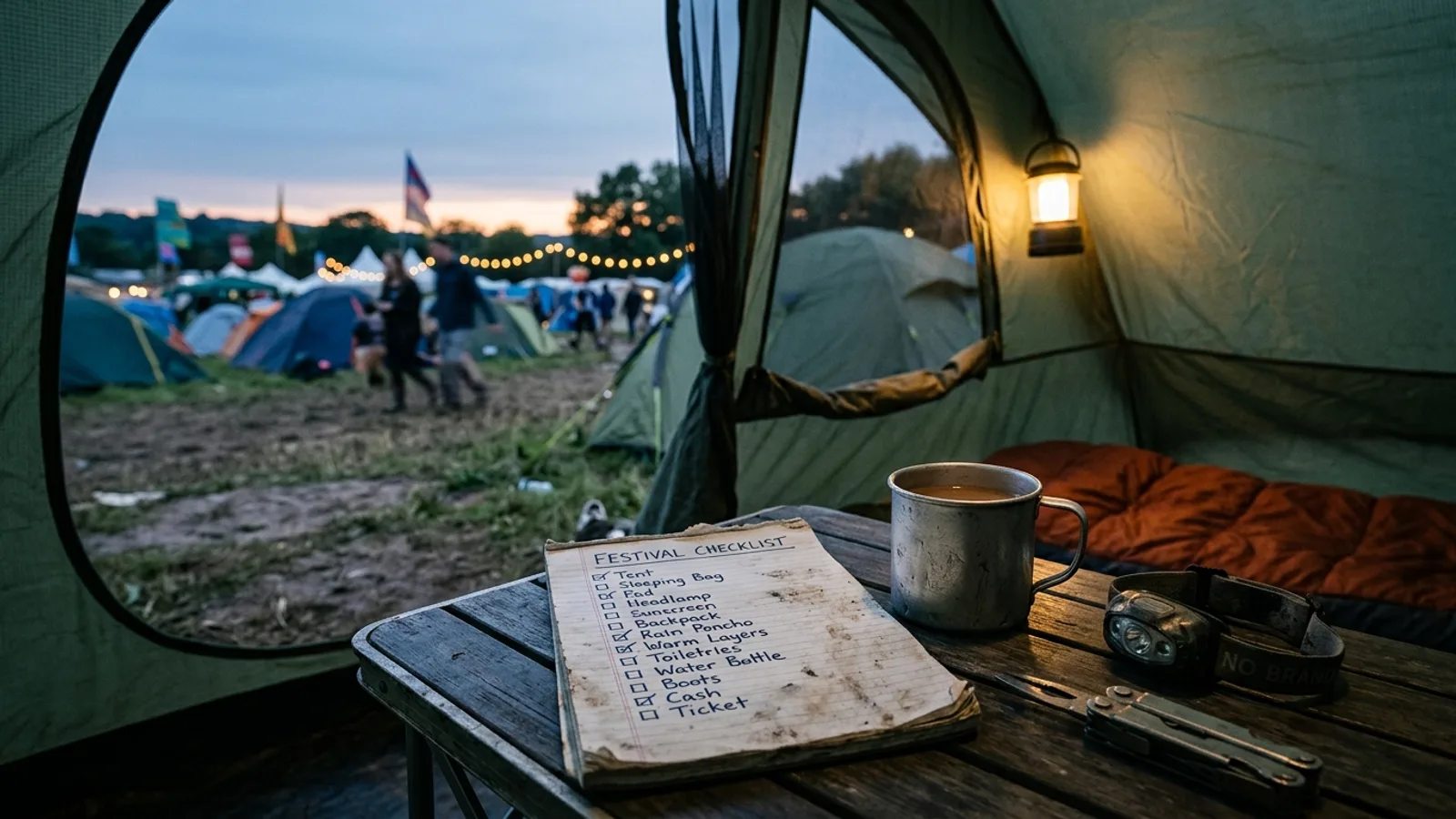
Festival camping combines the logistics of regular camping with the crowding, noise, and long days of a live event. The difference between a smooth weekend and a miserable one usually comes down to preparation: shelter that holds up, a way to stay clean, and a plan for food that doesn't depend on a fire pit or picnic table.
Shelter and Sleep
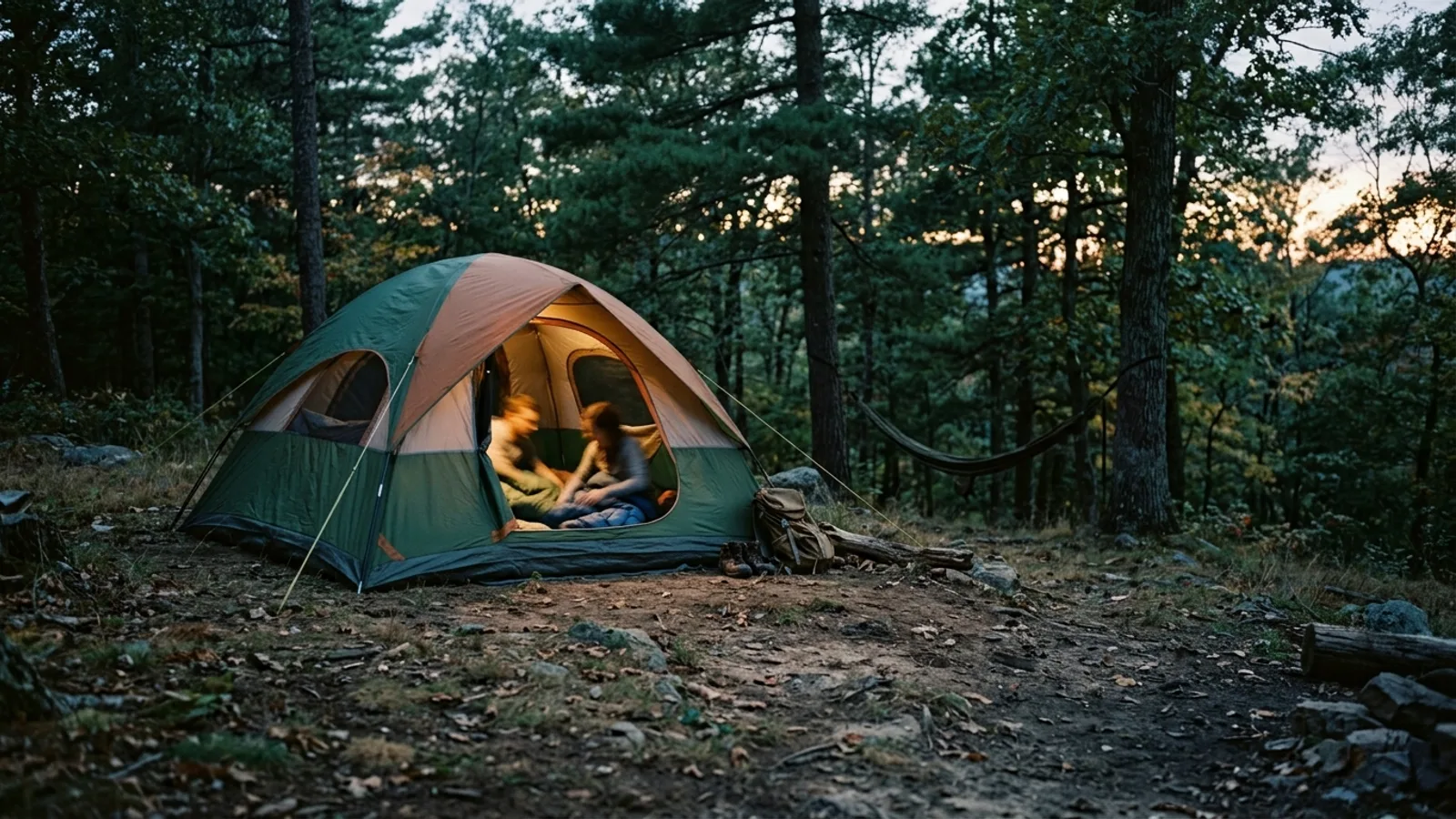
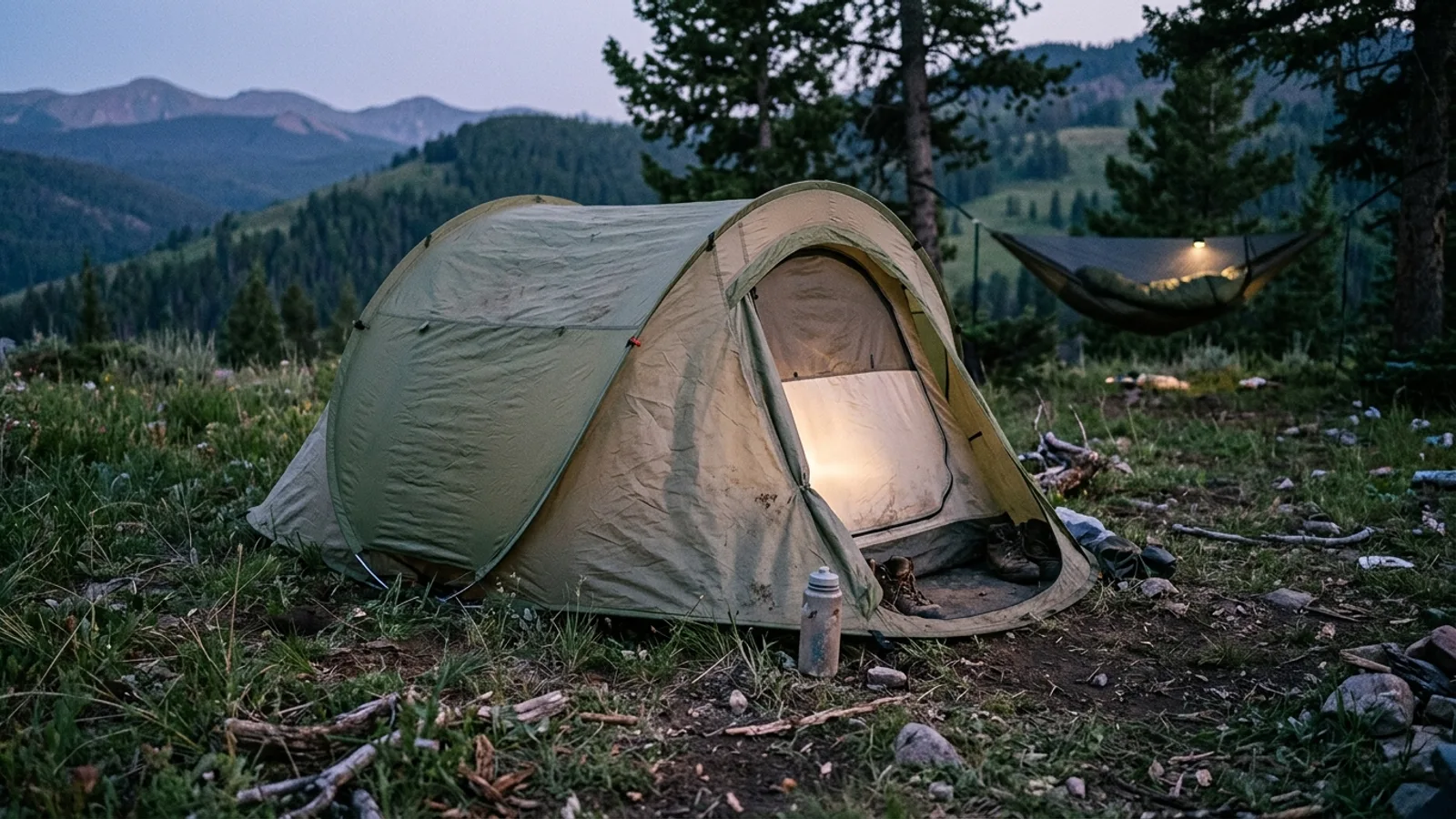
Choose a tent you've set up at least once before arriving. Festival campgrounds are often grassy fields or gravel lots with little shade, so a tent with good ventilation and a rainfly matters more than size. Stake it down properly even if rain isn't in the forecast; wind across an open field can be relentless.
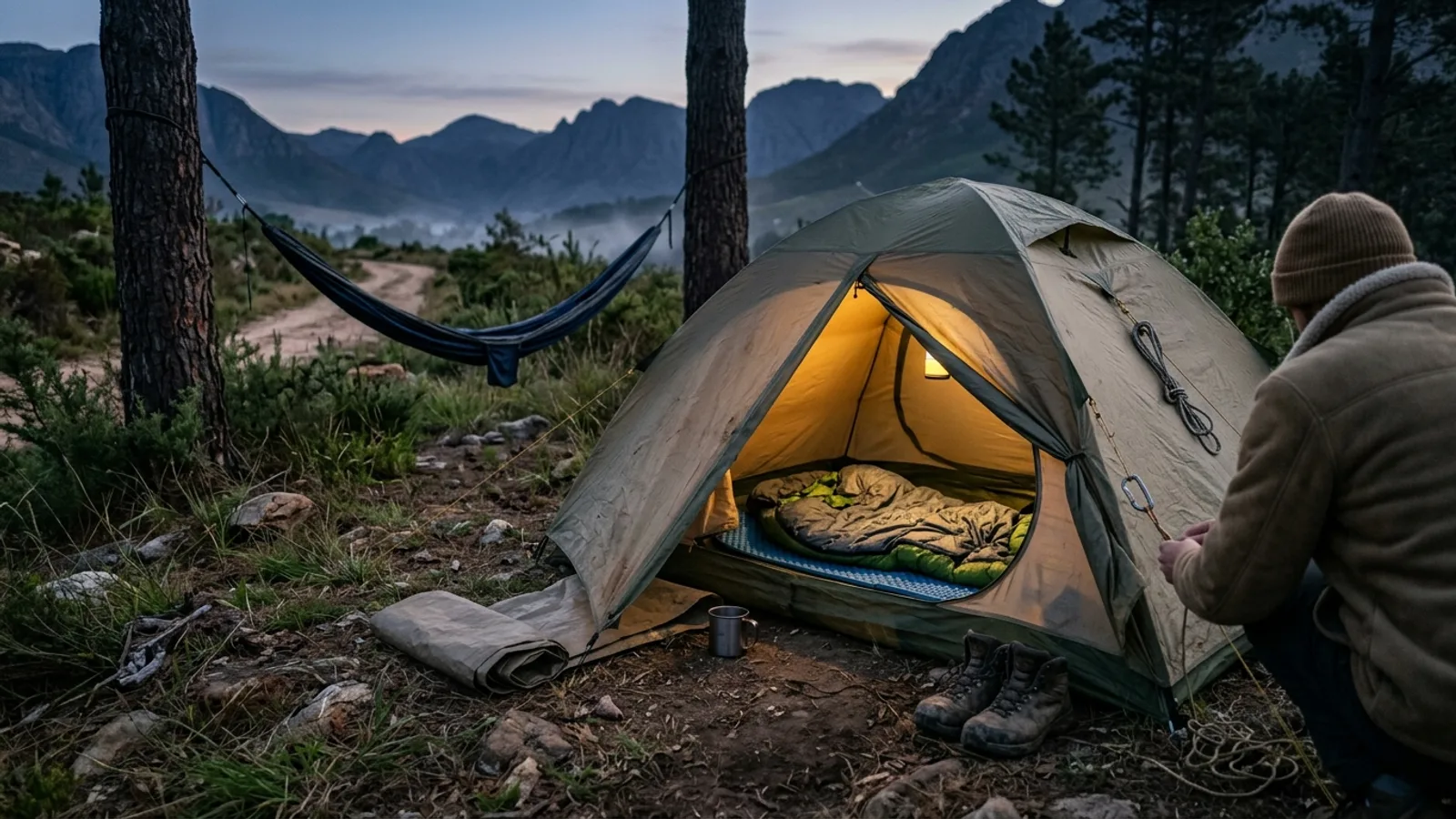
Bring sleeping pads or an inflatable mattress rather than relying on the tent floor alone — insulation from the ground affects sleep quality as much as temperature does. Pack a blanket or lightweight sleeping bag even in warm climates, since nights can cool off quickly once the sun goes down.
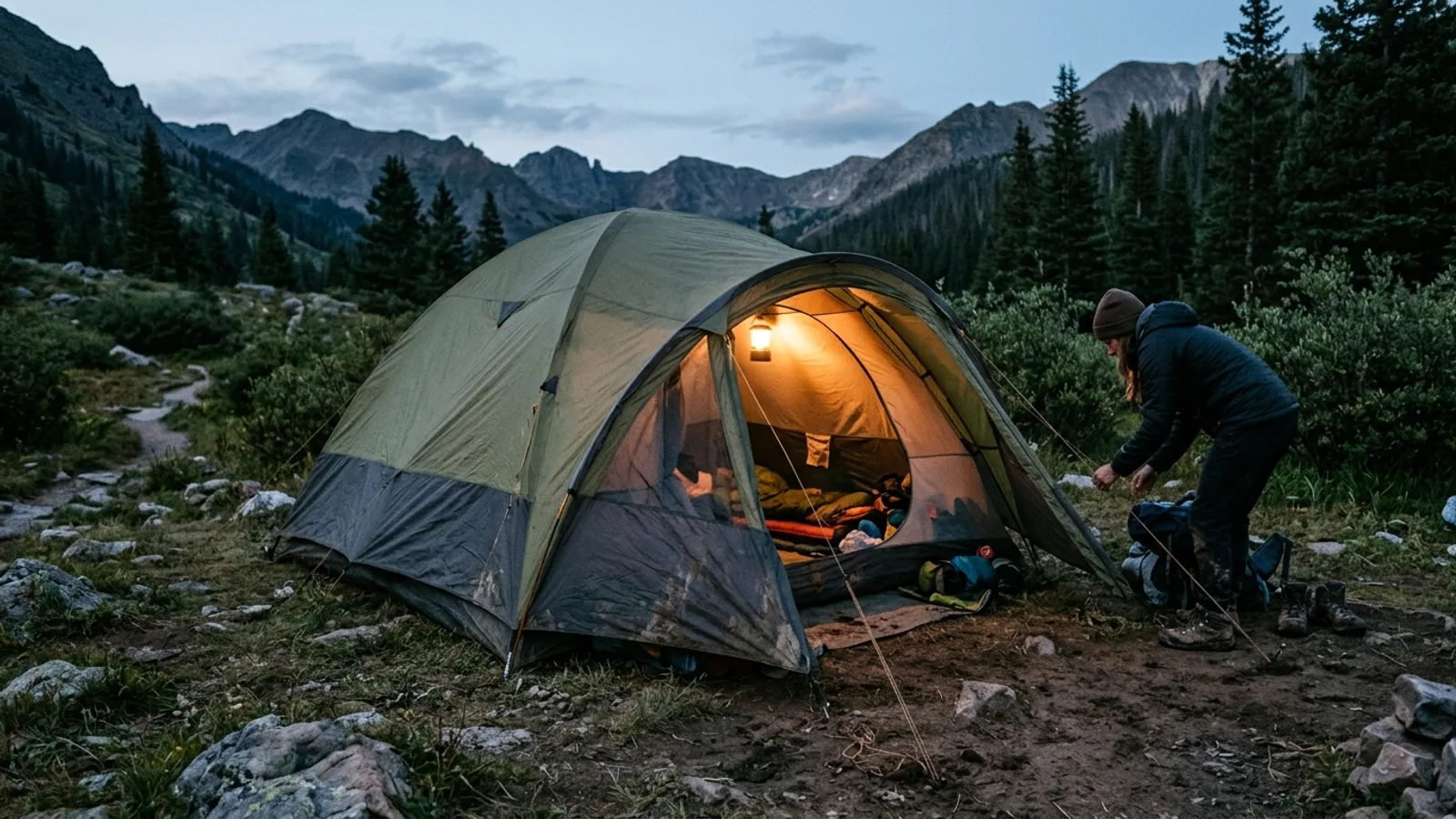
A tarp under the tent footprint protects against ground moisture, and a second tarp or the tent's vestibule gives you a dry place to store shoes and gear. Bring enough light sources — a headlamp for hands-free use plus a lantern for the inside of the tent — since festival campgrounds are often dark and crowded with unfamiliar tent rows.
Campsite Setup and Comfort
Camp chairs, a folding table, and a cooler make the difference between a functional site and a place you actually want to spend time. Mark your tent with something visible from a distance — a flag, a piece of colored tape, or a distinct decoration — so it's easy to find in a sea of identical tents at night.
Bring a way to secure valuables, whether that's a lockable container or simply keeping essentials with you rather than left in the open. Basic tools — a small multitool, some cord, and extra stakes — solve most setup problems that come up over a multi-day stay.
Battery packs or a small portable power source keep phones charged, which matters for coordinating with your group and for emergencies. Whatever you bring, plan to pack it all out again: most festival campgrounds expect campers to leave the site as they found it.
Food and Cooking
Simple, low-effort food works best. Items that need no refrigeration or cooking — bars, nuts, dried fruit, bread and spreads — cover breakfast and snacking without any prep. For hot meals, a compact camping stove with a couple of fuel canisters lets you make coffee, soup, or a quick one-pot dinner without depending on the festival's food vendors for every meal.
Pack more water than seems necessary. Between walking, heat, and alcohol if you're drinking, hydration needs run higher at a festival than at a typical campsite. A couple of large water jugs at camp, refilled as needed, are more reliable than relying solely on bottles carried in.
Keep perishables in a well-packed cooler with ice replenished daily, and store food away from tents overnight if the campground has any wildlife concerns.
Hygiene and Personal Care
Festival campgrounds rarely have real showers, so plan around that. A portable solar shower or a supply of body wipes covers the basics between opportunities to actually rinse off. Baby wipes are useful well beyond hygiene — for cleaning hands, cooling off, or wiping down gear.
Pack the essentials: toothbrush and toothpaste, deodorant, sunscreen, and lip balm with SPF. Bring a small first-aid kit with basic pain relievers, blister care, and anything specific to your own health needs. Hand sanitizer earns its space many times over at an event with limited handwashing stations.
If you take regular medication, bring enough for the full trip plus a buffer, and keep it in its original packaging. Anyone using contacts should pack extra solution and consider glasses as a backup, since dust and long days can make contacts uncomfortable.
Clothing and Footwear
Layers handle the swing between hot afternoons and cool nights better than any single heavy item. Pack a hat or bandana for sun protection, a lightweight rain layer, and enough socks to change out if your feet get wet or sweaty.
Footwear is the single most consequential packing decision. Choose shoes already broken in, comfortable for standing and walking over many hours, and suited to whatever ground conditions the venue has — dusty, muddy, or uneven terrain all call for different soles. A backup pair, even simple sandals, is worth the space in case the first pair gets soaked.
Getting There and Getting Settled
Check the weather forecast for the venue in the days leading up to departure and adjust your packing list accordingly — a forecast that looks clear at booking time can change completely by the event. Pack your vehicle with an eye toward what you'll need first: tent and setup gear should be easy to reach, not buried under everything else.
If early arrival is an option, use it. Getting to the campground earlier in the day generally means more choice in campsite location and fewer crowds to navigate while setting up. Once you're parked, a small backpack or hydration pack lets you carry daily essentials — water, sunscreen, a phone, some cash — without needing to return to your tent constantly.
A Few Extras Worth the Space
- Earplugs, useful for actual sleep in a loud, crowded campground
- A dry bag or ziplock bags to protect electronics from dust or rain
- Cash and a physical copy of your ticket or ID, in case phone batteries die
- Duct tape and a length of cord, which solve more problems than almost anything else in a pack