How to Choose a 4-Person Tent: A Practical Buying Guide
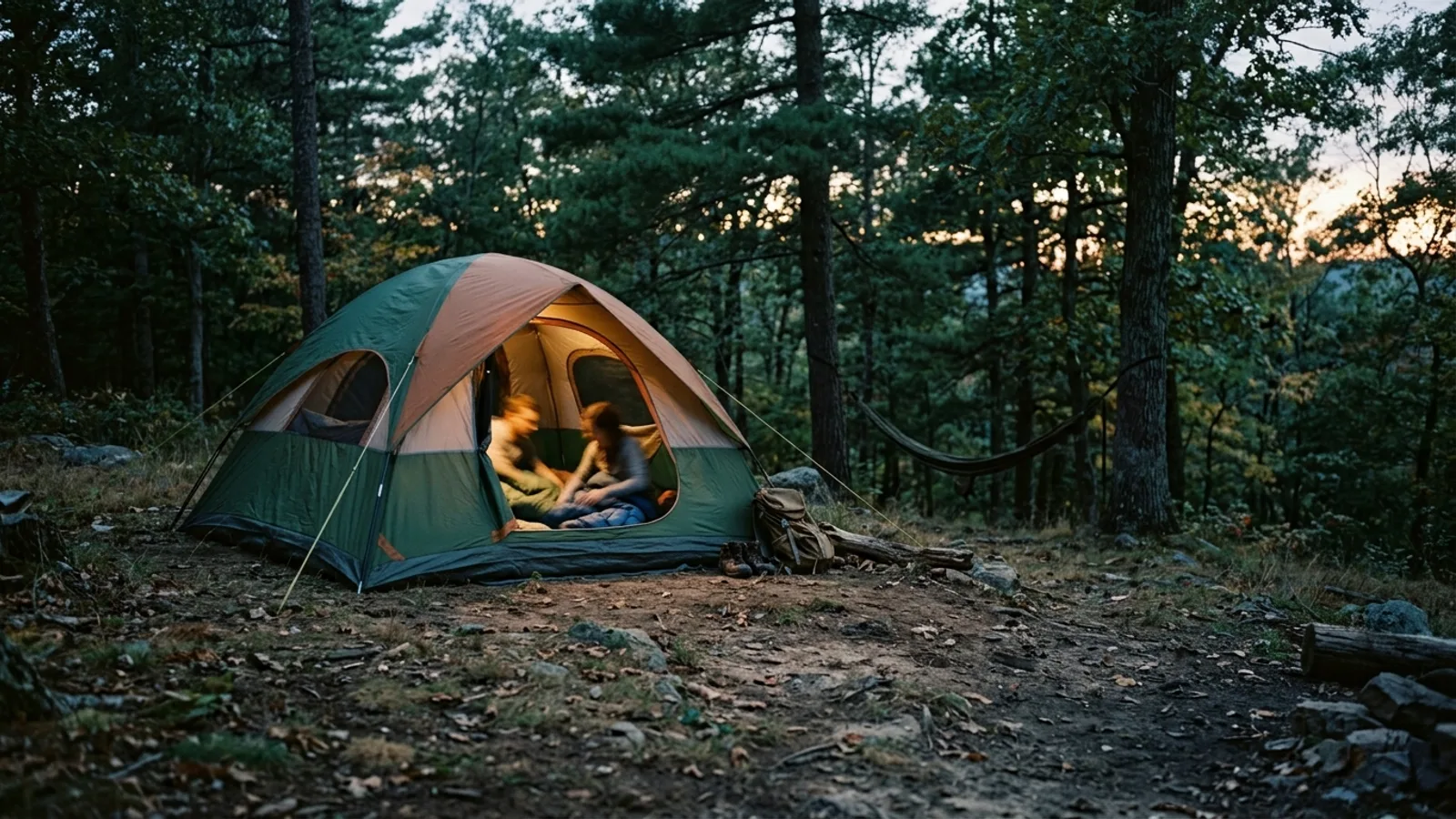
A "4-person tent" is a floor-space rating, not a comfort rating. Most models fit four adults with sleeping bags and little else — no gear, no room to sit up and move around. If you want genuine comfort for four, along with space for packs and boots, it helps to think of a 4-person tent as ideal for two adults and two kids, or three adults traveling light. Understanding this upfront will save you from a cramped, frustrating first night.
Size and Capacity
Floor dimensions matter more than the person rating printed on the box. Measure your sleeping pads and gear, then compare against the tent's listed floor length and width. A tent in the range of roughly 55 to 65 square feet of floor space is typical for a true 4-person model, but usable space depends heavily on wall shape.
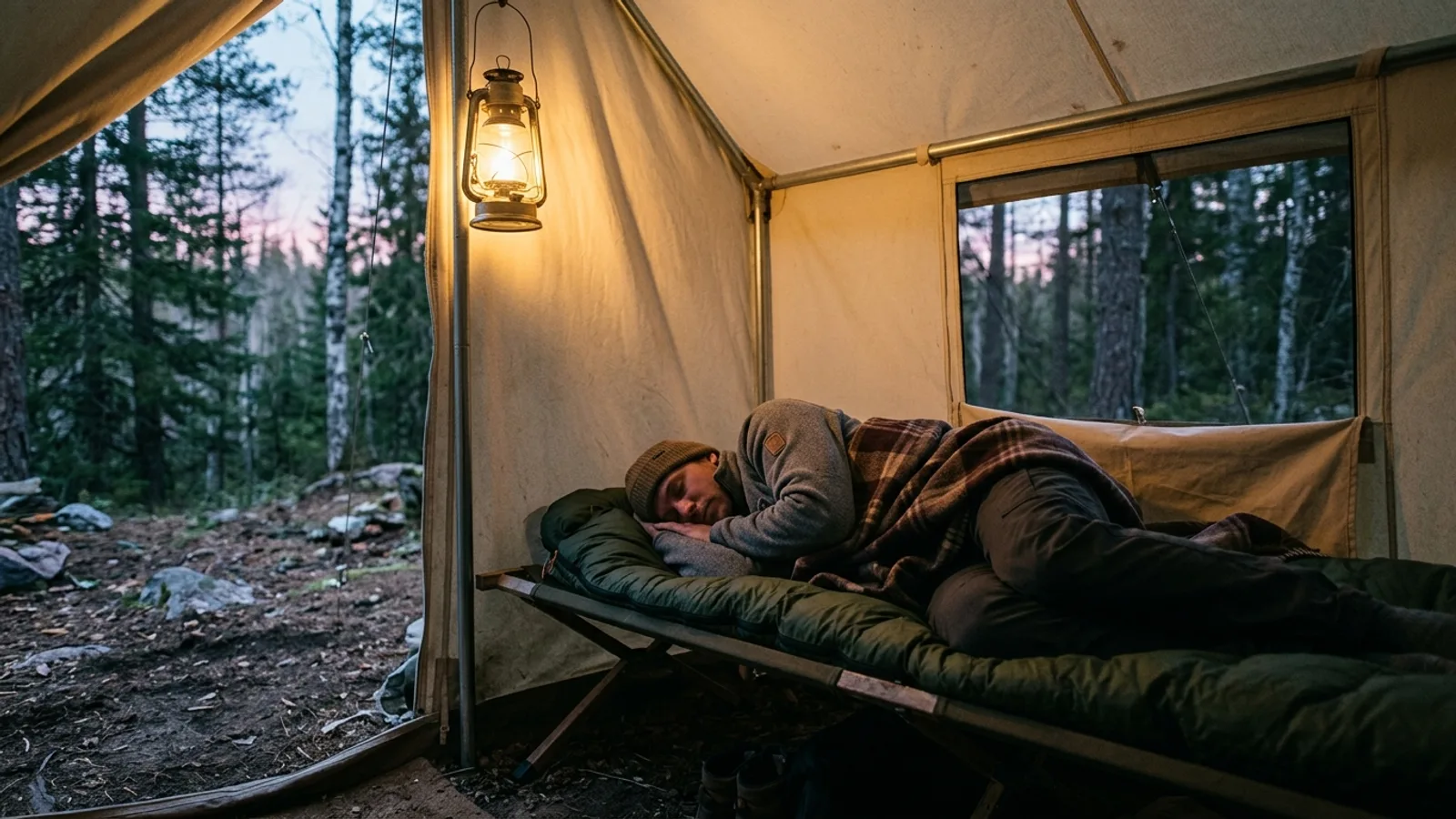
Tents with steep, near-vertical walls feel far roomier than those with sharply sloped sides, even at the same floor size, because more of the interior volume is usable for sitting up and storing gear. Peak height matters too: a tent under about five feet of center height will feel tight for anyone over average height, since you'll be crouching for most tasks inside.
If you regularly camp with kids, gear, or a dog, consider sizing up. A 6-person tent used by a family of four often ends up more comfortable than a 4-person tent used by the same group.
Durability and Weather Resistance
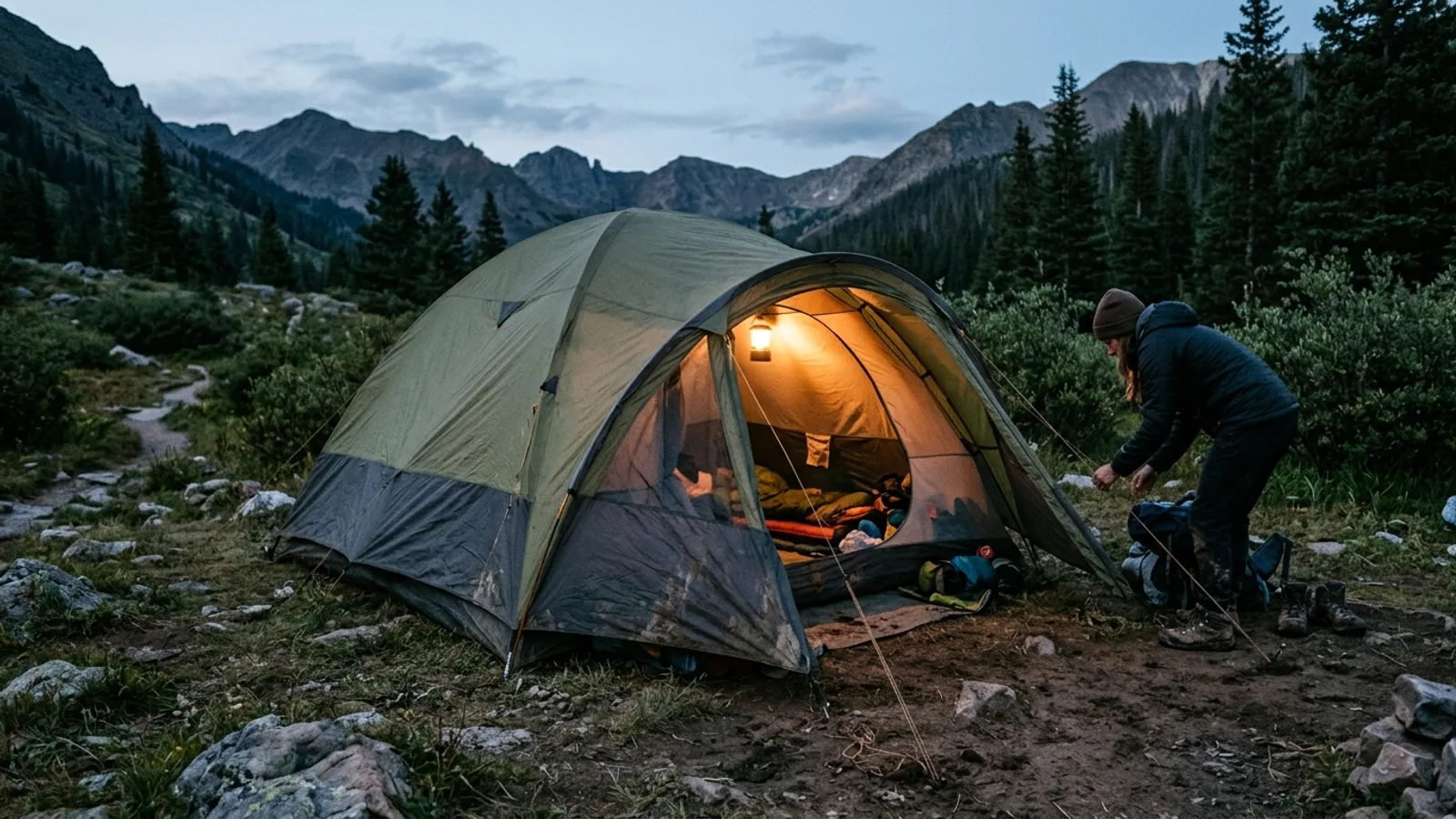
Look for taped or sealed seams, since stitching alone will leak under sustained rain. A separate rainfly that extends well past the tent body and creates a vestibule area offers meaningfully better protection than a fly that sits flush against the walls.
Floor material matters as much as the walls. A bathtub-style floor, where the waterproof material extends several inches up the sidewalls before meeting mesh or fabric, keeps ground moisture and runoff from seeping in during rain.
Pole material affects how a tent handles wind. Aluminum poles are generally more durable and less prone to snapping in gusty conditions than fiberglass, though they typically add some cost and weight. If you expect to camp somewhere exposed or windy, prioritize a tent with a full-coverage rainfly and a freestanding frame design that can be staked down at multiple points.
No tent is guaranteed waterproof forever. Seam sealant and fabric coatings wear down with sun exposure and use, so reapplying seam sealer periodically extends the life of an older tent.
Ventilation and Airflow
Condensation is the enemy of a comfortable night's sleep, especially in humid conditions or when several people are breathing inside a closed tent. Mesh panels on the upper walls, paired with a rainfly that has adjustable vents, let warm moist air escape without letting rain in.
A ground-level vent or two opposing doors that can be opened to create cross-breeze both help significantly in warm weather. In colder conditions, you'll want the option to close off mesh panels with solid fabric panels to retain warmth, so a tent with adjustable venting works across more seasons than one with fixed mesh.
Ease of Setup and Portability
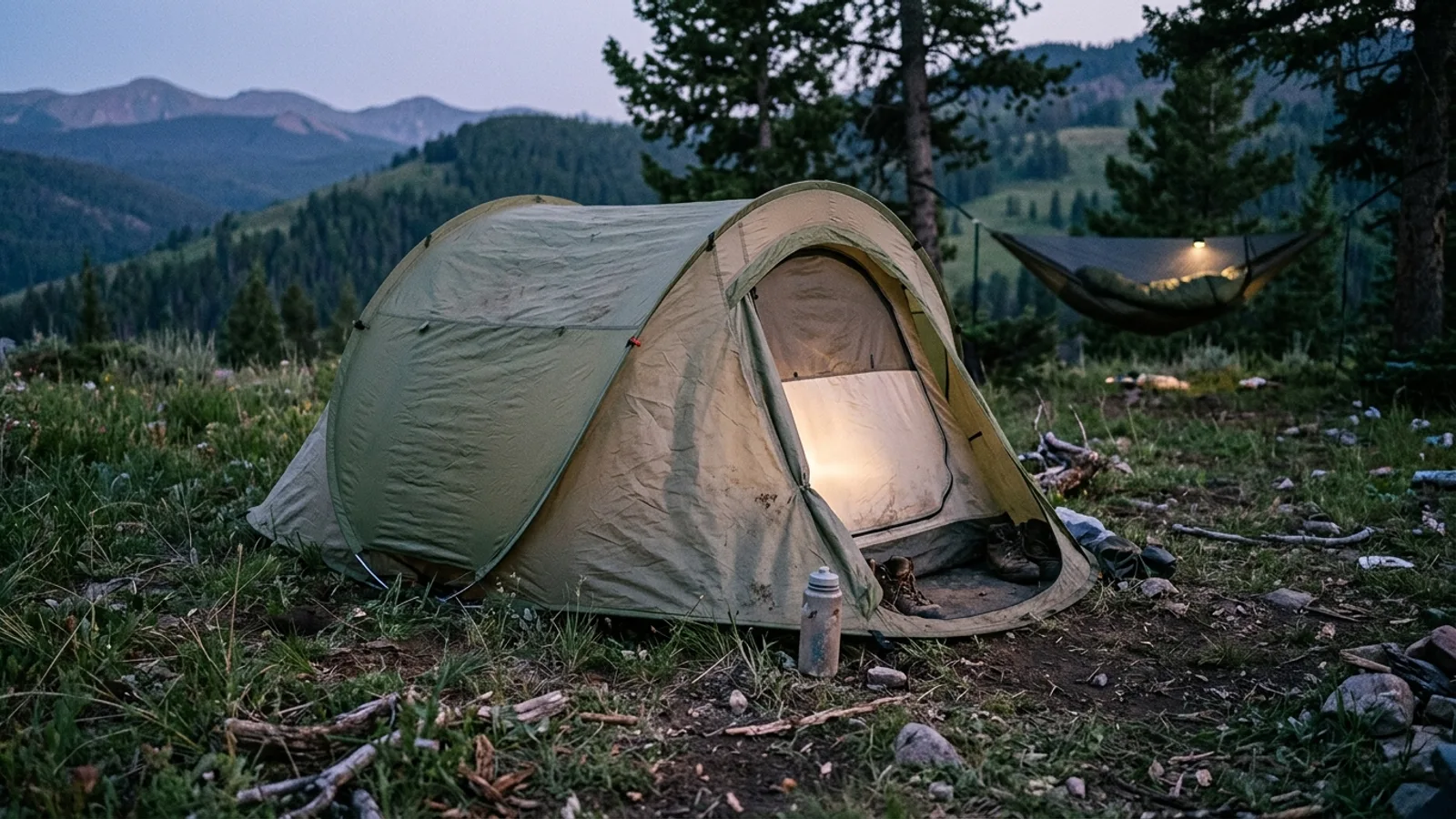
Freestanding tents with color-coded, pre-attached, or shock-corded poles are the fastest to pitch and easiest to learn, which matters most if you'll be setting up in the dark or in bad weather. Instant or pop-up style tents trade some durability and weather performance for speed, which can be a reasonable trade for car camping trips where wind and heavy rain are less likely.
Weight and packed size matter if you'll be carrying the tent any distance from a vehicle. A 4-person tent intended for car camping can weigh considerably more than one designed with backpackers in mind, so check the packed weight if you'll need to carry it in.
Practice pitching any new tent at home before your first trip. Learning the pole configuration and stake pattern in your yard, in good light and with no rain, makes real-world setup far less stressful.
Care and Longevity
Always dry a tent fully before packing it away for storage; folding away a damp tent invites mildew that can permanently damage fabric and create odors. Store the tent loosely rather than tightly stuffed, since tight, repeated folding along the same creases weakens the coating over time.
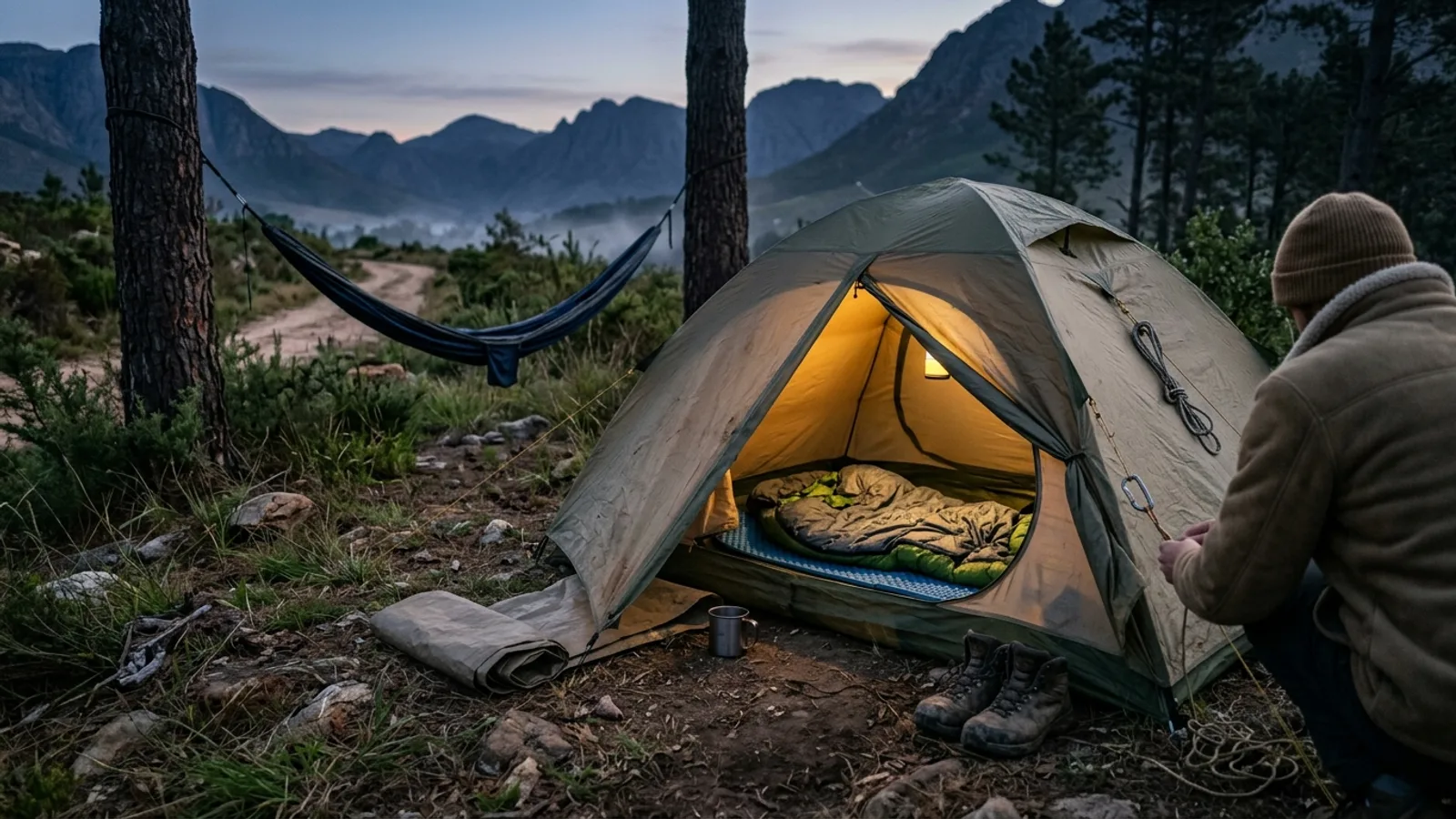
Avoid pitching directly on sharp gravel or debris without a footprint or ground tarp underneath, since abrasion from the ground is one of the most common causes of floor leaks. A footprint cut slightly smaller than the tent's floor, so it doesn't collect rain underneath, will extend the life of the tent considerably.
Frequently Asked Questions
Can a 4-person tent comfortably fit four adults?
It can, but expect a snug fit with little room for gear inside. If comfort and storage space matter as much as sleeping room, a 6-person tent is often a better fit for four adults.
What's the most important feature for wet-weather camping?
A full-coverage rainfly combined with taped seams and a bathtub floor. Ventilation features matter too, since a sealed-up tent in the rain can accumulate condensation just as readily as it accumulates leaks.
How do I know if a tent will be easy to set up?
Look for freestanding designs with pre-attached or color-coded poles, and read about how many stakes and guy lines are required for stability. Fewer independent parts generally means a faster, more foolproof setup, especially for solo campers.
Do I need a footprint or ground tarp?
It's not strictly required, but it protects the tent floor from abrasion and adds an extra layer against ground moisture. It's an inexpensive way to extend the tent's lifespan.