How to Choose Camping Gear That Actually Works
Start With How You'll Camp, Not What's Popular
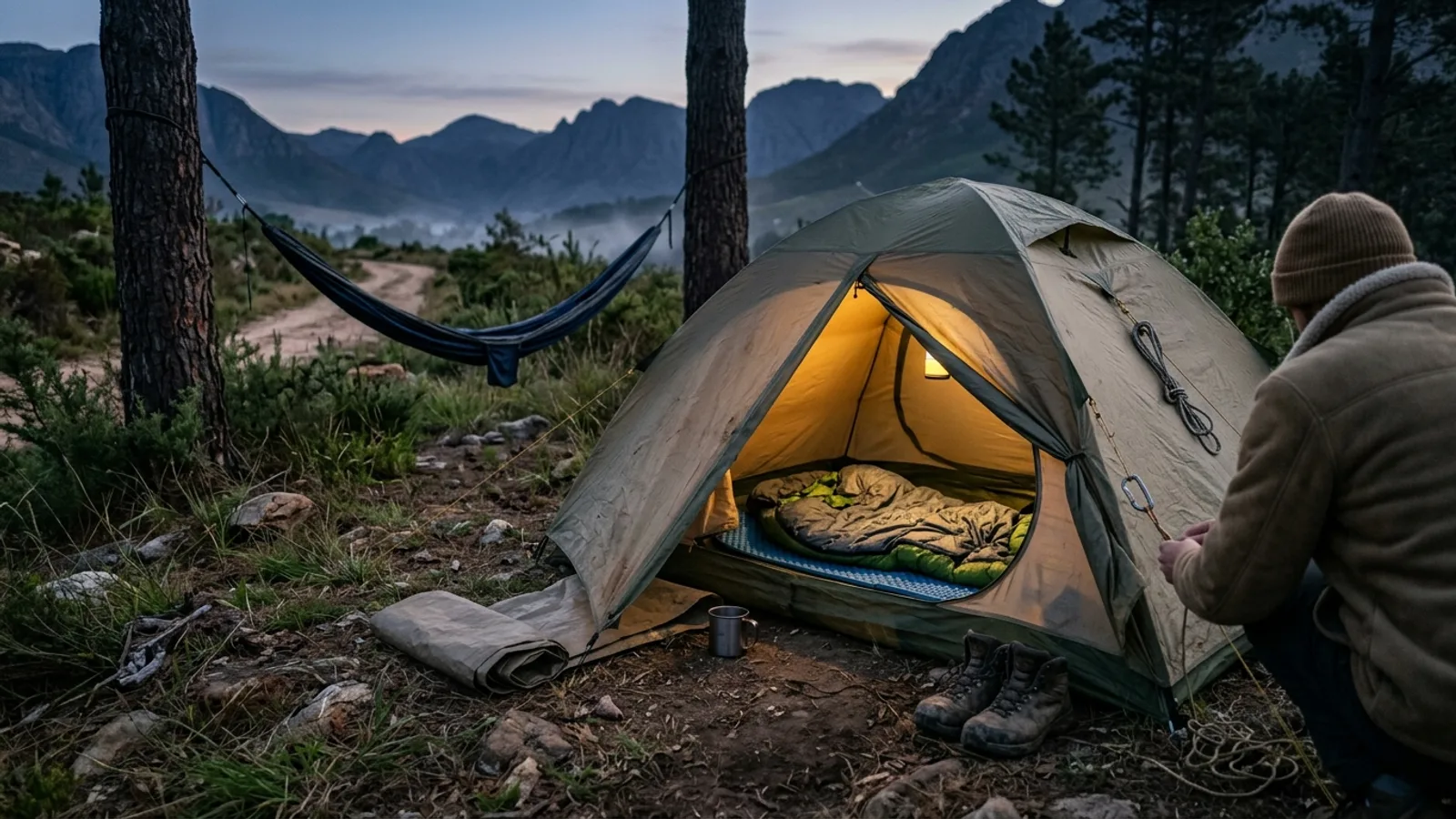
The right gear depends on your trip, not on any single "best" product. A tent that's great for backpacking will feel cramped for a family car-camping weekend, and a roomy family tent is dead weight on a trail. Before buying anything, think through group size, how far you'll carry it, the season, and the terrain you'll pitch on.
Choosing a Tent
Tents are usually sorted by capacity and by how they're carried. Matching those two things to your trip solves most of the decision.
Backpacking Tents
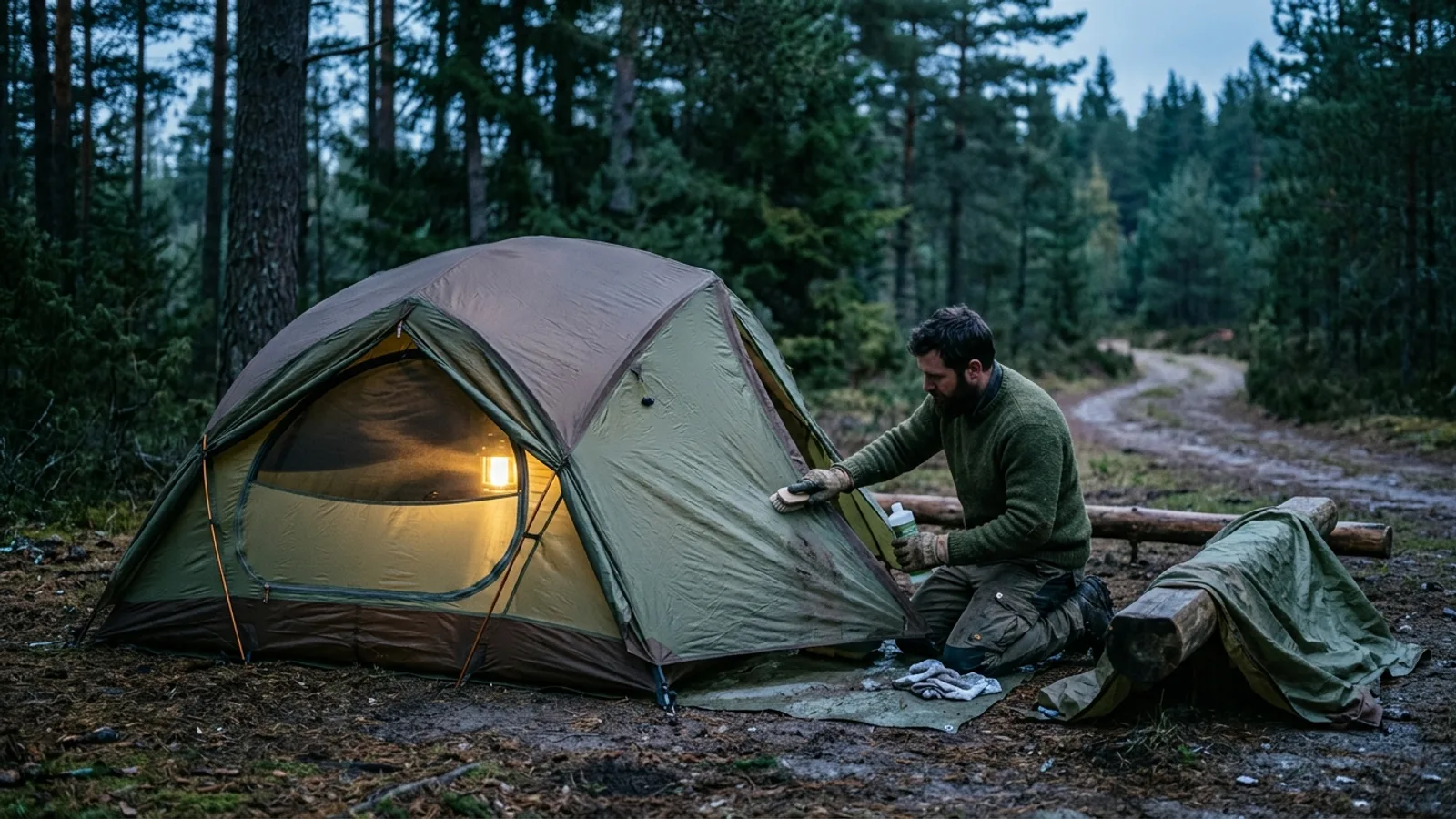
These prioritize low weight and small packed size over interior space. Expect to trade some livability for portability: lower ceilings, tighter vestibules, and thinner fabrics that need more careful site selection to avoid punctures. A two-person backpacking tent typically weighs a few pounds or less. Look for a design that pitches quickly, since you'll often be setting it up in wind, rain, or fading light.
Car Camping Tents
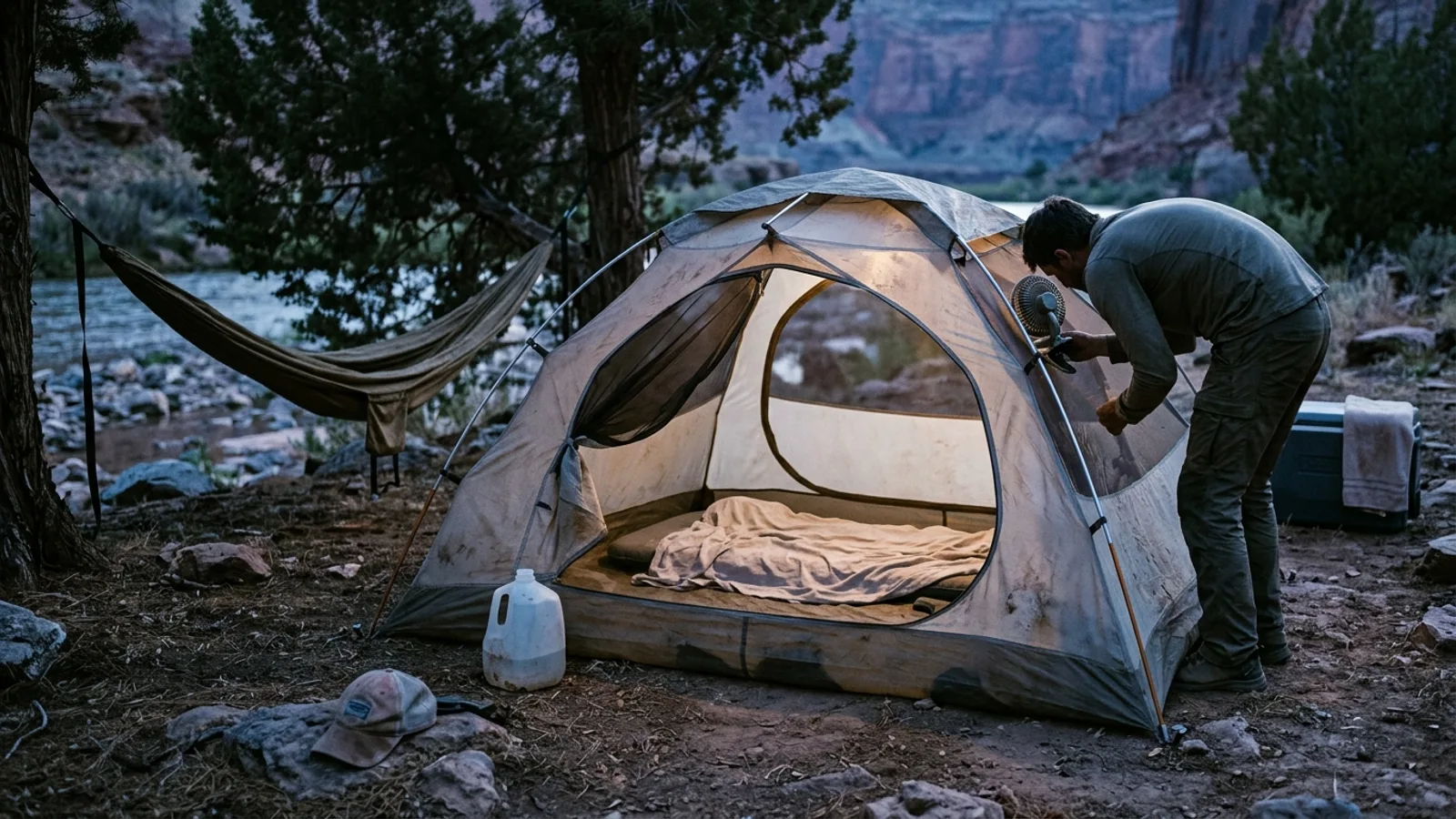
Since you're not carrying these far, weight matters less than livable space. Peak height determines whether you can stand up and change clothes comfortably. Vestibules and extra doors make a big difference in daily convenience, letting you store muddy boots or gear outside the sleeping area and letting one person exit without climbing over another. For groups, look at floor square footage alongside stated sleeping capacity — manufacturer capacity numbers usually assume everyone is lying shoulder to shoulder with no gear inside.
Family and Group Tents
Larger cabin-style and multi-room tents trade wind performance for space and headroom. They work well in established campgrounds but are harder to pitch well in open, exposed sites. If you expect wind, check how the tent is guyed out and staked, and choose a site with some natural windbreak.
Quick-Pitch and Hub Tents
Pop-up and hub-style tents set up fast, which is genuinely useful if you're arriving at a site late or setting up in bad weather. The tradeoff is usually a heavier pack size and sometimes a less structurally rigid design in high wind, so check any stated wind rating before choosing one for exposed or coastal camping.
Sleeping Comfortable
A comfortable night depends more on your sleep system than on the tent itself.
Sleeping Bags
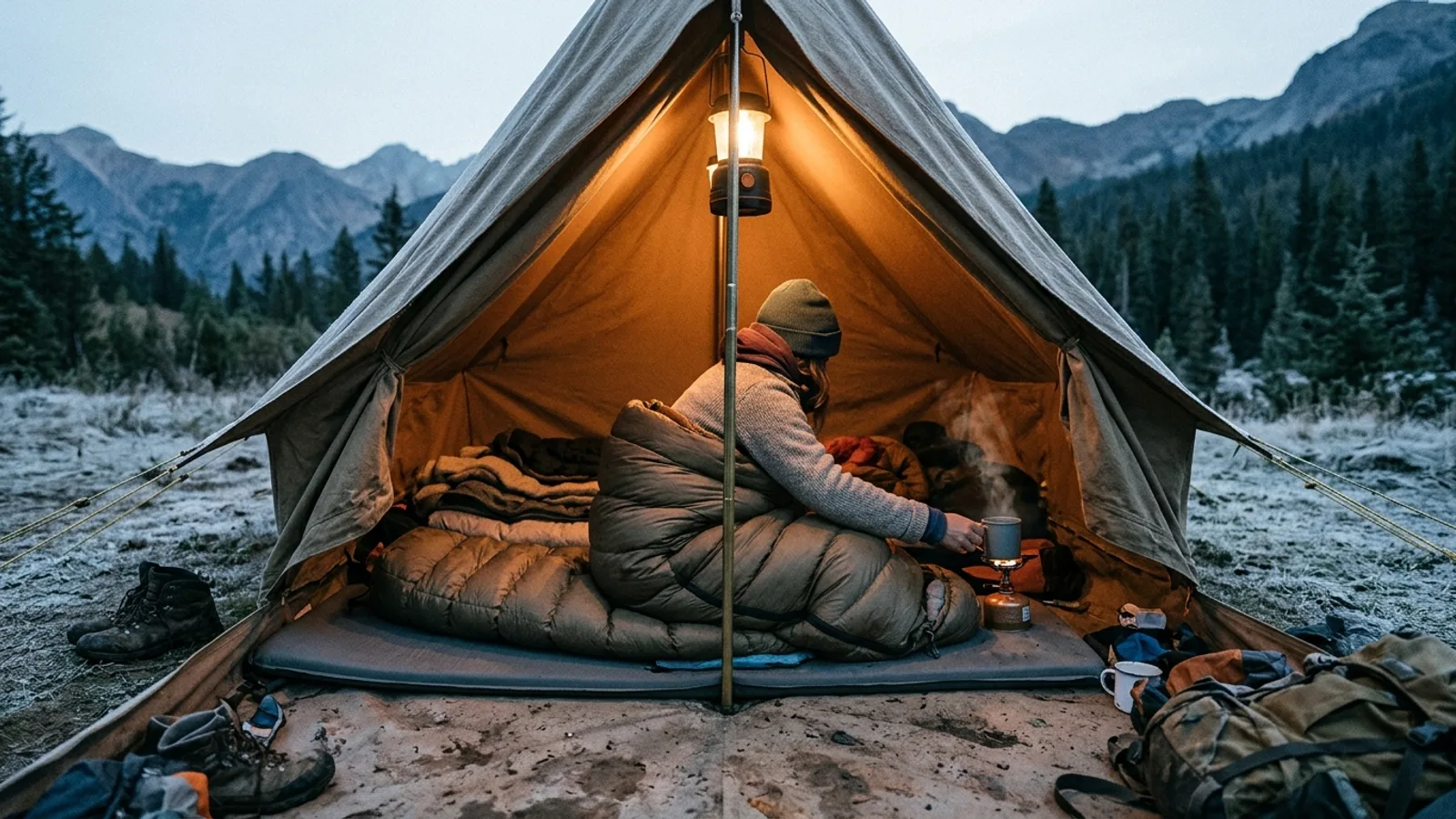
Bags are rated by temperature, but treat that rating as a survival floor, not a comfort guarantee — most people sleep warmer with a bag rated well below the coldest temperature they expect. Shape matters too: mummy bags trap heat better, rectangular bags give more room to move.
Sleeping Pads
Pads do more for warmth than most people expect, since they insulate you from the ground beneath. Inflatable pads pack smaller and insulate well but can puncture; foam pads are nearly indestructible but bulkier. A valve that lets you control inflation and deflation speed makes daily setup and packing noticeably easier.
Pillows and Extra Bedding
A dedicated camp pillow packs smaller than one from home and dries out faster if it gets damp. In cold weather, a lightweight blanket layered over a sleeping bag adds warmth without needing a heavier bag.
The Camp Kitchen
Cooking outdoors goes smoother with a short, deliberate list rather than a full kitchen's worth of gear.
- Stove and fuel: Match the stove to your trip — compact canister stoves are simple and light for small groups, while larger two-burner stoves suit car camping and bigger meals. Always check fuel compatibility and carry slightly more fuel than you think you'll need.
- Cookware: Lightweight, nesting pots and pans save space. Nonstick coatings make cleanup easier but scratch more easily with metal utensils.
- Cooler and food storage: Pack food and drinks separately from ice where possible, and keep the cooler in shade to extend ice life.
- Water treatment: Filters, purification tablets, or a backup method matter anywhere you can't be sure of the water source, even at established campgrounds.
- Trash and waste bags: Pack out everything you bring in, including food scraps, to keep wildlife from associating campsites with food.
Fire, Light, and Evening Comfort
A headlamp is more useful around camp than a handheld flashlight, since it frees your hands for cooking, setting up, or packing. A separate lantern-style light works well for lighting a whole picnic table or tent interior.
For fire starting, carry more than one method — matches, a lighter, and a firesteel back each other up if one fails or gets wet. Always check local fire restrictions before building a campfire, since rules change with drought and season, and use an established fire ring where one exists.
A hammock, a comfortable folding chair, or simply a good camp knife for small tasks can make evenings around camp more enjoyable, but none of this is essential — treat it as a comfort upgrade once the basics are covered.
Safety Basics Worth Packing
- First aid kit: A basic kit covering cuts, blisters, and minor injuries covers most real camping mishaps.
- Multi-tool or knife: Useful for cooking, repairs, and general camp tasks.
- Navigation: A map and compass you know how to use are more reliable than relying solely on a phone, especially where cell service is unreliable.
- Repair items: A small roll of tape and some cord can fix a torn tent, a broken strap, or a snapped shoelace well enough to finish a trip.
- Wildlife awareness: In bear country, food storage rules and any recommended deterrents are usually posted at trailheads or campground offices — follow local guidance rather than general advice, since it varies by region.
Building Your Own Checklist
Rather than copying someone else's gear list, build yours around your specific trip: shelter, sleep system, water, food, fire, first aid, and navigation. Once those categories are covered, everything else is a comfort choice you can adjust based on group size, season, and how far you're willing to carry it.