Fun Things to Do When Camping: A Complete Activity Guide

Activities In or Near Water
Camping near a lake, river, or coastline opens up a different set of options than a forest or desert site. If your campsite is near water, check ahead of time what's actually allowed — some lakes restrict motorized watercraft, some rivers have seasonal flow changes that affect safety, and many coastal areas have specific rules about where you can swim or launch a boat.
Fishing is one of the most low-key ways to spend time by the water. You'll typically need a fishing license for the state or park system you're in, and many areas have specific rules about catch limits and permitted bait. Early morning and dusk tend to be the most productive times, since many fish species feed actively during low-light hours.
Swimming in natural water is different from a pool. Currents, cold water temperatures, and uneven or unseen lake and river bottoms all add risk that isn't obvious from the shore. Swim in designated areas when they exist, and treat cold water seriously — even strong swimmers can be caught off guard by how quickly cold water saps strength and coordination.
Snorkeling works best in clear, calm water with reasonable visibility, which usually means sheltered coves or reef areas rather than open coastline. A well-fitted mask and comfort clearing water from a snorkel tube make the experience far more enjoyable. Always snorkel with a partner and be aware of boat traffic in the area.
For a more active day on the water, canoeing, kayaking, and tubing let you cover more ground and see the shoreline from a different angle. Wear a properly fitted life jacket regardless of your swimming ability or the water's calm appearance — conditions can change quickly, especially on larger lakes or rivers with any current.
Activities on Land
Away from the water, trails are usually the centerpiece of a camping trip. Hiking a marked trail is a good way to see terrain you can't reach by car, but it pays to know your route, carry more water than you think you'll need, and tell someone your general plan before you head out. Trail conditions can change with weather, so check current notices at a visitor center or ranger station if one is available.
Biking on designated paths is a faster way to cover distance and works well for exploring a campground or nearby multi-use trail system. Stick to trails rated for cycling, since hiking-only paths are often narrow, eroded, or shared with hikers who won't expect fast-moving traffic.
Birdwatching rewards patience more than gear. A pair of binoculars and a basic regional field guide (or an offline app) are enough to get started. Early morning is typically the most active time for bird activity, and moving slowly and staying quiet will show you far more than walking at a normal pace.
Campfire cooking is one of the simplest camping pleasures. Foil-wrapped vegetables, skewered meats, and one-pot meals cooked over coals all work well without much equipment. Let a fire burn down to coals rather than cooking directly over open flame — coals give you steadier, more even heat and are much easier to control.
Nighttime Activities
Watching the sunset from an open viewpoint is worth building into your evening plans — arrive at your spot with enough daylight left to settle in, since the best color often appears in the few minutes after the sun itself has dropped below the horizon.
Campfire storytelling is one of camping's oldest traditions and needs nothing but a fire and a few willing participants. If you're building a fire, keep it contained to a designated fire ring or pit, keep it well below the size of the surrounding wood or brush, and always have a way to fully extinguish it before you leave it unattended or go to sleep.
Stargazing is best away from artificial light. Give your eyes about twenty minutes to adjust fully to the dark before you'll see fainter stars and the Milky Way clearly. A red-light headlamp preserves night vision better than a regular white light if you need to see your surroundings.
S'mores remain a reliable camp treat: toast a marshmallow slowly over coals rather than open flame for an evenly golden result, then sandwich it with chocolate between graham crackers while it's still warm.
Setting Up and Enjoying a Tent Camp
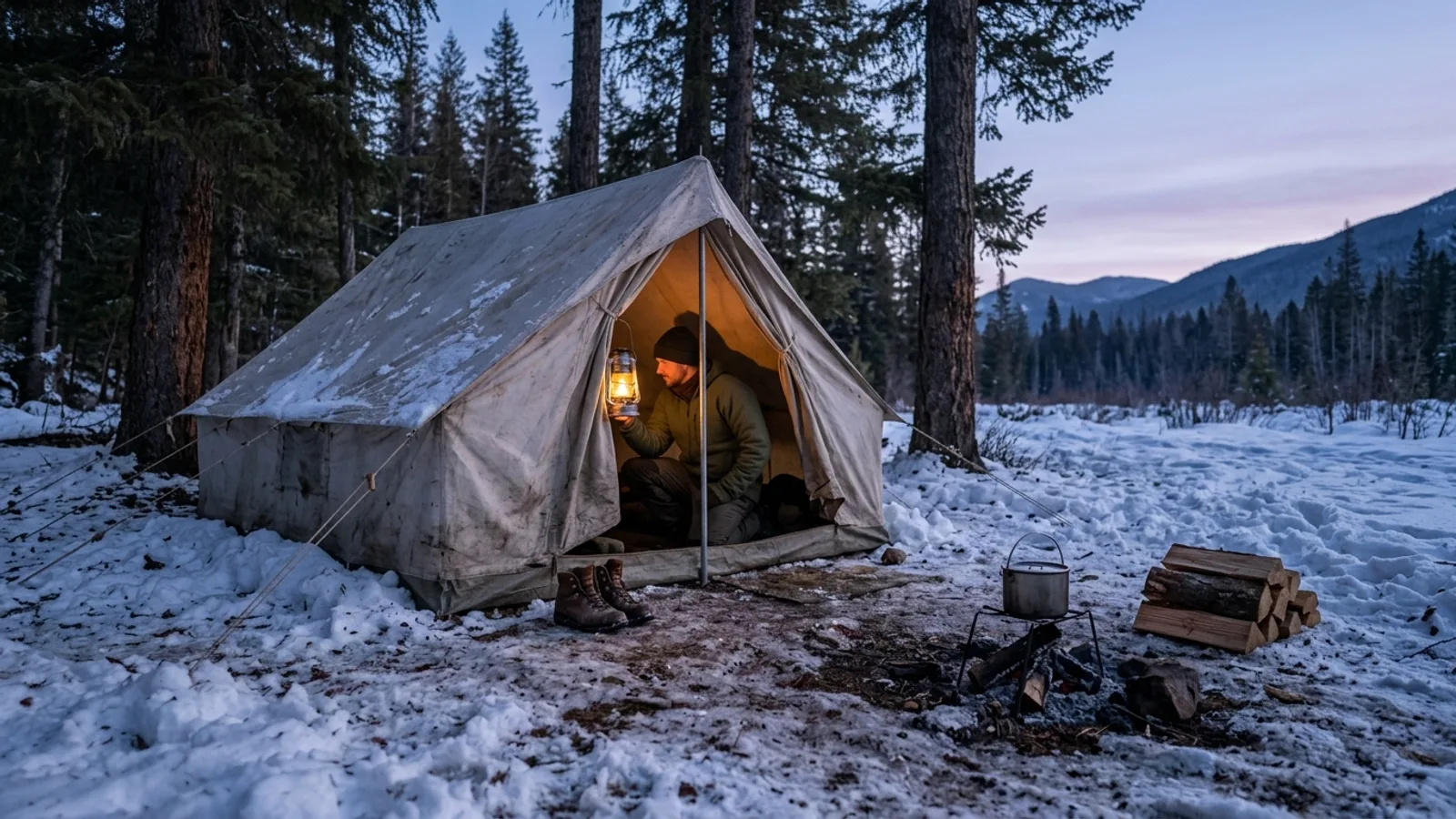
A good tent site is level, clear of rocks and roots, and away from low spots where water could pool if it rains. Avoid pitching directly under dead branches or unstable-looking trees.
- Clear the site of debris before laying out the tent footprint.
- Stake out the corners evenly so the tent body sits under even tension.
- Assemble and insert the poles according to your tent's own design, then raise the tent.
- Attach the rainfly if rain is possible, making sure it doesn't touch the tent body where it can wick moisture inside.
- Give the tent a firm shake once it's up to check that stakes and guy lines are holding.
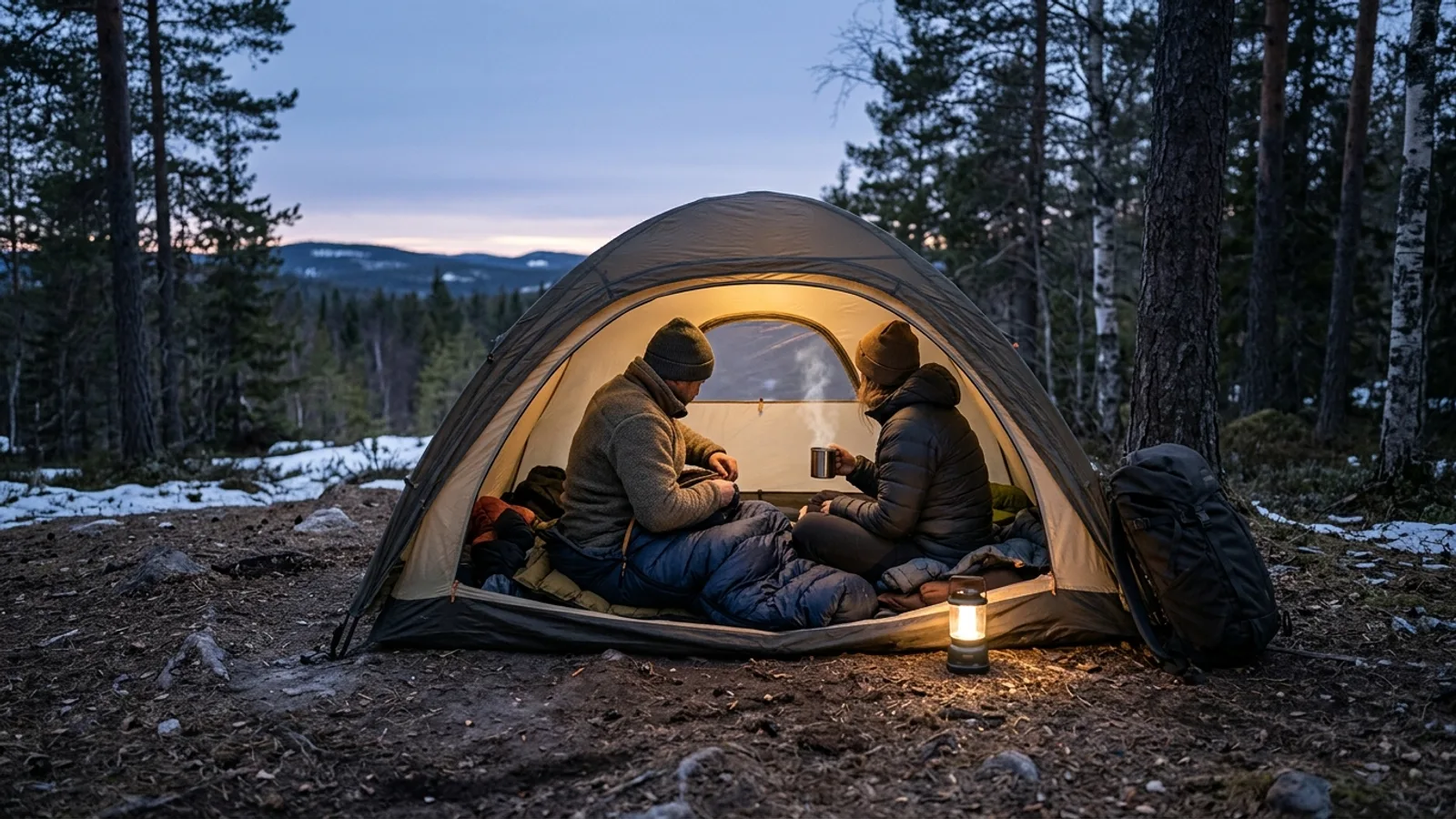
Once camp is set up, quieter activities fill the gaps between hikes and meals well. Sketching, reading, journaling, or simply sitting with a hammock or a cup of coffee are all part of what makes camping restorative rather than just active.
Camping Activities for Kids
Kids tend to stay engaged longer when activities have a clear goal. A scavenger hunt built around natural objects — a certain leaf shape, a pinecone, a smooth stone — gives them a reason to explore the campsite closely. Simple craft projects like friendship bracelets travel well and don't need much space or setup. Classic group games like charades or storytelling rounds also work well once the sun goes down and screen time isn't an option.
Camping with Pets
Dogs especially can join in on most of the above with a few adjustments. Check trail rules before you go — some trails don't allow pets, and others require them to be leashed at all times. On hikes, watch your pet's pace and paw condition on rough or hot terrain, and carry extra water for them.
Fetch, gentle swimming in calm shallow water, and simple obedience games all work well around a campsite and help burn off energy after a day of travel. Keep pets away from wildlife, unfamiliar water with unknown currents, and any food storage you're using to keep animals out of camp.
Matching Activities to Your Own Trip
Not every trip needs to be packed with activity. Some campers want a full schedule of hiking, paddling, and games; others want two days of doing very little at all. Look honestly at your energy, the people you're camping with, and the terrain available at your site, then plan loosely enough that weather or fatigue doesn't derail the whole trip. The activities that stick in memory are usually the simple ones done well, not the most elaborate itinerary.