Winter Camping: How to Stay Warm and Safe in Cold Weather
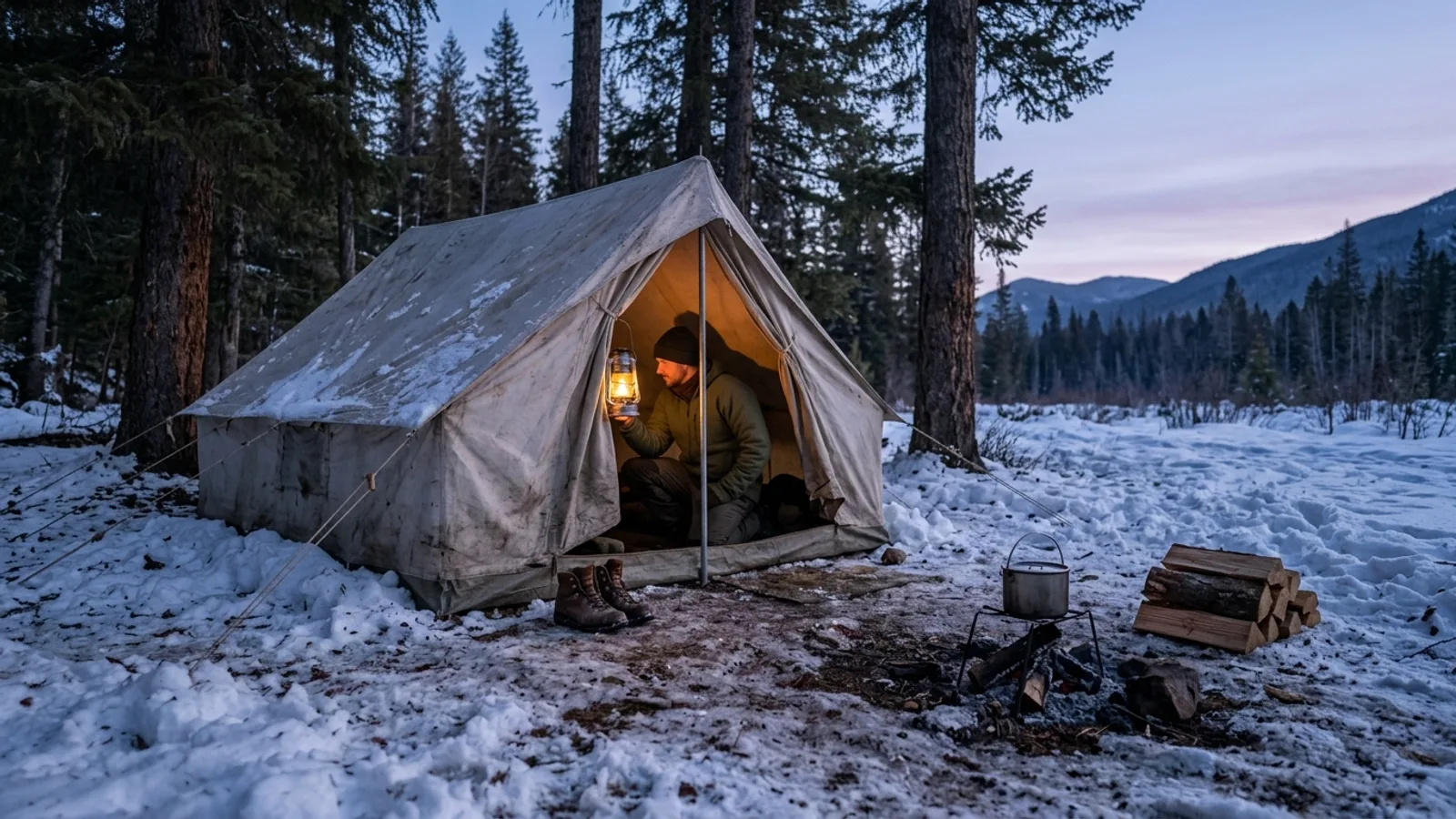
Winter camping rewards preparation. The cold itself isn't usually the problem — moisture, wind, and poor planning are what actually make people miserable or unsafe. The core strategies below cover clothing, shelter, moisture, and food, which together do most of the work of staying warm overnight.
Layering Your Clothing
A three-layer system gives you control over your body temperature as conditions and activity levels change throughout the day.
- Base layer: A snug-fitting layer against the skin that moves sweat away from your body. Wool and synthetic fabrics both work well because they keep insulating even when damp. Cotton does not, and is worth avoiding for any layer in cold conditions since it holds moisture against the skin and dries slowly.
- Insulating layer: Fleece, wool, or a puffy jacket that traps warm air near your body. This is the layer you'll add or remove most often as you warm up hiking or cool down at rest.
- Outer layer: A windproof, water-resistant shell that blocks the elements. Even in dry snow, wind can strip heat quickly, so this layer matters more than people expect.
Don't neglect extremities. Insulated, non-cotton socks, a warm hat, and gloves or mittens matter disproportionately, since hands, feet, and head lose heat fast. Bring a spare pair of dry socks for sleeping — wet feet at bedtime are hard to warm back up.
Adjust layers before you start sweating heavily during activity, not after. Sweat that soaks into insulation will cool you down once you stop moving.
Choosing Shelter and Sleeping Gear
A tent rated for cold-season use will generally hold up better against wind and snow load than a basic three-season tent, thanks to sturdier poles and a design that sheds snow rather than collecting it.
Campsite location matters as much as the tent itself. Look for natural windbreaks like trees or terrain features, and avoid low spots where cold air pools overnight. Never camp beneath slopes or terrain that could shed snow or ice onto your site.
If you're camping on snow, packing it down firmly where your tent will sit creates a more stable, better-insulated base than pitching on loose snow. A wall of packed snow on the windward side of your tent can also cut down wind exposure.
Underneath you, insulation from the ground matters more than most people expect — you lose heat faster to cold ground than to cold air. A sleeping pad rated for winter use, sometimes doubled up with a foam pad beneath an inflatable one, provides that barrier. Pair it with a sleeping bag rated well below the temperatures you expect to encounter, since bag ratings tend to be optimistic.
Managing Moisture and Condensation
Moisture is the quiet enemy of warmth. Damp gear and condensation inside a tent can undo the benefit of good layering.
- Keep a vent or door cracked slightly, even in cold weather, so moist air from breathing and cooking can escape rather than condense on tent walls and gear.
- Keep wet clothing, boots, and snow-covered gear away from your sleeping bag. Store them in a corner of the tent vestibule rather than bringing them inside your sleeping area.
- Change into dry sleep clothes before bed rather than sleeping in whatever you wore during the day's activity.
- Covering your nose and mouth loosely with a scarf or buff while sleeping can reduce the amount of breath moisture that ends up inside your sleeping bag.
Staying Hydrated and Fueled
Cold air is often dry, and the effort of staying warm increases how much water and energy your body uses, even if thirst signals feel weaker than in summer. Drink water regularly through the day rather than waiting until you feel thirsty.
Your body also needs more fuel to generate warmth in cold conditions. Favor meals and snacks with a good mix of fats, carbohydrates, and protein, and pack extras for the trip. Warm food and drinks — soup, tea, or simply hot water — can help you warm up quickly after being outside, and are worth the extra planning to prepare.
If you're melting snow or drawing from natural water sources, treat the water before drinking it, using the same filtration or purification methods you'd rely on in any season.
Fire and Cooking Safety
If you're building a fire, use only dead and downed wood rather than cutting live branches, which won't burn well and can damage the area. Check whether fires are permitted at your destination, since many cold-season landscapes restrict them.
A camp stove is often a more reliable choice for cooking in winter, since it isn't dependent on finding dry fuel and gives more consistent heat for melting snow or cooking hot meals. Always use stoves and any flame sources in ventilated spaces, never inside a fully closed tent, since carbon monoxide risk is real regardless of temperature outside.
Other Practical Tips
- Keep batteries, water filters, and anything that can freeze inside your sleeping bag or jacket overnight.
- A hot water bottle placed near your core or feet before sleep can add noticeable warmth for the first stretch of the night.
- Use the bathroom before bed — your body spends energy keeping a full bladder warm, which is energy better spent keeping you warm.
- Do a few minutes of light movement before getting into your sleeping bag to warm up your body, rather than getting in already cold.
- Check weather and avalanche or terrain conditions for your specific destination before you go, and let someone know your plans and expected return.