Family Camping Checklist: Gear, Food, and Kid-Friendly Tips

Core Gear for a Family Trip
The right equipment turns a stressful trip into an easy one. Before you go, set up your tent at home once, even if you've used it before. It's much easier to find a missing pole or a bent stake in your driveway than in the dark at a campsite.
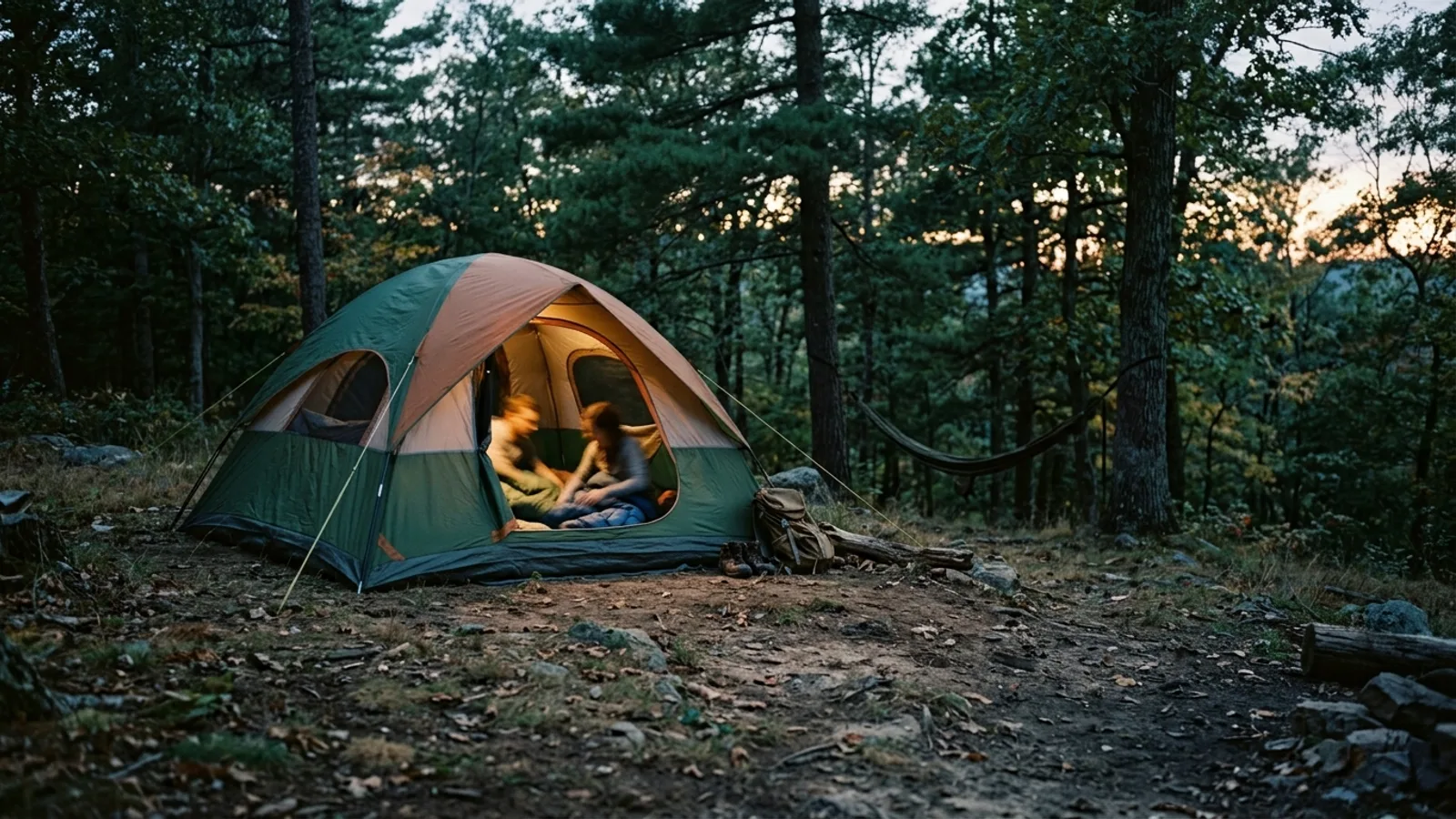
- Tent: Choose one rated for a few more people than will actually sleep in it. Gear, pets, and bags take up more room than expected. A tent with a separate room for kids can help preserve nap and bedtime routines.
- Sleeping bags and pads: Match the bag's temperature rating to the coldest night you expect, not the average. A sleeping pad matters as much as the bag itself — it's what stops the ground from pulling heat out of your body overnight.
- Camp chairs and a table: Having a stable place to eat and sit makes every part of the day easier, especially with young kids.
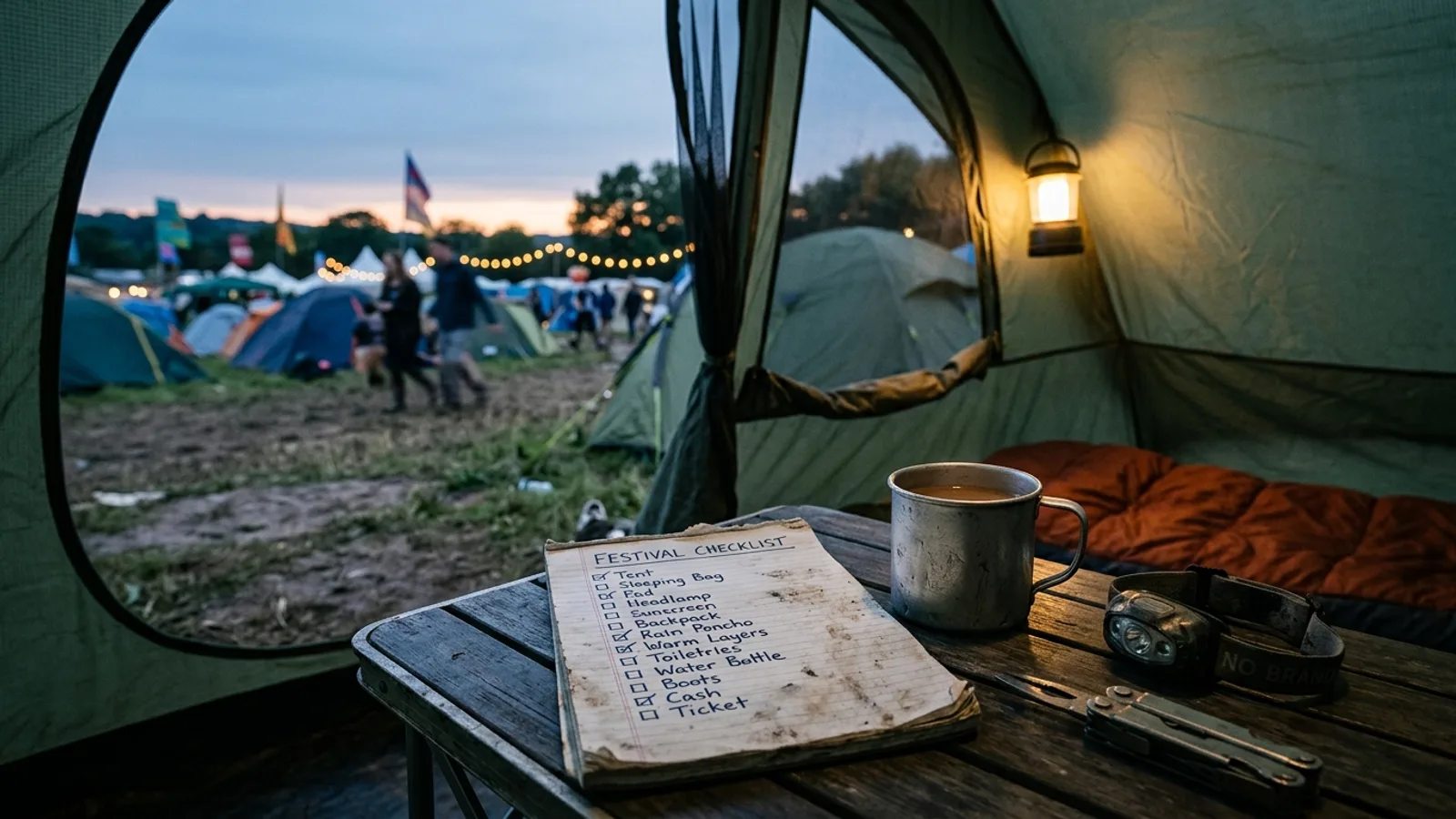
- Lighting: Bring both a hands-free light, like a headlamp, and a lantern or larger light for the communal area. Pack spare batteries.
- First aid kit: Cover basic cuts, scrapes, blisters, and bug bites at minimum.
- Multi-tool: Useful for everything from cooking to gear repair.
Setting Up the Camp Kitchen
A functional cooking setup keeps mealtimes calm instead of chaotic.
- Portable stove: Even simple meals go faster and safer with a dedicated cooking surface, rather than relying entirely on a campfire.
- Cookware and utensils: Bring only what you'll actually use — one pot, one pan, and basic utensils cover most family meals.
- Cooler: Pack it with ice or reusable ice packs, and keep it in shade. Organize it so items used first are on top, to limit how long it stays open.
- Food storage containers: Useful for leftovers and for keeping dry goods away from moisture and animals.
- Water containers: Bring more than you think you need for cooking, drinking, and cleanup.
Planning Meals
Deciding meals in advance saves time and reduces waste at the campsite. Favor foods that hold up without refrigeration — nuts, dried fruit, whole fruit, and shelf-stable snacks work well for the first day or two. Sandwiches are fine as long as they stay cold until eaten.
A simple packing approach: plan one meal at a time, pack ingredients together, and label them by day so you're not searching through the cooler at dinnertime.
Staying Hydrated
Heat, hiking, and altitude all increase how much water your body needs. Bring a full water bottle for each person, and refill often rather than waiting until someone feels thirsty.
- Water bottles: One per camper, refilled throughout the day.
- Water filter or treatment: Useful if you plan to draw water from a stream, lake, or other natural source. Always treat water from natural sources before drinking it.
- Hydration packs: Convenient for hikes, since they encourage frequent small sips.
Food Safety Basics
Basic food handling keeps everyone healthy on the trip.
- Keep cold foods cold: Use a cooler with ice for anything perishable, and don't let it sit out long once it warms up.
- Watch the clock on perishables: On hot days, don't leave perishable food out for more than an hour; on cooler days, keep it under two hours.
- Clean surfaces and hands: Wipe down prep surfaces before and after cooking, and wash or sanitize hands before handling food.
- Dispose of waste properly: Seal food scraps and trash so they don't attract wildlife to your site.
Camping with Kids
Camping gives kids a rare stretch of unstructured time outdoors, and a little planning keeps everyone comfortable and engaged.
Activities That Hold Their Attention
- Exploring: Simple nature walks or scavenger hunts turn the campsite into a discovery zone.
- Swimming: If there's a safe swimming area nearby, kids usually gravitate toward it on their own.
- Stargazing: Away from city lights, the night sky is often the biggest surprise for kids on their first trip.
- Short hikes: Choose trails suited to the shortest legs in the group, and build in stops.
- Canoeing or paddling: A calm lake or slow river can be a highlight of the trip if supervised closely.
Clothing and Footwear
- Dress for the season: Check expected highs and lows, not just the daytime forecast.
- Layer: Mornings and evenings are often much colder than midday, especially at elevation.
- Rain gear: A waterproof layer keeps a rainy afternoon from ending the trip early.
- Footwear: Pack sturdy shoes for hiking, something waterproof for wet ground, and a comfortable pair for lounging around camp.
Hygiene and Safety
- Personal cleanliness: Toothbrushes, biodegradable soap, hand sanitizer, and wipes cover most needs when running water isn't available.
- First aid: Include bandages, antiseptic, insect repellent, and sunscreen, along with anything specific to your family's needs.
- Safety basics: A flashlight per person, spare batteries, a whistle, and a written list of emergency contacts are worth having even on short trips.
- Comfort items: A favorite stuffed animal or blanket can make an unfamiliar sleeping spot feel normal for younger kids.
Choosing a Campsite
The type of site you choose shapes the whole trip, so it's worth matching it to your family's comfort level and experience.
- Developed campgrounds: Typically include a picnic table, parking, and a defined tent pad, often with shared restrooms and water access nearby. These suit families who want conveniences close by.
- Private campgrounds: Often add extras like showers, playgrounds, or recreational facilities, which can help occupy kids between outdoor activities.
- Backcountry sites: Offer more solitude and fewer amenities, and generally suit families with some camping experience already.
- Backyard or nearby camping: A useful way to test gear and routines with young kids before committing to a longer trip farther from home.
Before you book or arrive, check what amenities are actually available — some sites have no running water or cell service, which changes what you need to pack.
Navigation
Even well-marked trails benefit from basic navigation tools, especially with kids who may wander.
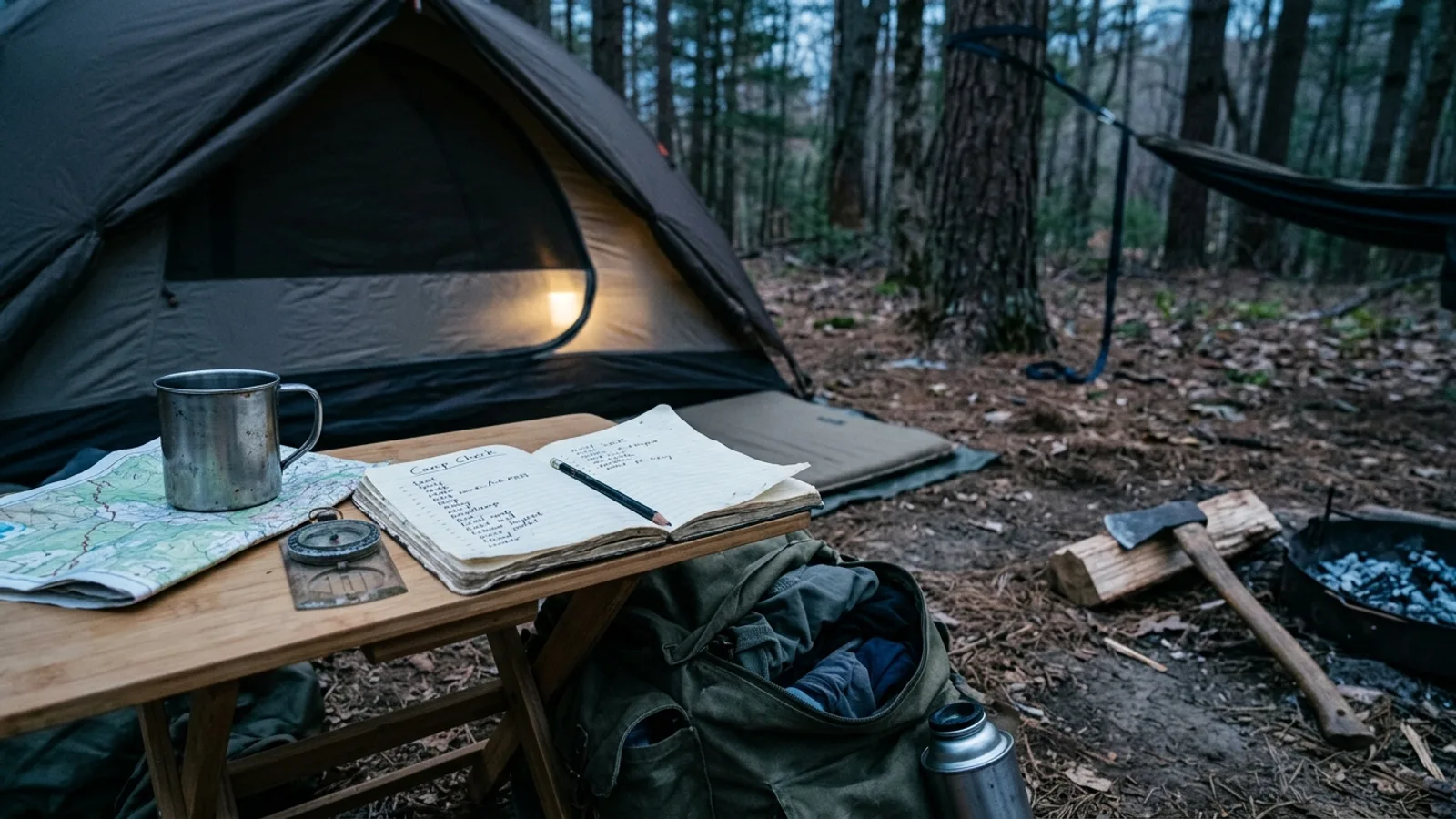
- Map and compass: Reliable in any weather and with no battery to run out. Learning the basics is worth the time before you rely on them.
- GPS device: Useful for tracking your route and location precisely, particularly in areas with few landmarks.
- Offline map apps: Many phone apps let you download maps in advance so you can navigate without cell service.
Preparing for Different Weather
Rain
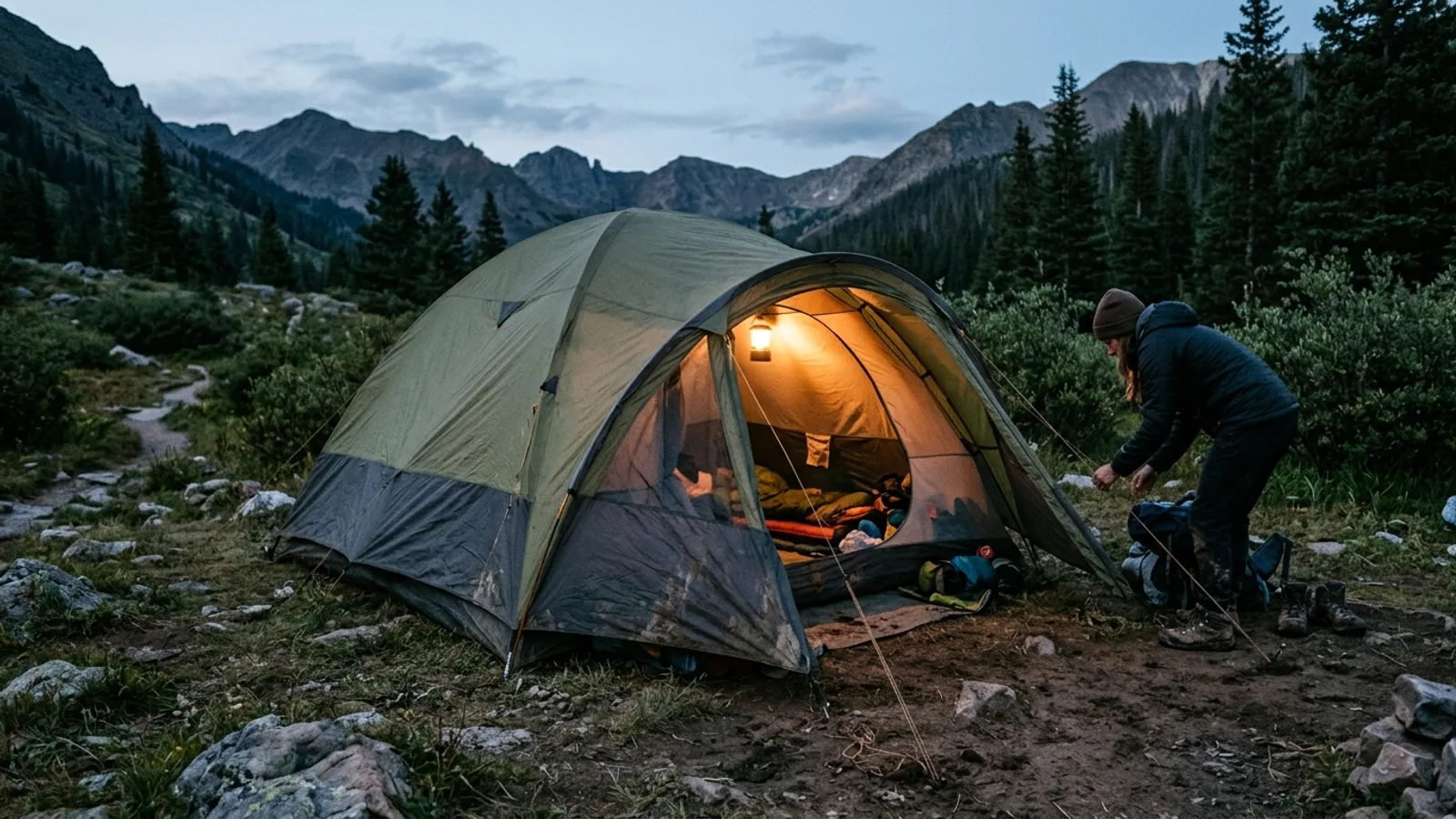
- Set up with a rainfly and check that your tent seams are sealed.
- Pack quick-drying clothing rather than cotton, which stays wet longer.
- Use a tarp to keep gear dry and to create a covered space for cooking or sitting.
Cold Nights
- Choose a sleeping bag rated for temperatures colder than you expect to encounter.
- Layer clothing, and add a warm hat, since a lot of body heat is lost through the head.
- Keep extra blankets or heat packs on hand for younger kids who get cold more easily.
Sun and Heat
- Pack hats, sunscreen, and sunglasses, and reapply sunscreen through the day.
- Drink water consistently rather than waiting until you're thirsty.
- Choose loose, breathable clothing to help with cooling.
Insects
- Bring insect repellent and reapply as directed.
- Use a tent with intact screens, and consider a separate bug net or screened shelter for cooking and eating areas.
Final Thoughts
Family camping trips go smoothly with a mix of the right gear, a simple meal plan, and a campsite that matches your family's experience level. None of it needs to be complicated — a little preparation goes a long way toward more time enjoying the outdoors and less time troubleshooting.