Car Camping Checklist: What to Pack for a Comfortable Trip
Car camping means you're not limited by what fits in a backpack. That extra capacity is worth using well: the right gear, organized by category, makes the difference between a trip that feels effortless and one spent digging through a jumbled trunk. Here's what to bring and how to think about each category.
Shelter and Sleep System
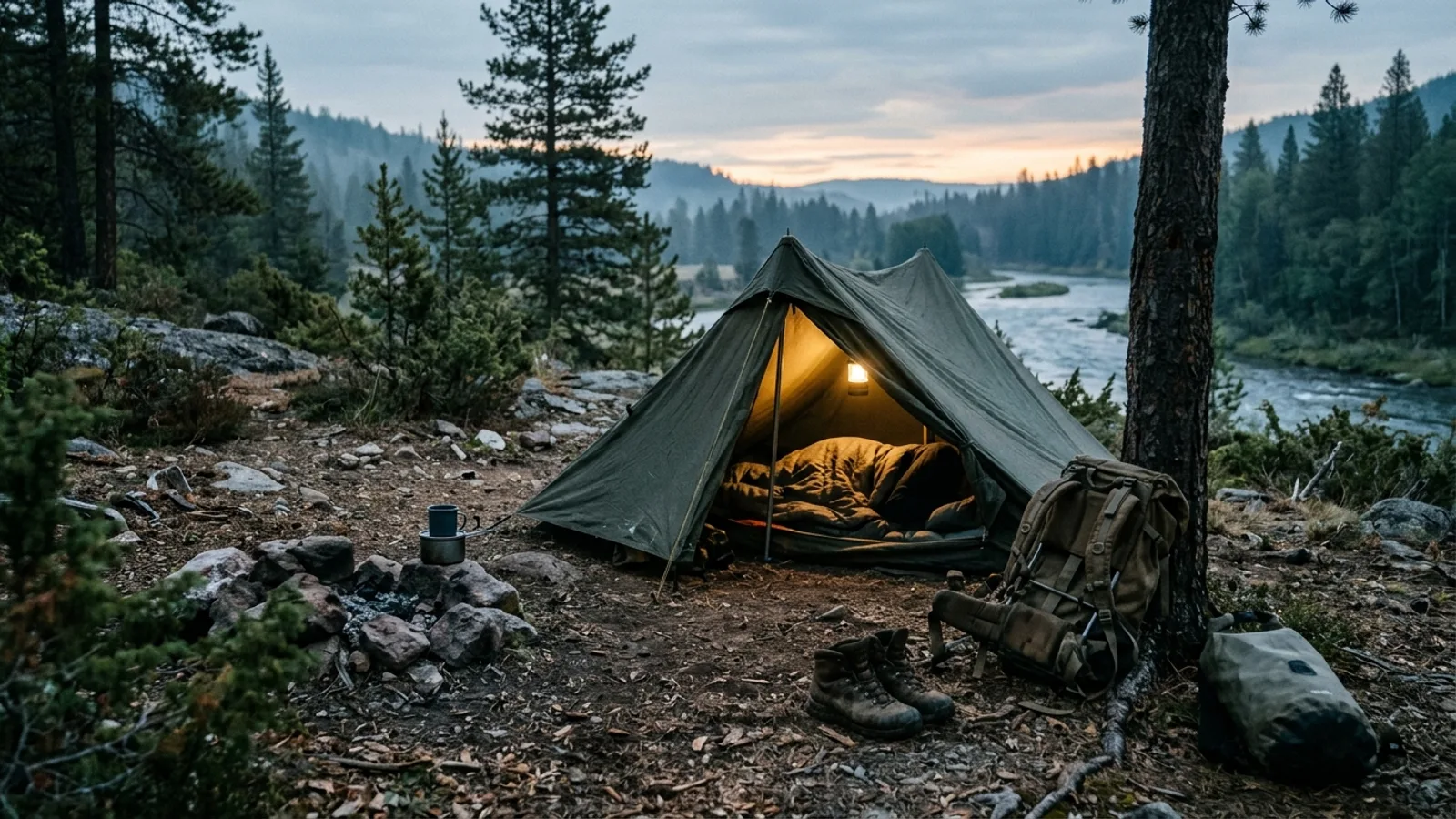
Your tent should fit your group with a little extra room. A tent rated for more people than you actually have gives you space to store gear inside during rain, and makes changing clothes or waiting out weather far more comfortable.
Before you leave, set the tent up at home once. This is the time to find a missing pole or a torn zipper, not after dark at the campsite.
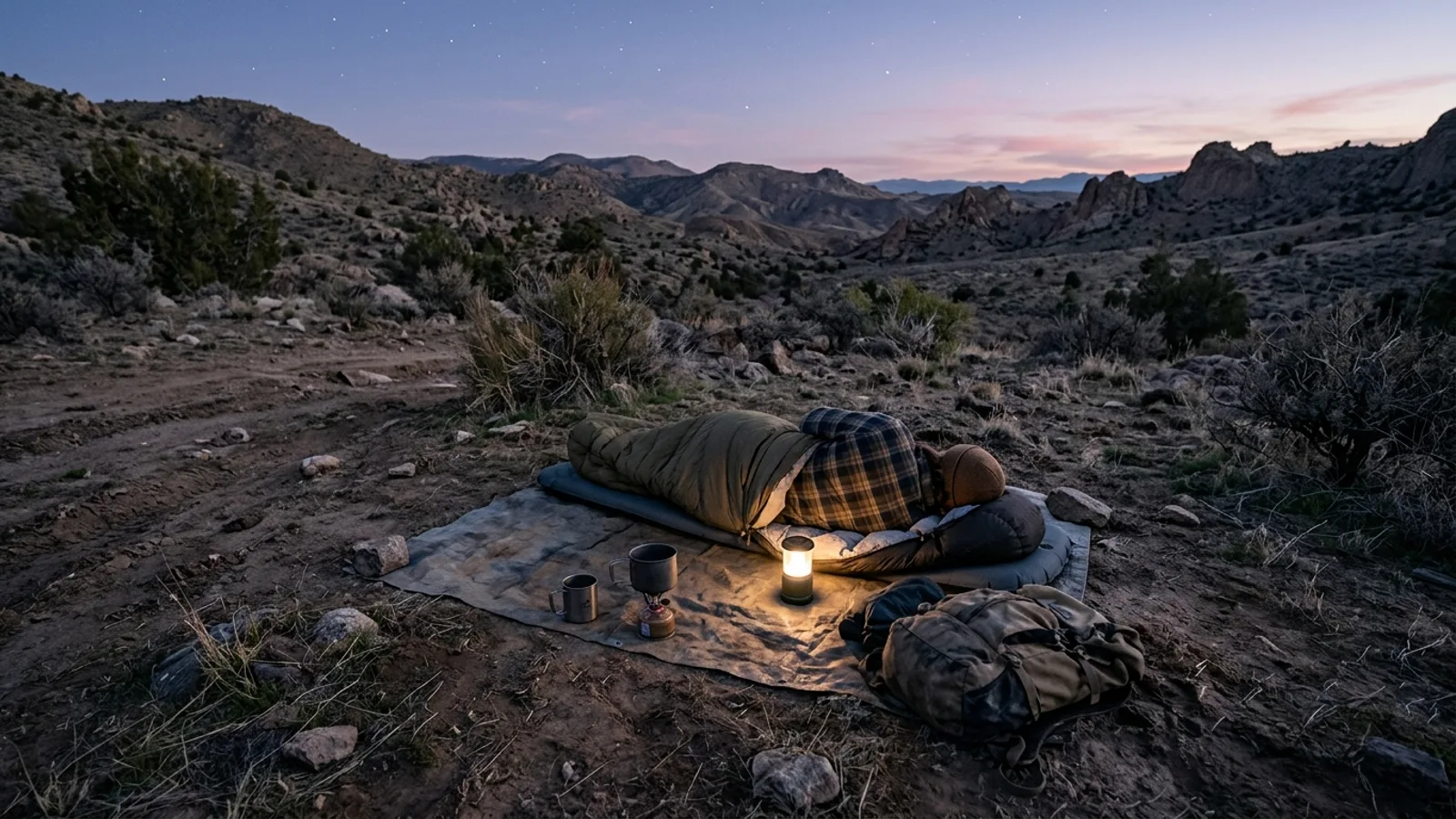
Underneath you, insulation matters as much as cushioning. Sleeping directly on the ground pulls heat away from your body all night, even in mild weather. A sleeping pad or air mattress creates a barrier against that heat loss. Foam pads are simple and puncture-proof; inflatable pads pack smaller and often insulate better; air mattresses offer the most comfort but take up more room and are more prone to leaks.
Bring a groundsheet or footprint under the tent to protect the floor from moisture and abrasion, and stake it down even on calm nights — weather can shift quickly.
Tools and Repair Kit
A small kit of practical tools solves most problems that come up at a campsite:
- Multi-tool: covers minor repairs, food prep, and general fixes in one compact item.
- Fire starter: waterproof matches or a reliable lighter, kept dry in a sealed bag.
- Duct tape or repair tape: for tents, gear, and improvised fixes.
- Rope or cord: useful for a clothesline, securing a tarp, or hanging food.
- Headlamp or flashlight with spare batteries: hands-free light is worth more than it seems until you need it.
- Work gloves: protect hands when handling firewood or hot cookware.
If you plan to have a campfire, check whether fires are permitted at your destination before you go — rules change with drought conditions and season, and many parks post current restrictions on their websites.
Camp Kitchen
A functional camp kitchen needs less than you'd think, as long as it's organized:
- A portable stove and enough fuel for the length of your trip, plus a backup way to light it.
- A pot and pan suited to your group size, along with basic utensils: a spatula, tongs, and a sharp knife.
- A cutting board, a can opener, and biodegradable dish soap for cleanup away from water sources.
- A cooler with enough ice or ice packs to keep perishables cold for the trip's duration — pack it so food you'll use last stays coldest and most protected.
- Reusable water containers, plus a way to treat water if you're not certain of the source.
- Trash bags and a way to store food securely, especially in bear country, where food and scented items need to be kept away from tents and sometimes stored in provided lockers or hung away from camp.
Clothing
Layering is the core principle, regardless of season. A base layer manages moisture, a mid layer holds warmth, and an outer layer blocks wind and rain. Pack for the coldest and wettest conditions the forecast suggests, even if you expect warm days — mornings and nights at higher elevations or in exposed areas can be much colder than daytime temperatures.
- Moisture-wicking shirts rather than cotton, which stays wet once damp.
- A warm layer such as a fleece, even in summer, for cool evenings.
- A waterproof, breathable outer shell for rain and wind.
- Sturdy footwear with good traction for uneven ground, plus a second pair (sandals or camp shoes) to give your feet a break.
- Extra socks — wet feet are one of the most common sources of camp discomfort.
- A hat for sun protection and a warm hat for cold nights.
Hygiene and Health
Basic toiletries — toothbrush, toothpaste, biodegradable soap, hand sanitizer, and toilet paper — keep a trip comfortable. Pack these in a dedicated bag so they're easy to find.
A first aid kit is worth having fully stocked and easy to access, covering blisters, cuts, and minor injuries. If anyone in your group takes regular medication, bring enough for the trip plus a little extra in case of delays.
Sun protection and insect repellent are easy to forget until you need them. Reapply sunscreen through the day, and check yourself for ticks after time in grass or brush, particularly in wooded or high-grass areas.
Extras Worth Bringing
A few additions don't take up much space but add a lot to the experience: a camera, a notebook, a deck of cards or simple outdoor games, and a comfortable camp chair. These aren't essential to survival, but they're often what makes a trip memorable.
Before You Go
Check the specific rules for where you're headed — campfire restrictions, food storage requirements, and quiet hours vary by location and season. A little research beforehand prevents surprises once you've already set up camp.