One-Night Camping Trip: The Complete Gear Checklist
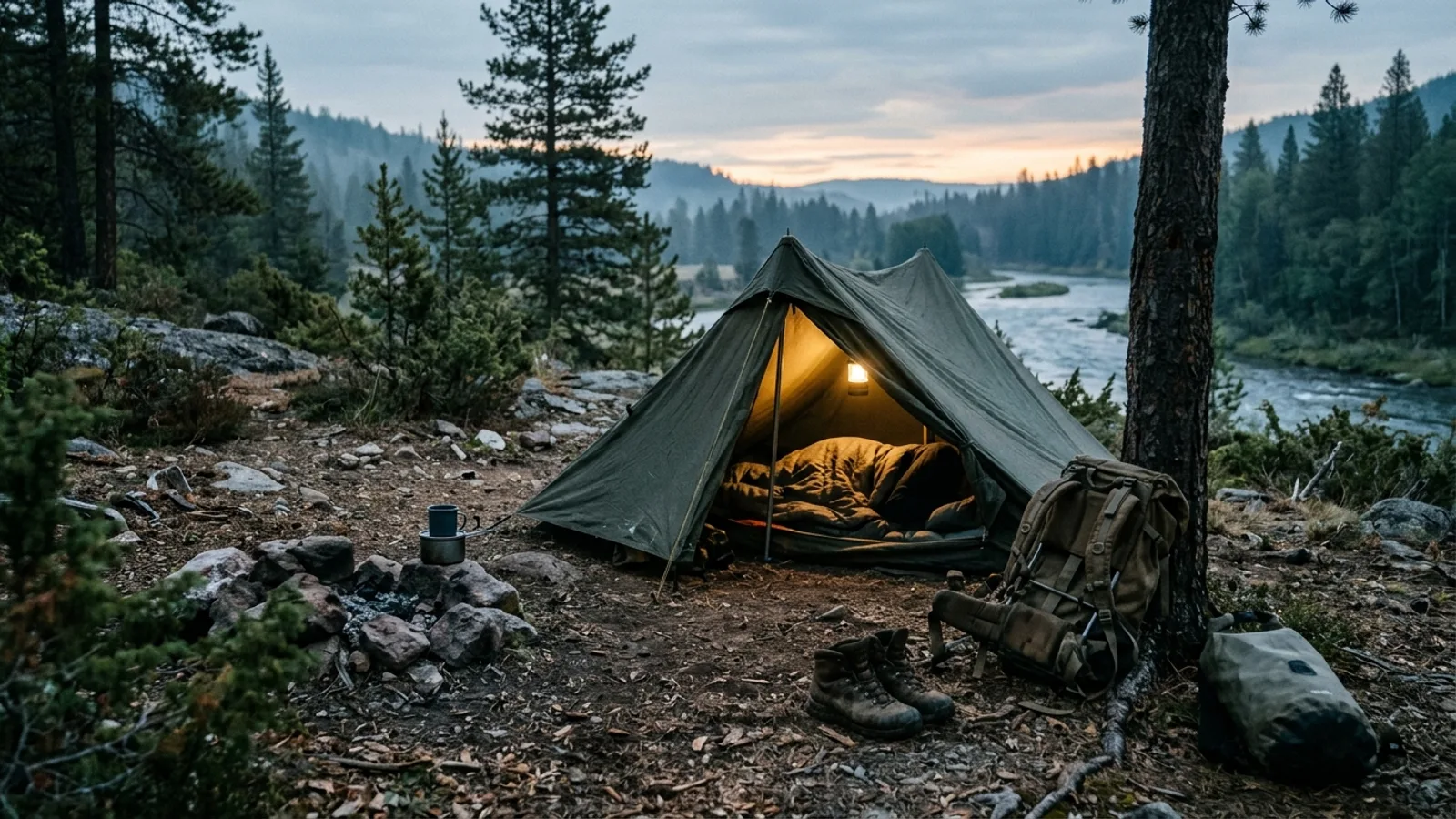
A single overnight is a good gear test: enough time to feel the difference between a comfortable setup and an improvised one, but short enough that a small oversight won't ruin the trip. This checklist covers what to pack and why, organized by category so you can adapt it to your own site and conditions.
Start With Location, Weather, and Amenities
What you need changes more with conditions than with the calendar. Before packing, find out:
- Weather: Check the overnight low, not just the daytime high. Temperatures at a campsite can drop well below what's forecast for the nearest town, especially near water or at elevation.
- Terrain and exposure: Open, exposed sites need sturdier shelter and more sun and wind protection. Wooded sites need less wind protection but more insect management.
- Amenities: Developed campgrounds often have potable water, fire rings, picnic tables, and restrooms, which lets you pack lighter. Dispersed or backcountry sites usually mean you bring all of that yourself, including a way to manage waste.
- Fire and firewood rules: Some areas restrict campfires or ban bringing in outside firewood to prevent spreading pests. Check current local restrictions before you plan around a fire.
Shelter and Sleep System
- Tent: Choose one rated for slightly more people than your group, since gear takes up floor space. Practice pitching it at home at least once so you're not learning the process in the dark or the rain.
- Sleeping bag: Match the bag's temperature rating to the coldest night you might realistically encounter, not the average. Ratings are generally a survival threshold, not a comfort guarantee, so err warmer if you tend to sleep cold.
- Sleeping pad or cot: This does more for warmth than most people expect, since it insulates you from the ground beneath you. A pad with decent insulation matters as much as one with cushioning.
- Pillow: A compressible camp pillow or a stuff sack filled with clothing both work fine.
- Extra layer or blanket: Useful as a buffer if the night runs colder than expected.
Light and Fire
- Headlamp: Frees up your hands for cooking, setting up camp, or walking to a restroom. Bring one per person.
- Lantern or camp light: Useful for lighting a shared cooking or seating area without everyone needing to wear a headlamp.
- Fire starter: Pack more than one way to start a fire — a lighter and waterproof matches, for instance — and keep them dry in a sealed bag or container.
- Extra batteries: Cold temperatures drain batteries faster, so bring more than you think you'll need for an overnight.
Camp Comfort
- Camping chairs: Foldable, lightweight chairs make a real difference in comfort around camp.
- Camp table: Handy if the site doesn't have a picnic table, giving you a stable surface for cooking and eating.
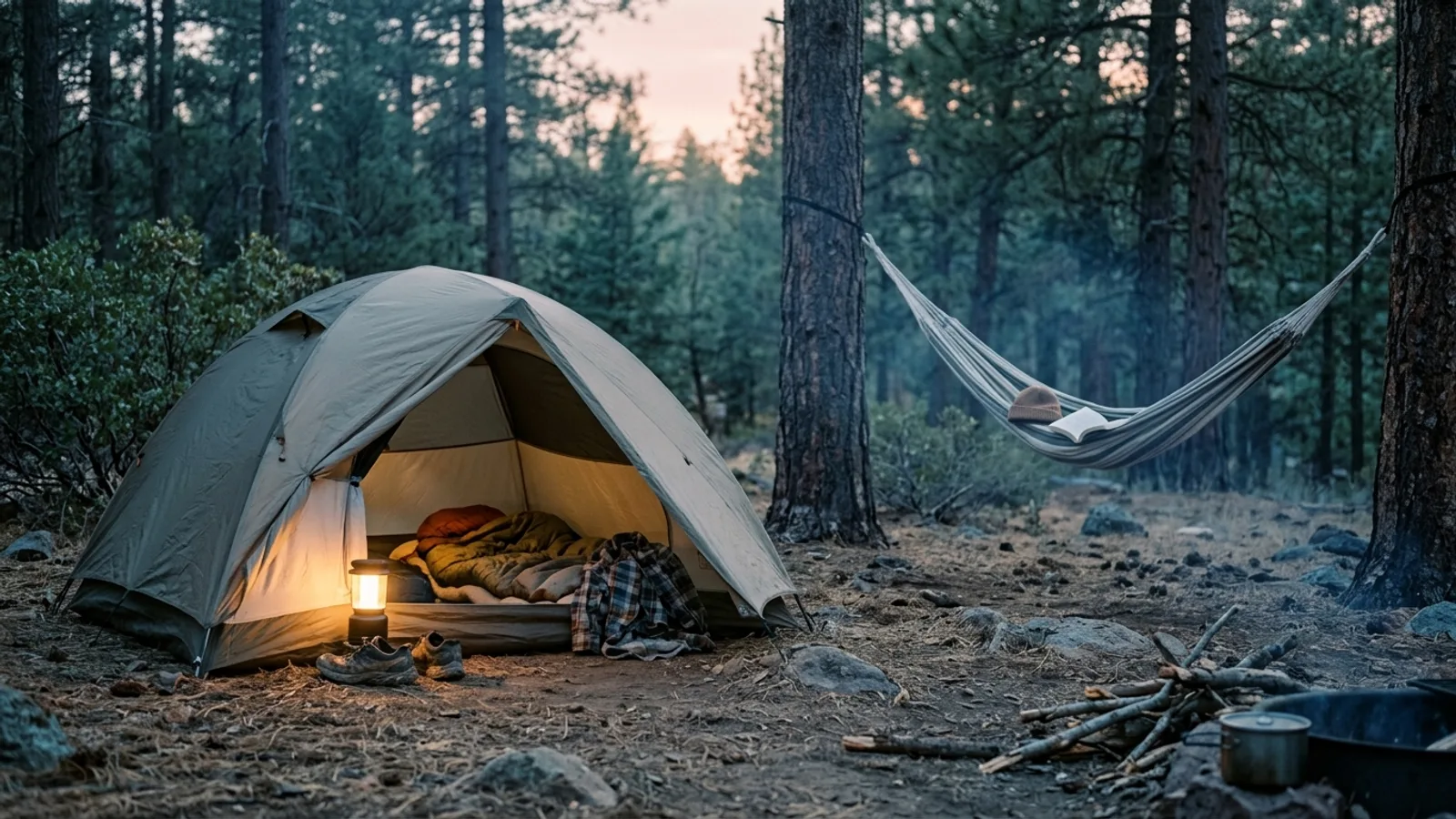
- Hammock: Optional, but a good use of downtime if there are trees to hang it from.
- Games or cards: Something simple and lightweight helps fill evening downtime, especially with kids.
Tools and Repair
- Multi-tool or knife: Useful for food prep, gear repair, and general camp tasks.
- Duct tape: Wrap some around a water bottle or trekking pole instead of carrying a full roll. It handles most gear repairs in a pinch.
- Tent repair kit or patch material: Small tears are easy to fix on the spot if you catch them early.
- Axe or hatchet: Only necessary if you plan to process your own firewood, and only where campfires and wood-cutting are permitted. Use it away from other people and always cut on a stable surface.
- Trowel: Essential if there's no toilet at your site. Human waste should be buried well away from water sources, trails, and campsites, following local guidance on depth and distance.
Toiletries and First Aid
Keep this simple for a one-night trip — you need the basics covered, not a full bathroom's worth of supplies.
- Biodegradable soap, hand sanitizer, and toilet paper
- A quick-dry towel and, if there's no shower, body or face wipes
- Sunscreen and insect repellent
- A basic first aid kit covering cuts, blisters, and minor injuries, plus any personal medications
Wash hands or sanitize before handling or preparing food, and pack out any wipes or hygiene products that shouldn't go in a fire or be buried.
Clothing and Footwear
Layering is the single most useful strategy for camp clothing, since it lets you adjust to temperature swings between afternoon and night rather than guessing at one outfit.
- A moisture-wicking base layer and a warm mid-layer for evening
- Pants and shorts, plus a change of socks
- A warm jacket for after sundown, even in summer
- Sturdy, broken-in shoes or boots for hiking, and a lightweight second pair (sandals or camp shoes) for around the site
- A hat and sunglasses for daytime, and a rain layer regardless of forecast
- Sleepwear appropriate for the expected overnight low
Avoid cotton as an only layer in cold or wet conditions — it holds moisture and loses its insulating value when damp.
Cooking and Food
- Stove and fuel: A backup way to start it (lighter or matches) is worth carrying even if the stove has an igniter.
- Cookware: A pot or pan sized to your group, plus a way to handle it safely when hot.
- Utensils and a knife: Cover cooking and eating needs; a basic mess kit works for most groups.
- Cooler: Pack perishables at the bottom, surrounded by ice or cold packs, to keep them at a safe temperature.
- Water: Bring enough for drinking and cooking, or bring a reliable way to treat water from a natural source.
- Cleanup supplies: Biodegradable soap, a sponge or cloth, and a bag for trash and food scraps. Store food and scented items away from your tent and, in areas with bears or other wildlife, use a secure storage method appropriate to the location.
Plan your meals in advance and make a shopping list — for one night, simple, low-prep meals usually beat anything elaborate.
First-Time Camper Tips
- Pick an easily accessible, well-reviewed site for your first trip rather than something remote or difficult to reach.
- Set up your tent at home at least once before you go.
- Check the weather close to departure and pack for the overnight low, not just the daytime forecast.
- Learn what wildlife is common in the area and how to store food and waste accordingly.
- Pack a few more layers than you think you need — it's easier to leave a jacket in the tent than to be cold all night.