Tent Camping Comfort: A Practical Guide
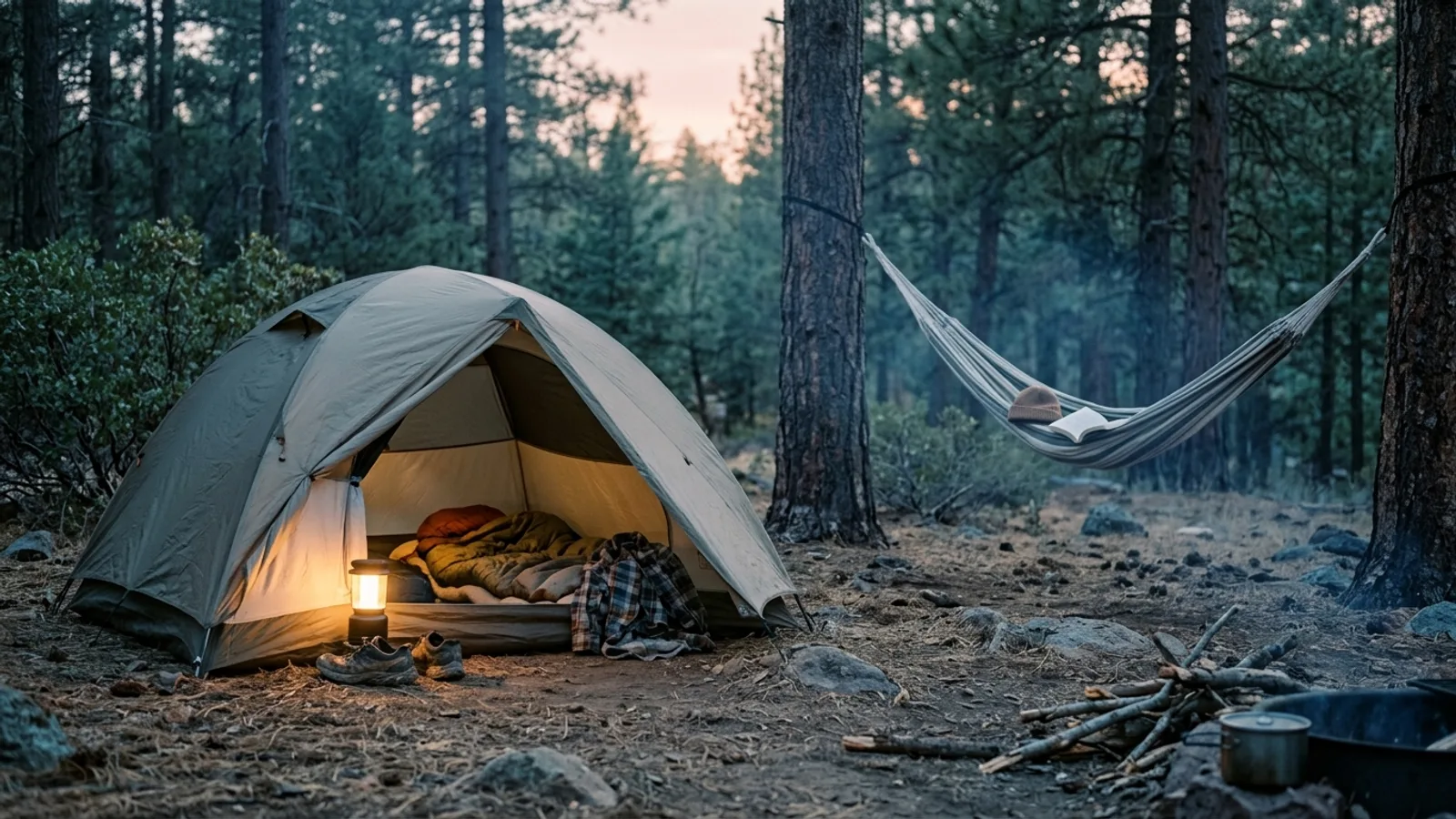
Comfortable tent camping comes down to a handful of decisions: where you pitch, what's under you when you sleep, and how well you've prepared for the weather you'll actually get. None of it requires expensive gear — it requires attention to a few details most people overlook.
Choosing a Campsite
The ground you sleep on matters more than almost anything else. Walk the site before you commit to it, and clear away sticks and stones under where the tent will go — even small ones become noticeable after a few hours of lying on them.
Look for slightly elevated, level ground rather than a low spot. Low areas collect cold air at night and pool water if it rains, even if the sky was clear when you set up. Avoid pitching directly under dead branches or in a dry creek bed, both of which carry real risk regardless of how unlikely rain looks.
Consider the sun's path. Morning shade can mean sleeping later without your tent turning into a greenhouse; afternoon shade helps in hot weather. In cold conditions, a bit of tree cover or a natural windbreak reduces heat loss overnight far more than people expect.
If the site has a fire ring, picnic table, or nearby water source, factor those into your plan — they add convenience, but never let amenities override safety basics like level, well-drained ground.
Setting Up Your Tent
Pitch on the flattest, most debris-free patch you found, and orient the tent so the door isn't facing straight into the prevailing wind. Stake it out fully, even if the forecast looks calm — a taut tent sheds wind and condensation better than a loose one.
Choose a tent sized generously for the number of people using it. A tent rated for exactly your group size often feels tight once gear, boots, and packs come inside. Extra headroom and floor space make a real difference in how livable the tent feels, especially if you're waiting out weather.
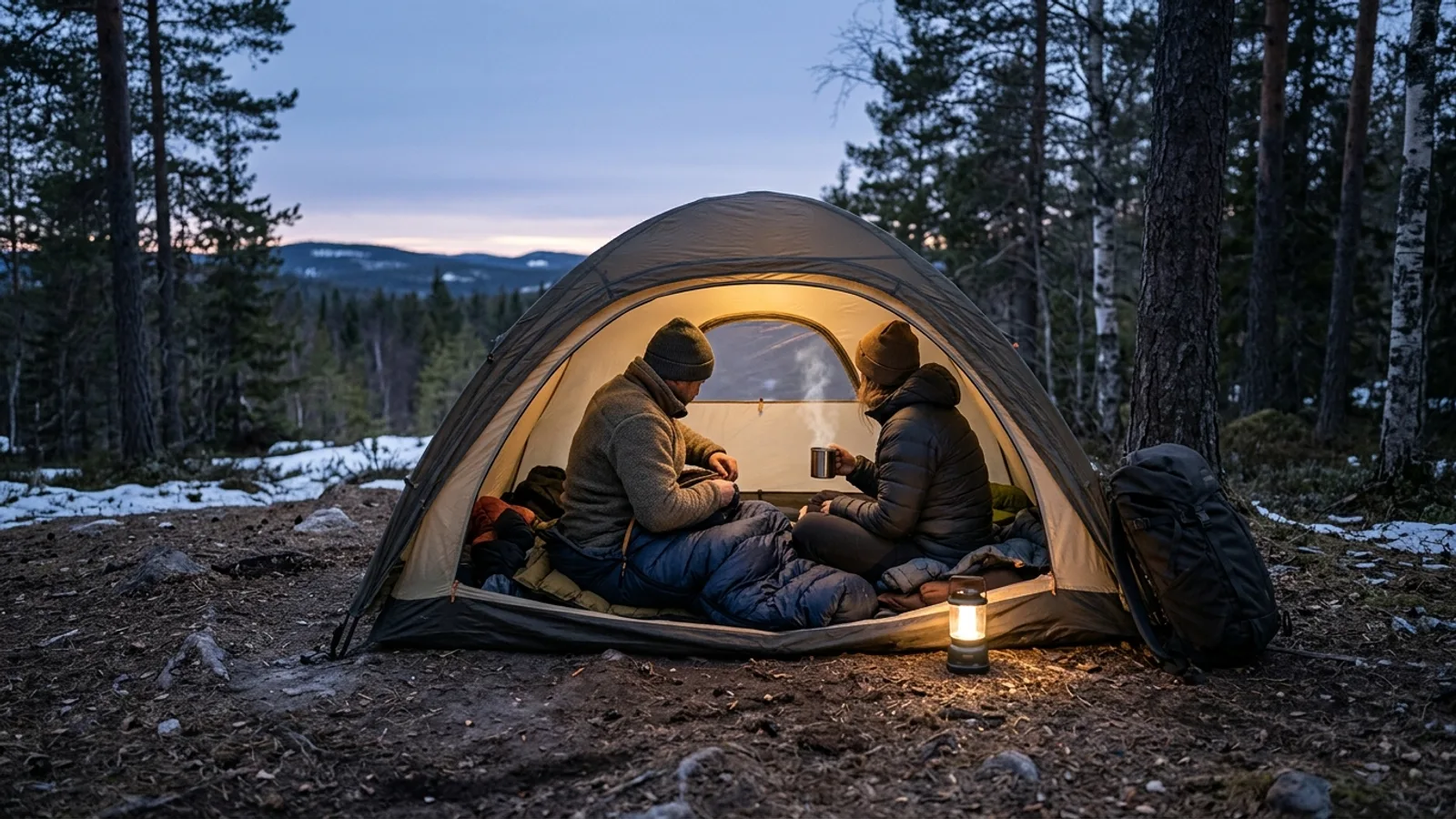
Ventilation matters as much as waterproofing. Condensation builds up inside a sealed tent overnight from breathing and body heat alone. Use mesh panels and vents rather than zipping everything shut, and crack a window slightly even in cool weather.
Sleeping Warm and Comfortable
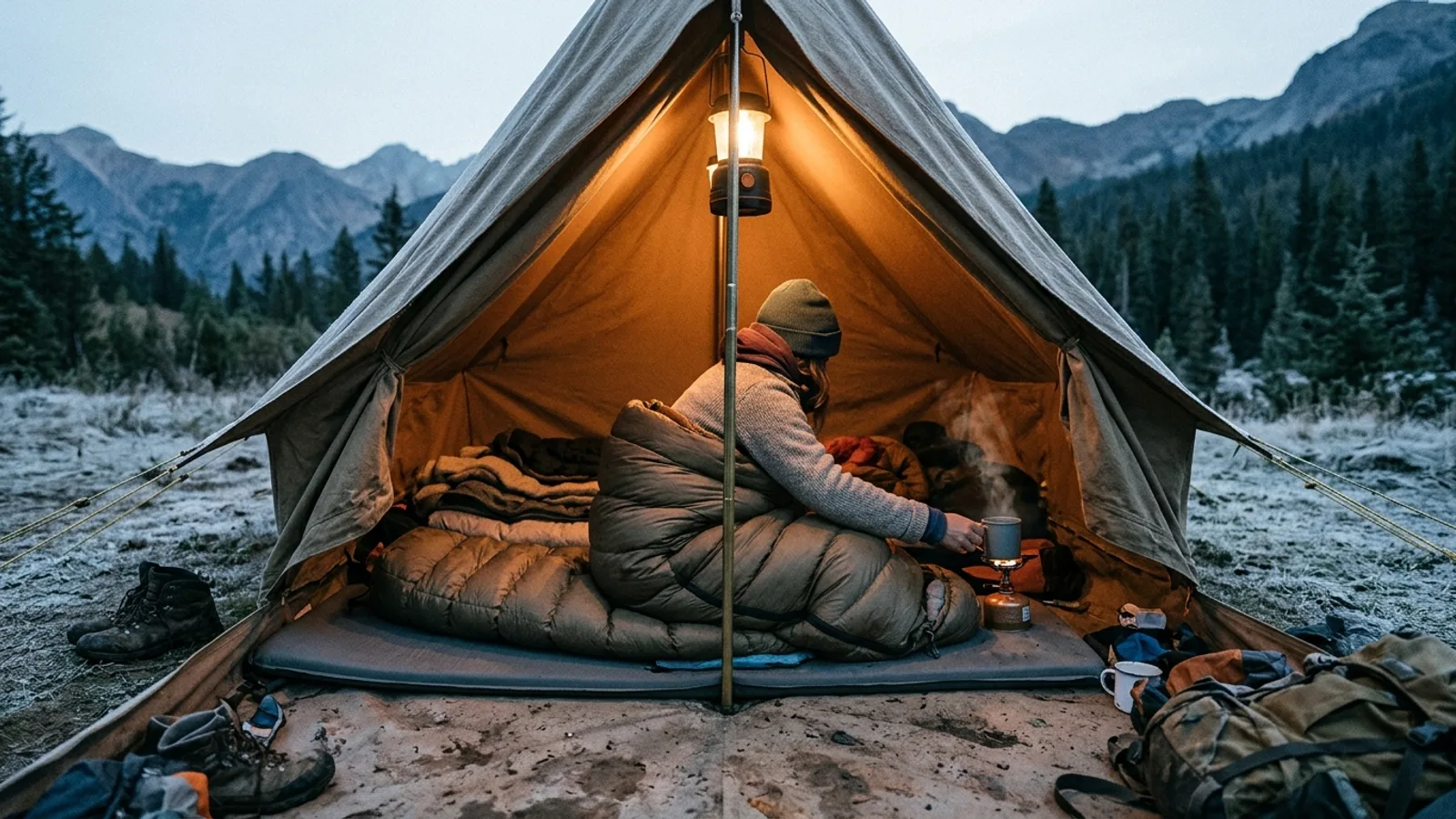
What's underneath you does more for comfort than what's on top of you. The ground pulls heat away from your body far faster than air does, so insulation beneath your sleeping bag isn't optional in cool weather — it's the difference between warm and cold.
A sleeping pad or inflatable mattress provides that insulation along with cushioning. A camping cot lifts you off the ground entirely, which helps with drainage and uneven terrain but can leave you colder underneath unless you add a pad on top of it too.
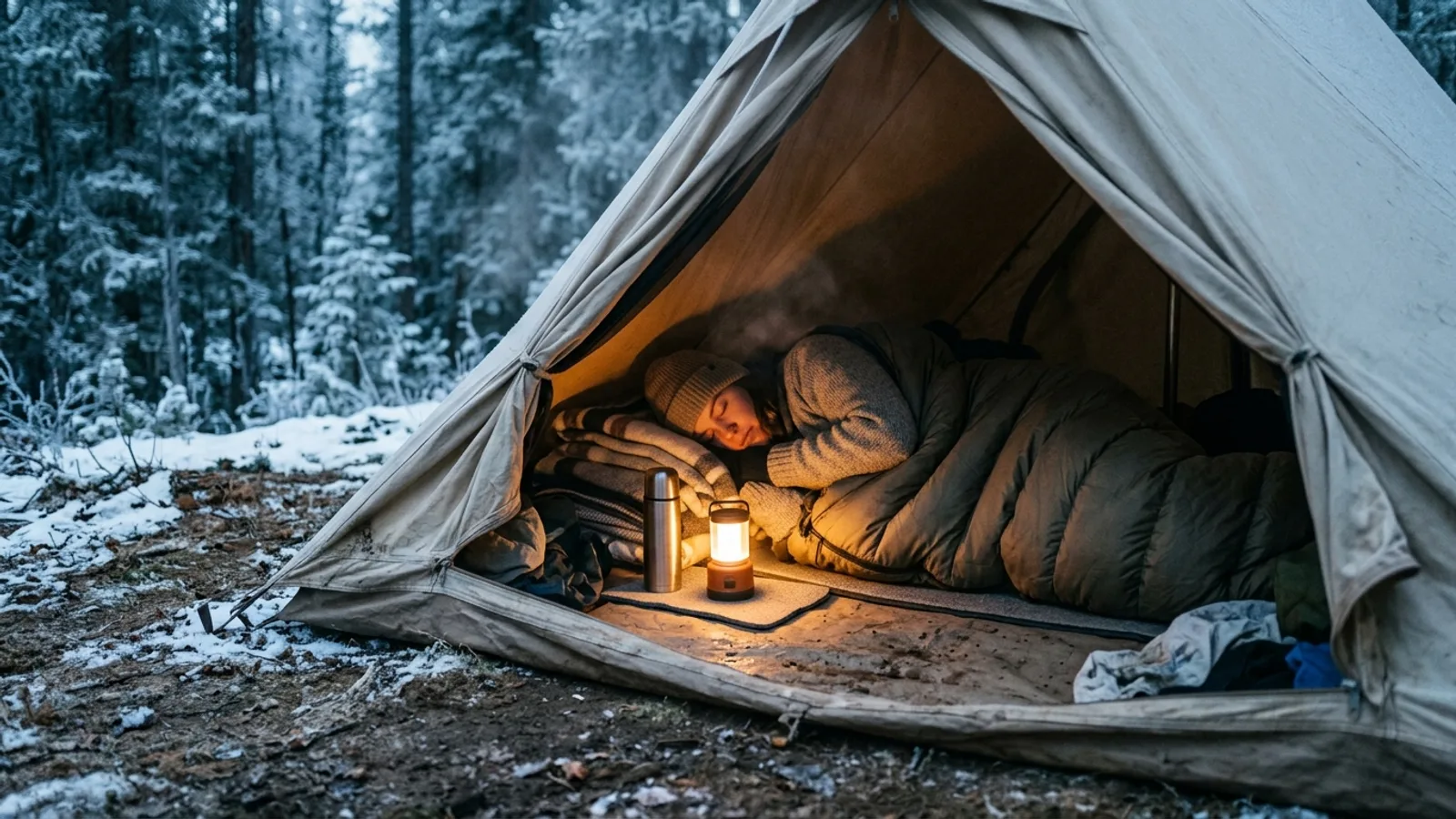
Match your sleeping bag to the coldest temperature you realistically expect, not the average. It's easier to unzip a bag that's too warm than to warm up in one that isn't warm enough. A liner adds a meaningful amount of warmth without much bulk, and extra blankets or a quilt on top help on unexpectedly cold nights.
Keep your sleeping area tidy — gear underfoot or piled against the tent wall disrupts both comfort and insulation. A small interior organizer or a few stuff sacks keep essentials within reach without cluttering the space.
Preparing for the Weather
Check the forecast for your specific location and elevation before you leave, and plan for the low temperature overnight, not just the daytime high. Mountain and desert campsites in particular can swing dramatically between day and night.
Layering is the most reliable strategy for both hot and cold conditions. In warm weather, loose, breathable, light-colored clothing plus sun protection — a hat, sunglasses, and sunscreen — keeps you comfortable during the day. In cold weather, a moisture-wicking base layer, an insulating mid-layer, and a wind- or water-resistant outer layer let you adjust as temperatures change.
Assume it might rain even if the forecast says otherwise. Pack a rain layer, keep a dry set of clothes sealed away from the rest of your gear, and know where your tent's rainfly and guy lines are before you need them in the dark.
Cooking and Camp Life
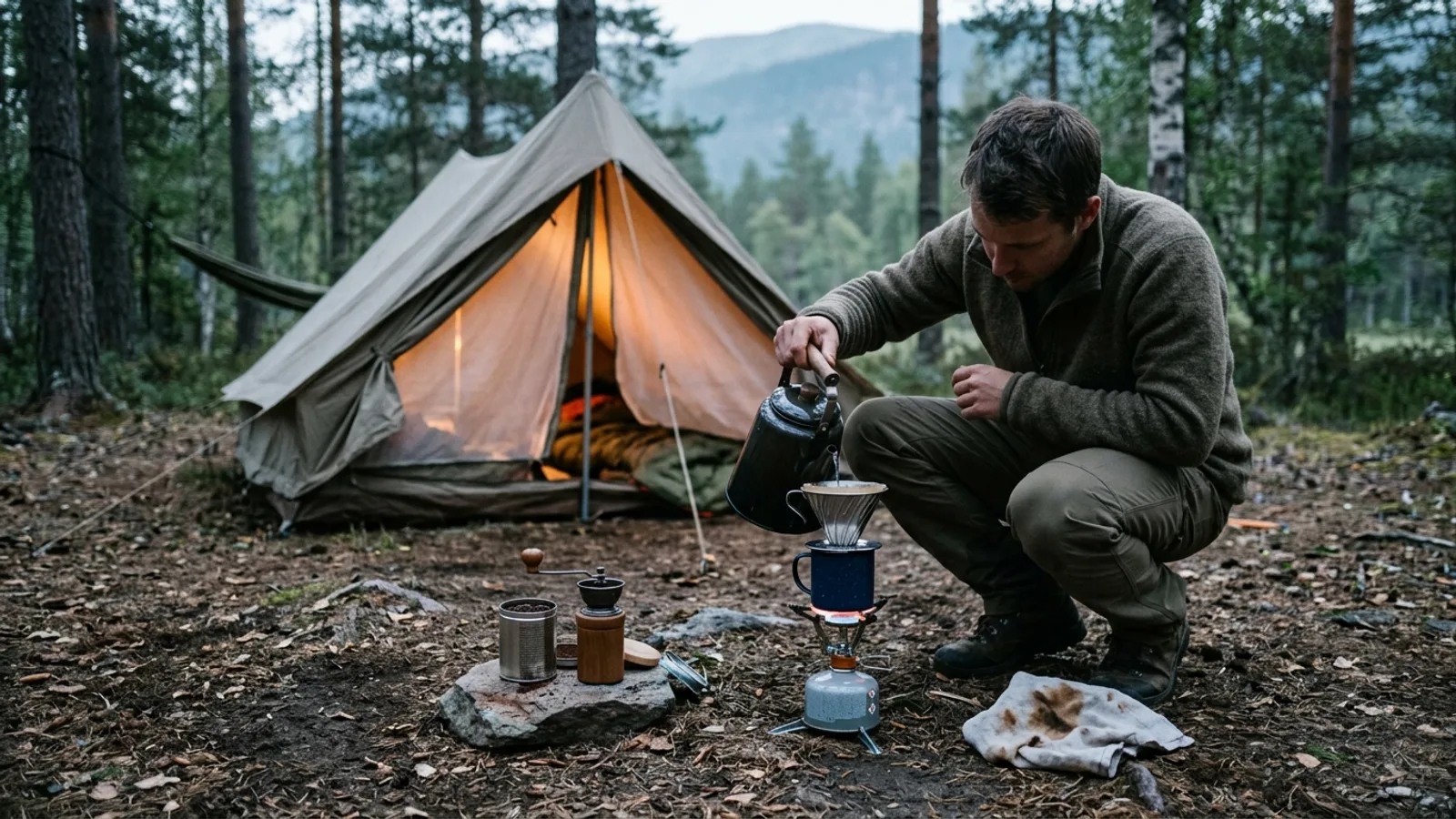
Simple meal planning does more for your trip than fancy equipment. Prep and portion ingredients at home so cooking at camp is mostly assembly. Bring cookware that's easy to clean, since dishwashing is one of the more tedious camp chores and simplicity pays off.
Pack snacks that hold up without refrigeration and don't crumble in a bag — this keeps energy up between meals without extra effort. A few shelf-stable treats make evenings feel a little more festive.
Basic hygiene routines — hand sanitizer or a wash station, a plan for trash and food storage, and keeping cooking areas separate from sleeping areas — make a noticeable difference in comfort and help avoid attracting wildlife.
Creating a Comfortable Camp Atmosphere
Good lighting extends the usable hours of your camp. A lantern or string lights set a relaxed mood for evenings, while a headlamp keeps your hands free for cooking or setting up. Bring more light than you think you'll need — batteries fade faster in cold weather.
Comfortable seating, whether a padded camp chair or a simple stool, gives you and your group somewhere to gather besides the ground or a log. It's a small addition that changes how a campsite feels in the evening.
Keeping gear organized — a system for where boots, food, and cooking supplies live — reduces the friction that makes camping feel like work. The less time you spend searching for things, the more time you have to enjoy actually being outside.