How to Stay Warm Camping in Cold Weather
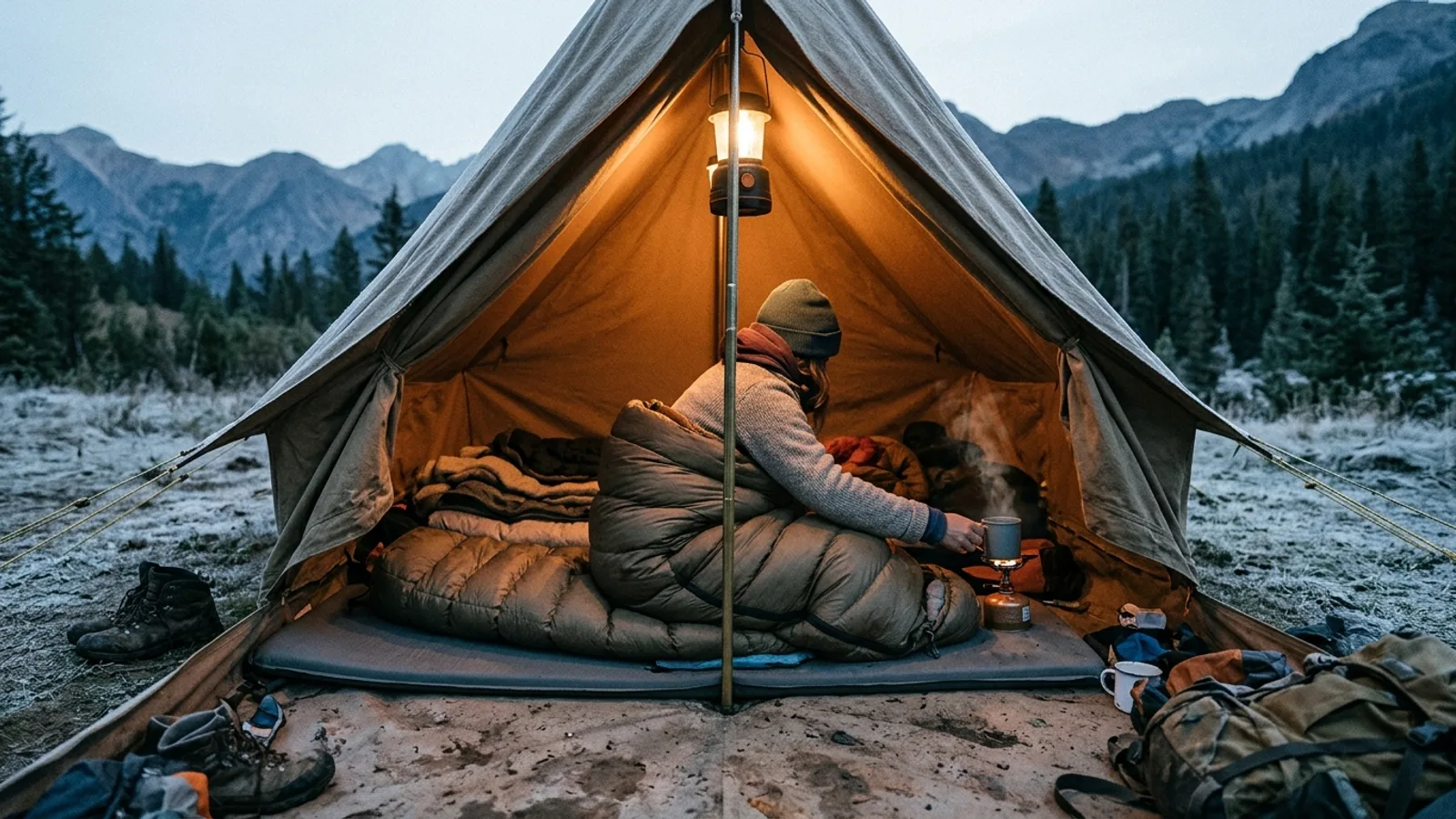
Staying warm while camping in cold conditions comes down to a few fundamentals: blocking heat loss to the ground, managing moisture, dressing in the right layers, and choosing gear suited to the temperatures you'll actually face. None of this requires expensive or specialized equipment — it requires understanding how your body loses heat and closing off those pathways one by one.
Choosing and Pitching a Tent
A smaller tent is easier to keep warm than a large one, simply because there's less air volume for your body heat to warm up. If you're camping as a couple or solo, a snug tent will feel noticeably warmer than a cavernous one, even with identical gear otherwise.
Tents built for winter or mountaineering conditions typically use sturdier poles and less mesh than three-season tents, which helps them hold up to wind and retain warmth better. If you camp in the cold often, this kind of tent is worth considering. For occasional cold nights, a well-pitched three-season tent with a full rainfly can still perform reasonably well.
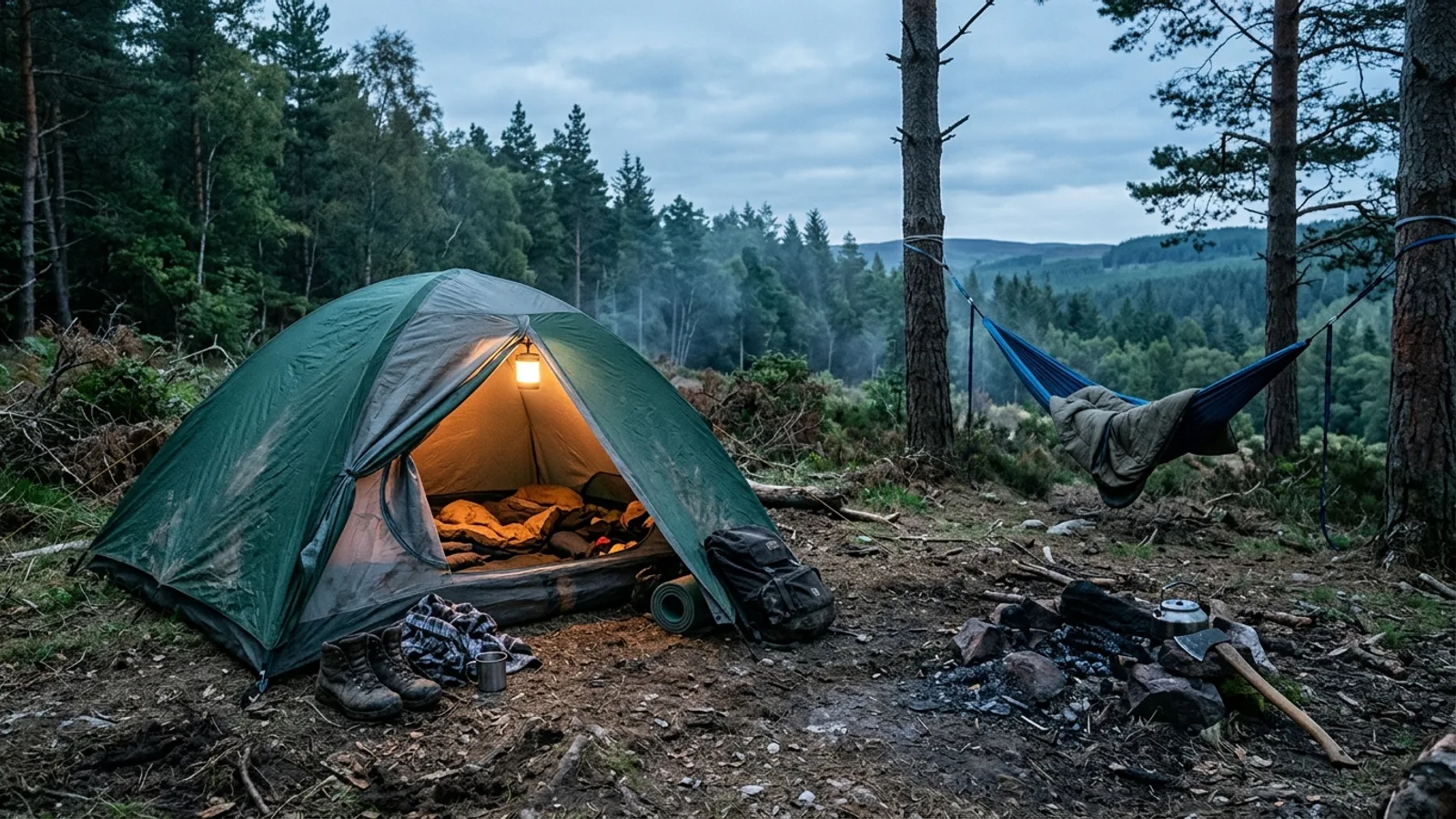
Campsite selection matters as much as the tent itself. Look for a spot shielded from prevailing wind — behind a rise, in a stand of trees, or tucked against a rock feature — and one that catches morning sun so your camp warms up quickly after a cold night. Avoid low spots where cold air pools, such as valley bottoms or hollows; cold air sinks, so a site slightly elevated from its surroundings is often warmer than one right beside it.
Pitch the tent taut. A loose, flapping tent wastes body heat through convection and lets wind-driven cold air work its way inside.
Managing Condensation
Condensation forms when warm, moist air from your breathing and body heat meets the colder inner surface of the tent wall. Left unchecked, this moisture drips back onto your gear and sleeping bag, making everything feel colder.
Ventilation is the main defense. Cracking a vent or leaving the door slightly open, even in cold weather, allows moist air to escape rather than condense. This feels counterintuitive when you're trying to stay warm, but a small amount of airflow keeps the interior drier, and a dry tent holds warmth better than a damp, sealed one.
A tight, well-tensioned pitch also helps, since it lets moisture pass through fabric and mesh panels rather than pooling in sagging spots. Avoid drying wet clothing or gear inside the tent overnight, since that adds directly to the moisture load.
Choosing a Sleeping Bag
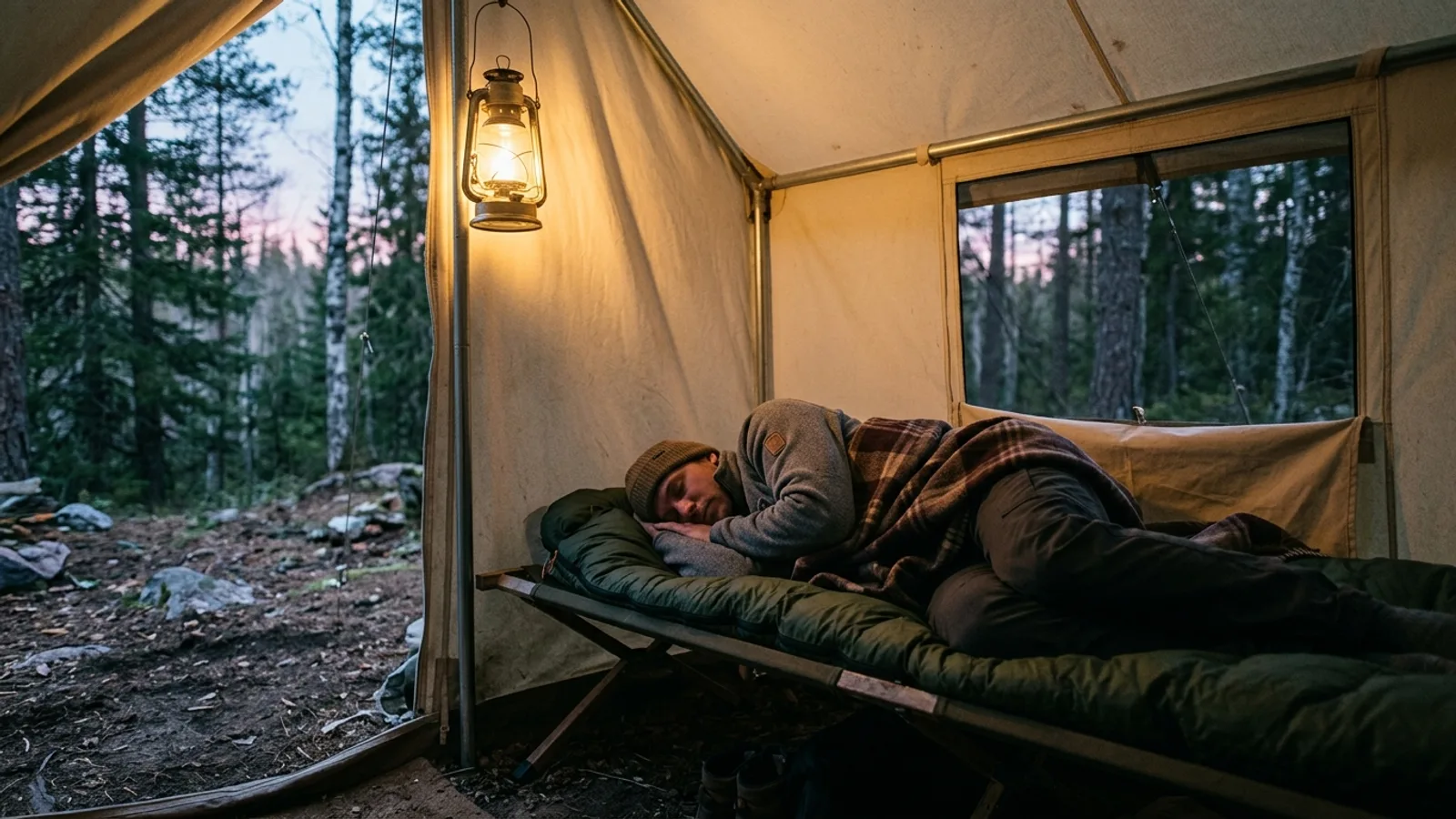
Sleeping bags are rated for temperature, and it's worth choosing a rating with some margin below the coldest temperature you expect. Temperature ratings are estimates of survivable cold, not comfortable cold, and individual tolerance for cold varies quite a bit.
Down insulation is lighter and compresses smaller for the same warmth, but it loses much of its insulating ability when wet and takes a long time to dry in the field. Synthetic insulation is heavier and bulkier but continues to insulate even when damp, which makes it a more forgiving choice in wet or humid climates.
A hood that cinches around your face helps retain heat, since an uncovered head loses heat quickly in cold air. Draft collars and tubes along the zipper reduce the cold spots that develop where cold air can otherwise leak in.
Fit matters too. A bag that's much larger than your body leaves air space that takes longer to warm with your body heat; a snugger fit warms up faster. That said, you still want enough room to move without feeling restricted.
Insulating Against the Ground
Heat loss to the cold ground beneath you is often a bigger problem than heat loss to the air, since the ground conducts heat away from your body far more efficiently than air does. A sleeping pad addresses this directly.
Sleeping pads are rated by an R-value, which measures resistance to heat flow — a higher R-value means better insulation from the ground. Air mattresses without added insulation provide little protection against cold ground and are a poor choice for cold-weather camping, even though they're comfortable in warm conditions. In very cold conditions, stacking two pads with different insulating properties (such as a foam pad under an inflatable one) increases overall warmth and adds a margin of safety if one pad fails.
Dressing and Behavior That Help You Stay Warm
Layer clothing rather than relying on one heavy piece — this lets you adjust as your activity level and the temperature change throughout the evening. Change into dry clothes before sleeping if the ones you wore during the day are damp from sweat or precipitation; damp clothing draws heat away from your body much faster than dry clothing.
Protect your extremities. Hands, feet, and head lose heat quickly relative to their size, so a warm hat, dry socks, and gloves make a disproportionate difference to how warm you feel overall.
Avoid sleeping in every layer you own. Overdressing inside a sleeping bag can cause you to sweat, and that moisture then cools you down later in the night. It's usually more effective to wear a moderate base layer and let the sleeping bag do the rest of the work.
Eating a warm meal or snack before bed gives your body fuel to generate heat overnight. Staying hydrated also helps regulate body temperature, though it may mean a cold walk to the bathroom in the middle of the night — better that than letting your body work harder to warm liquid you're holding onto.
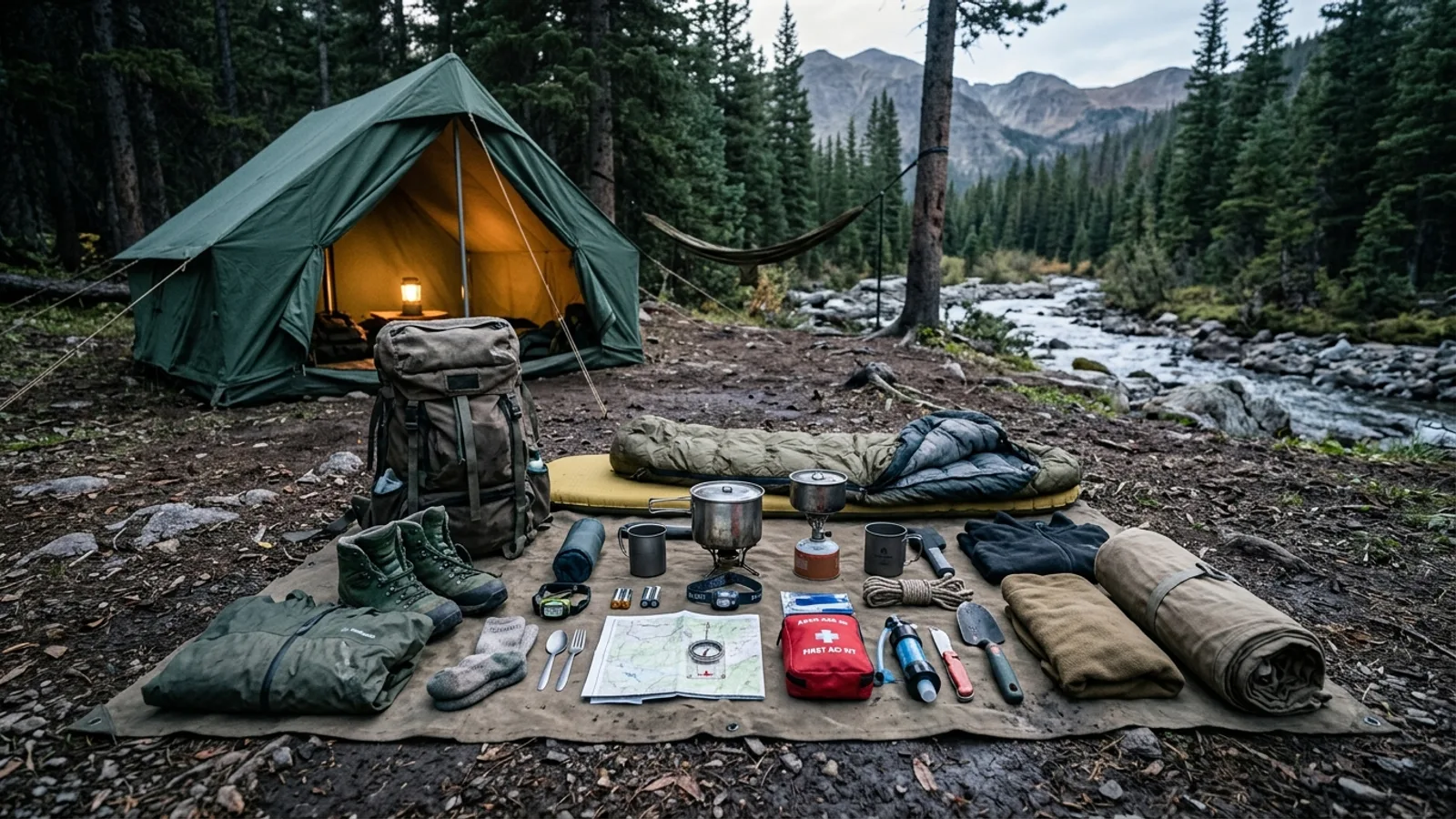
Any water, fuel canisters, or batteries that could freeze or perform poorly in the cold are best kept inside your sleeping bag or tent overnight, close to your body warmth. Batteries in particular lose capacity fast in freezing temperatures.
Practical Habits for Cold Nights
- Change into dry sleep clothes before bed rather than sleeping in the layers you were active in.
- Keep the next day's clothes inside your sleeping bag overnight so they're warm when you put them on.
- Do a last bathroom trip before settling in — a full bladder makes your body work harder to stay warm through the night.
- Fluff or loft your sleeping bag before use so the insulation can expand fully rather than staying compressed from storage.
- Keep your head outside the sleeping bag itself, but use a hood, hat, or balaclava — breathing directly into the bag adds moisture that reduces its insulating value over the trip.