The Complete Camping Gear Checklist: What You Actually Need
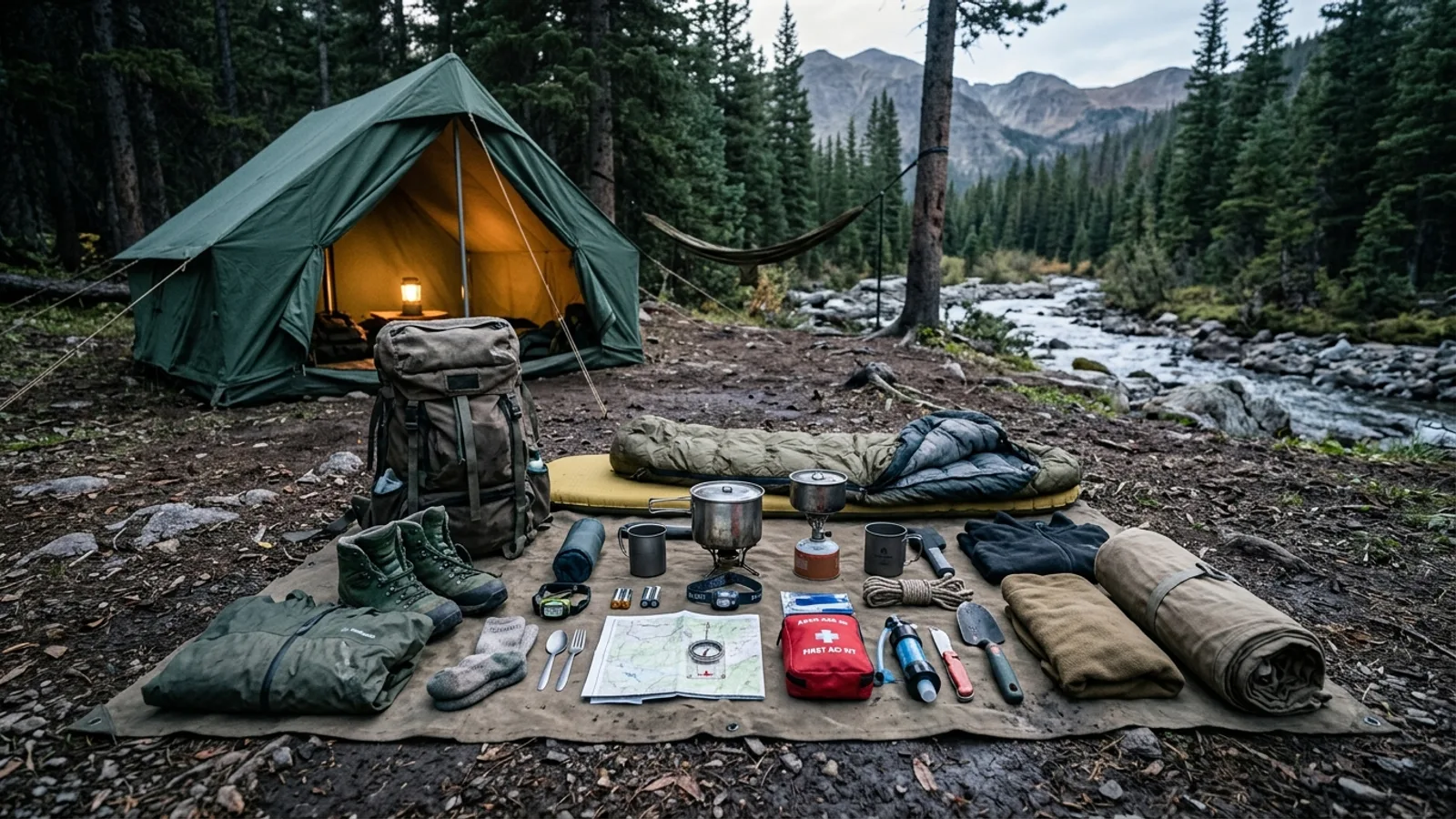
Packing for a camping trip goes smoother when you think in categories rather than trying to remember every small item at once. Use this checklist to cover the essentials, then adjust for your specific trip length, group size, and terrain.
Shelter and Sleeping Gear
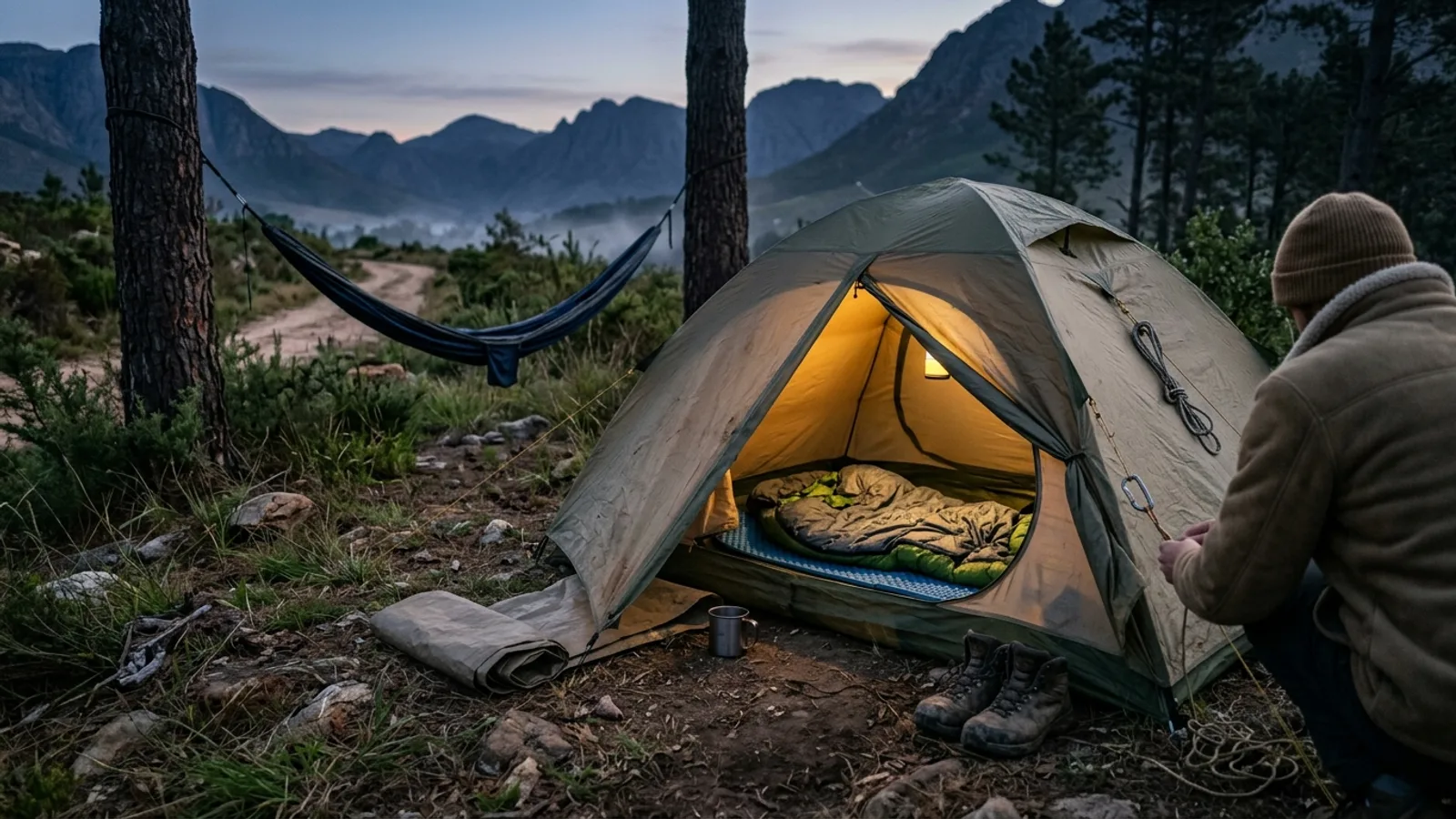
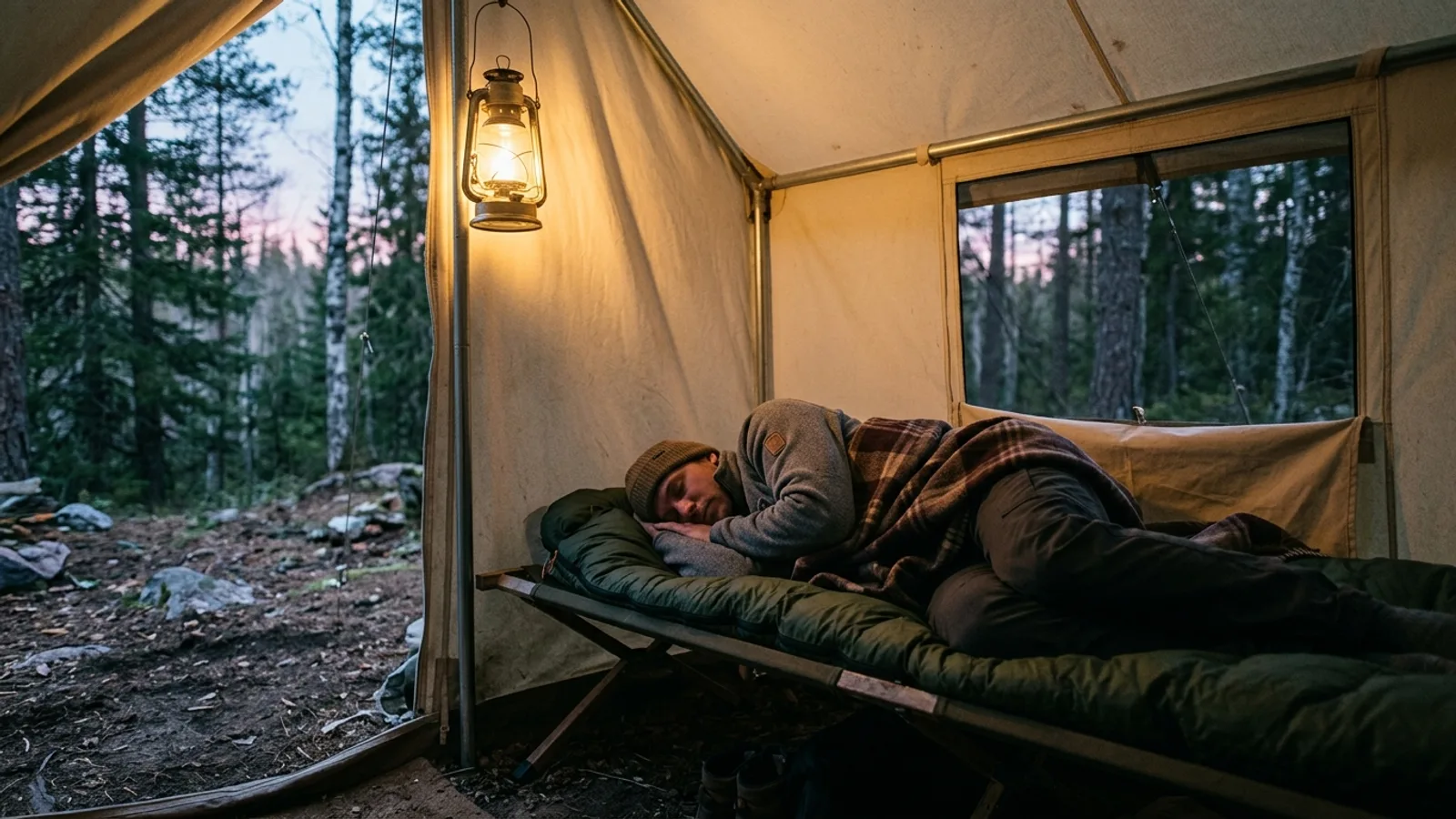
Your sleep system is the foundation of a comfortable trip. At minimum, plan for:
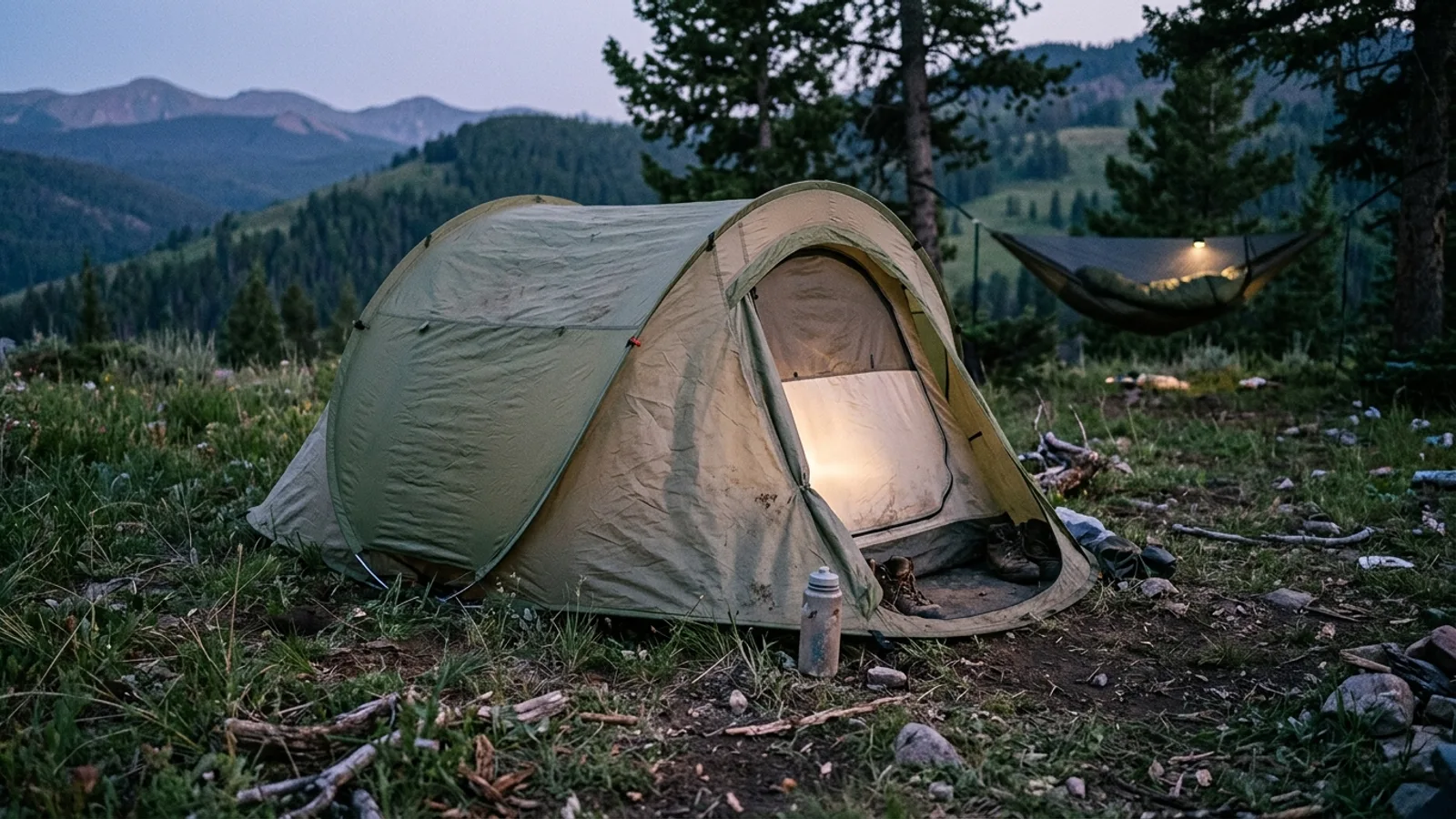
- Tent: Choose one rated for slightly harsher conditions than you expect. Practice pitching it at home before your trip.
- Sleeping bag: Match its temperature rating to the coldest night you might face, not the average.
- Sleeping pad: This insulates you from the ground as much as it cushions you. Skipping it is a common reason people get cold at night even with a warm bag.
- Groundsheet or footprint: Protects the tent floor and helps keep moisture out.
- Pillow: A compressible camp pillow or stuffed clothing sack works fine.
Set up your shelter before dark whenever possible. Fumbling with stakes and poles by headlamp is avoidable with a little planning.
Clothing and Layering
Layering lets you adapt to changing temperatures without carrying a separate outfit for every condition. A solid system includes:
- Base layer: Moisture-wicking material worn against the skin.
- Insulating layer: Fleece or a similar mid-layer for warmth.
- Outer shell: Wind- and water-resistant to block the elements.
- Extra socks and underwear: Wet feet are one of the fastest ways to become miserable outdoors.
- Hat and gloves: Useful even in mild seasons, since nights can turn cold quickly at elevation or in open terrain.
Check the forecast for both daytime highs and overnight lows, and pack for the wider range rather than the average.
Hygiene and Medical Supplies
A basic hygiene and first aid kit keeps small problems from turning into trip-ending ones.
- First aid kit: Include bandages, antiseptic, blister care, and any personal medications.
- Hand sanitizer and biodegradable soap: For cleaning up before meals and after using the bathroom.
- Toilet paper and a trowel: Essential if the campsite lacks facilities; follow local guidance on burying or packing out waste.
- Sunscreen and insect repellent: Reapply throughout the day, especially near water or at dawn and dusk.
Before you go, check whether your campsite has toilets or potable water so you know what to bring versus what's provided.
Tools and Navigation Gear
Simple tools solve most on-the-ground problems, and navigation gear keeps you oriented if trails aren't well marked.
- Multi-tool: Useful for gear repairs, food prep, and general fixes.
- Headlamp or flashlight: Pack spare batteries or a backup light source.
- Duct tape or repair tape: A small roll can patch a torn tent, pole, or pack.
- Map and compass: Don't rely solely on a phone; batteries die and signal can disappear.
- GPS device or offline maps: A useful backup, but know how to navigate without it too.
- Whistle: A simple, reliable way to signal for help if needed.
Campsite Furniture and Kitchen Supplies
Comfortable camp living comes down to a few key pieces of gear.
- Camping chairs: Look for ones that pack down small if space is limited.
- Portable table: Handy for cooking and eating, especially at sites without a picnic table.
- Camp stove and fuel: Check fuel compatibility and estimate how much you'll need for the trip.
- Cookware: A basic pot and pan set covers most simple camp meals.
- Cooler: Pack it with ice or frozen items at the bottom to keep food cold longer.
- Reusable plates, cups, and utensils: Cuts down on trash and the need to pack out disposables.
- Food storage containers: Look for options that are animal-resistant if you're camping in an area with wildlife.
If you're new to camping or don't want to buy everything at once, renting gear from a local outdoor retailer is a reasonable way to try things out before committing.
Personal Belongings and Extras
Beyond the core categories, a few extra items tend to make a real difference:
- Trash bags: For packing out all waste, including food scraps.
- Rope or paracord: Useful for gear lines, hanging a tarp, or emergency repairs.
- Fire starter: Waterproof matches or a lighter, plus dry tinder if you plan to have a campfire.
- Water filter or purification tablets: Important if you'll be refilling from natural water sources.
- Extra water containers: Especially in dry climates where refill points are far apart.
Camping With Kids or a Group
Larger groups and families benefit from a bit of extra planning: pack entertainment for downtime, know where the nearest facilities or help are located, and bring any specific medical or dietary items each person needs. Assigning simple camp jobs, like fire-tending or dish-washing, can also make group trips run more smoothly.
Building Your Own Checklist
No single list fits every trip. Adjust for the season, the terrain, and how far you'll be from your vehicle or a town. Over time, you'll figure out which extras are worth carrying and which ones you can leave behind. Starting with the basics above and refining from there is the most reliable way to build a checklist that actually works for how you camp.