How to Sleep Comfortably While Camping
Why Sleep Quality Suffers Outdoors
Most bad nights in a tent come down to three things: an uncomfortable sleeping surface, being too cold or too hot, and being disturbed by light or noise. Each of these is fixable with technique, not just gear.
Choosing a Sleeping Surface
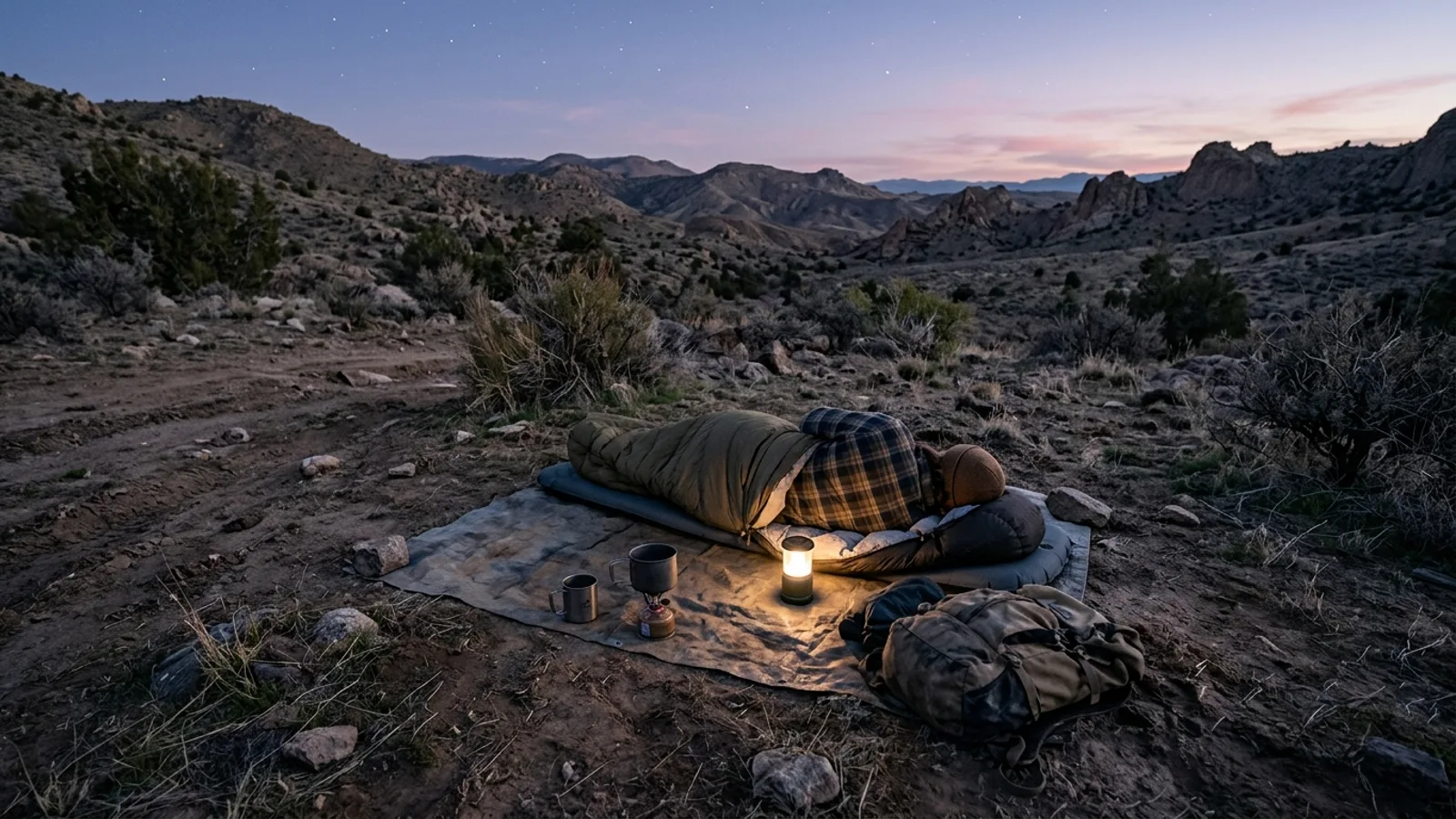
What you sleep on matters more than what you sleep in. A sleeping bag alone on bare ground will feel cold and hard no matter how good the bag is, because the ground pulls heat away from your body far faster than air does.
- Sleeping pads insulate you from the ground and add cushioning. Foam pads are simple and puncture-proof but bulkier and less plush. Inflatable pads pack smaller and can be more comfortable, but need care to avoid punctures and require inflating and deflating at camp. Self-inflating pads split the difference.
- Camping air mattresses give a bed-like feel and work well for car camping where pack weight and size don't matter. They're less practical for backpacking.
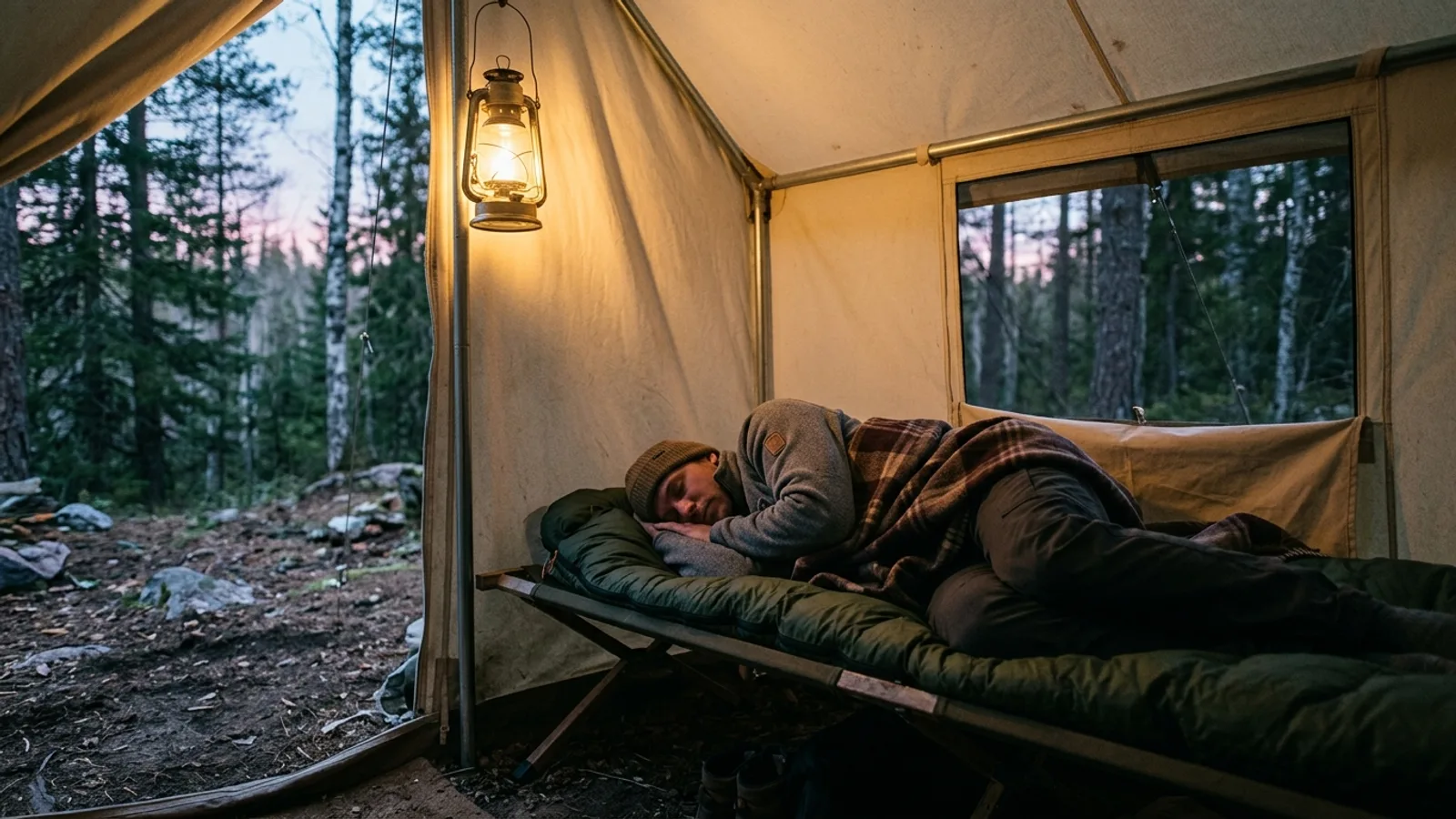
- Camping cots lift you off the ground entirely, which helps in wet or uneven terrain and can make getting in and out easier. They pack larger and are heavier than most pads.
- Hammocks work well in wooded areas with suitable trees and can be very comfortable for side or diagonal sleepers, but they still need an insulating layer underneath in cool weather since air moves freely beneath you.
Whichever surface you choose, its insulating value against the ground matters as much as its cushioning. A thin, uninsulated pad or mattress will leave you cold even inside a warm sleeping bag.
Staying Warm Without Overheating
The most common mistake in cold-weather camping is wearing bulky layers inside a sleeping bag. This compresses the bag's insulation right where you need it most and actually makes you colder. Instead, wear a light, dry base layer to bed and keep extra layers nearby to add on top of the sleeping bag if needed.
Change out of any clothing that's damp from hiking or sweat before getting into your bag. Damp fabric next to skin pulls heat away and can keep you chilled all night. Dry socks and a hat make a noticeable difference, since heat loss through the head and feet is significant.
If you tend to sleep cold, a liner inside your sleeping bag adds warmth without the bulk of extra layers. Eating a small snack before bed can also help, since digestion generates a bit of body heat overnight.
In warm weather, the goal flips: choose breathable bedding, sleep with the tent well-ventilated, and avoid tent placement in low spots where warm, humid air collects overnight.
Managing Light and Noise
Tents do little to block outside light, so early sunrises or bright moonlight can cut sleep short. An eye mask or a tent with a darker rainfly liner can help extend sleep in bright conditions.
Unfamiliar outdoor sounds, whether wildlife, wind, or neighboring campers, are a common reason people struggle to fall asleep outdoors compared to at home. Earplugs are a simple, reliable fix. Consistent background noise, like a fan or steady white noise from a phone or small device, can also help mask irregular sounds without cutting you off entirely from your surroundings.
Setting Up for a Better Night
Pick a tent site that's flat, elevated slightly above the surrounding area for drainage, and clear of rocks and roots. Even a good sleeping pad won't compensate for a lumpy or sloped site.
Pitch your tent with your head slightly uphill if the ground isn't perfectly level; sleeping downhill tends to be harder to get used to than the reverse.
Keep the inside of your tent organized so you're not searching for a headlamp or extra layer in the dark. A small routine before lights-out, such as laying out what you might need overnight, reduces the disruptions that come from fumbling around after you're already settled.
Matching Gear to the Trip
There's no single best setup for everyone. Car campers can prioritize comfort and bring a full-size air mattress or cot without worrying about pack weight. Backpackers need to balance warmth and cushioning against weight and packed size, which usually means an inflatable or foam pad and a compressible sleeping bag rated for the coldest temperature they expect to encounter.
Think about the conditions of the specific trip rather than buying for the most extreme case. A bag or pad rated for far colder conditions than you'll actually face just adds unnecessary weight and bulk.