How to Choose a 6-Person Tent: A Practical Buying Guide
What "6-Person" Actually Means
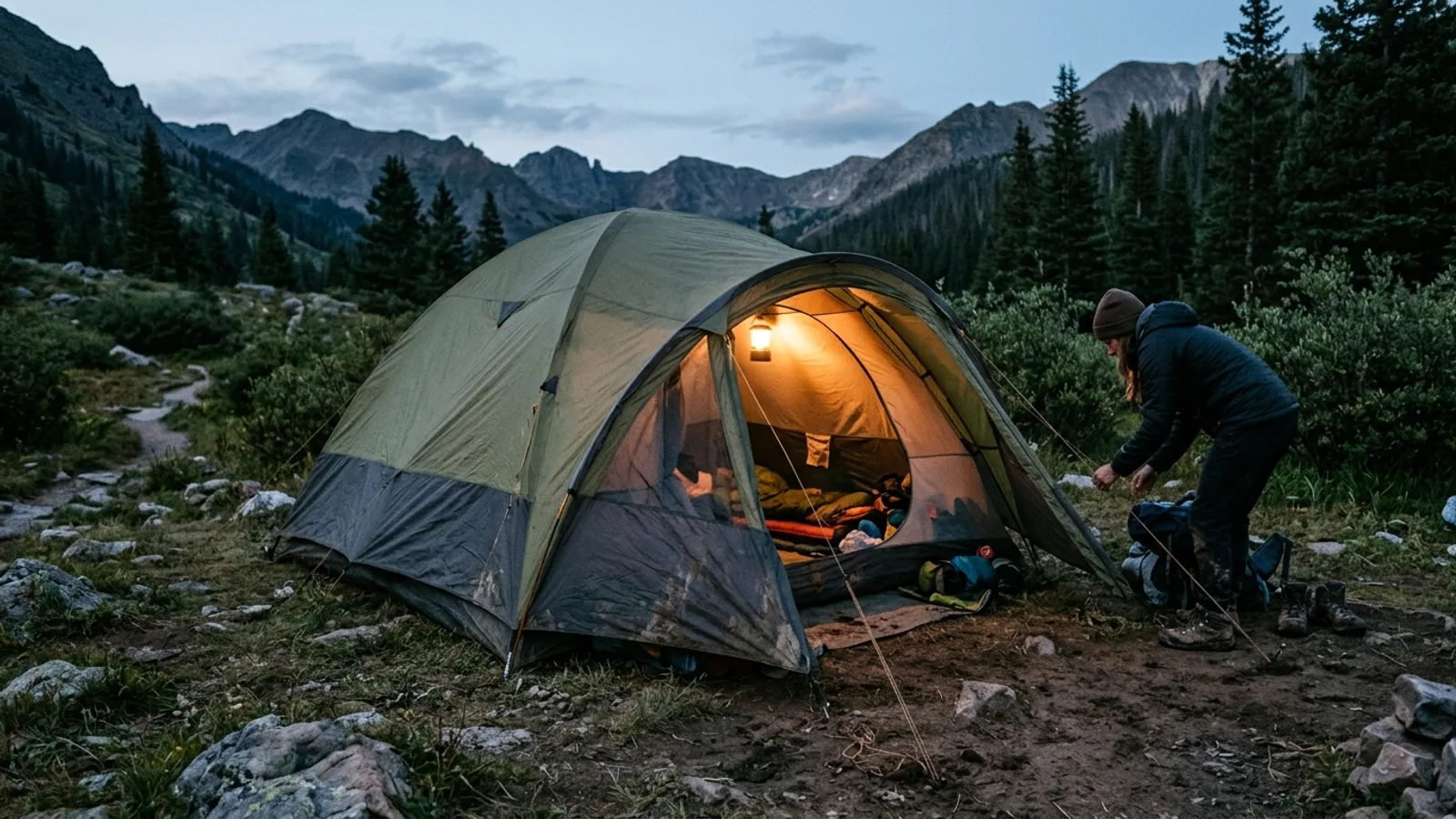
Tent capacity ratings describe how many sleeping bags can physically fit shoulder-to-shoulder on the floor, with no room left for gear, shoes, or a bag. In practice, a 6-person tent is comfortable for four adults with some gear inside, or six people if the tent is used strictly for sleeping and everything else stays in vehicles or a vestibule.
Before buying, think about how you actually camp. If you use camp chairs and a table outside and only sleep in the tent, capacity ratings are close to accurate. If you plan to ride out rain inside the tent playing cards, size up.
Floor Space and Livability
Floor dimensions matter more than the person rating. A useful baseline is checking for roughly 12 to 14 square feet of floor space per adult sleeper if you want any elbow room. Rectangular cabin-style layouts generally feel more livable than dome shapes of the same square footage because the walls rise more vertically, leaving usable space near the edges instead of sloped, wasted corners.
Peak height matters for comfort too. A tent tall enough to stand up in makes changing clothes and moving around far easier, especially for families with kids or anyone camping for more than a night or two.
If your group needs privacy, look for models with a room divider or curtain, or plan to bring one. Not all family-style tents include this, so check before you buy if it matters to you.
Materials and Durability
Tent fabric is typically rated by denier, a measure of thread thickness. Higher denier numbers generally indicate a tougher, heavier fabric that resists abrasion and punctures better, which matters if you're pitching on rough or rocky ground. Lighter denier fabrics save weight but demand more careful site selection and handling.
Look at how the poles attach to the tent body. Continuous pole sleeves and color-coded clips both work, but sleeves tend to distribute stress more evenly across the pole, while clip systems are usually faster to set up and easier to inspect for damage.
Seams are a common failure point. Factory-taped or welded seams, especially at the corners and floor, are usually more reliable over time than seams you have to seal yourself with an aftermarket product.
Ventilation
Condensation forms when warm, moist air from breathing and body heat meets the cooler tent walls, and it's one of the most common complaints with family tents. Mesh panels, adjustable windows, and roof vents let humid air escape rather than dripping back down on you overnight.
A tent with vents positioned high and low works on the same principle as a chimney, pulling stale air out and letting fresh air in without necessarily needing a breeze. This is worth prioritizing if you camp in humid climates or often cook and sit near the tent entrance.
Weather Resistance
A rainfly that extends well past the tent body and reaches close to the ground offers meaningfully better rain protection than a short "cap" style fly that only covers the roof. Check how far the fly extends before buying, since this detail is often more important than the waterproof rating printed on the fabric itself.
Bathtub-style floors, where the waterproof floor material extends a few inches up the sidewalls before meeting a seam, help keep ground water from seeping in during a downpour or when pitched on a slight low spot.
For wind, a lower profile and a full set of guyline attachment points matter more than any single fabric spec. Practice staking out guylines at a taut, low angle before your trip; a tent that isn't properly staked can perform poorly regardless of its design.
Ease of Setup
Instant or quick-pitch tents with pre-attached poles trade some weight and packed size for a much faster setup, which is a reasonable trade for car camping or established campgrounds. Traditional pole-and-sleeve tents pack smaller and often prove more durable over years of use, but take longer to learn.
Whatever tent you choose, do a full practice setup at home before your first trip. Learning the process in your yard, in good light, and without pressure will save real frustration later, especially if you arrive at a site after dark or in poor weather.
Care and Longevity
Always dry a tent completely before packing it away for storage. Packing a damp tent is one of the most common causes of mildew, odor, and long-term fabric breakdown.
Use a footprint or ground tarp sized slightly smaller than the tent floor to reduce abrasion from rocks and sticks. Avoid leaving a tent pitched in direct sun for extended periods when not in use, since UV exposure gradually breaks down synthetic fabrics and coatings.
Choosing What's Right for Your Trips
If you mostly car camp at established campgrounds, prioritize floor space, standing height, and ventilation over weight. If you occasionally hike a short distance to a site, weigh the tent's packed weight and size against how far you're willing to carry it. There is no single best 6-person tent — the right choice depends on your climate, your group's habits, and how much comfort you're willing to trade for portability.