How to Stay Cool While Camping in Hot Weather
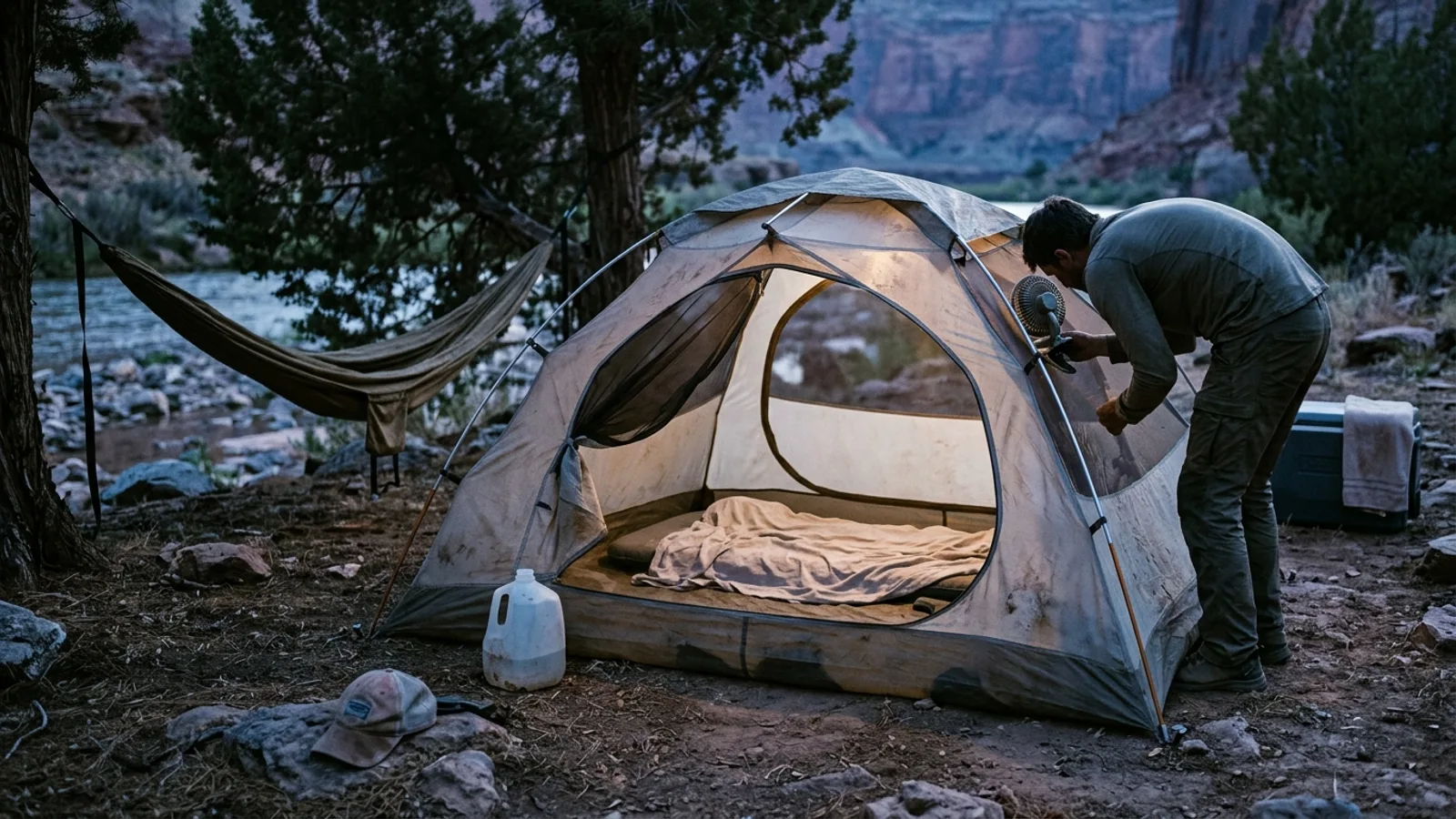
Choosing a Campsite That Stays Cooler
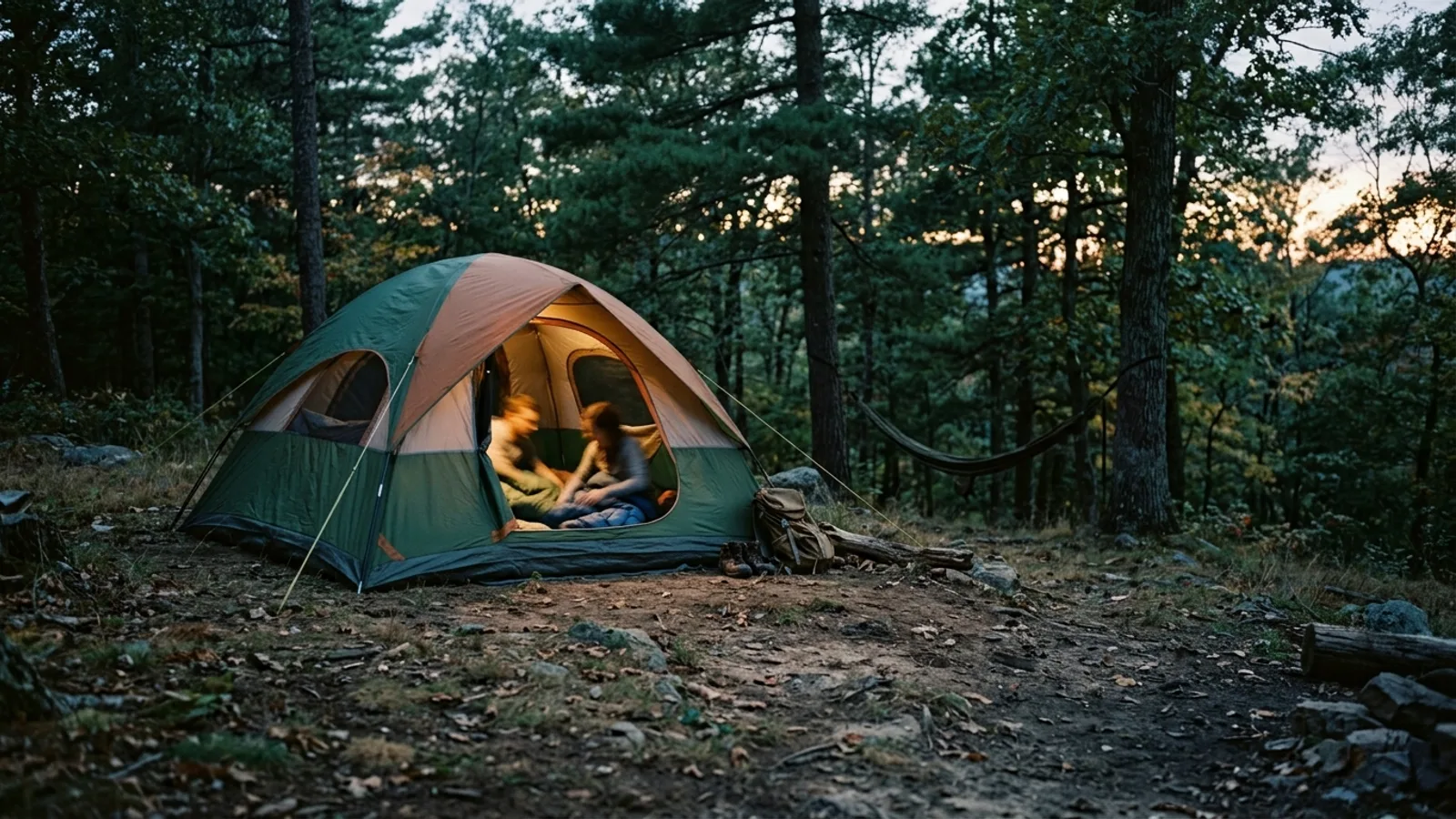
Shade is the single biggest factor in how hot your tent feels. Look for a site under a tree canopy or near a rock formation that blocks direct sun for at least part of the day. Morning shade is pleasant, but afternoon shade matters more, since that's when temperatures peak.
Before pitching, watch how sunlight moves across the site if you have time. A spot that looks shaded in the morning can be in full sun by early afternoon. Sites near water often run a few degrees cooler thanks to evaporative cooling and breezes, though they can also bring more humidity and insects.
Open, breezy areas help too. Even a light, steady wind can make a big difference in comfort, so a site that gets cross-ventilation is often better than one that's fully enclosed by brush, even if the enclosed spot has more shade.
Setting Up Your Tent for Heat
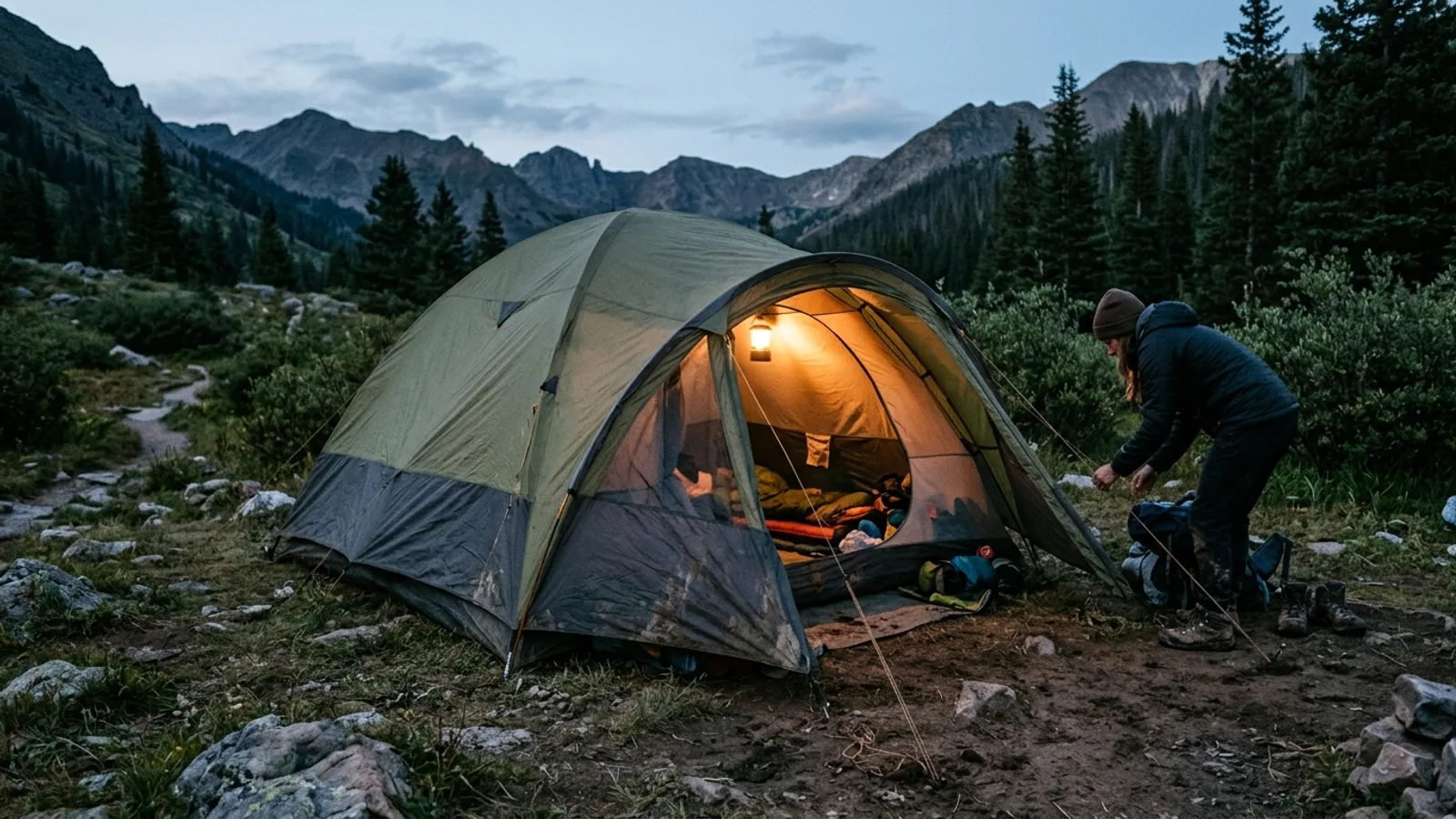
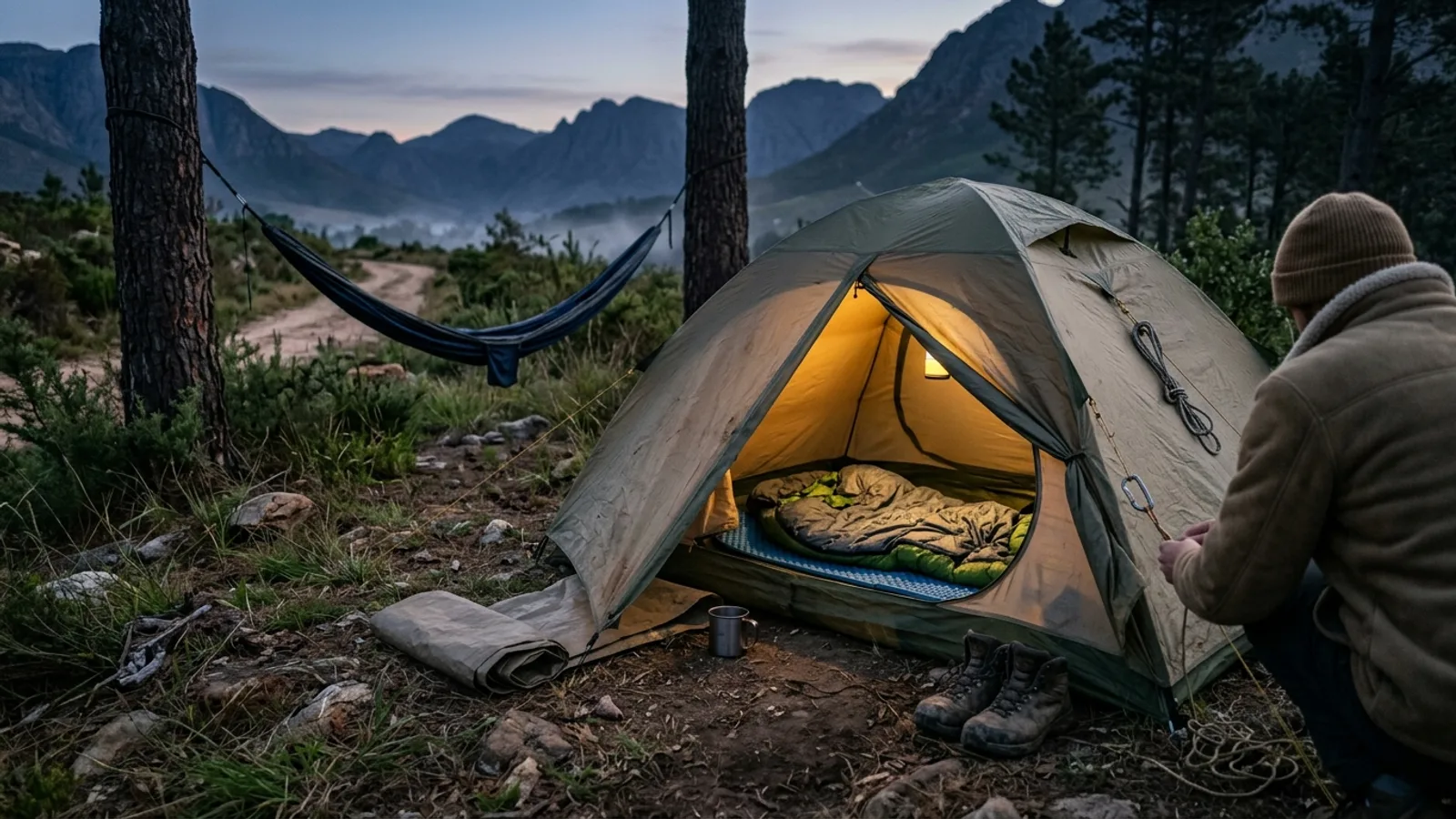
Pitch your tent so its doors and vents face the prevailing breeze. Use every mesh panel and vent your tent has; airflow does more for comfort than any other single adjustment. A rainfly can trap heat during the day, so remove it or roll it back when rain isn't a realistic risk, and put it back before dusk if needed.
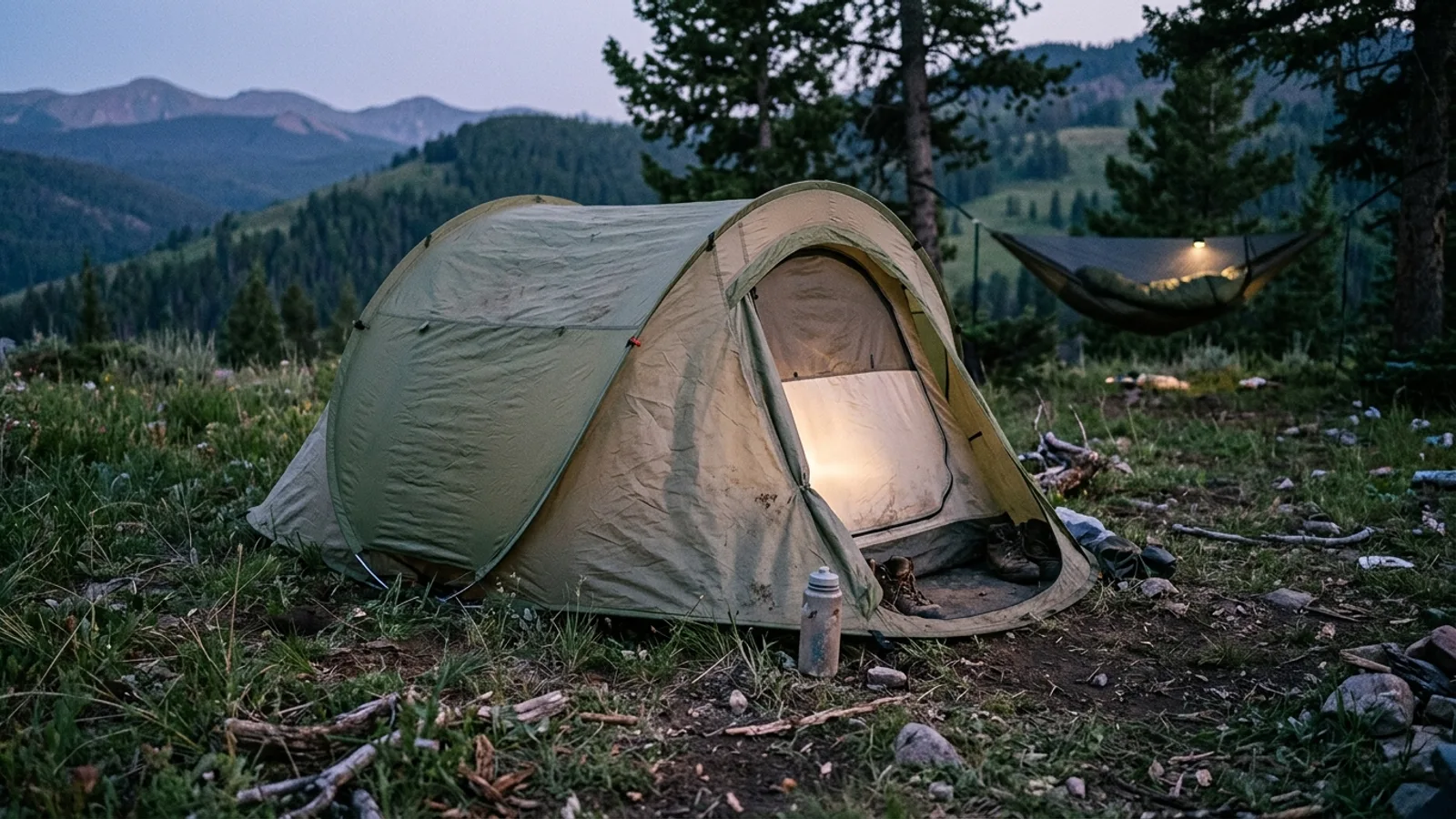
A reflective or light-colored tent body absorbs less solar heat than a dark one, which can matter in direct sun. Double-wall tents with a mesh inner layer tend to breathe better than single-wall designs, since air can move between the layers.
Taking your tent down completely during the hottest part of the day is one option some campers use to avoid a "greenhouse" effect, but it's often unnecessary if the tent is well-ventilated and pitched in shade. A simpler approach is to leave the doors and windows open and stake out the fly as an awning for shade instead of removing everything.
An external tarp rigged above the tent, with a gap for airflow between the tarp and the tent roof, can block sun effectively without you having to break camp every day.
Food and Drink for Hot-Weather Camping
Staying hydrated matters more than any single food choice. Drink water consistently throughout the day rather than waiting until you're thirsty, and bring more than you think you'll need, especially if you're hiking or active during the heat.
A well-insulated cooler, packed tightly with ice or frozen gel packs and kept in shade, will hold its temperature far longer than one left in the sun or opened frequently. Pre-chilling food and drinks before you pack the cooler helps it stay cold longer.
Foods with high water content, such as melon, cucumber, and citrus, are refreshing and contribute to hydration. Cold soups, yogurt, and simple sandwiches are easy to prepare without a stove, which also keeps you from adding extra heat to camp with a burner.
Standard food safety rules apply in hot weather even more than usual: keep raw meat separate and well chilled, wash your hands before handling food, and don't let perishables sit out for long stretches, since heat speeds up spoilage.
Clothing and Sun Protection
Loose-fitting, lightweight, breathable fabrics let air circulate against your skin and help sweat evaporate, which is your body's natural cooling mechanism. Light colors reflect more sunlight than dark ones, which can help in direct sun.
A wide-brimmed hat shades your face, ears, and neck and reduces glare. Sunglasses with good UV protection help on bright, reflective terrain like sand, snow, or open water.
Sunscreen, reapplied regularly, and clothing labeled for sun protection both reduce UV exposure. Covering up during peak sun hours can sometimes keep you cooler and safer than going shirtless, since direct sun on bare skin adds heat and UV exposure at the same time.
Recognizing Heat-Related Illness
Know the general warning signs of overheating: heavy sweating, weakness, dizziness, nausea, or a headache. If someone stops sweating, becomes confused, or their skin feels hot and dry, treat it as a serious situation and get them cooled down and out of the sun immediately, and seek medical help if symptoms don't improve quickly.
Resting in shade during the hottest part of the day, pacing physical activity for cooler morning or evening hours, and drinking water regularly are the simplest ways to avoid problems in the first place.
Cool-Weather Activities for Hot Days
Swimming in a lake, river, or ocean near your campsite is one of the most effective ways to cool off and is a natural centerpiece for a hot-weather trip. Check current, depth, and any posted local guidance before entering unfamiliar water, and be cautious of moving water in rivers, since currents can be stronger than they appear from the bank.
Shaded nature walks, especially along forested trails or near water, are more comfortable than open, sun-exposed routes and still offer a good way to explore the area. Timing hikes for early morning or evening, when temperatures are lower, is a simple way to stay active without the heat becoming a problem.
Water-based games and low-effort activities near camp, such as relaxing by a stream or setting up a shaded common area for the group, let you enjoy the outdoors without exerting yourself during the hottest hours.