Camping with Kids: What to Pack and How to Prepare
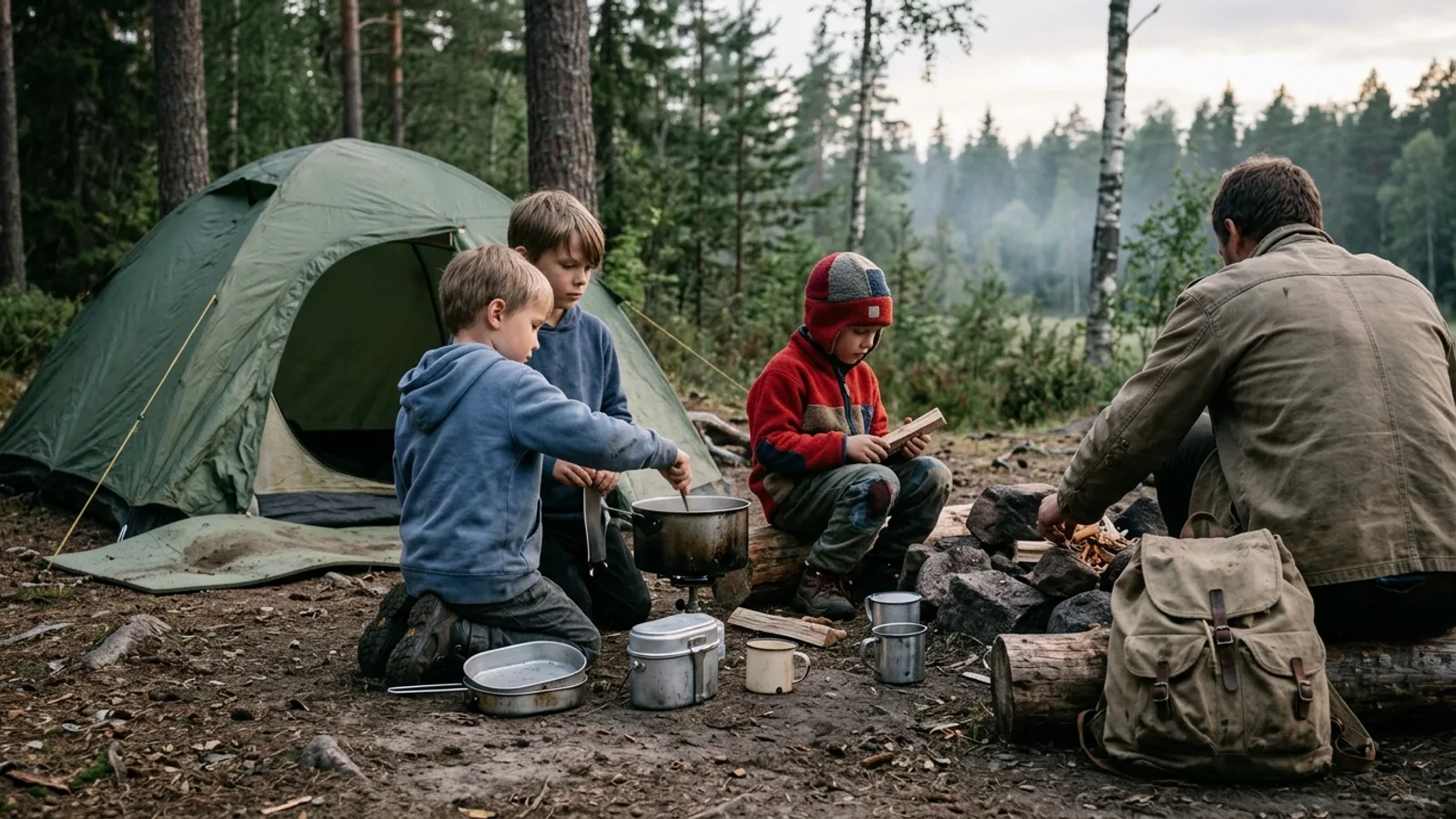
Start With a System, Not Just a List
Camping with kids goes smoother when gear is organized by function rather than tossed in as one big pile. A dedicated bin or duffel for kitchen items, another for sleeping gear, and a small bag for first aid and hygiene means you're not digging through everything at 8pm when someone needs the bug spray. Label bins clearly and keep the same system trip after trip so kids eventually know where things live too.
Pack a few days ahead rather than the night before. Kids' gear multiplies fast — extra clothes, comfort items, entertainment — and a rushed pack job is how essentials get left behind.
Sleep Setup
Kids lose body heat faster than adults, so err on the warmer side for sleeping bags and add an insulating layer underneath — a foam pad, an extra blanket, or a double layer of sleeping pad works well. Ground insulation matters as much as the bag itself, since cold rises up from beneath even on a mild night.
A washable liner or a spare blanket helps too, since spills and accidents are common with younger campers. Bringing a familiar pillow or sleep item from home can also make an unfamiliar tent feel less strange at bedtime.
Keeping Things Clean
Running water is rarely close at hand at a campsite, so wet wipes, hand sanitizer, and a small basin for washing hands and dishes go a long way. A collapsible basin or bucket is easy to pack flat and useful for everything from rinsing dishes to a quick foot wash before bed.
For younger kids not yet reliably using outdoor toilets, a portable camping toilet or a supply of disposable bags designed for waste can remove a lot of stress, especially at sites without nearby restroom facilities.
A simple mat or rug at the tent entrance cuts down on dirt and debris being tracked inside, which matters more with kids running in and out all day.
Light and Visibility
Once the sun goes down, a well-lit camp keeps everyone safer and calmer. A main lantern for the common area, plus a small headlamp or flashlight for each person old enough to use one, lets kids move around camp — to the tent, to the toilet — without needing an adult to walk them every time.
Pack spare batteries, and consider items with a lower, warmer light for use right at bedtime so it doesn't interfere with everyone settling down to sleep. Reflective or glow-in-the-dark markers on stake lines and tent guy-lines can prevent trips and falls after dark.
Weather-Proofing the Trip
Kids get cold, wet, and miserable faster than adults, so waterproof outerwear and sturdy rain boots are worth prioritizing over almost anything else on the packing list. A dry base layer to change into after a wet day makes a huge difference in morale.
If rain is likely, a shelter over the cooking and eating area — even a simple tarp strung between trees — keeps meals dry and gives kids a covered space to play. Quick-drying towels take up less room and are more useful than cotton ones, which stay damp for days once wet.
Rain doesn't have to end a trip early. Games, books, and a dry gathering space can turn a wet afternoon into a memorable part of the trip rather than a reason to leave.
Food and Mealtime
Simple, sturdy utensils that combine a fork and spoon reduce the number of pieces you need to track, wash, and pack. Durable, unbreakable plates and cups hold up better than anything glass or overly delicate.
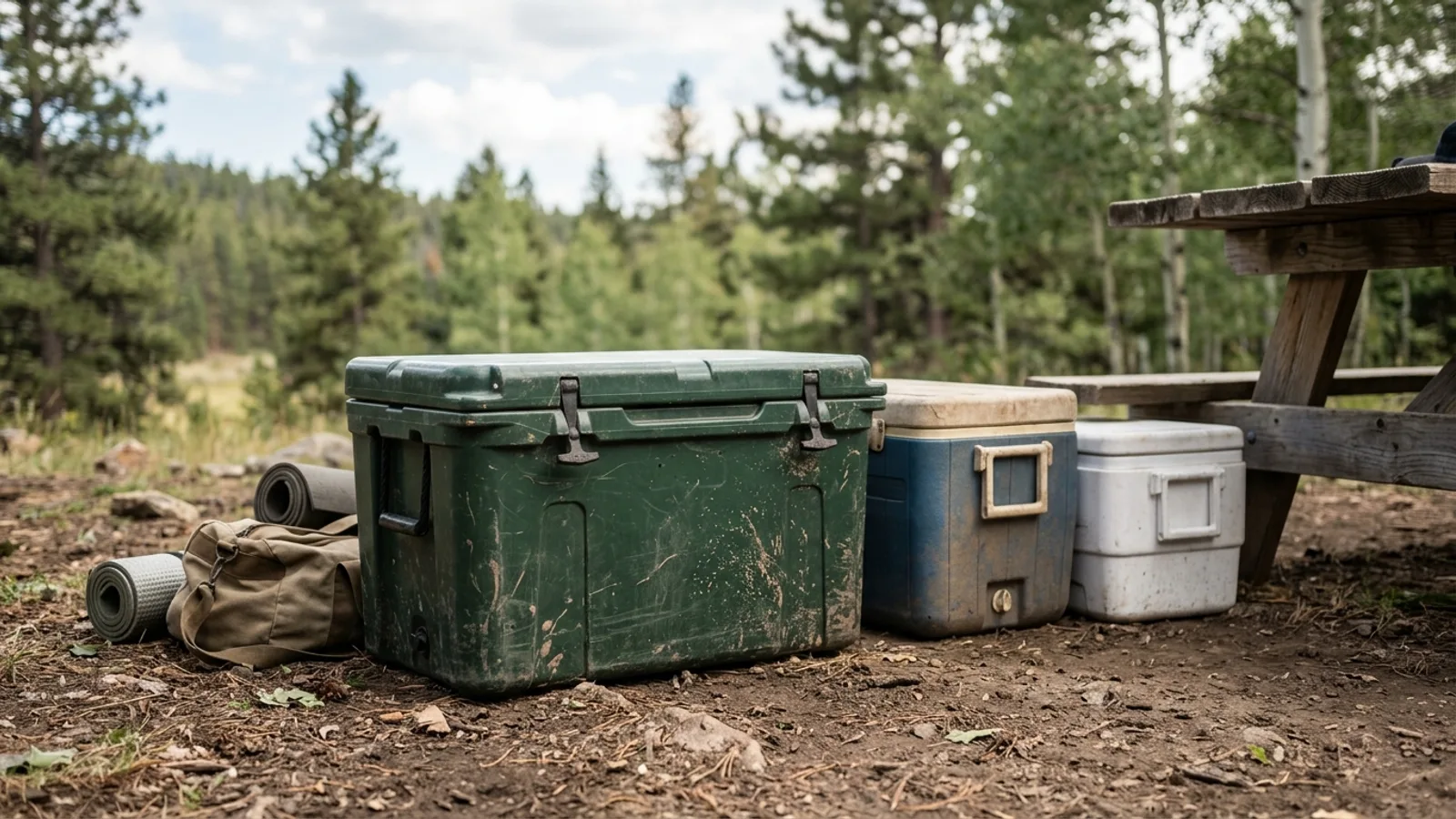
Pack more snacks than you think you'll need — kids tend to eat more when active outdoors, and having food on hand can prevent meltdowns between meals. A cooler with good ice retention keeps perishables safe for longer trips.
First Aid and Safety Basics
A first aid kit suited for family camping should cover the basics: bandages, antiseptic wipes, tweezers for splinters or ticks, pain and fever relief appropriate for children, and insect bite relief. Include any medications your family regularly needs, and know before you go how far the nearest medical help is from your campsite.
Sunscreen and insect repellent applied consistently, along with clear rules about how far kids can wander from camp, prevent most of the common camping mishaps before they start.
Keeping Kids Engaged
Unstructured outdoor time is valuable, but having a few simple games, cards, or a nature scavenger hunt ready can help bridge the moments between activities — especially during setup, teardown, or a rain delay. Comfortable, kid-sized seating around the fire or picnic area also makes it easier for younger campers to settle in and participate in group time.
Family Camping Checklist
- Shelter and sleep: tent, sleeping bags rated for the expected temperature, sleeping pads, pillows, extra blankets
- Clothing: layers, rain gear, sturdy shoes, extra socks, sleepwear, hats
- Hygiene: wet wipes, hand sanitizer, toothbrushes, biodegradable soap, toilet paper, a portable toilet option if needed
- Kitchen: stove, fuel, cookware, durable plates and utensils, cooler, water storage
- Light: a main lantern, personal headlamps or flashlights, spare batteries
- First aid: a stocked kit, sunscreen, insect repellent, any personal medications
- Comfort and play: camp chairs, games, books, a favorite comfort item from home
- Weather backup: tarp or shelter cover, quick-dry towels, dry change of clothes
Final Tips
Set expectations early with kids about what camping will involve — sleeping outside, using different bathroom facilities, and helping with simple chores like gathering kindling or setting up chairs. Giving them small jobs builds a sense of ownership in the trip and keeps them occupied during setup and breakdown.
The goal isn't to eliminate every inconvenience but to be ready enough that small hiccups don't turn into a ruined trip. A well-organized, moderately padded packing list is usually the difference between a stressful outing and one everyone wants to repeat.