Outdoor Activities for All Ages: A Practical Guide
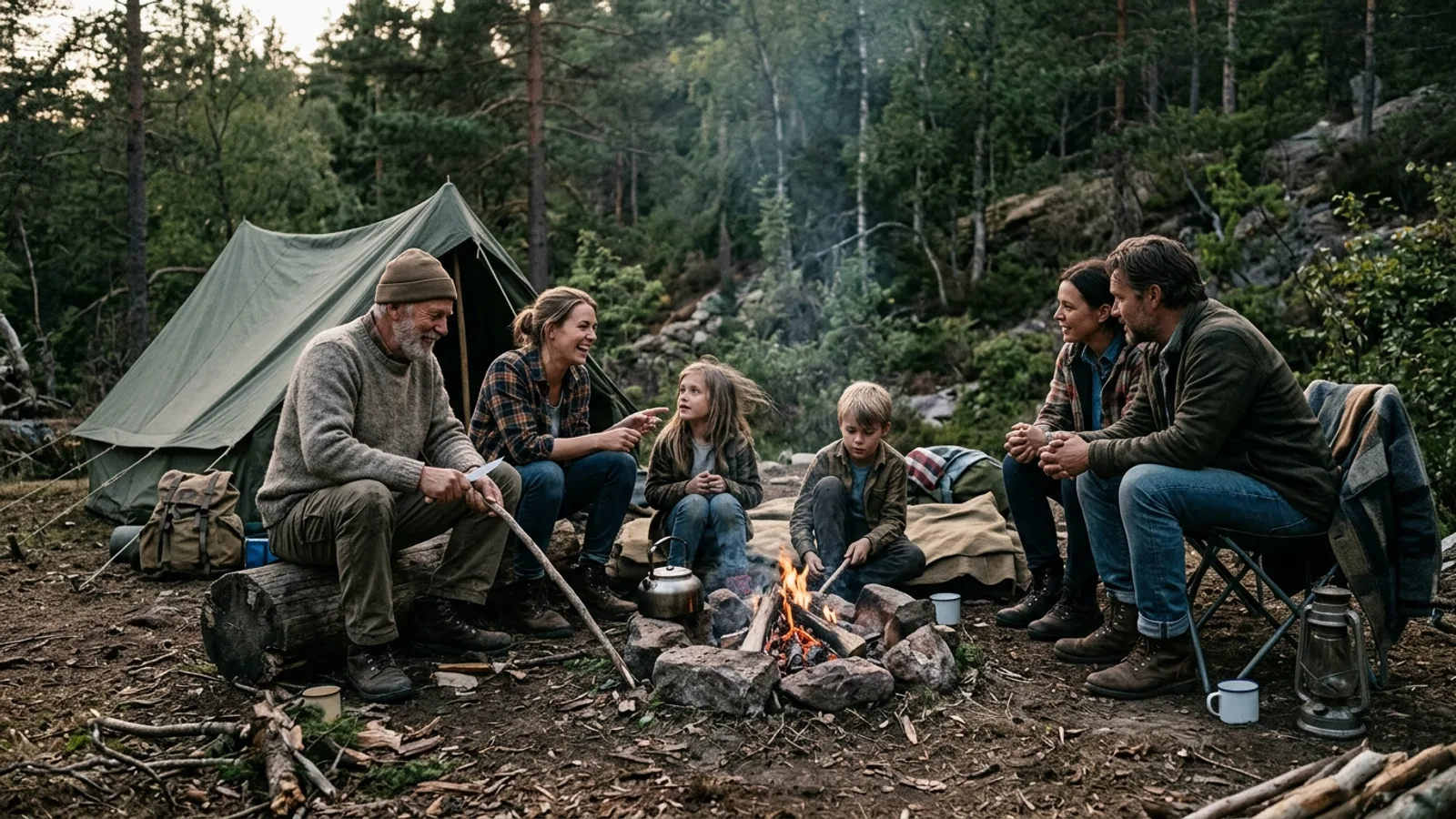
Getting outside doesn't require elaborate gear or a big trip. Many of the most rewarding outdoor activities use a wall, a patch of grass, or a quiet spot by water. This guide covers activities that work across ages and skill levels, along with the practical details that make them go smoothly.
Fishing for Beginners and Families
Fishing rewards patience more than skill, which makes it a good activity for mixed-age groups. A slow afternoon by a pond or river teaches kids to sit still, watch water, and read subtle signs like ripples or shifts in light — skills that transfer well beyond fishing.
Before heading out, check whether the body of water requires a fishing license and whether there are size or catch limits for the species you're likely to encounter. Rules vary by location and by species, so it's worth checking current local regulations rather than assuming.
Tips for a Smoother Trip
- Scout a location in advance, ideally one with a shaded bank and easy water access for kids.
- Bring simple gear suited to the water you're fishing — a basic rod and reel setup is plenty for beginners.
- Pack sun protection, water, and snacks; fishing trips often run longer than planned.
- Practice hook safety and casting technique on land before casting near others.
- Treat catch-and-release fish gently and return them to the water quickly if you're not keeping them.
Running a Lemonade Stand
A lemonade stand is a low-stakes way for kids to try out basic business skills: pricing, making change, and talking to customers. Letting a child make real decisions — how much to charge, what to say to passersby — matters more than how polished the final setup looks.
Simple math shows up naturally here: counting change, tracking how many cups were sold, and figuring out whether ingredients cost more than the money taken in. If a stand doesn't earn much, that's also a useful, low-cost lesson in how small businesses actually work.
Check local rules before setting up, since some areas have restrictions on unlicensed food or drink sales, even for kids.
Handball: A Simple Schoolyard Game
Handball needs almost nothing to play — a ball and a flat wall are enough. It can be played alone, as practice, or against an opponent for a quick, competitive game.
Because it involves short bursts of movement and quick reactions, it builds hand-eye coordination and general agility without requiring much space or setup. It's easy to fit into a short window of free time, which makes it useful for breaking up a day indoors.
Building a Bird Feeder
Building a bird feeder is a good hands-on project for kids and gives everyone a reason to watch the backyard more closely. A basic feeder can be built from simple materials and hung from a tree branch, hook, or pole.
Different birds are drawn to different foods, so it helps to find out which species are common in your area and choose seed accordingly. Sunflower seeds and mixed seed blends attract a wide range of birds in most regions.
Keeping Feeders Safe for Birds
- Hang feeders away from dense cover where cats or other predators could hide.
- Place feeders either very close to windows or well away from them, since mid-distance placement is more likely to cause collisions.
- Clean feeders regularly to prevent mold and the spread of disease between birds.
- Keep seed dry and fresh, and remove any that has gotten wet or moldy.
Simple Garden and Backyard Activities
A garden or backyard doesn't need much to become an engaging outdoor space. A mud kitchen — a designated spot with containers, water, and dirt — gives younger kids an open-ended way to experiment and create without needing instructions.
Other easy setups include a small dig patch, a container garden kids can water and check on, or a designated area for chalk drawing and simple obstacle courses using things you already have on hand, like cones, rope, or garden stakes.
Extending Outdoor Playtime
Longer stretches of outdoor play usually come from variety rather than one big activity. Rotating between a few simple games keeps interest up without needing constant supervision or new equipment.
- Classic games like tag, hopscotch, or hide-and-seek scale well to almost any group size.
- Simple outdoor toys — balls, jump ropes, chalk — hold up over repeated use and don't require batteries or screens.
- A designated play area with a few boundaries (a marked-off section of yard, for instance) gives kids freedom to move without needing constant redirection.
Outdoor Games for Groups
For parties or larger gatherings, games that don't require even teams or strict rules tend to work best. Relay races, scavenger hunts, and simple target games (like tossing bean bags into a bucket) accommodate a range of ages and energy levels.
Building in a loose structure — a start time, a few stations, a wrap-up — helps larger groups stay engaged without needing one adult managing every minute.
Outdoor Escape Rooms and Puzzle Activities
A backyard or park space can be turned into an impromptu escape-room-style challenge using hidden clues, simple locks, and a final "prize" or goal. These work well for a range of ages if the puzzles are scaled appropriately — simple picture clues for younger kids, and word or logic puzzles for older ones.
The appeal is less about complexity and more about the process: searching, working together, and piecing together the pattern that leads to the next clue.
Learning Outdoors
Outdoor spaces lend themselves naturally to hands-on learning. Counting leaves, identifying trees by their bark or shape, timing how fast a ball rolls down a slope — these are all simple ways to fold basic science and math into time spent outside.
Journaling what you see on a walk, whether through writing or drawing, also builds observation skills and gives kids a reason to look more closely at their surroundings.
Free and Low-Cost Outdoor Activities
Many of the best outdoor activities cost nothing beyond time. A nature scavenger hunt, a walk through a wooded area, or simply mapping out a new route through a nearby park all work well without any equipment.
These lower-effort activities tend to be the easiest to repeat often, which matters more for building a regular outdoor habit than any single elaborate outing.
Outdoor Activities in Parks Without a Garden
A yard isn't necessary for most of these activities. Public parks and open fields offer space for games, scavenger hunts, and walks, and many parks include trails or wooded sections suited to a simple nature walk.
Nature Scavenger Hunt
Put together a short list of things to find — a certain leaf shape, a smooth stone, a feather, a specific color in nature — and let kids search at their own pace. This works in almost any outdoor setting, from a city park to a forested trail.
Woodland Walk
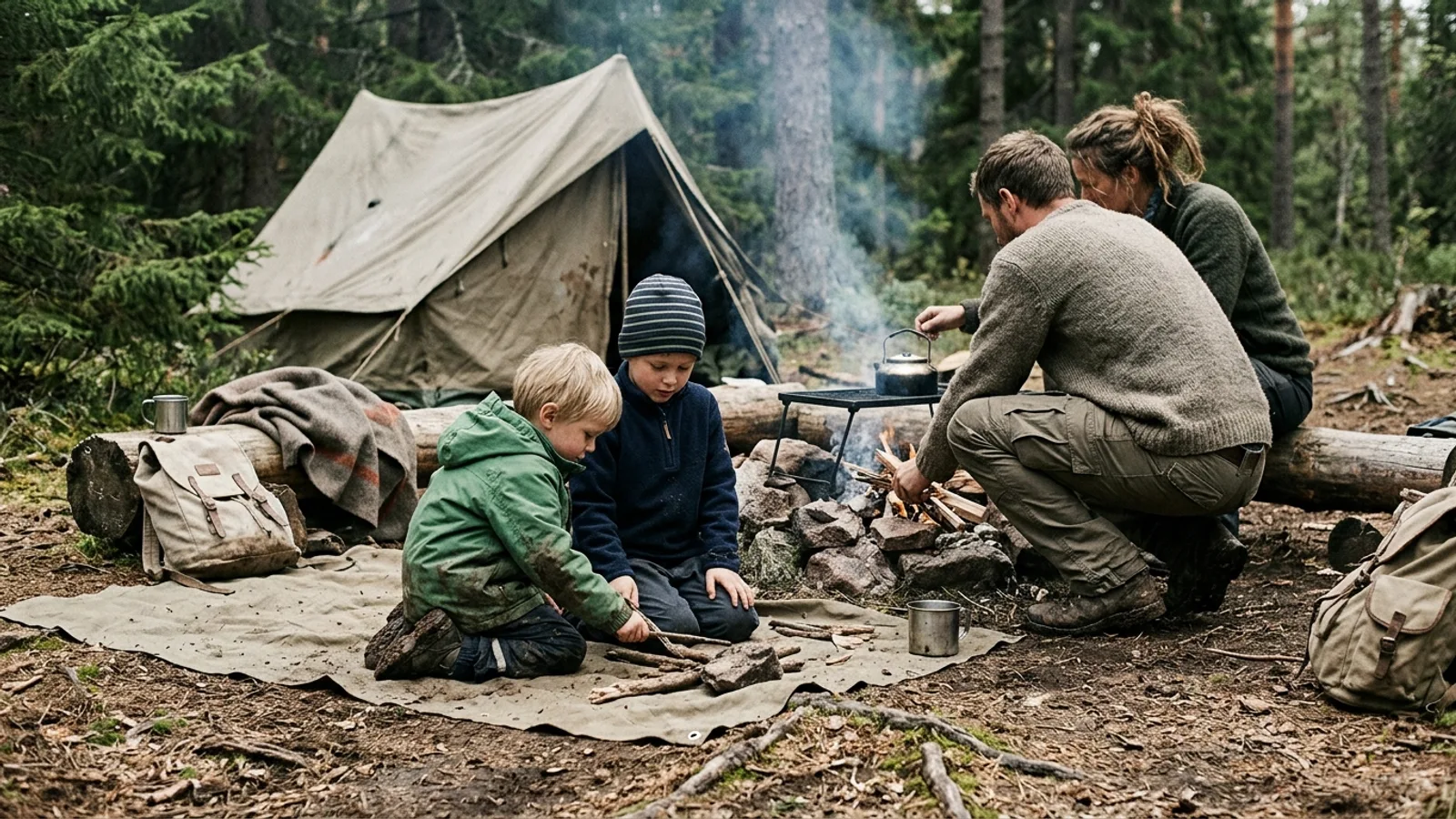
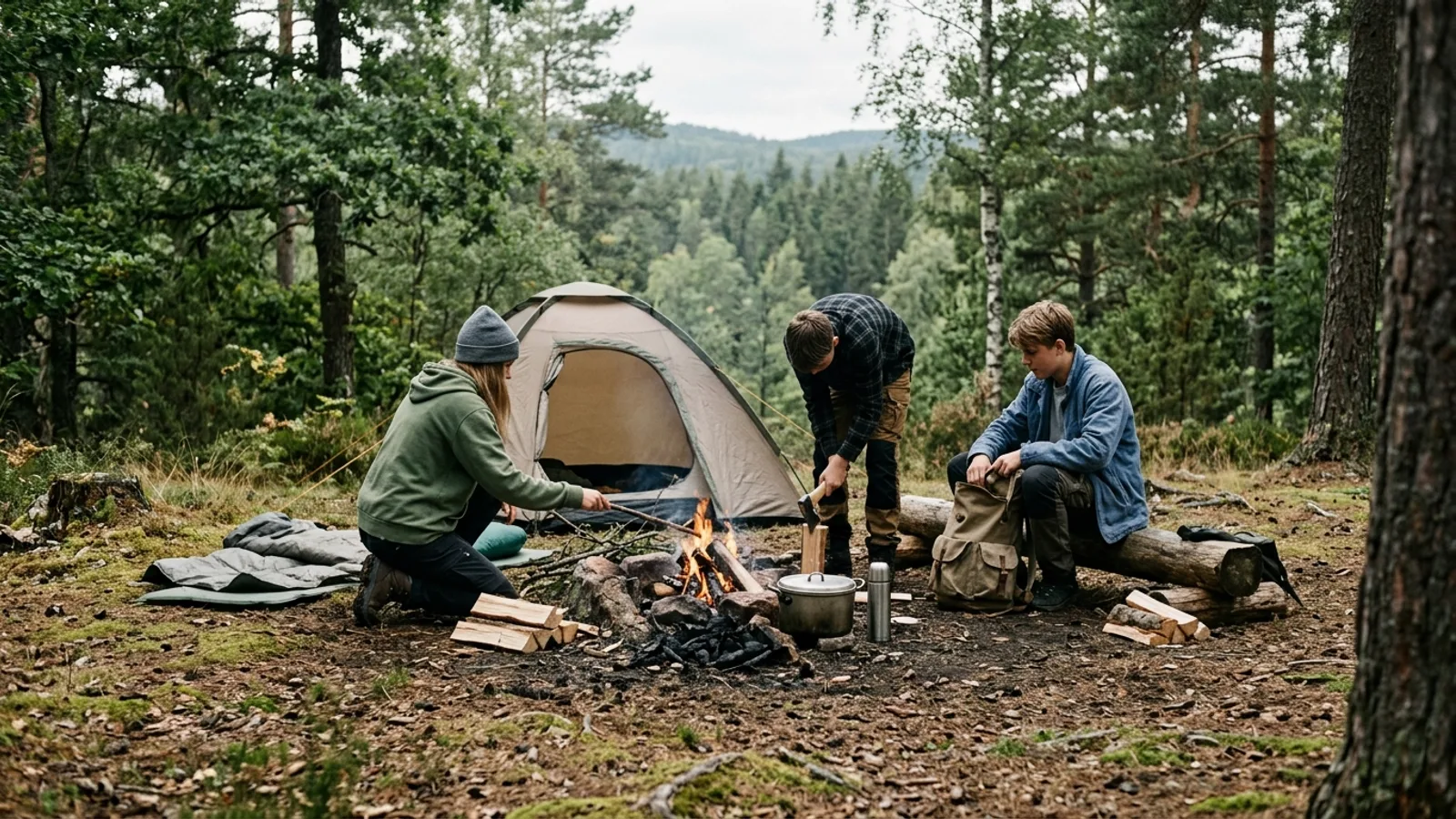
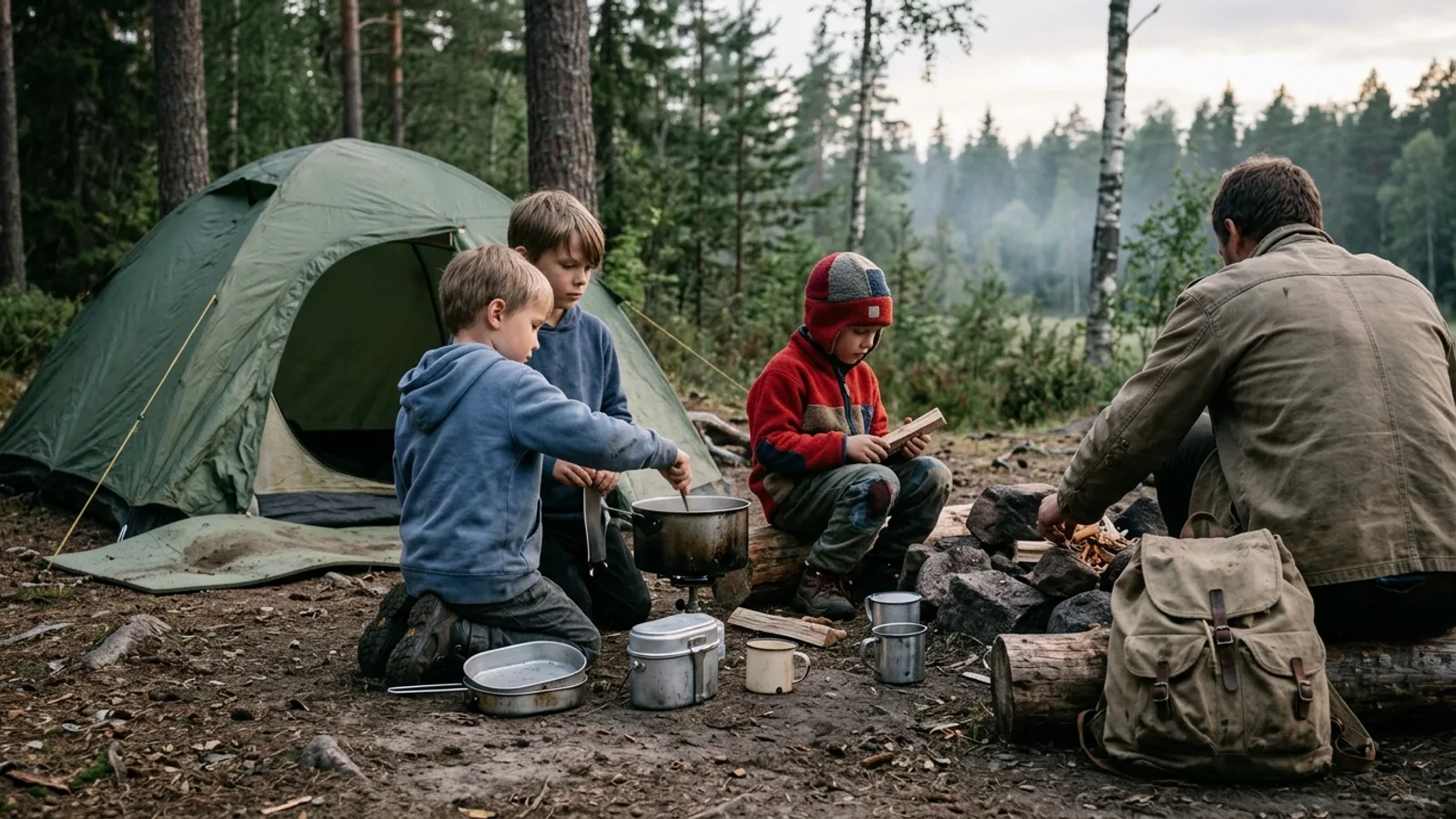
A slow walk through a wooded area, with no particular destination, gives kids room to notice details they'd otherwise miss: insects, fungi, animal tracks, or the sound of different birds. Bringing along a simple field guide or an identification app can turn the walk into a light lesson in local ecology.
Final Thoughts
None of these activities require much investment, and most can be adapted to whatever outdoor space is available — a backyard, a local park, or a stretch of trail. The through-line is time spent outside, at a pace that leaves room for curiosity.