How Time Outdoors Supports Teen Wellbeing: A Guide for Families and Educators
Why Outdoor Time Matters for Teens
Adolescence brings a lot of change at once: new responsibilities, shifting friendships, and growing independence. Regular time outdoors gives teens a low-pressure way to manage stress and build confidence during this period. It doesn't replace other supports a young person might need, but it's a simple, accessible addition to daily life.
Unstructured time in green space — a local park, a trail, a backyard, a community garden — gives the nervous system a break from constant stimulation. Many people notice they think more clearly and feel calmer after even a short walk outside, especially away from screens.
What Outdoor Experiences Offer
Several distinct benefits show up when teens spend regular time outside:
- Stress relief. Natural settings tend to be less demanding on attention than busy indoor or digital environments, which can help lower stress and improve mood.
- Physical activity. Hiking, biking, paddling, or just walking gets the body moving, which supports both physical and mental health.
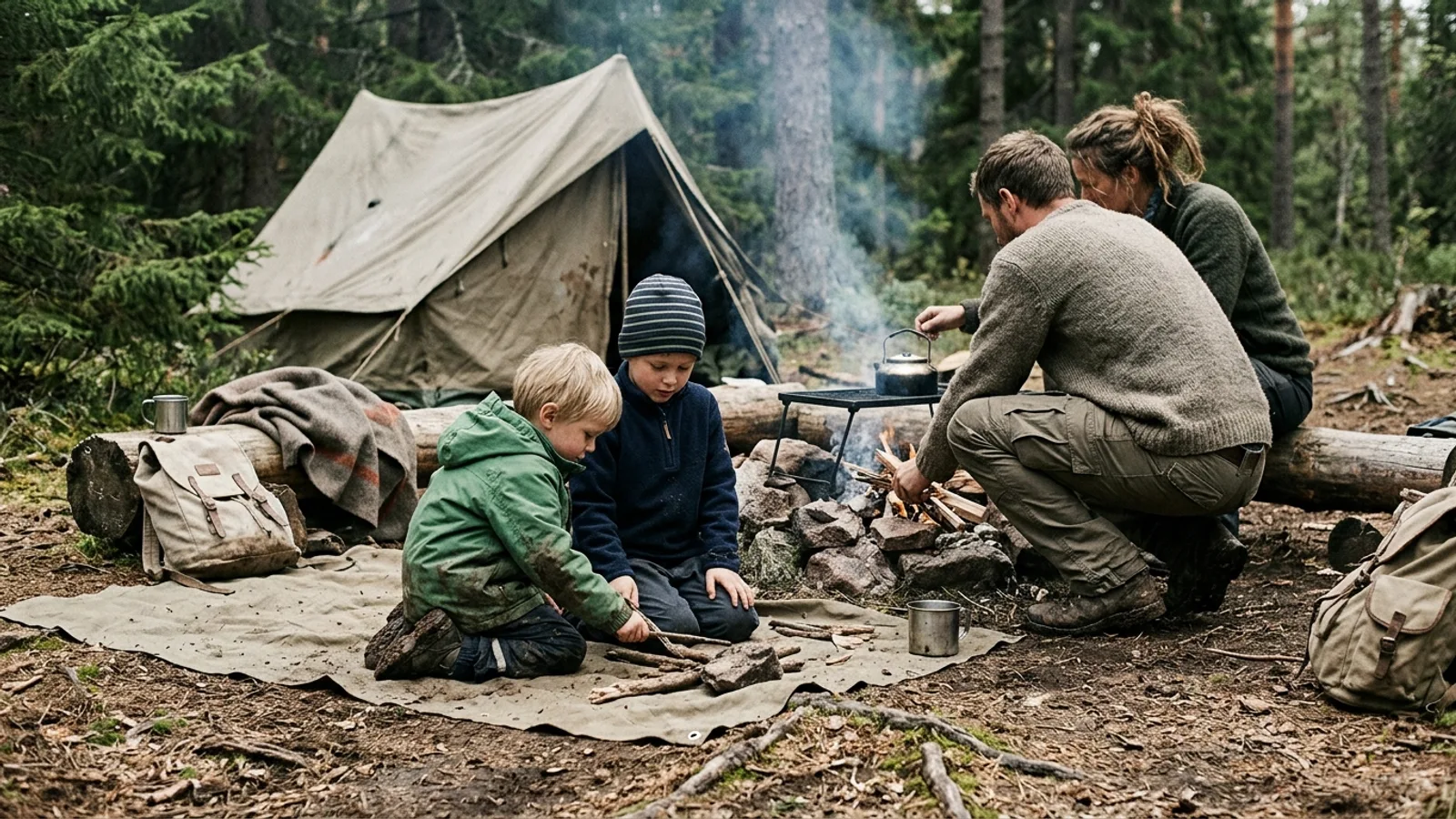
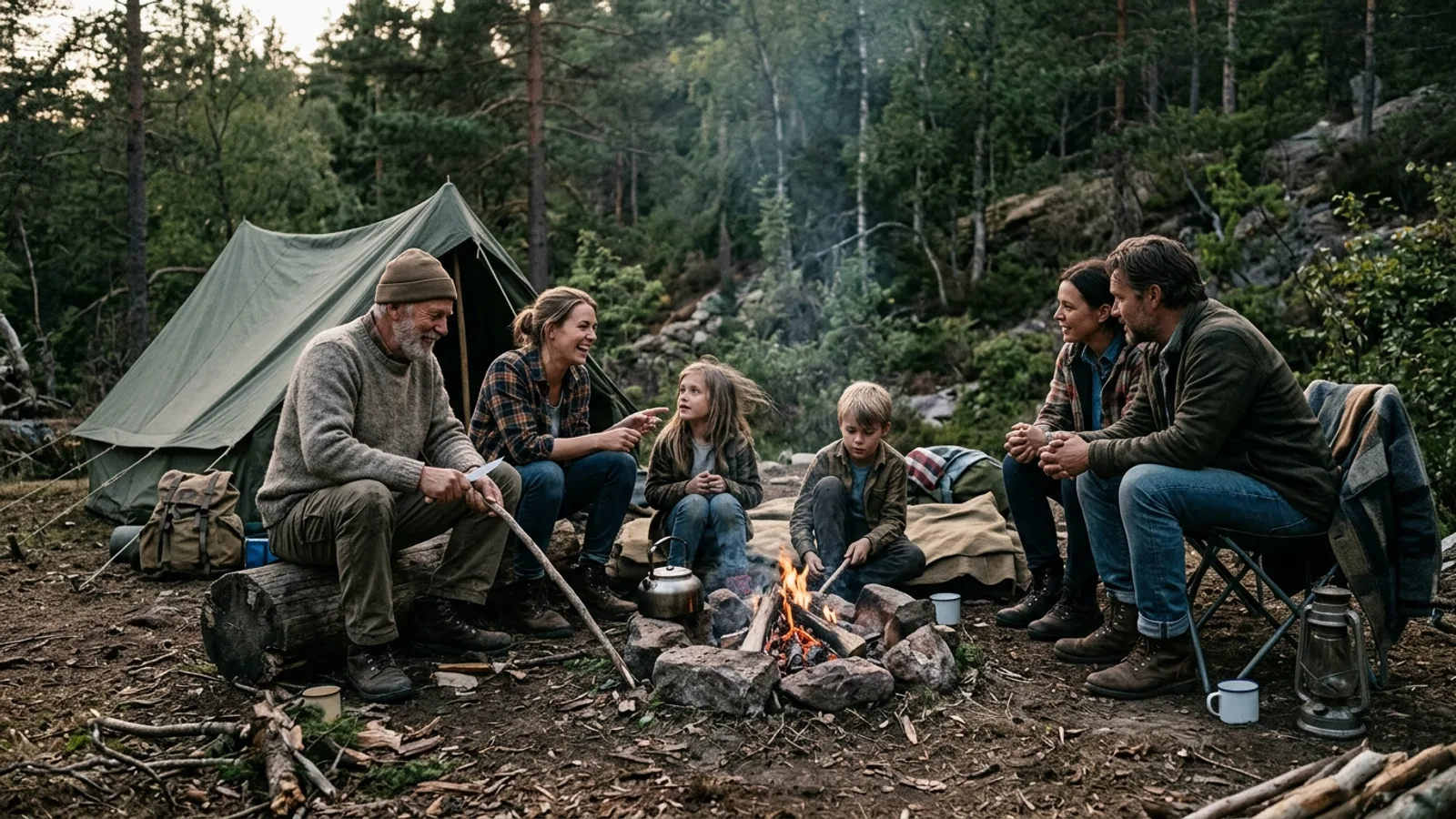
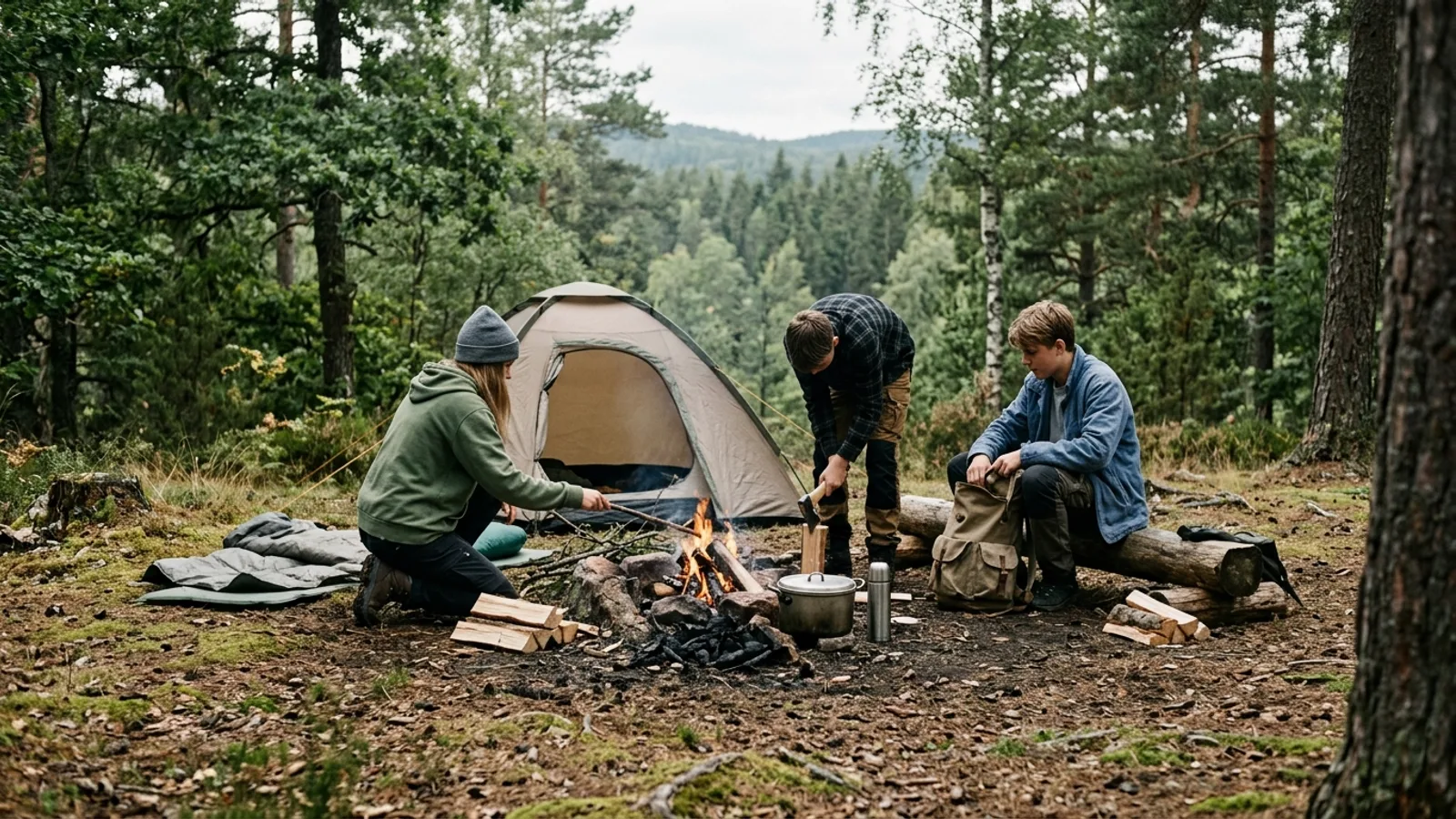
- Social connection. Shared outdoor activities — a group hike, a team sport, a camping trip — create natural opportunities for bonding that don't depend on constant conversation.
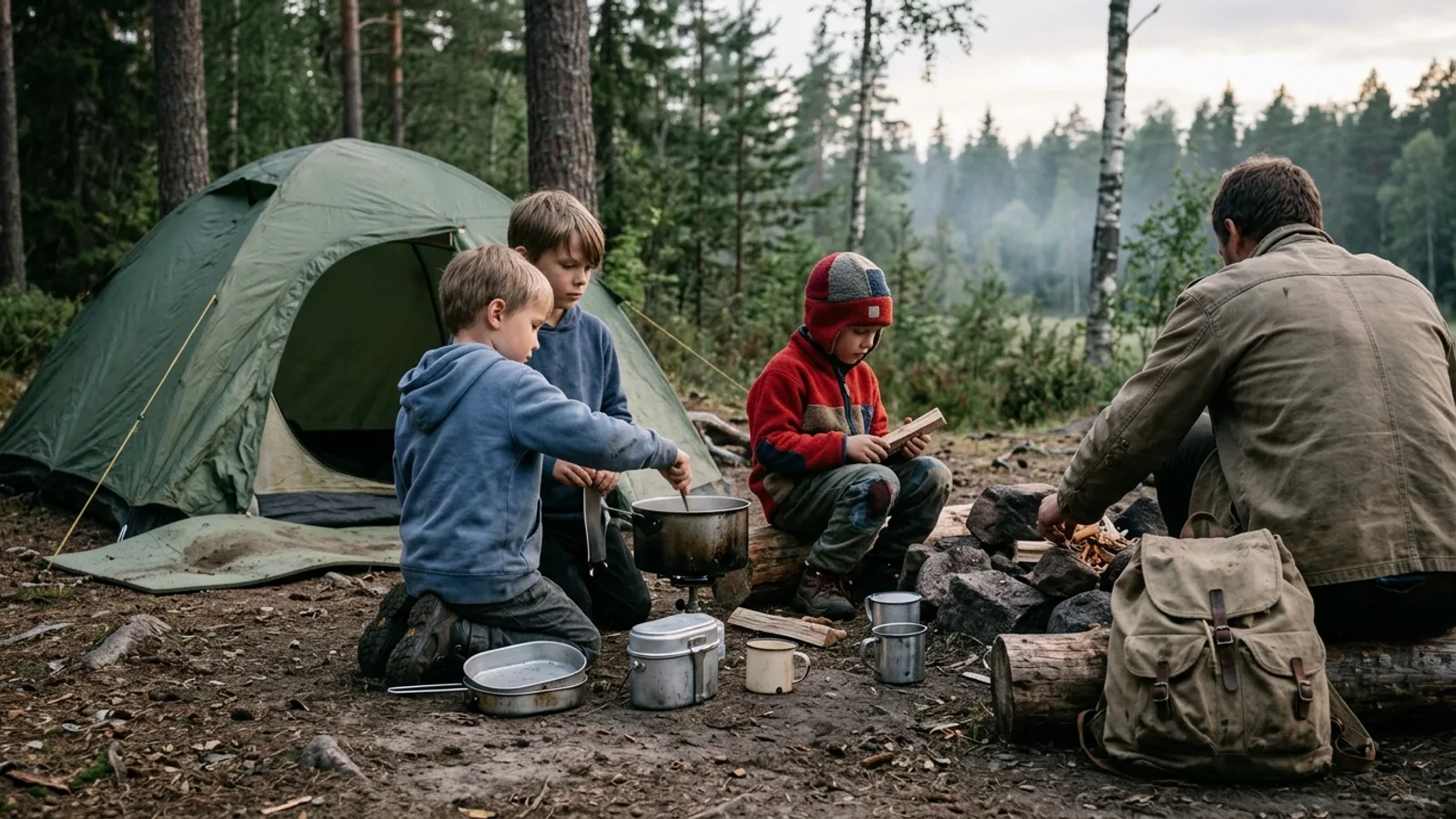
- A sense of competence. Learning to read a trail map, identify a plant, or set up a camp gives teens tangible skills and a feeling of accomplishment.
- Perspective. Time in wild or semi-wild places can offer a break from the intensity of school and social pressures, helping put daily stress in context.
The Role of a Familiar Place
Having a place a teen knows well and feels connected to can be steadying. This might be a nearby park, a family cabin, a stretch of coastline, or even a well-loved neighborhood green space. Familiarity breeds a kind of ownership: teens who know a place well are more likely to care about what happens to it and to feel a sense of belonging there.
Encouraging repeated visits to the same natural area, rather than always seeking something new, can help this attachment develop. Returning to a place across seasons lets a teen notice change over time, which builds observational skill and a longer-term relationship with the outdoors.
Building Outdoor Habits That Stick
Small, repeatable habits tend to last longer than occasional big trips. A few approaches that work well with teens:
- Set a standing weekly outdoor activity, even something as simple as a walk after dinner.
- Let teens choose the activity or destination sometimes, so it doesn't feel imposed.
- Pair outdoor time with a low-key social element, like inviting a friend along.
- Use a local trail or park as a default option rather than planning something elaborate every time.
- Keep expectations realistic — the goal is regular exposure to the outdoors, not peak performance or long mileage.
Nature-Based Learning as a Complement to the Classroom
Hands-on, outdoor learning — identifying local species, monitoring a stream, tending a garden — gives students a concrete way to connect abstract science concepts to their own surroundings. This kind of learning tends to be especially useful for students who find traditional classroom instruction disengaging, since it rewards curiosity and direct observation rather than only test-taking.
Programs that combine outdoor experience with structured inquiry — asking a question, testing it, observing results — help build scientific thinking skills in a way that feels tangible rather than theoretical.
Making Outdoor Access More Equitable
Not every teen has the same ease of access to green space, transportation, or free time. Programs and families can help close this gap by:
- Prioritizing outdoor spaces that are reachable by public transit or a short walk.
- Keeping necessary gear minimal — most core outdoor experiences don't require specialized equipment.
- Offering group outings so cost and logistics are shared rather than individual.
- Inviting teens to help choose activities and destinations, so programs reflect a range of interests and backgrounds.
A Few Practical Starting Points
- Choose one nearby natural area to return to regularly rather than always seeking something new.
- Start with short outings — thirty minutes to an hour — before working up to longer trips.
- Involve teens in planning: route, pace, and destination all matter for buy-in.
- Combine movement with a simple goal, like noticing five different plants or birds, to add light structure without pressure.
- Treat consistency as more valuable than intensity — a short weekly walk outdoors beats an occasional long hike.
The Takeaway
Time outdoors is one of the more accessible, low-cost tools available for supporting a teenager's wellbeing. It works best as a habit rather than a one-time event, and it doesn't require dramatic wilderness trips — a familiar local trail or park, visited regularly, can do a great deal of good.