Camping with Kids: Safety, Planning, and Activities That Work
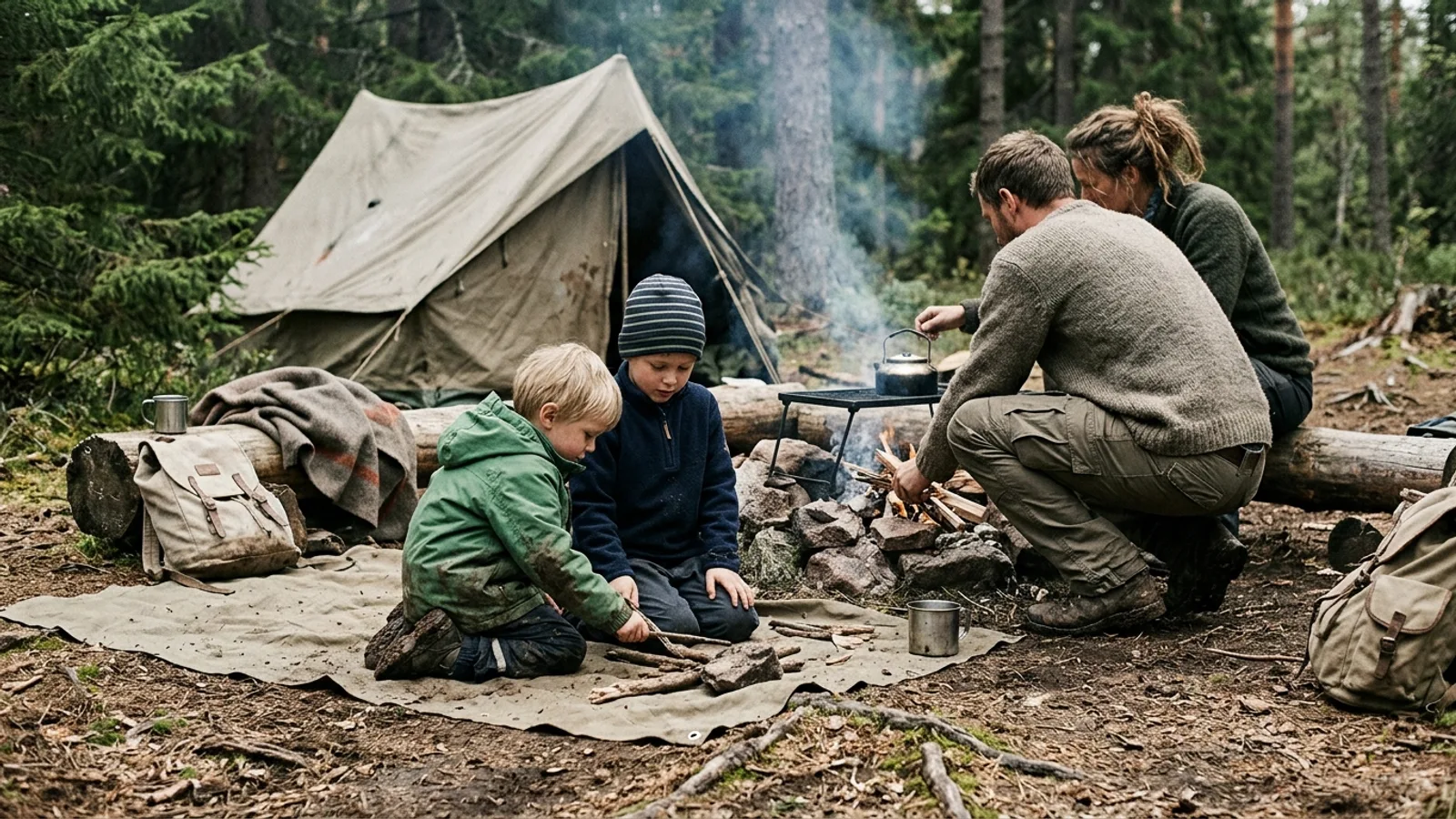
Keeping Kids Safe at the Campsite
Most camping mishaps with kids are small and preventable. A few habits make a big difference:
- Shoes on, always. Bare feet and campgrounds don't mix well — sharp rocks, roots, and biting insects are everywhere. Closed-toe shoes prevent most minor injuries.
- Give them a way to be found. Young kids can forget which loop or site is theirs. Writing the site number on a wristband, or having them carry a card with a parent's phone number, helps anyone who finds them get them back quickly.
- Stay within arm's reach near water. Lakes, rivers, and even shallow creeks can have unexpected currents or drop-offs. An adult should be actively watching, not just nearby, whenever kids are near water.
- Teach plant and animal recognition early. Before the trip, look up what poison ivy, poison oak, and any locally relevant stinging or biting insects look like. A five-minute lesson prevents a lot of itching later.
- Set clear rules for whistles or signaling devices. If a child carries one, make sure they understand it's for "I'm lost or hurt," not for play. Agree on what to do if they get separated: stay put, use the whistle, and wait for an adult.
Being Ready for the Unexpected
Good preparation means fewer surprises turn into emergencies.
- Carry a first aid kit suited to kids. Include bandages, antiseptic wipes, tweezers for splinters, and any medications your child might need. Know how to use everything in it before you need it.
- Learn what lives where you're going. Campground bulletin boards, ranger stations, and park websites usually list local wildlife concerns and how to respond to them.
- Keep emergency numbers accessible offline. Cell service is unreliable in many camping areas. Write down the nearest ranger station or emergency contact on paper, not just in your phone.
- Practice a simple safety drill. Walk kids through what to do if they get lost (stay in place, use their whistle, look for an adult in a uniform) so it's familiar rather than frightening if it happens.
- Bring a paper map as backup. Phone batteries and signal both fail. A physical map or a downloaded offline map is worth having, especially in unfamiliar terrain.
Planning the Trip
A little organization turns a chaotic trip into a smooth one.
Do a backyard test run. Pitching the tent at home before the real trip lets you work out sleeping arrangements, test headlamps or lanterns, and get kids comfortable with the gear. It also surfaces small problems — a sleeping bag that's too warm or too cold, a kid who needs a nightlight — while you still have easy fixes on hand.
Pack by category, not by guesswork. Break your list into clothing, personal items, meals, gear, and activities. This makes it much easier to spot what's missing before you're at the campsite without it.
- Clothing: Pack for the coldest and wettest likely conditions, even in summer. A rain layer and a warm layer are worth the space.
- Personal items: Sunscreen, insect repellent, and basic hygiene items should be easy to reach, not buried in the bottom of a bag.
- Meals: Favor simple, familiar foods for the first night when everyone is tired and setup takes longer than expected.
Keep packing lean. Overpacking clothes is one of the most common mistakes — a couple of versatile layers beat a suitcase of options.
Outdoor Activities Kids Actually Enjoy
- Simple field games. Relay races, tag, or a scaled-down obstacle course use minimal gear and burn off energy fast.
- Nature scavenger hunts. A short list of things to spot — a certain leaf shape, a bird, a pinecone — turns a walk into an activity kids stay engaged with.
- Supervised water play. Shallow, calm water near a beach or riverbank can occupy kids for hours, as long as an adult stays close and watchful.
Indoor and Low-Energy Activities
Rain, heat of the day, or just a need to slow down calls for quieter options.
- Card and travel board games pack small and fill downtime without batteries.
- Simple art supplies — a sketchpad and colored pencils — let kids draw what they've seen that day.
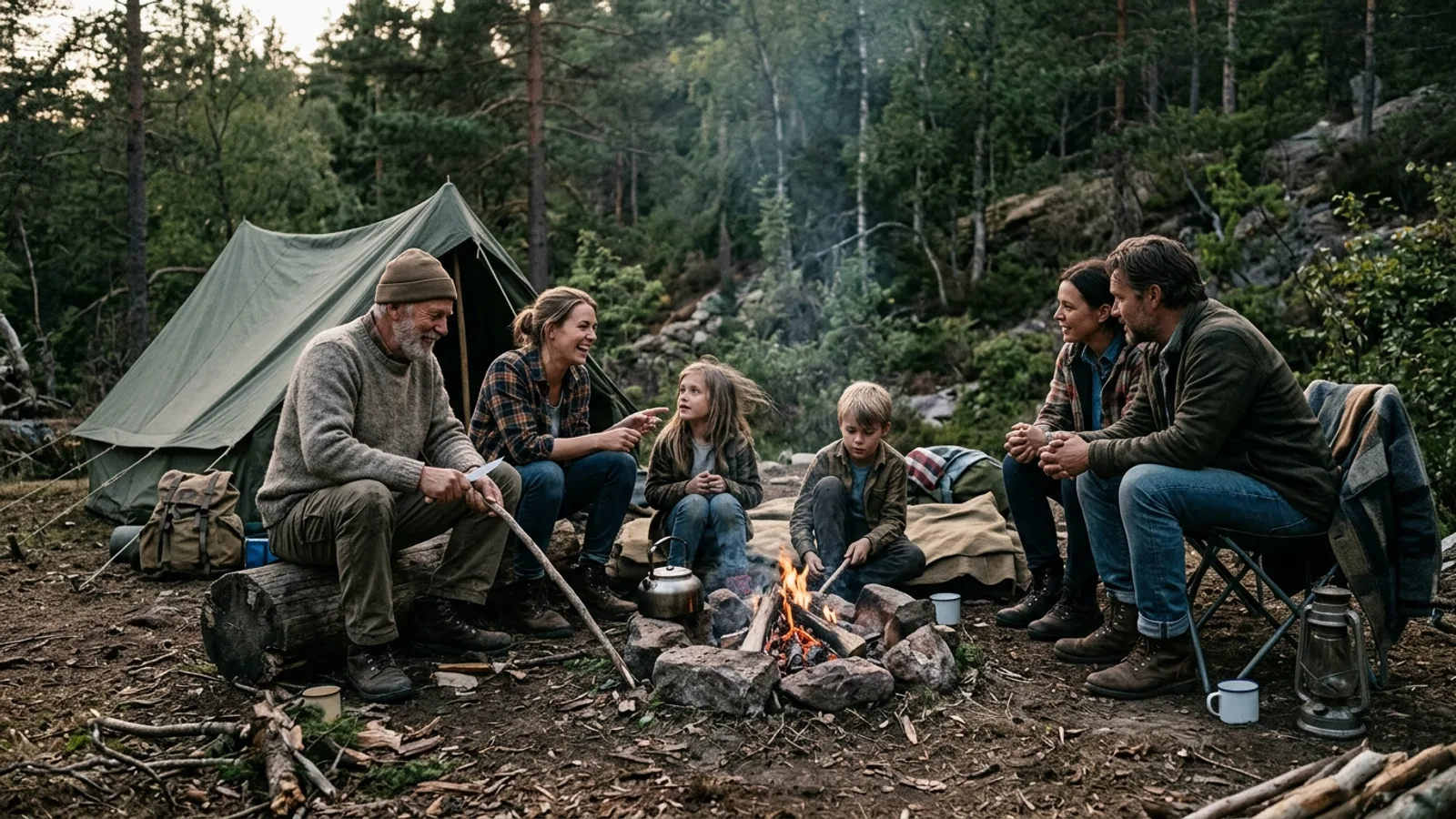
- Reading or storytelling around the picnic table or in the tent is an easy way to wind down before sleep.
Learning Through Camping
- Basic science demonstrations, like simple chemical reactions using safe household items, can turn a rainy afternoon into a memorable experiment.
- Balance activities, such as walking a low slackline or balancing on logs, build coordination and confidence.
- A nature journal — a notebook for sketches, pressed leaves, or notes about animals seen — gives kids a keepsake and a reason to pay closer attention to their surroundings.
Why Camping Is Good for Kids
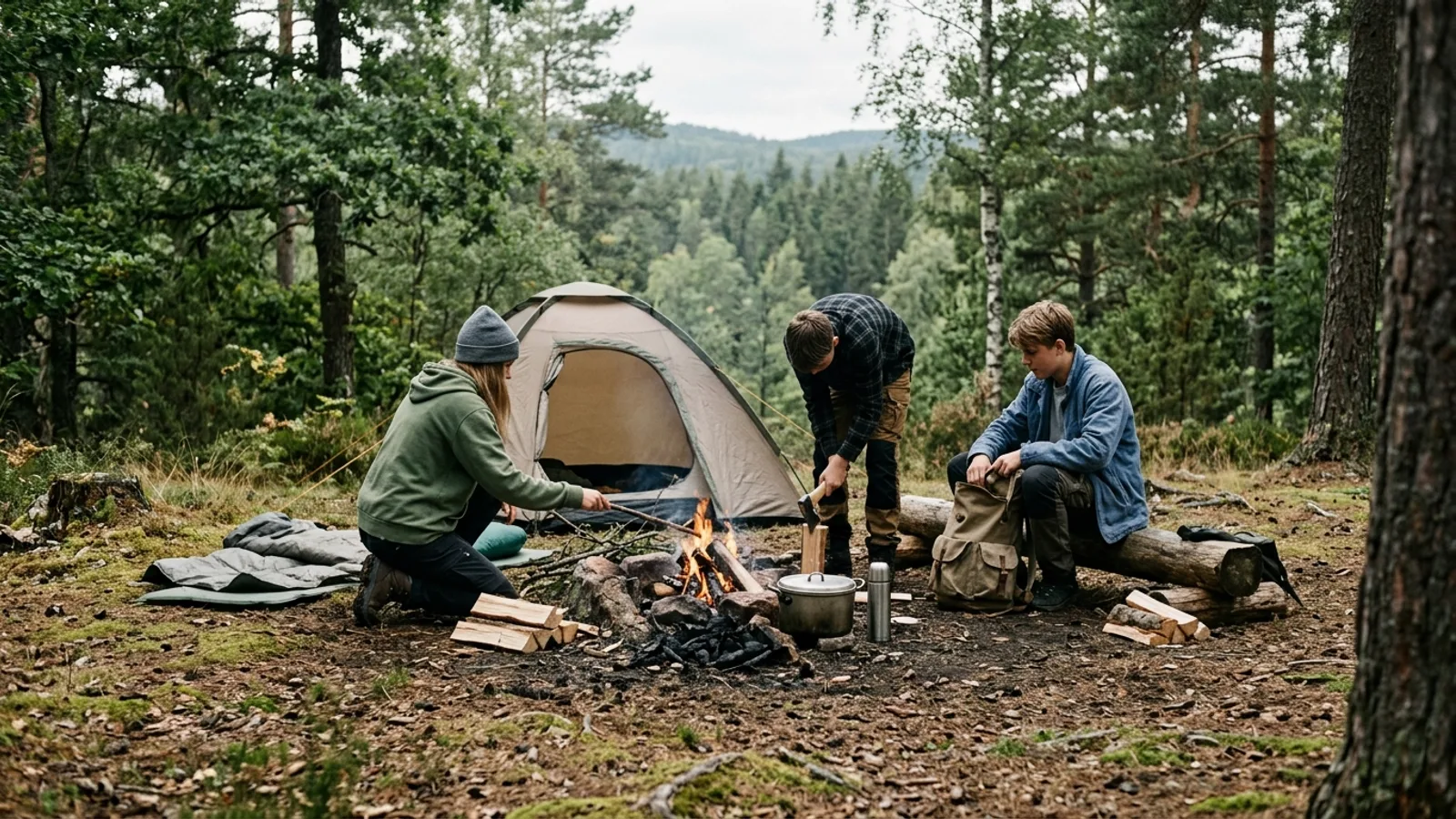
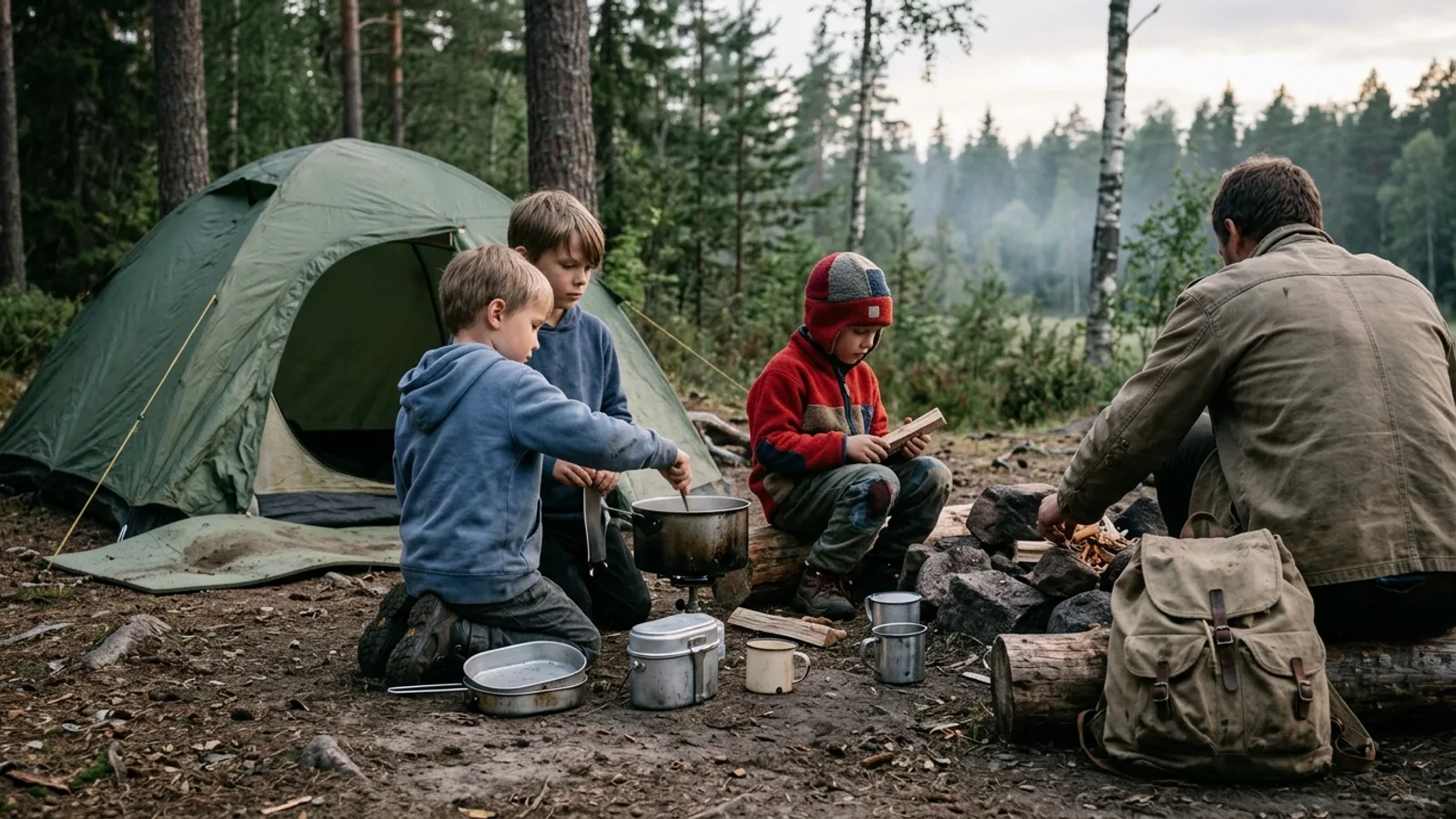
Physical activity is built into camping naturally: hiking, swimming, climbing, and just walking around a campsite all add up. Tasks like helping set up a tent or carrying gear give kids a sense of responsibility and capability that carries over into other parts of life.
Time away from screens also gives kids practice with unstructured problem-solving — figuring out a game, entertaining themselves, or working through mild frustration without immediate digital distraction. These are skills that build with repetition, not a single trip.
Spending time outdoors tends to build lasting familiarity with nature — recognizing plants, understanding weather, and learning basic outdoor etiquette like packing out trash and staying on trails. These habits, once learned young, tend to stick.