Cabin Camping Checklist: What to Pack for a Comfortable Stay
Why Cabin Camping Packing Is Different
Cabin camping sits between a hotel stay and a tent trip. You usually get walls, a roof, and sometimes a kitchen or bathroom, but you're still away from stores and often without the appliances you'd have at home. The trick is packing enough to be self-sufficient without overloading the car with things the cabin already provides. Before you pack, check what the specific cabin includes — bedding, cookware, and a working kitchen vary widely from one rental to the next.
Food, Drinks, and Snacks
Plan meals loosely by day rather than packing at random. This makes it easier to spot gaps and avoid buying duplicates.
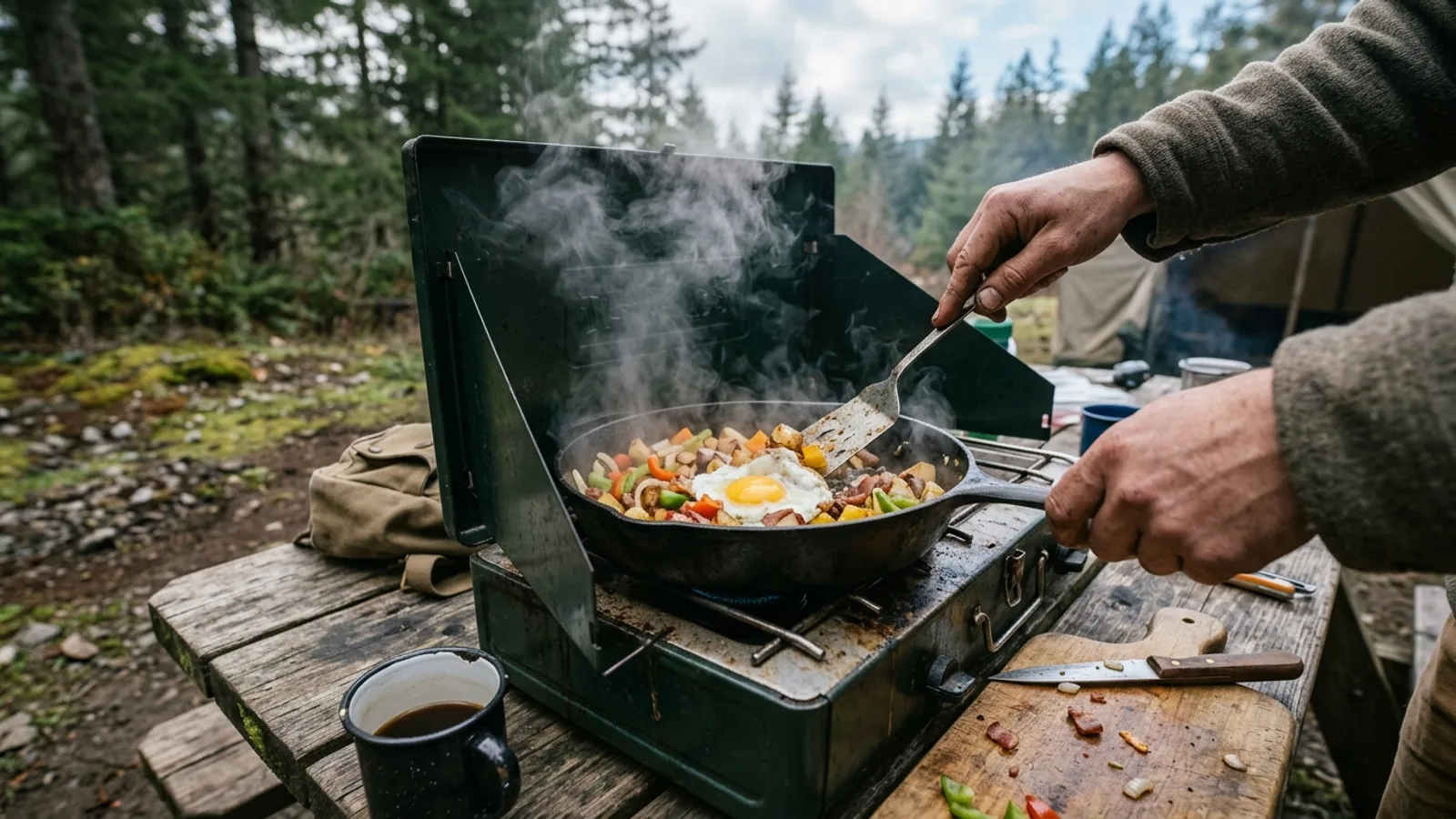
- Staples: bread, eggs, cheese, and simple proteins like bacon or sausage travel well and cover breakfast and dinner needs.
- Condiments and seasonings: a small travel set of salt, pepper, oil, and your preferred condiments saves you from bringing full-size bottles.
- Drinks: bring more water than you think you need, especially if the cabin's tap water situation is unclear. Pack any alcohol or specialty drinks in advance since remote areas may not sell them.
- Snacks: easy, no-cook snacks are useful for arrival day and hikes. S'mores ingredients are a classic if a fire pit is available.
A cooler is worth bringing even if the cabin has a refrigerator, since it doubles as extra storage and transport for perishables on the drive. Pack according to any dietary restrictions in your group, since remote stores may not carry substitutes.
Personal Supplies
Most cabins do not restock toiletries, so bring what you'll actually use rather than relying on what might be there.
- Hygiene: soap, shampoo, toothbrush and toothpaste, and deodorant. A biodegradable soap is a better choice if you'll be washing near any natural water source.
- Towels: pack separate towels for bathing and for outdoor activities like swimming, so one doesn't hold up the other.
- Sun and bug protection: sunscreen and insect repellent are worth packing even for short stays, since reactions to sun and bites can affect the rest of a trip.
- Bedding: confirm whether the cabin provides sheets and pillows. If not, bring your own, along with a sleeping bag or blanket for extra warmth on cool nights.
- Clothing: layer for temperature swings between day and night, and pack a rain layer regardless of the forecast. Bring swimwear and a sun hat if water or open areas are part of the plan.
Camping and Outdoor Supplies
Even with a cabin as your base, most of the appeal is being outside. These items support cooking, fire safety, and basic preparedness.
- Fire supplies: firewood, a reliable fire starter, and a hatchet if you'll be splitting wood. Keep a shovel nearby for containing or fully extinguishing a fire.
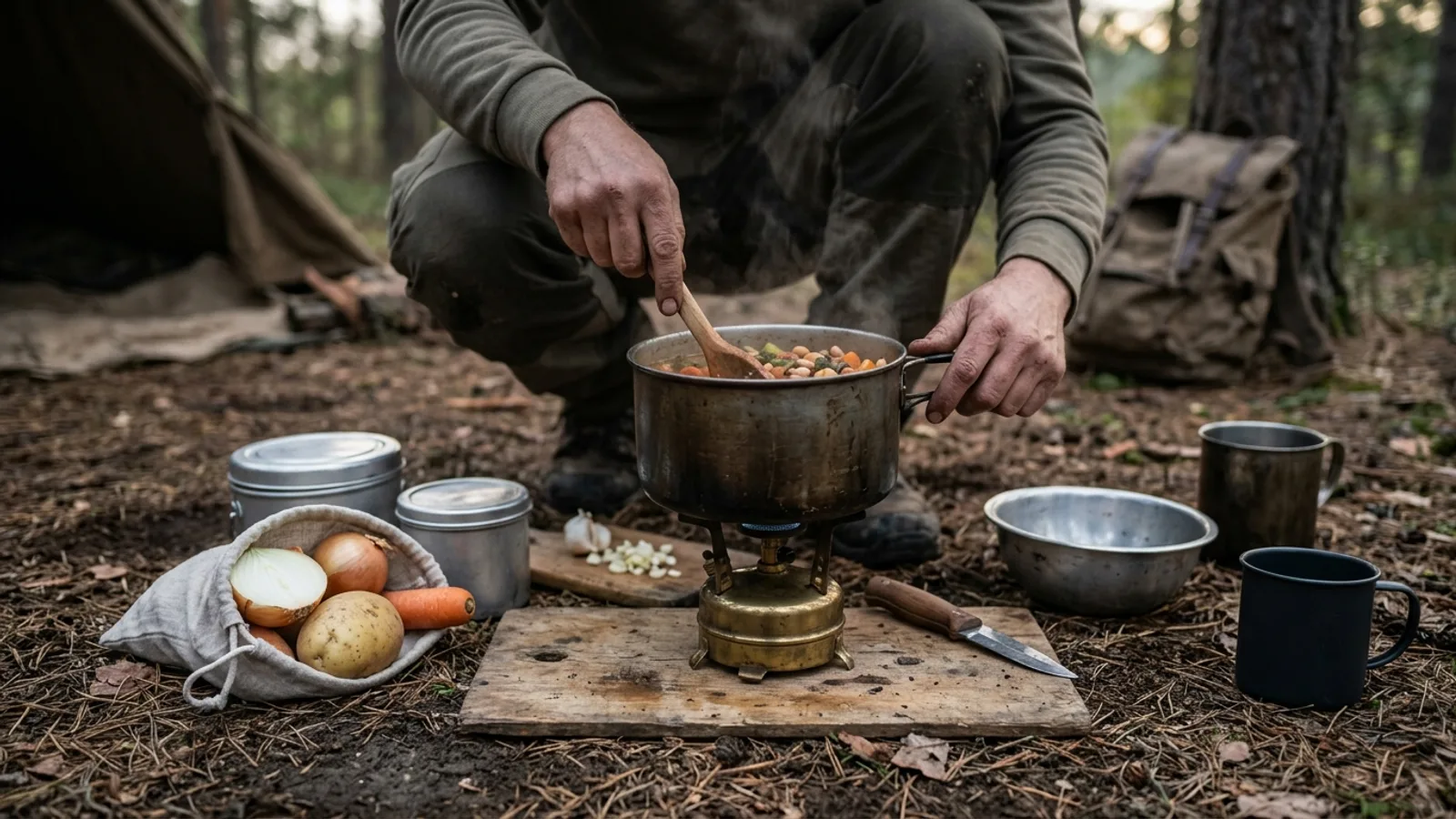
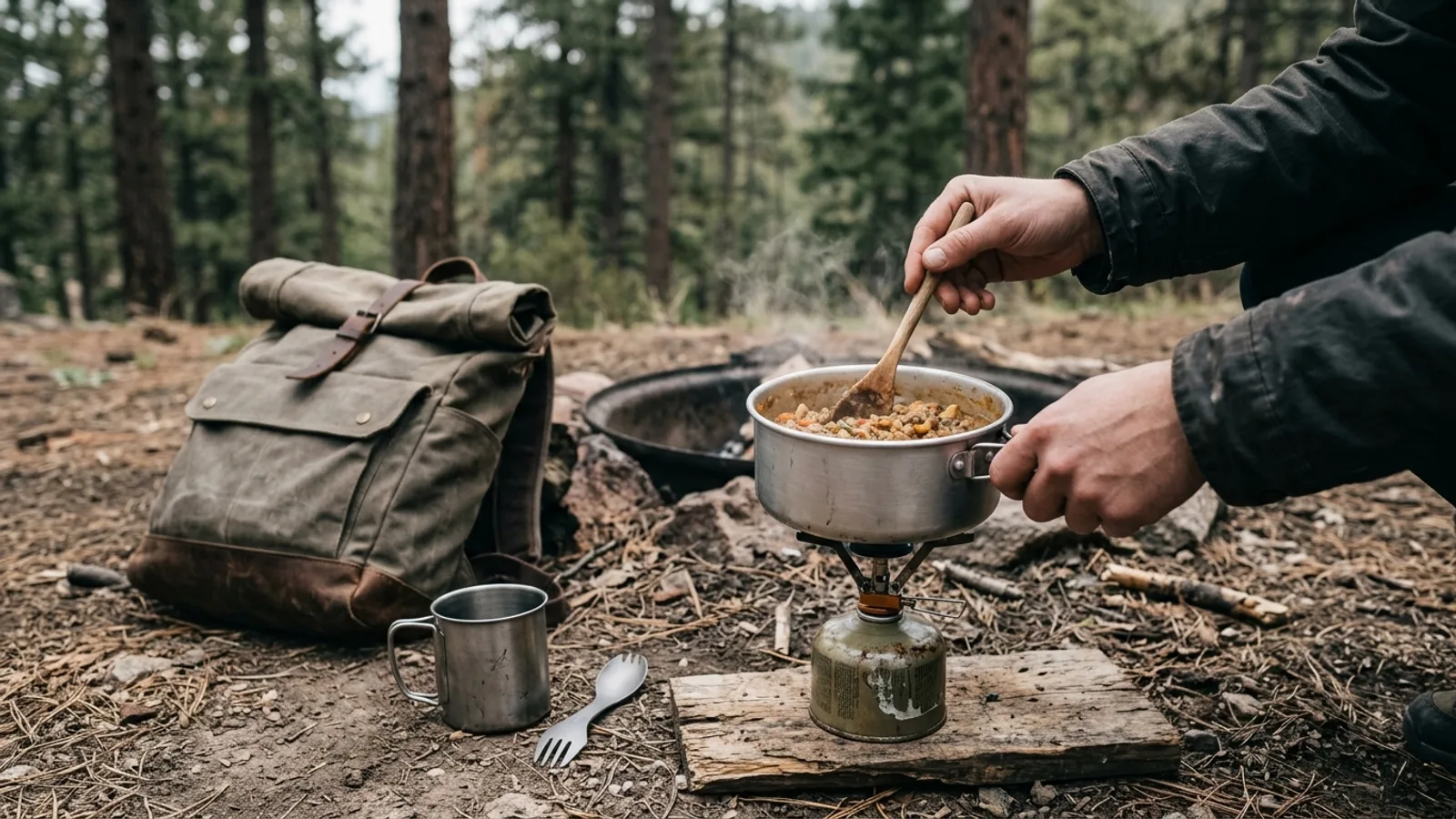
- Cooking gear: a cooking grate or portable grill if you plan to cook over a fire, along with heat-resistant gloves for handling hot cookware safely.
- Shelter and comfort: a tarp for shade or rain cover, and a camp chair for sitting outside the cabin.
- Lighting: a lantern for the campsite and a separate flashlight or headlamp for walking at night, since cabin exteriors are often unlit.
- First aid kit: stock it for minor cuts, blisters, and bites. Know the location of the nearest medical facility before you arrive, in case anything more serious comes up.
Extras for Comfort and Entertainment
These aren't essential, but they make a longer stay more enjoyable, especially if weather keeps you indoors.
- Books, cards, or board games for downtime, particularly useful if the cabin has no reliable internet or cell signal.
- Outdoor games like cornhole or frisbee for open areas near the cabin.
- A portable instrument if you enjoy music around a fire.
- Fishing gear if the location has access to a lake, river, or stream.
- An extension cord, which is more useful than most people expect in cabins with limited outlets.
Final Check Before You Leave
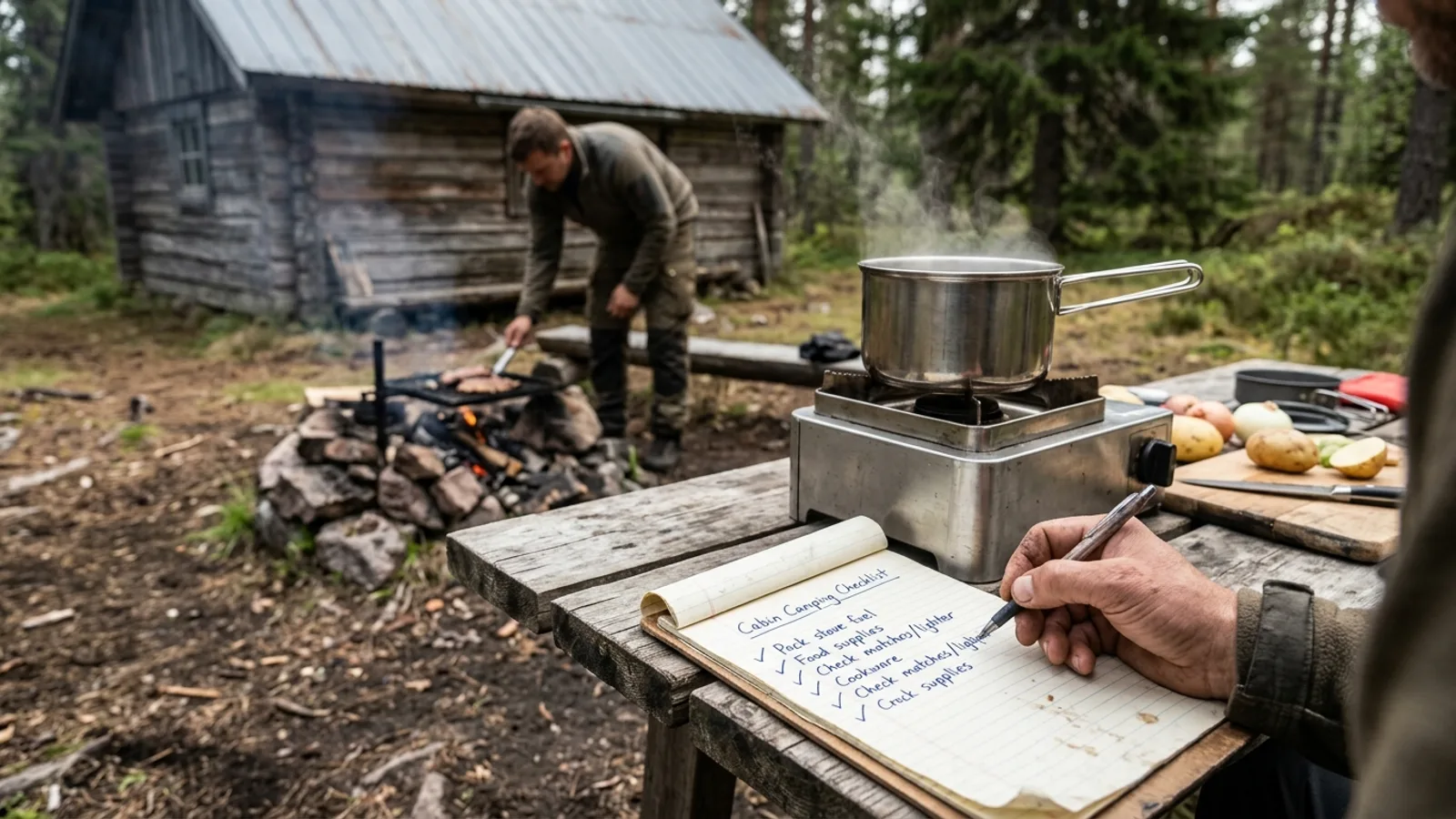
Confirm what the cabin supplies versus what you need to bring, check the weather for both day and night temperatures, and pack food with a plan rather than guessing quantities. A little organization before departure prevents the most common cabin camping problem: realizing halfway through the trip that something essential got left behind.