No-Fridge Camping Food: What Actually Works
The Basic Approach
Camping without refrigeration comes down to picking foods that are shelf-stable by nature: canned, dried, dehydrated, cured, or vacuum-sealed. Once you start thinking in those categories, meal planning gets much easier.
Keep all food out of direct sun and away from heat sources like a campfire or a hot car trunk. A shaded spot in a pack or bin, ideally with some airflow, will keep most shelf-stable items in good condition even in warm weather. Buy in smaller portions when you can, since many "no-fridge" foods still need to be used up or protected once opened.
Proteins That Don't Need Cooling
Canned meats and fish are the backbone of no-fridge protein: chicken, tuna, salmon, and similar options come sealed and ready to eat straight from the can or heated over a stove. Pouched versions of the same foods save weight and bulk if you're carrying gear any distance.
Cured and dried meats — jerky, salami, and other shelf-stable sausages — hold up well without cooling and work as snacks or additions to a meal. Once any canned or cured meat is opened, treat it like fresh food: eat it the same day or keep it cold if you have the means.
Dried legumes and canned beans are an easy plant-based protein source. Canned or instant soups built around lentils, beans, or vegetables travel well and only need hot water or a few minutes on a stove.
Nuts, Seeds, and Nut Butters
Nuts and seeds are calorie-dense, don't spoil at outdoor temperatures, and work equally well as a snack or a topping for oatmeal, rice, or trail mix. Peanut butter and other nut butters store fine unrefrigerated before opening and remain stable for a good while after opening too, especially in cooler weather.
Milk Without a Cooler
Shelf-stable milk options include powdered milk, which reconstitutes with water, and aseptic cartons of dairy or plant-based milk that don't need cooling until opened. Small cans of evaporated milk are handy for coffee, sauces, or cooking and take up little space.
Eggs Without Refrigeration
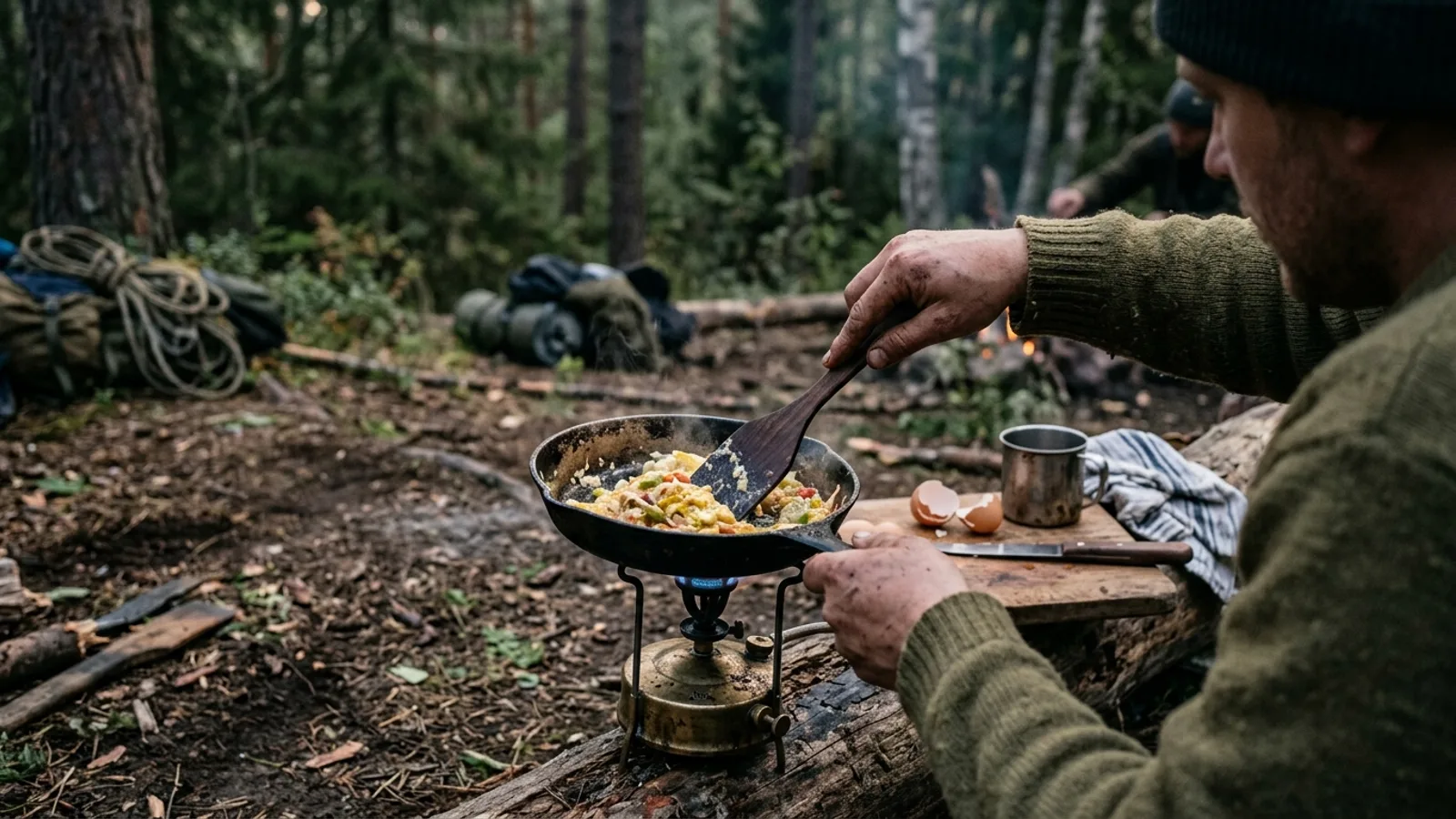
Fresh eggs generally need cold storage once they've been washed and refrigerated at any point in the supply chain, which is standard in much of the US. Powdered eggs sidestep that problem entirely — they're lightweight, shelf-stable, and rehydrate with water for scrambled eggs or as a baking ingredient.
Cheese Without a Fridge
Some cheeses tolerate time outside refrigeration better than others. Hard, aged cheeses like parmesan, aged cheddar, and similar varieties have low moisture content and hold up reasonably well in a cool, shaded spot for a few days. Wax-coated or vacuum-sealed wheels and blocks last longer than pre-sliced or pre-shredded cheese, which spoils faster because of its increased surface area.
A few habits extend cheese life on the trail:
- Wrap cut cheese tightly to limit air exposure and slow moisture loss.
- Keep it in the coolest, most shaded part of your pack or vehicle.
- Cut off only what you need and reseal the rest promptly.
- If you do have any ice or a cooler, prioritize it for dairy over items that are already shelf-stable.
Grains, Breads, and Quick Meals
Dry pasta, rice, couscous, quinoa, and instant potatoes are filling, lightweight, and simple to cook with just boiling water and a stove. Boxed macaroni and cheese and similar one-pot meals are convenient for a fast dinner with minimal cleanup.
Bread products that hold up without refrigeration include tortillas, pita, dense breads like banana or cinnamon bread, and dinner rolls. These work for sandwiches, wraps, or as a side to a hot meal.
Breakfast and Snacks
Instant oatmeal, granola, and pre-baked breads make an easy start to the day with little more than hot water or none at all. For snacking through the day, pretzels, crackers, chips, dried fruit, and trail mix travel well and don't need any special storage beyond staying dry and shielded from sun.
Putting It Together
A no-fridge camping menu works best when you mix categories: a canned or cured protein, a shelf-stable grain or bread, a hard cheese or nut butter for richness, and a few grab-and-go snacks for the trail. Planning meals around what you'll actually eat in one sitting, rather than large multi-day packages, cuts down on both waste and the risk of food sitting out too long once opened.