How to Store Food Safely While Camping
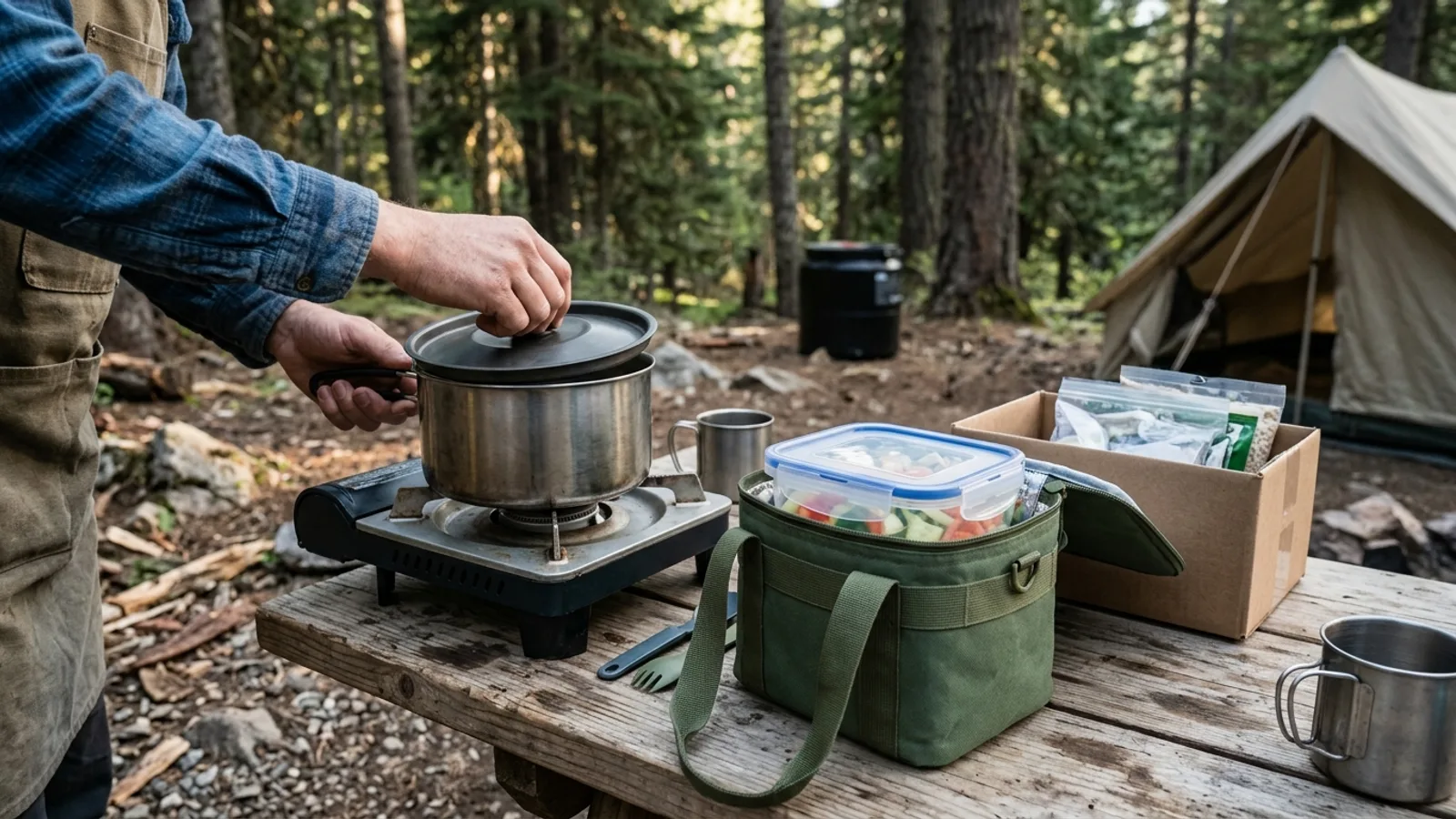
Why Food Storage Matters
Good food storage keeps meals safe to eat, prevents waste, and keeps wildlife from associating campsites with an easy meal. Once an animal learns that campsites mean food, it tends to keep coming back and becomes a problem for every camper after you. Careful storage protects your trip and the next person's.
Match Your Storage to the Trip
How much thought you need to put into food storage depends on a few practical factors.
Trip Length
Short trips are simple: pack food that doesn't need cooling, or bring just enough ice to get through a day or two. Longer trips require a real plan for keeping things cold, restocking ice, and rotating what you eat first so nothing spoils unnoticed at the bottom of a cooler.
Group Size
Larger groups mean more food and more temptation to overpack a single cooler until it can't hold temperature well. Splitting food across two or more coolers — one for drinks that get opened constantly, one for meal ingredients that stay closed — helps everything stay colder longer.
Dietary Needs
If anyone in your group has allergies or specific dietary restrictions, store their food in separate, clearly marked containers. This avoids cross-contamination and makes it easy for everyone to grab the right item without asking.
Car Camping vs. Backcountry
Car camping gives you room for large coolers and bulkier containers. Backpacking or dispersed camping calls for compact, lightweight, often bear-resistant storage, since you're carrying everything in and animals in more remote areas are often bolder around food.
Keeping Perishable Food Fresh
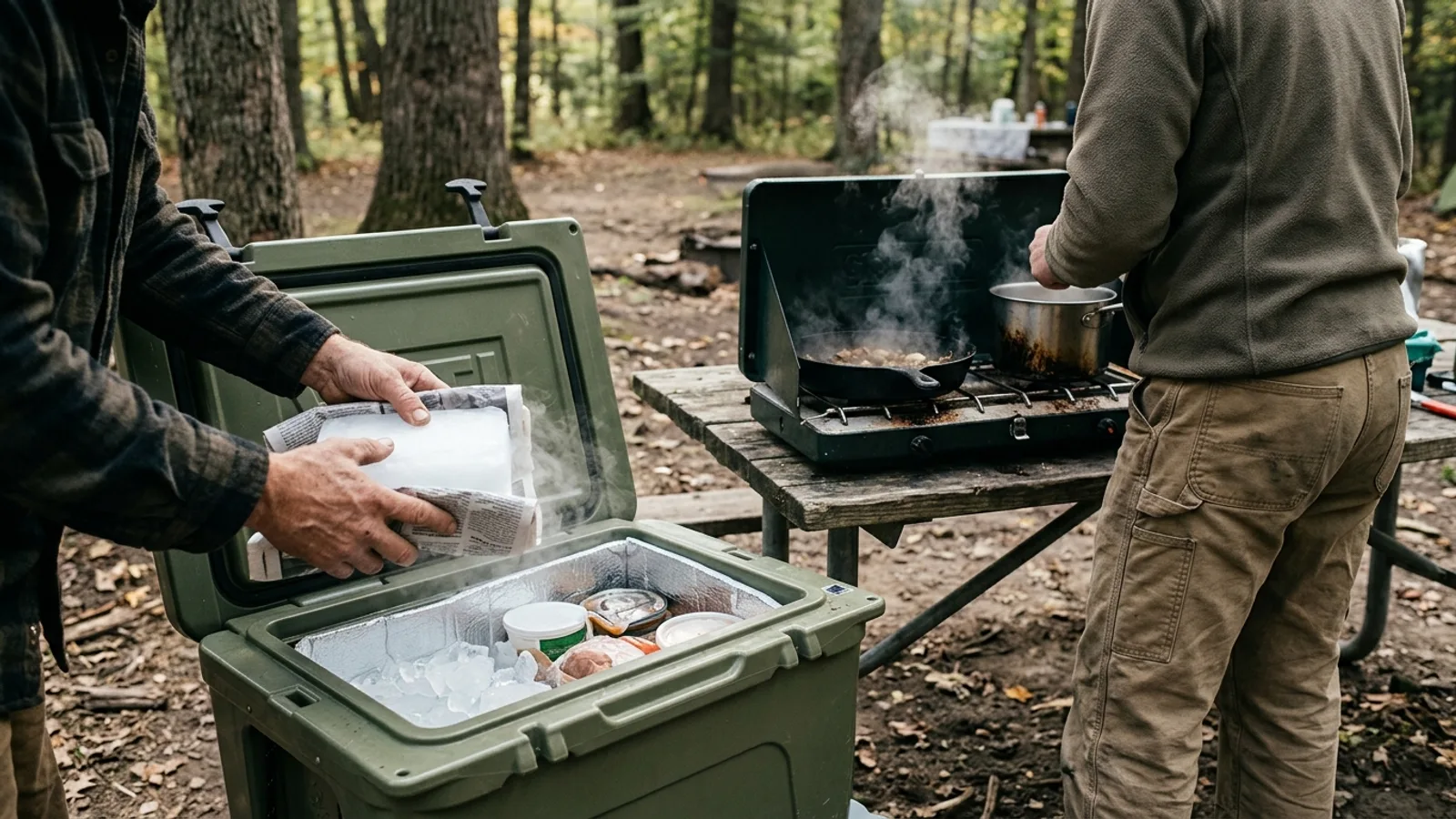
An insulated cooler is the foundation of fresh food on any car-camping trip. A few habits make a big difference in how long it keeps things cold:
- Pre-chill the cooler and its contents. Starting with cold food and a cold cooler interior means less work keeping it that way.
- Use block ice or frozen water bottles instead of loose cubes. They melt slower and double as drinking water once thawed.
- Pack the cooler full. Air space warms faster than solid contents, so fill gaps with extra ice or towels.
- Keep the cooler in shade and off hot ground. A tarp underneath and a blanket over the top add extra insulation.
- Open it as little as possible. Every opening lets cold air out; consider a separate cooler for items you'll access often, like drinks.
Non-Perishables and Fresh Produce
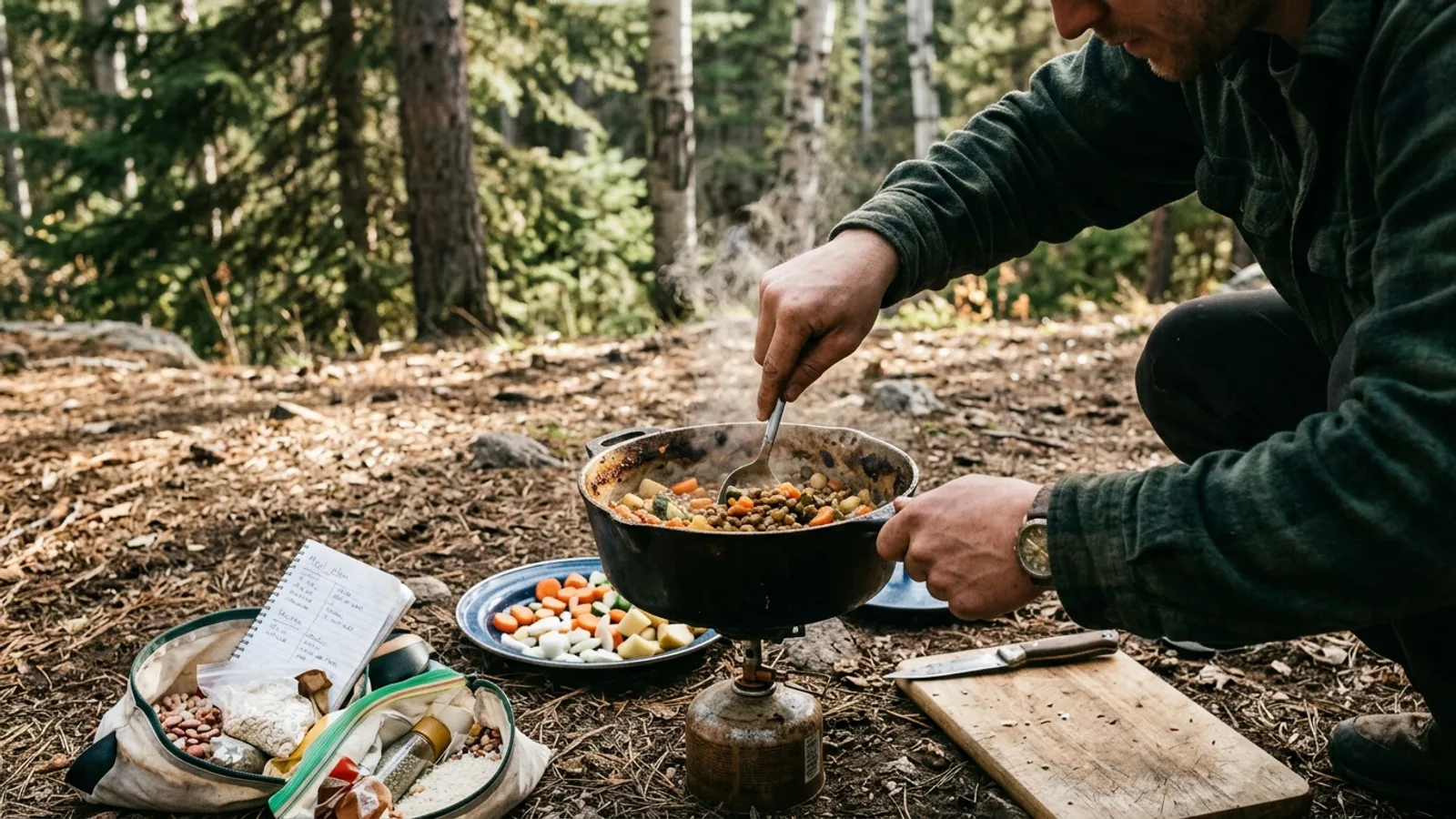
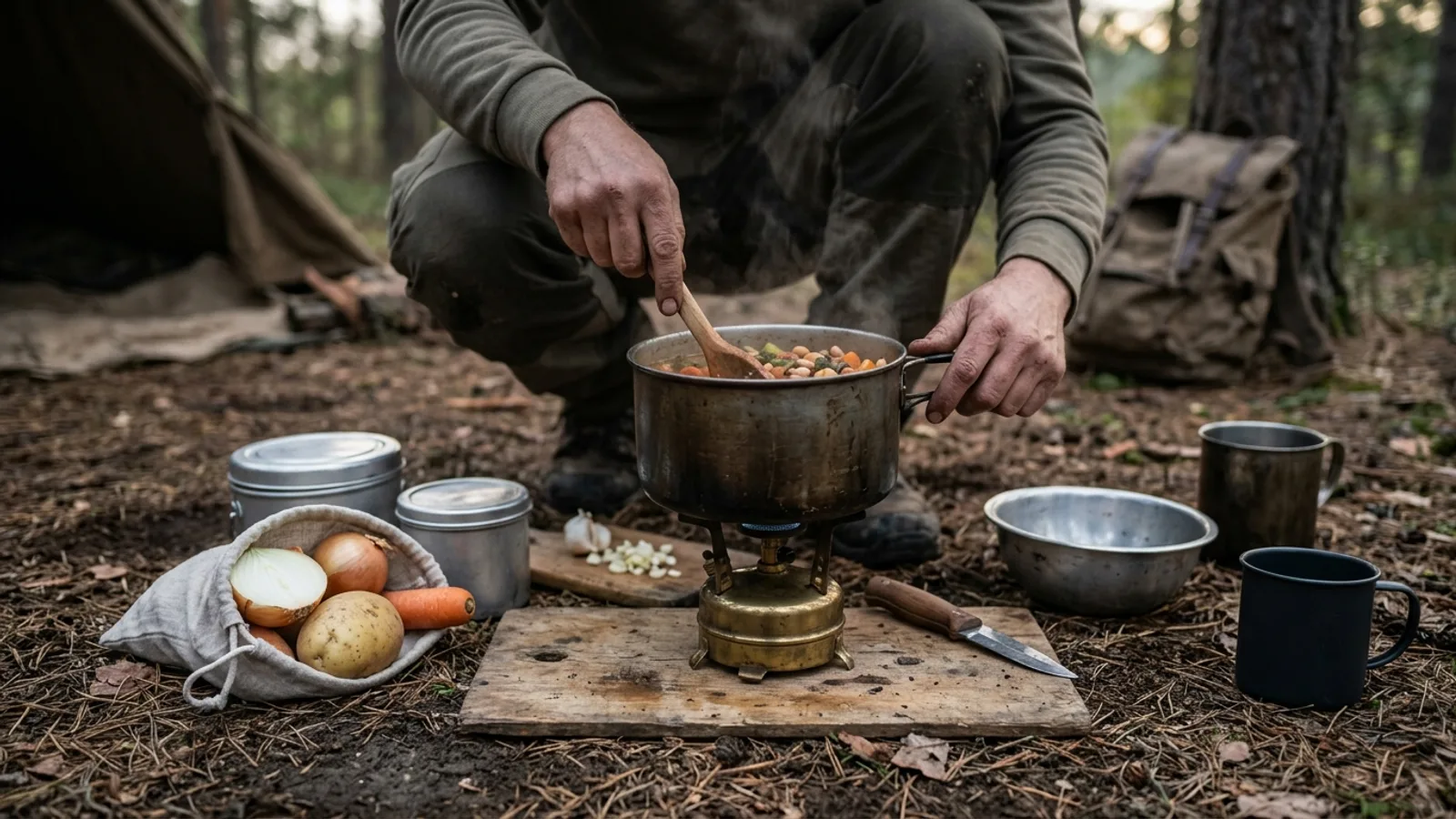
Canned goods, dried fruit, nuts, dehydrated meals, and shelf-stable snacks don't need refrigeration and are useful as backups if ice runs low. Sturdier fresh produce — apples, oranges, carrots, potatoes — holds up well outside a cooler for short stretches and doesn't need the same cold-chain attention as meat or dairy. Keep raw meat separate from produce and ready-to-eat food to avoid cross-contamination, both in the cooler and during prep.
Airtight Containers
Rigid, airtight containers protect food from moisture, crushing, and pests, and they cut down on odors that can attract animals. They're worth using even for items that seem sturdy, like bread or crackers, since a torn bag in a pack or cooler quickly becomes a mess.
Storing Food Around Wildlife
In bear country, and around smaller animals like raccoons and rodents almost everywhere, food odor is the main draw. A few practices apply broadly:
- Use a bear-resistant container or a proper hang where regulations or local conditions call for it. Many parks and wilderness areas have specific rules; check with the local land management agency before you go, since requirements vary by location and season.
- Never leave food unattended, even briefly. Animals can move in fast, and a few minutes is often enough.
- Store all food, trash, and scented items away from sleeping areas at night. This includes toiletries, which can smell like food to animals.
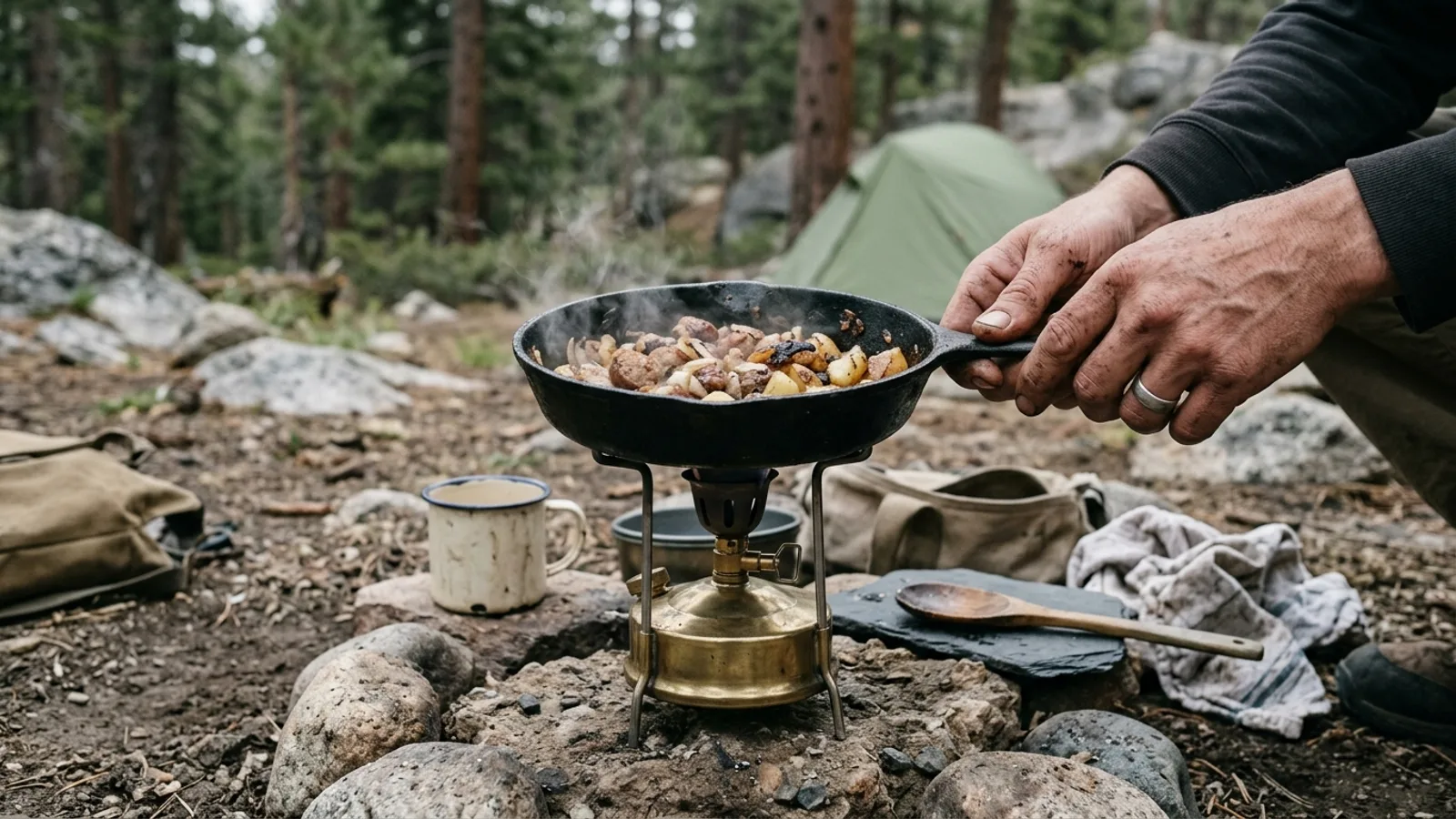
- Cook and eat away from your tent so food odors don't linger where you sleep.
- Clean up thoroughly after every meal, including wiping down surfaces and packing out all scraps and wrappers.
If you're unsure what's required or recommended in a specific area, ask a ranger or check the park's posted guidance — rules and expectations differ by park and by wildlife present.
Cooking and Cleanup Practices
Wash hands and utensils before handling food, and keep raw meat contained until it's cooked. Use separate cutting surfaces for meat and produce where practical. After eating, clean dishes promptly rather than letting food residue sit out, and pack out all food waste — burying scraps doesn't fully remove the scent and can still attract animals. Dispose of dishwater away from your campsite and water sources, following any local guidance on graywater disposal.
Bringing It Together
Solid food storage comes down to a few habits repeated consistently: keep cold things cold, keep food sealed and odor-contained, separate what needs separating, and never let food sit out unattended. These small routines protect your health, cut down on waste, and keep wildlife wild.