Avoiding Common Camping Mishaps: A Practical Safety Guide
Wildlife Safety: Reducing Encounters with Bears and Other Animals
Wildlife is drawn to campsites almost entirely because of food, trash, and scented items — not because of the campers themselves. Reducing those attractants is the single most effective way to avoid a dangerous encounter.
Store all food, cooking equipment, and anything with a scent (toothpaste, sunscreen, lotion) in a hard-sided container away from your sleeping area, ideally in a vehicle or a dedicated storage locker if the campground provides one. In backcountry settings, a hung bear bag or a certified bear-resistant canister serves the same purpose. Never keep food or scented items inside a tent.
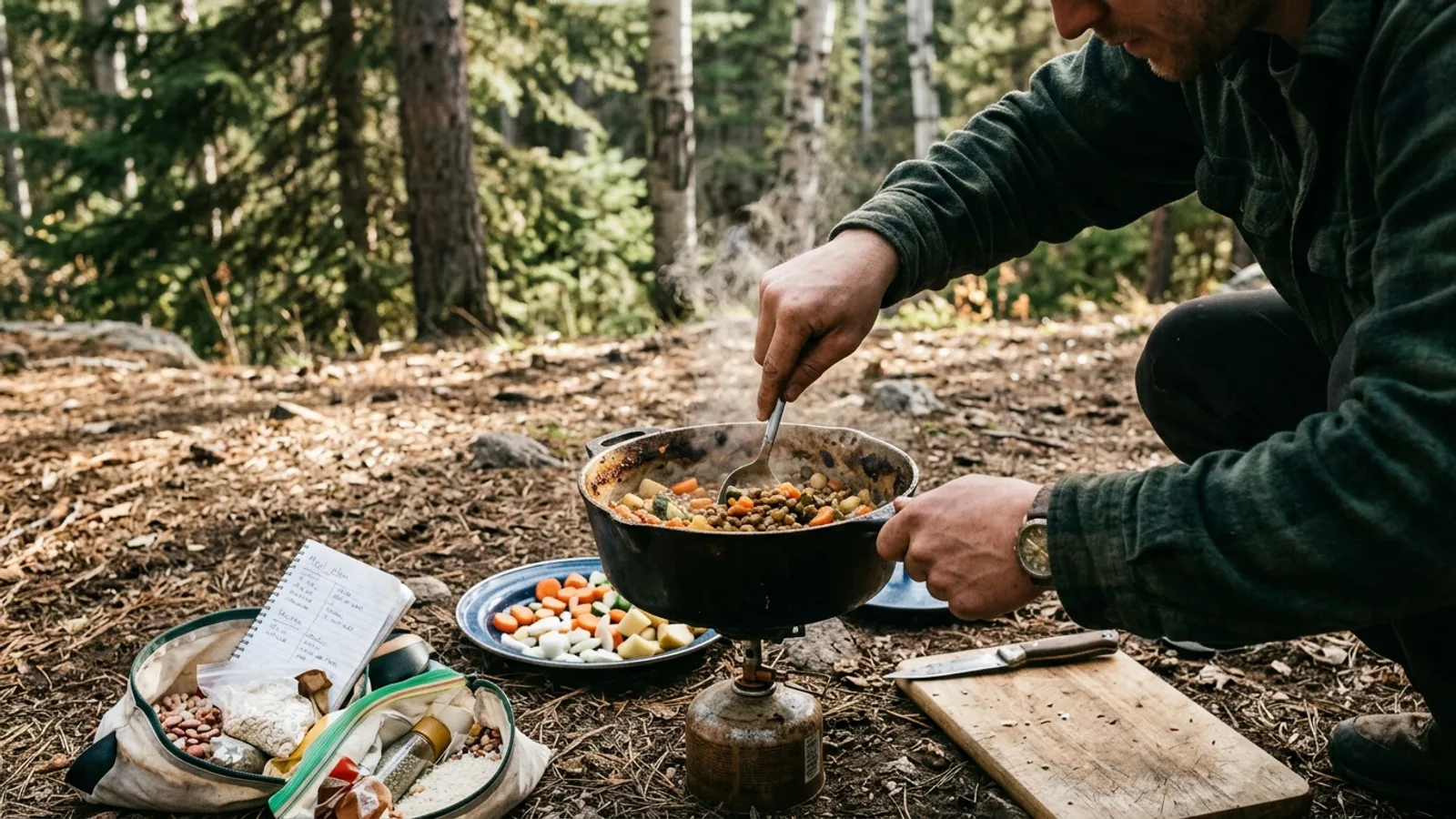
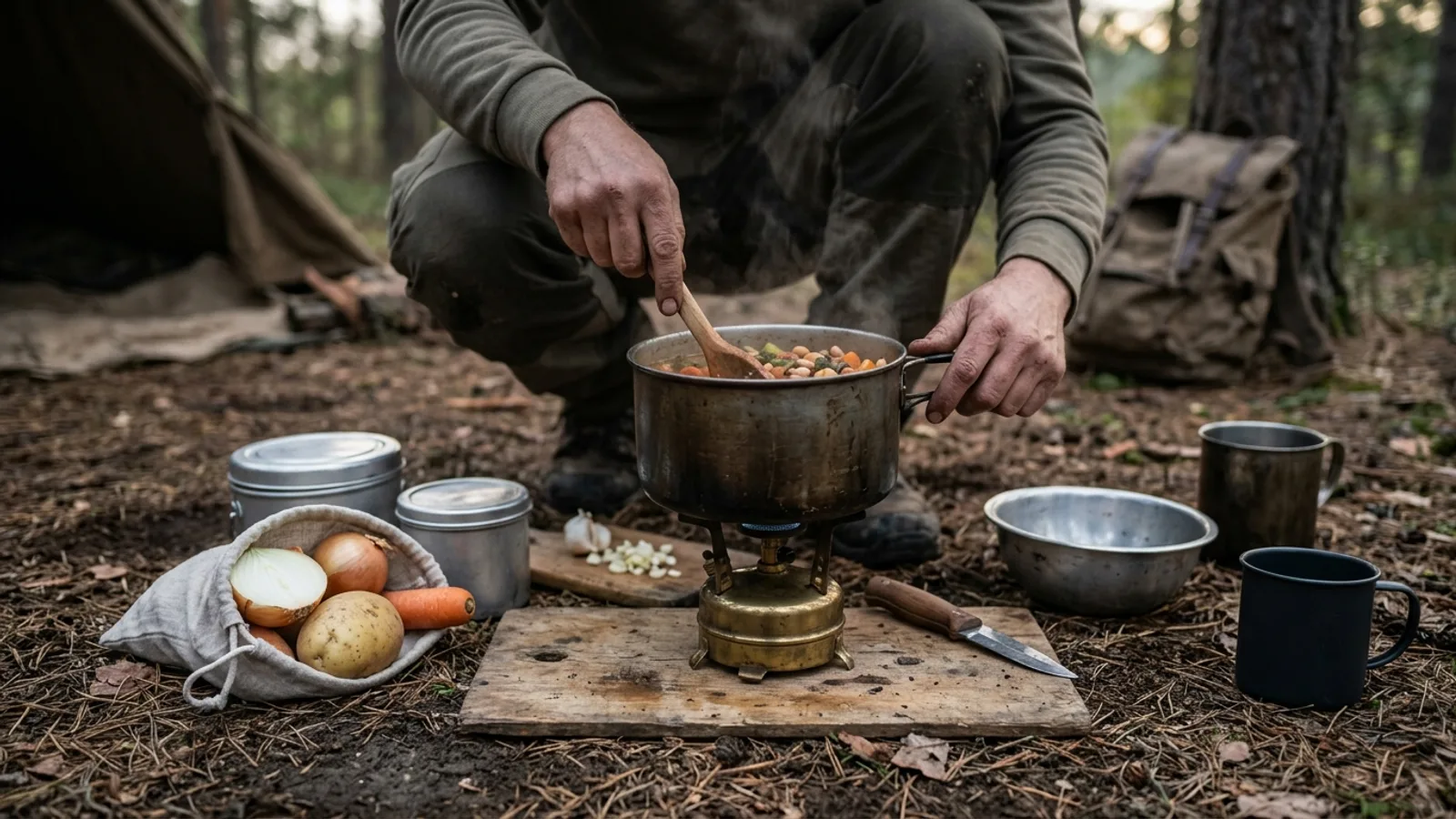
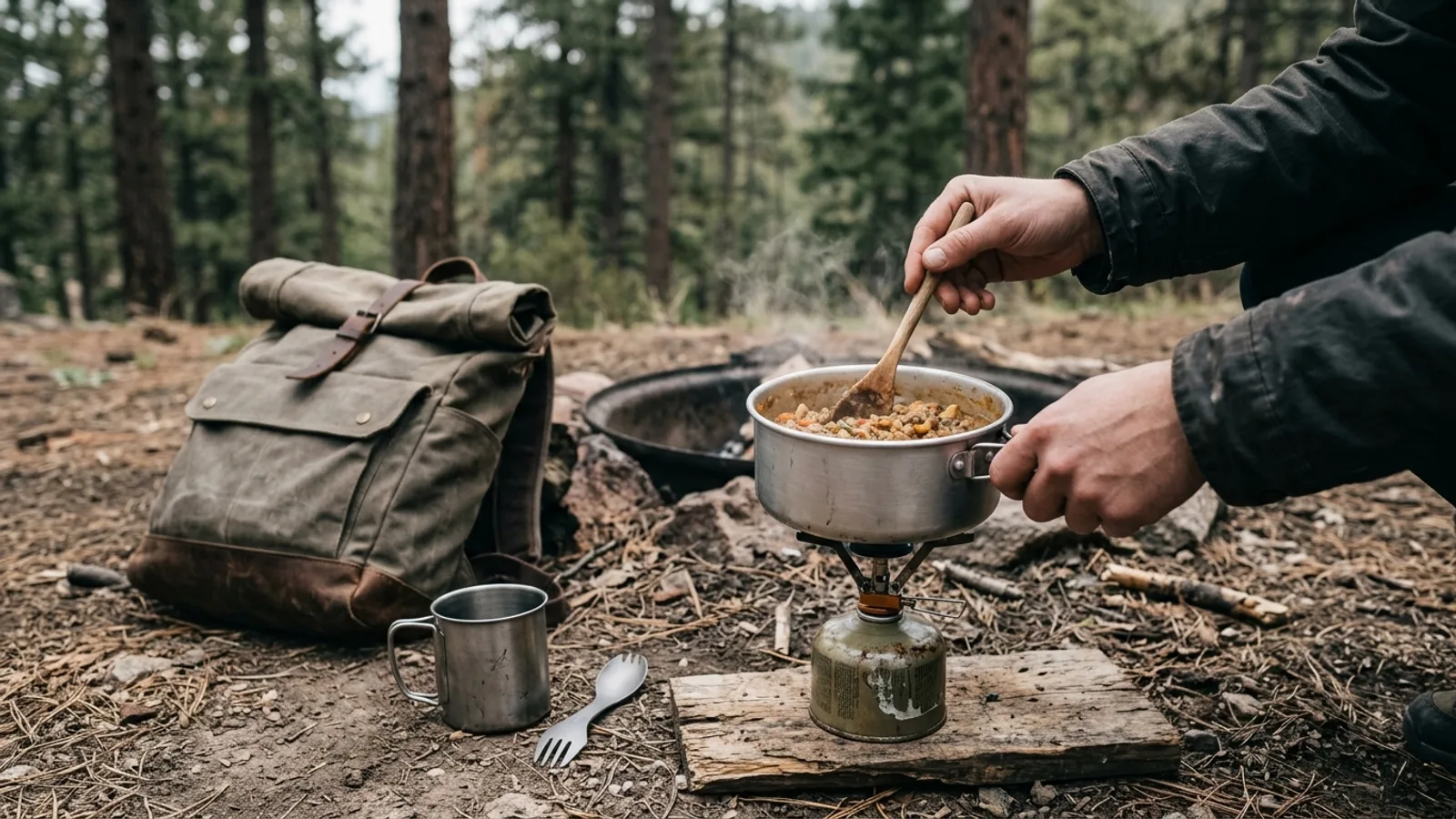
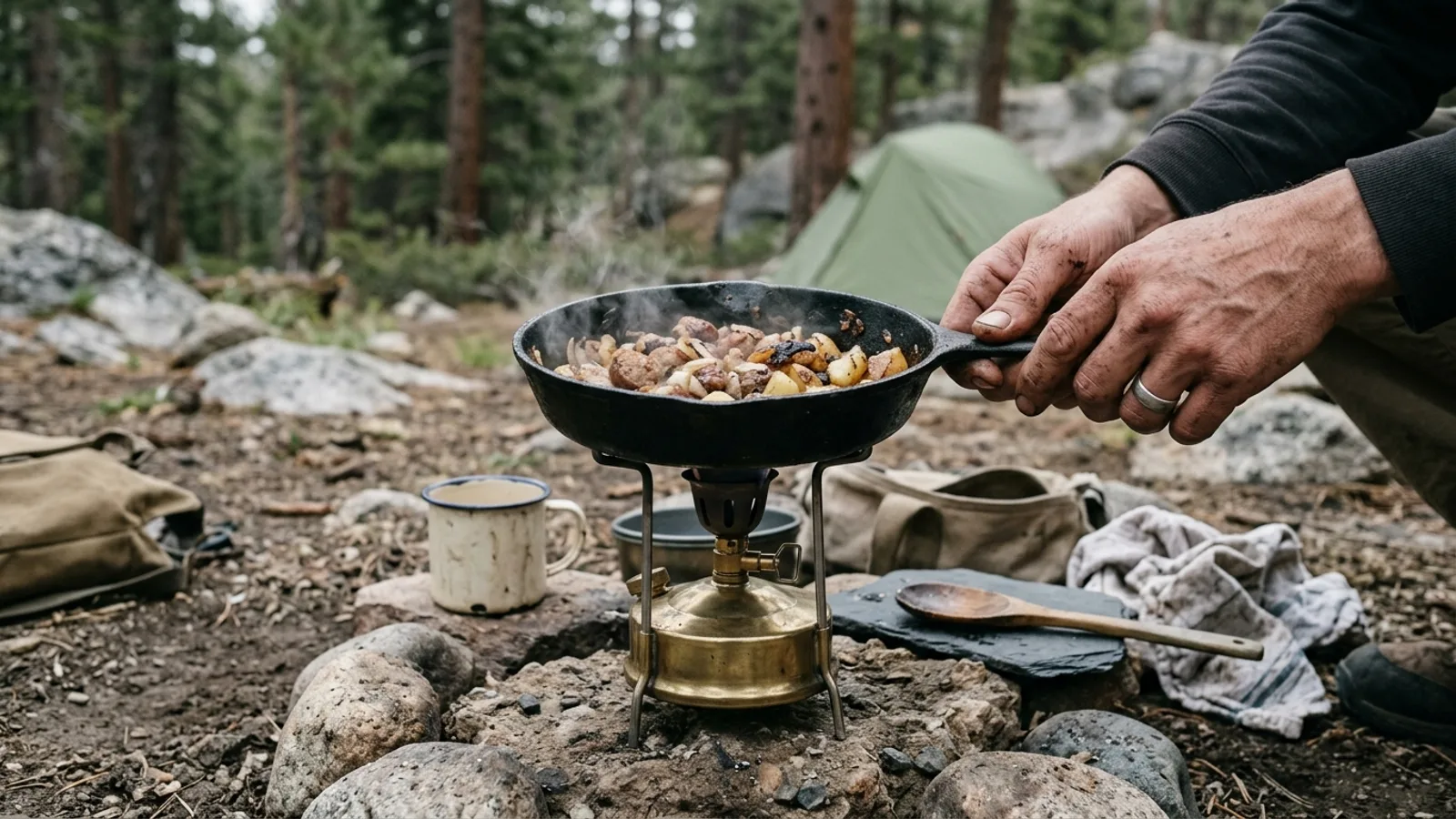
Cook and eat at a distance from where you sleep, and clean up thoroughly right after meals so food odors don't linger around your tent overnight.
If you're camping in bear country, learn the specific guidance for that region before you go — recommendations differ between black bear and grizzly habitat, and local land managers post current advice for the area you'll be visiting. Carrying a deterrent such as bear spray is worthwhile in many regions, but only if you know how to use it and keep it accessible rather than packed away.
If you do encounter a bear or other large animal, the safest general approach is to stay calm, avoid sudden movements, give the animal space and a way to leave, and back away slowly rather than running. Never approach wildlife to get a closer look or a photo.
Mistakes That Undermine a Camping Trip
Skipping Campsite Research
Not knowing what a site actually offers is one of the most common sources of disappointment. Confirm what's available — water access, restroom facilities, cell coverage, fire restrictions — before you arrive, so you can pack accordingly and set expectations correctly.
Not Testing Gear Beforehand
A tent, stove, or lantern that hasn't been used in a while can fail in ways you won't discover until you're already at the site. Set up your tent and run your stove at home first. It's much easier to troubleshoot or replace something in your driveway than in the field.
Overlooking Campground Etiquette
Camping is a shared experience. Ignoring quiet hours, letting noise carry, or disregarding site boundaries creates friction with neighbors and can affect everyone's experience, including yours.
Experimenting with Unfamiliar Food
A camping trip is not the time to try a new diet or unfamiliar ingredients. Stick to meals you already know your body handles well — digestive trouble is far more disruptive away from home.
Perishables and Fragile Packaging
Food that spoils quickly can ruin a meal and draw insects or animals to your site. Glass containers and bottles add breakage risk in a pack or cooler. Favor food that travels well without refrigeration and durable, resealable packaging.
Ignoring the Forecast
Check conditions for your dates and pack layers for temperature swings, not just what the forecast currently shows. Bring a basic first aid kit regardless of forecast, and confirm pet policies ahead of time if you're bringing an animal along.
Why Arriving Before Dark Matters
Setting up camp is a task that benefits enormously from good light. In the dark, it's harder to spot uneven ground, exposed roots, low branches, or nearby drop-offs — all of which raise the risk of a trip or fall while you're carrying gear.
Daylight also makes it far easier to pitch a tent correctly, organize your site, and locate key features like water sources, restrooms, and fire rings before you need them. Plan your travel time so you arrive with a comfortable margin before sunset, rather than cutting it close.
Keeping Food Safe from Insects and Small Animals
Insects and small animals are efficient foragers, and an unsecured site can turn into an infestation quickly.
- Use airtight, sealed containers for all food storage, not just overnight but anytime food isn't being actively prepared or eaten.
- Contain crumbs and spills by eating over a mat or tarp, and shake it out well away from your tent and sleeping area.
- Dispose of waste promptly in secure trash receptacles. Don't leave food scraps, wrappers, or dishwater sitting out, even briefly.
Being a Considerate Camping Neighbor
Good etiquette keeps a shared space pleasant for everyone.
- Keep noise reasonable, especially conversations, music, and vehicle doors, which carry further at night than people expect.
- Respect posted quiet hours exactly as listed, not as a rough guideline.
- Keep your site tidy — scattered gear and trash reflect on the whole campground and can attract animals to neighboring sites too.
- Give other campers space, both physically and in terms of noise and light, particularly in tightly packed campgrounds.
Preparedness: First Aid and Planning Ahead
A basic first aid kit belongs in every camping setup, stocked for minor cuts, blisters, insect stings, and any personal medication needs. Know where the nearest source of help is — ranger station, camp host, or town — before you need it, since cell service is often unreliable in outdoor settings.
Most camping mishaps trace back to a small number of avoidable gaps: not knowing the site, untested gear, poor food storage, and arriving without enough daylight to set up safely. Addressing those basics before you leave home does far more for a smooth trip than any last-minute fix in the field.