Camping Food Planning: What to Pack and How to Cook It
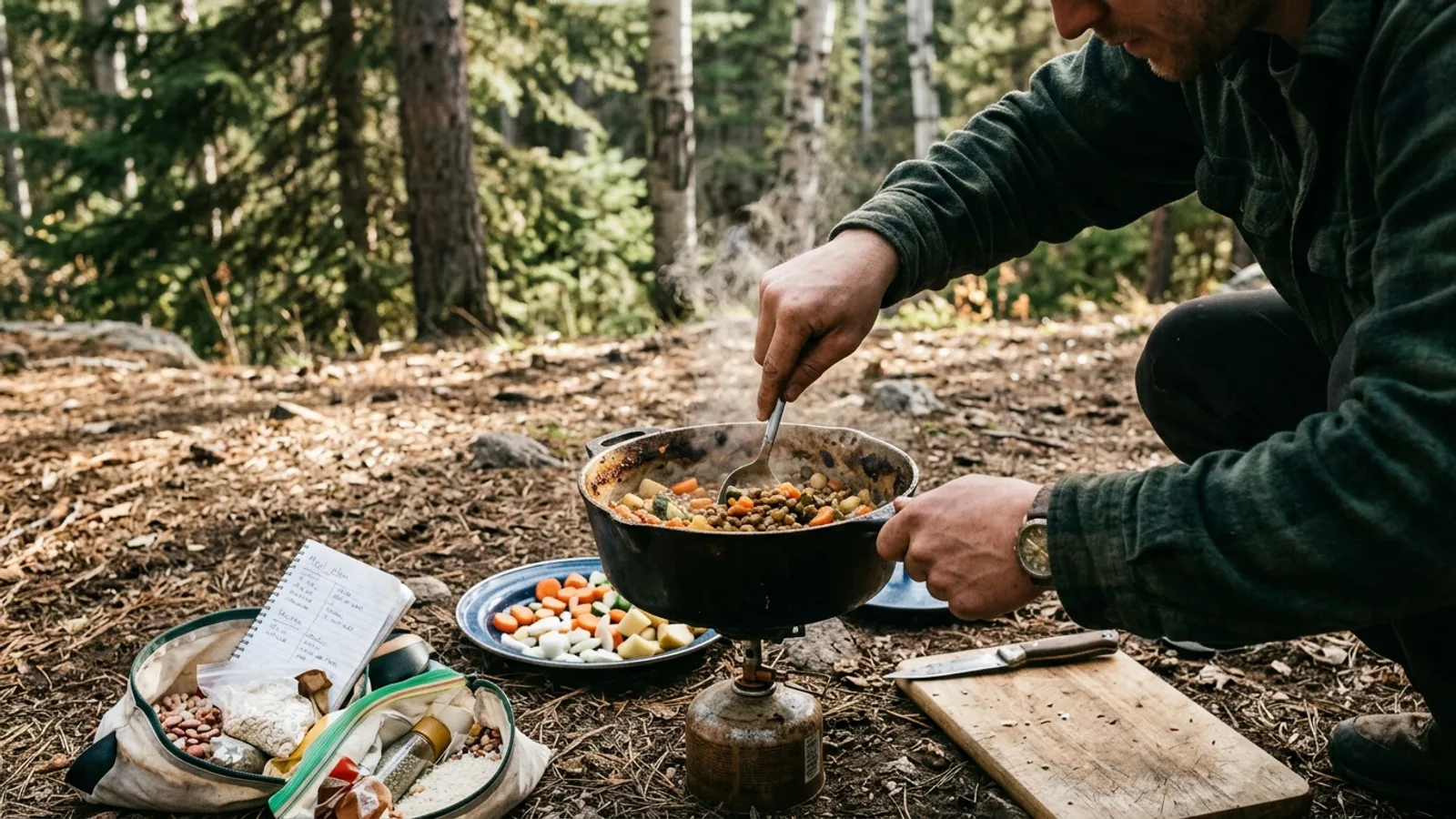
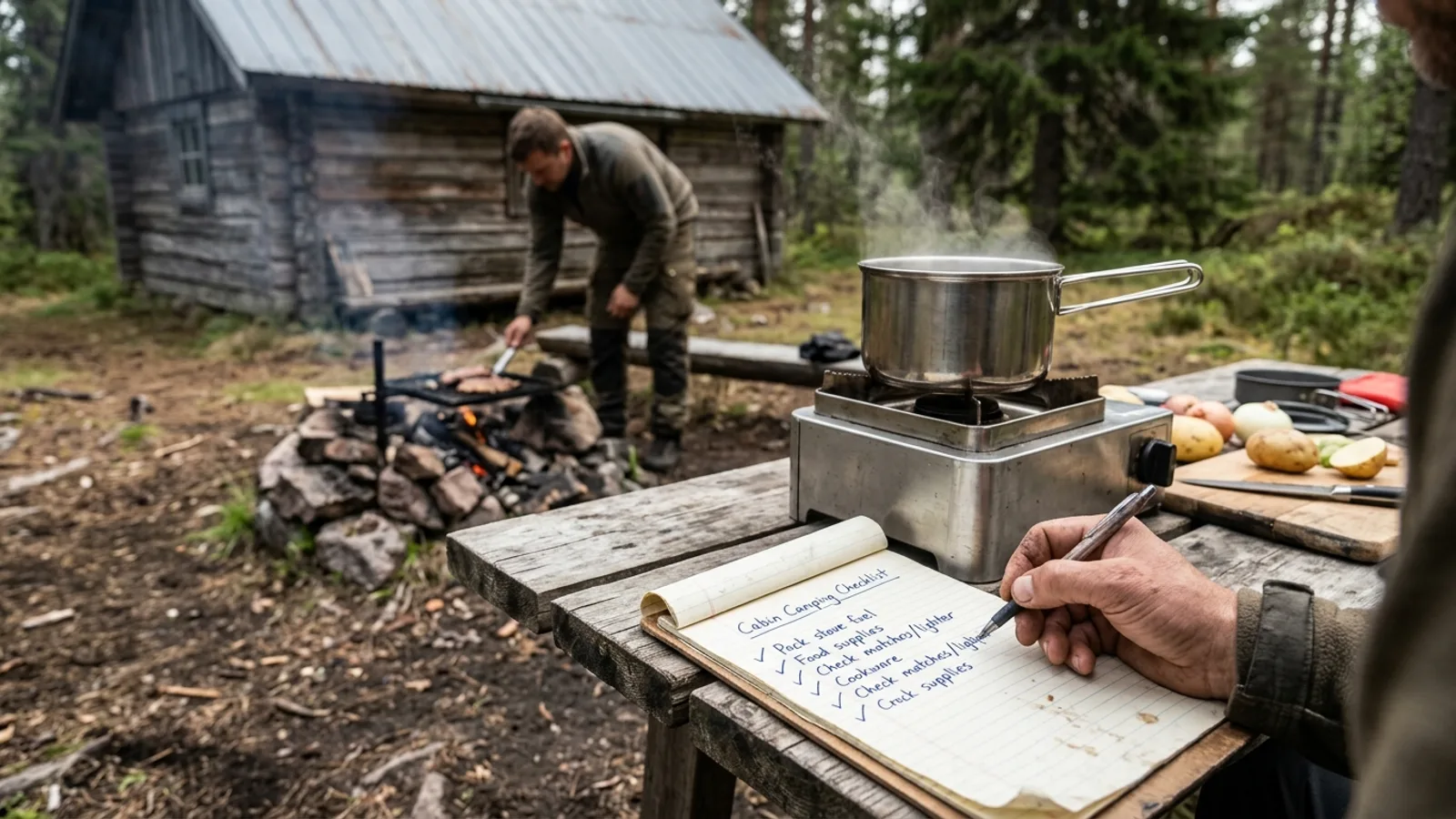
Good camping meals come from planning, not luck. Deciding what you'll eat before you leave home means you buy only what you need, waste less, and spend more time enjoying camp instead of digging through a cooler wondering what to cook.
Start With a Framework, Not a Recipe List
Rather than planning a unique meal for every breakfast, lunch, and dinner, pick a small set of versatile ingredients that can be recombined in different ways. This cuts down on what you have to carry and reduces the chance of ending up with unused odds and ends at the end of the trip.
A useful approach is to build each day around a protein, a starch, and something fresh (vegetable or fruit), then vary the seasoning and preparation method — grill, skillet, foil packet, or pot — so the same core ingredients don't feel repetitive.
Breakfast
Mornings in camp are usually rushed or cold, so breakfasts that require little cleanup and no refrigeration once opened are worth prioritizing.
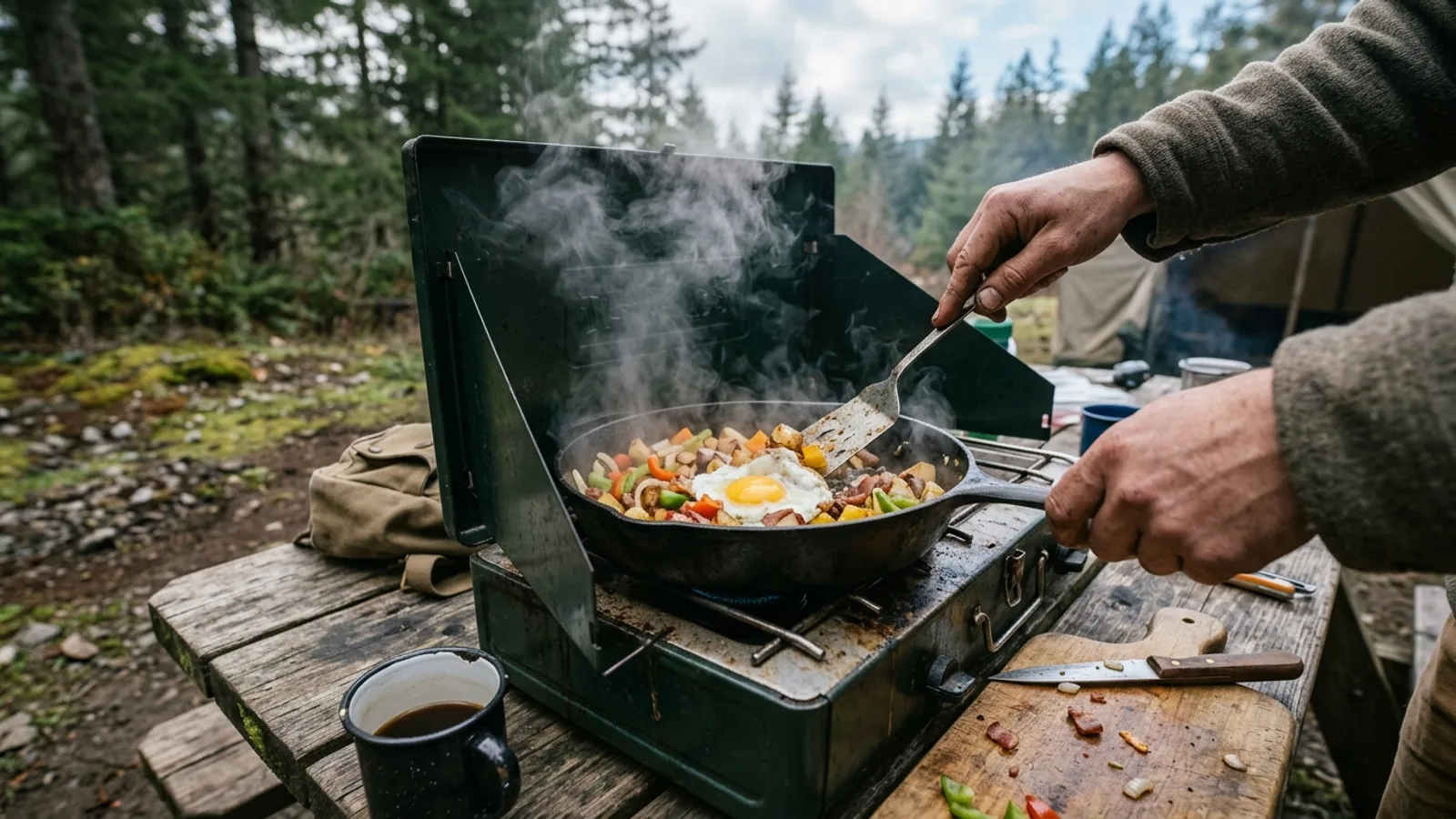
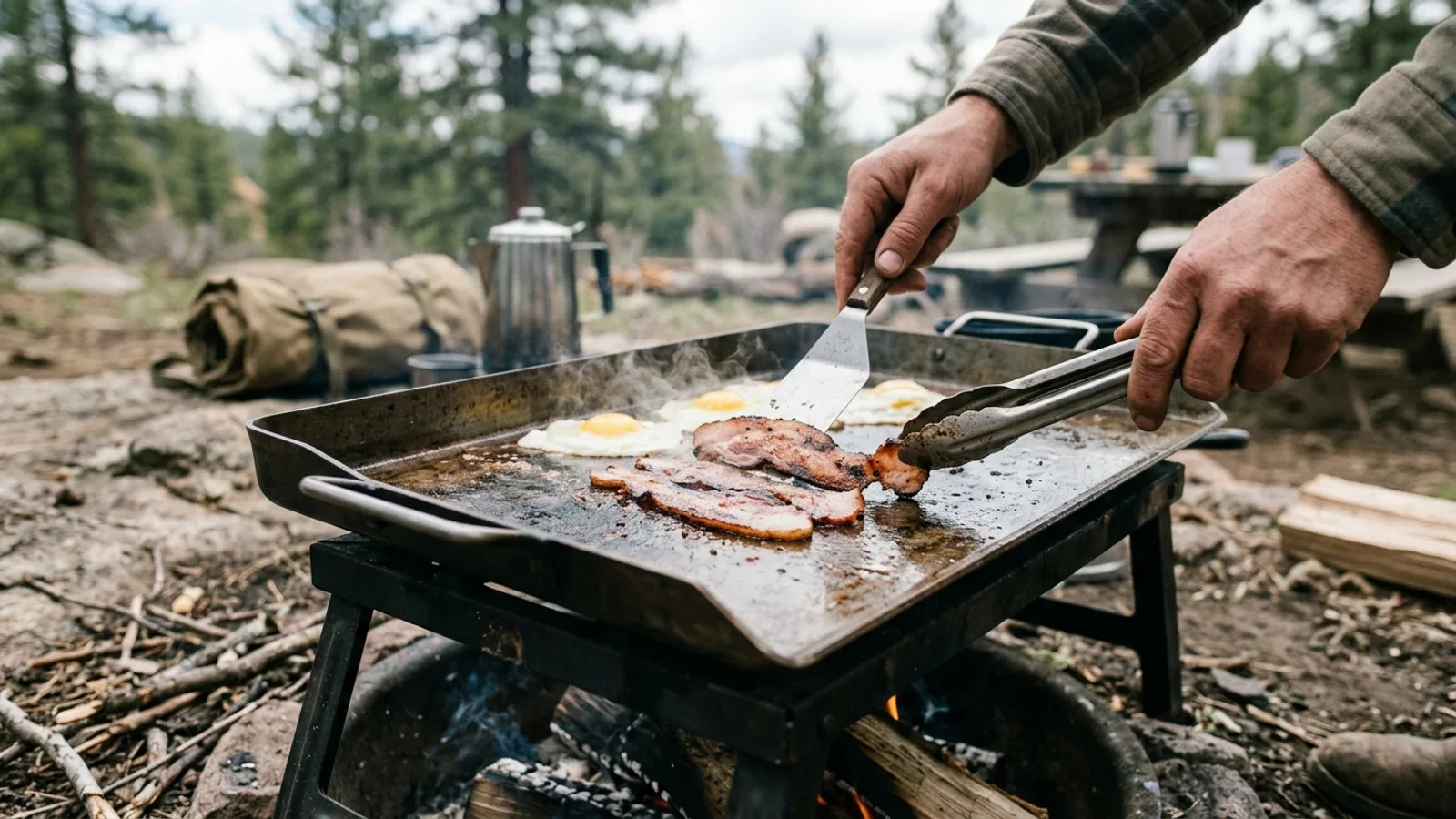
- Eggs: Durable for a few days if kept cold, and flexible enough for scrambles, omelets, or a quick fried egg on a sandwich.
- Oats: Lightweight, shelf-stable, and cooked with just water or milk. Add nuts, dried fruit, or a spoonful of nut butter for extra calories.
- Nut butter: A dense source of protein and fat that doesn't need refrigeration and works on bread, in oatmeal, or straight from the jar.
- Granola or muesli: No cooking required — just add milk or yogurt.
- Bagels or English muffins: Sturdier than sliced bread for packing, and good toasted over a camp stove with butter, jam, or cream cheese.
- Hard cheeses and cured meats: Keep well without ice for longer than fresh dairy or raw meat, and add protein to a simple bread-based breakfast.
If you're bringing dairy or eggs, plan your cooler packing so they stay cold for the whole trip, and use them earlier rather than later.
Lunch
Lunch while camping is often eaten away from your main site, so it should require little to no cooking.
- Sandwiches and wraps: Deli meat, cheese, and vegetables in a tortilla or roll travel well and can be made in bulk the night before.
- Trail mix and bars: Compact, calorie-dense, and useful for hikes away from camp.
- Dehydrated or freeze-dried meals: Add boiling water and wait — a good backup for days when you don't want to cook.
- Fresh fruit: Apples and oranges hold up well without refrigeration and add variety to an otherwise dry lunch.
If you cooked extra protein at dinner the night before, repurpose it into a lunchtime sandwich or wrap rather than cooking something new.
Dinner
Dinner is usually the meal with the most time and equipment available, since you're back at camp with a fire, grill, or stove.
- Foil packet meals: Seasoned meat and chopped vegetables wrapped in foil and set over coals cook evenly with minimal cleanup and no pots to scrub.
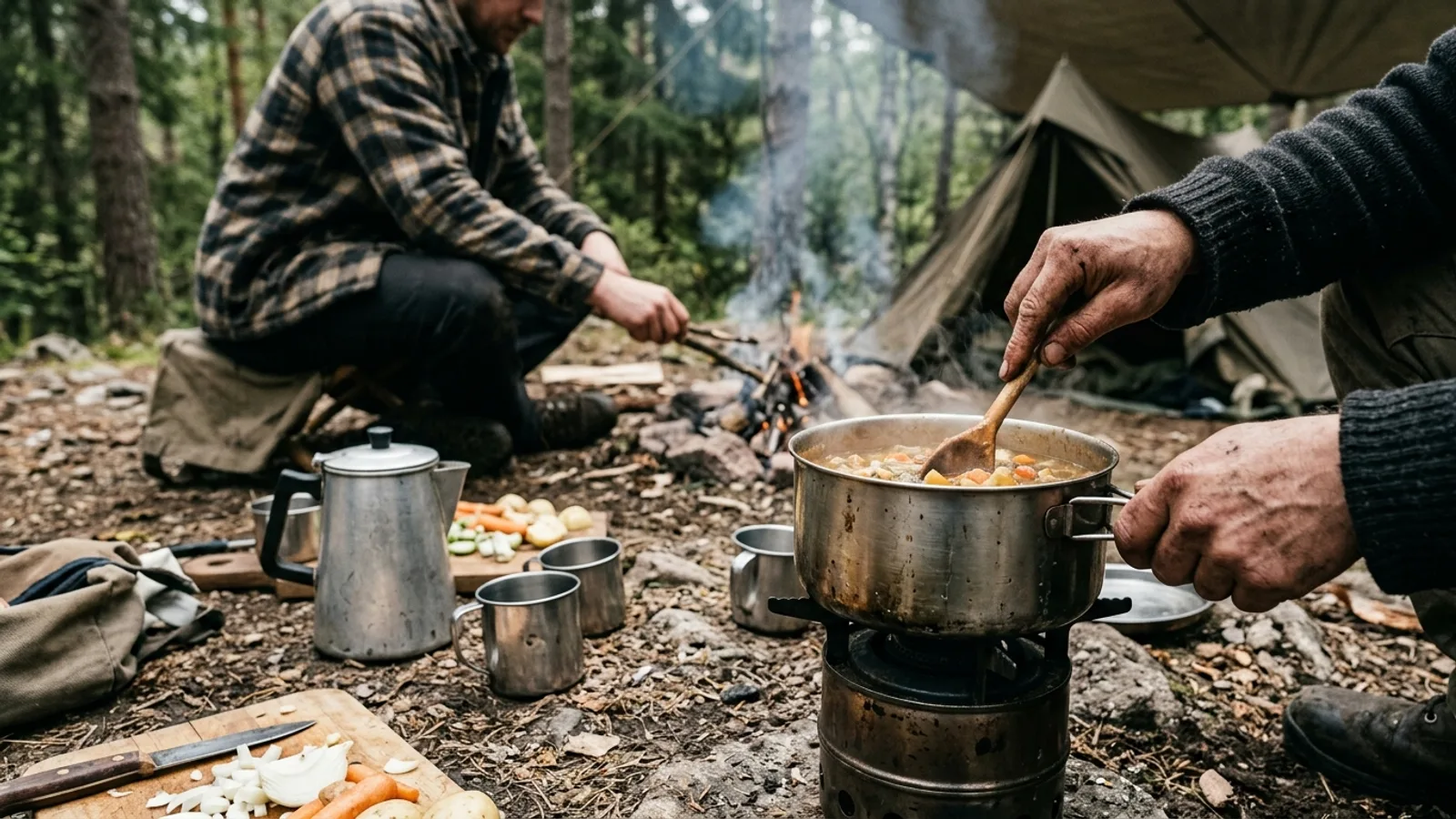
- One-pot pasta or rice dishes: Combining a protein, a grain, and canned or fresh vegetables in a single pot keeps dishwashing simple.
- Skewers and kebabs: Threading meat and vegetables onto skewers lets you cook a full meal over an open flame with even, quick results.
- Dutch oven meals: A Dutch oven set over coals can bake, simmer, or braise, making it useful for stews, beans and rice, or layered dishes.
- Grilled proteins: Simple cuts of meat, fish, or a plant-based alternative cooked directly over the fire need only oil, salt, and pepper to taste good.
Precook and season meat at home when possible — it cuts down on both prep time and the amount of raw meat you need to keep cold in a cooler.
Sides That Cook Alongside Dinner
Vegetables cooked over the same fire or grill as your main dish add variety without extra equipment.
- Grilled corn: Soak ears in water beforehand, then grill directly, turning occasionally, until the kernels are tender and lightly charred.
- Foil-wrapped vegetables: Asparagus, peppers, onions, or a mix of chopped vegetables cook well in a foil packet with a little oil and seasoning.
- Vegetable skewers: Alternate chunks of pepper, zucchini, mushroom, and onion on a skewer and grill until tender.
- Beans and rice: A filling, inexpensive side that can be cooked in a single pot or Dutch oven while the main dish finishes.
Food Safety Basics
Keep raw meat separated from ready-to-eat food, both in your cooler and during prep, to avoid cross-contamination. Cook meat, poultry, and fish until they reach a safe internal temperature, and use a food thermometer if you have one — color alone isn't a reliable indicator of doneness.
Perishable food should stay cold until it's cooked; pack coolers with ice or frozen gel packs, keep them in shade, and open them as infrequently as possible to hold the temperature. When in doubt about whether something has been unrefrigerated too long, it's safer to discard it than to risk it.
Packing and Storage Tips
- Pre-portion and pre-chop ingredients at home to reduce prep time and cooking gear needed at the site.
- Use hard-sided containers or sealed bags to protect food from moisture and pests, and store all food and scented items securely, especially overnight or when away from camp — this matters most in areas with bears or other wildlife that can access food.
- Pack shelf-stable staples like oats, rice, pasta, and nut butter first, then build your cooler contents around what you'll use earliest in the trip.
- Bring a small bag for packing out all food waste and packaging; leftover food scraps shouldn't be buried or left behind.
Simple Desserts
Dessert doesn't need much more than a campfire and a few pantry staples. Roasted fruit wrapped in foil with a bit of sugar and cinnamon, melted chocolate and marshmallow sandwiched between graham crackers, or a simple skillet cobbler made with canned fruit and biscuit mix are all easy to make with minimal equipment and cleanup.
Frequently Asked Questions
What are some good camping food ideas?
Focus on versatile, shelf-stable ingredients — eggs, oats, rice, pasta, canned beans, nut butter, and hard cheese — that can be combined differently across breakfast, lunch, and dinner.
How do I plan meals for a camping trip?
Decide on your meals in advance, make a shopping list based on exactly what those meals need, and prep and portion what you can before you leave. This reduces both the amount you need to carry and the decisions you have to make once you're at the site.
What are some easy camping recipes?
Foil packet meals, one-pot pasta or rice dishes, and skewer-based dinners are all easy to prepare with minimal equipment and cleanup.
What food should I bring camping?
Bring a mix of shelf-stable staples (grains, nut butter, dried fruit), proteins that travel well (eggs, hard cheese, cured meat), and perishables you plan to use early in the trip while your cooler is coldest.
What are some healthy camping snacks?
Trail mix, whole fruit, nut butter with crackers, and jerky all provide steady energy without requiring refrigeration or preparation.