Backcountry Camping: A Practical Guide to Planning Your First Trip

What Backcountry Camping Means
Backcountry camping means hiking into an area without roads, cars, or maintained campsites, and carrying everything you need on your back. There are no bathrooms, no picnic tables, and often no cell signal. You choose (or are assigned, depending on the permit system) a dispersed site rather than a numbered campground spot.
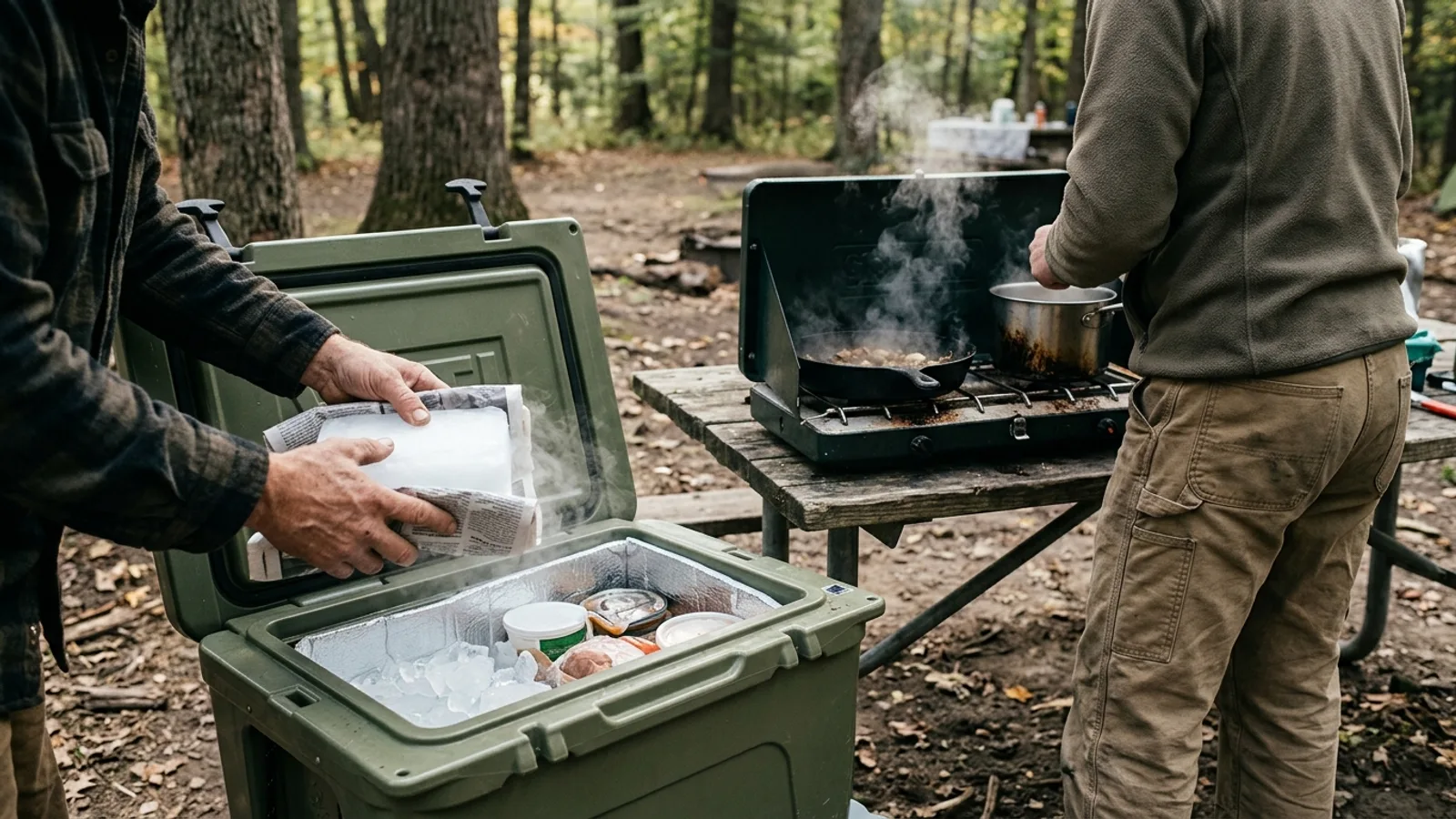
This is different from car camping or camping at a developed campground, where you park next to your site and can pack in coolers and extra comforts. In the backcountry, weight and self-sufficiency shape every decision, from the food you bring to how far you're willing to hike in.
Why People Choose It
The appeal is straightforward: fewer people, quieter nights, and access to terrain that day hikers rarely see. Many of the most memorable alpine lakes, remote canyons, and high ridgelines are only reachable by multi-mile approaches, which naturally limits crowds.
It also builds a different kind of confidence. When you're responsible for your own shelter, water, and navigation, you learn your own limits and how to work within them. That self-reliance is a big part of why backcountry camping tends to become a long-term habit rather than a one-time trip.
Core Gear Categories
Exact gear choices depend on climate, season, and trip length, but every backcountry trip draws from the same basic categories:
- Backpack: sized to your trip length and gear volume, with a hip belt that actually transfers weight to your hips rather than your shoulders.
- Shelter: a tent, tarp, or bivy suited to the expected wind and precipitation.
- Sleep system: a sleeping bag or quilt rated for the coldest temperature you realistically expect, plus a sleeping pad for insulation from the ground as much as for cushioning.
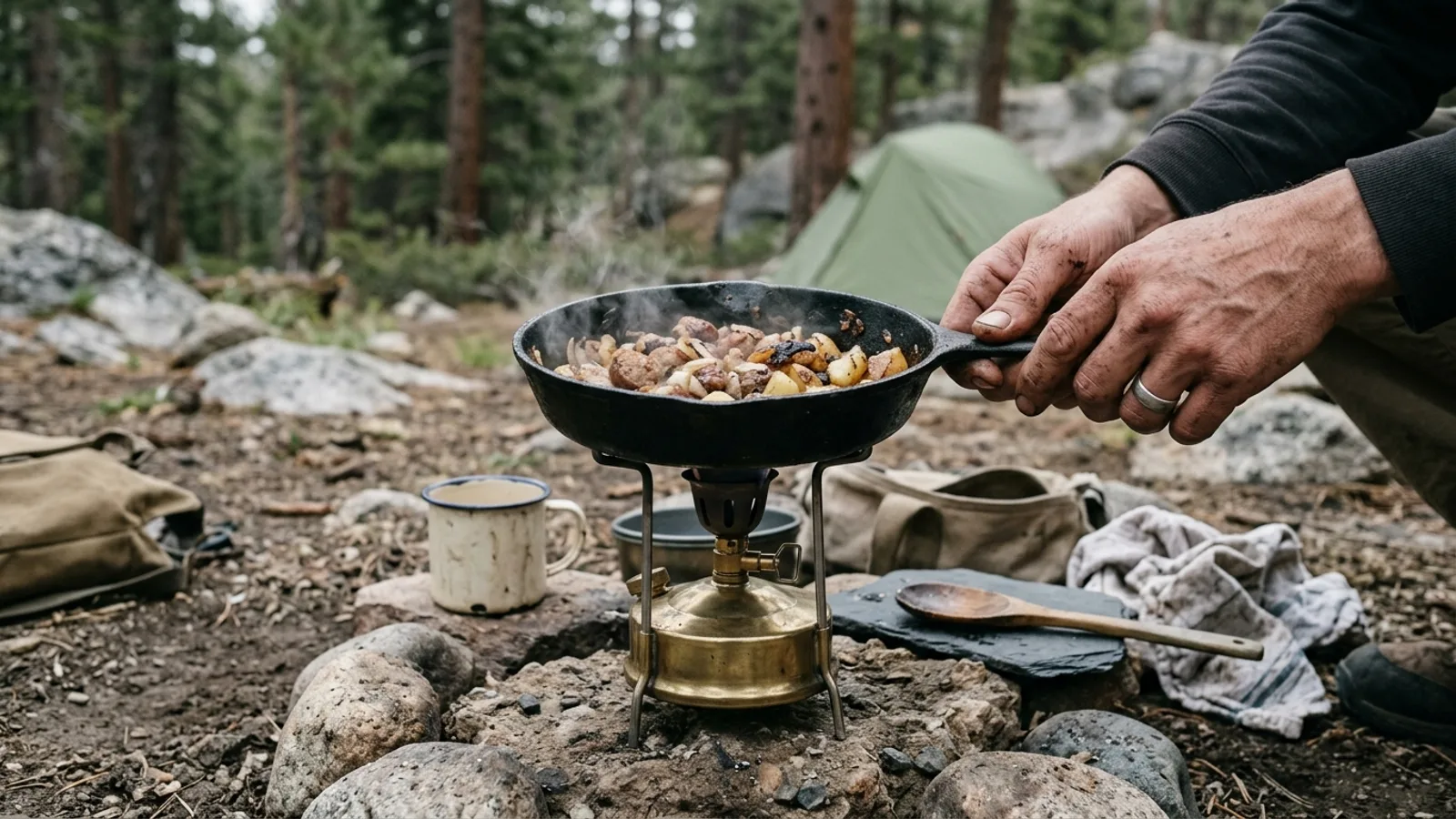
- Cooking setup: a lightweight stove and fuel appropriate for the altitude and temperature, plus a way to filter or treat water.
- Navigation: a physical map and compass as a non-electronic backup, even if you also carry a GPS device or phone app.
- First aid and repair: a compact first aid kit and basic repair items for your shelter, pack, and stove.
- Clothing layers: moisture-wicking base layers, insulation, and a waterproof or wind-resistant outer layer, chosen for the season rather than "just in case" bulk.
The general rule is to choose the lightest gear you can afford that still performs reliably in the conditions you'll face. Extra weight adds up quickly over miles, but skipping essential warmth or rain protection to save weight is a common and preventable mistake.
Planning Your Route
Before you go, study a map of the area and understand the terrain: elevation gain, water crossings, and how exposed the route is to wind or sun. Identify realistic water sources along the way, since carrying multiple days of water is rarely practical on foot.
Check the weather forecast as close to departure as possible, and understand that mountain and canyon weather can shift faster than forecasts predict. Have a mental plan for what you'll do if conditions deteriorate, including a turnaround point.
Many backcountry areas require permits or have quotas on the number of overnight groups, particularly in popular national parks and wilderness areas. Confirm current rules for the specific area you're visiting, since regulations and permit systems vary by location and can change.
Water and Food
Assume that any natural water source needs to be filtered or otherwise treated before drinking, regardless of how clean it looks. Carry a filter, chemical treatment, or another reliable method, and know how to use it before you're relying on it in the field.
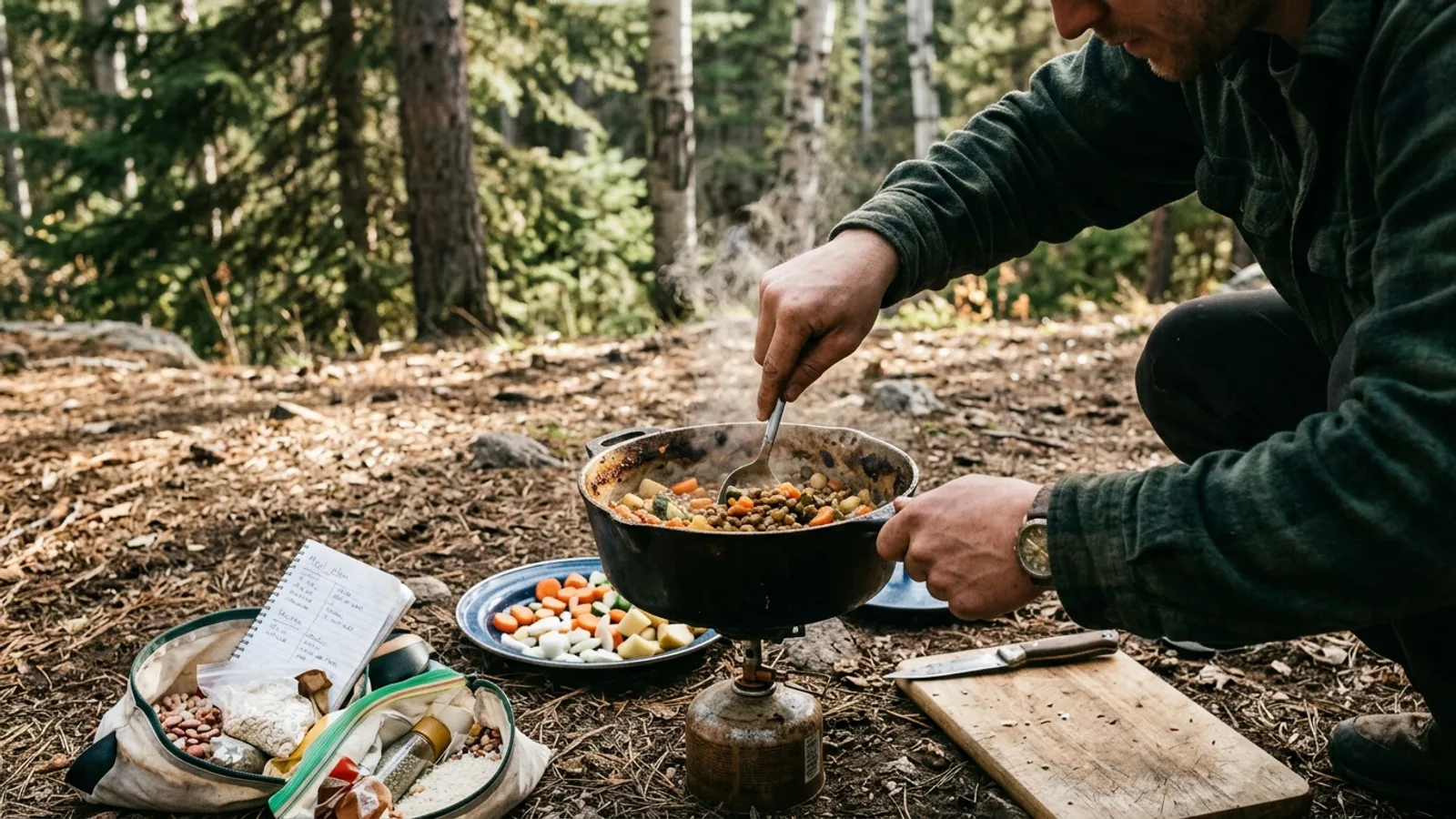
Pack food that is lightweight, calorie-dense, and doesn't require refrigeration. Plan for slightly more than you think you'll eat, since exertion at elevation or in cold weather increases appetite and calorie needs.
Store food and anything scented away from your sleeping area at night, using a hanging method or a hard-sided container as appropriate for the wildlife in the area. This protects both you and the animals that might otherwise learn to associate campsites with food.
Wildlife Awareness
Research what animals are active in the area you're visiting and how to behave around them. In bear country, that typically means proper food storage, making noise while hiking to avoid surprising an animal, and knowing how to react if you encounter one at close range.
Keep a safe distance from all wildlife, resist the urge to approach for photos, and never feed animals. Most dangerous wildlife encounters happen because an animal was surprised or had learned to expect food from people.
Leave No Trace
Backcountry areas stay wild because visitors keep their impact low. The core habits are simple: stay on established trails where they exist, camp on durable surfaces rather than fragile vegetation, pack out all trash including food scraps, and dispose of human waste according to the guidelines for that specific area.
Campfires are often restricted or discouraged in the backcountry, partly due to fire risk and partly because firewood collection degrades fragile areas over repeated use. A camp stove is usually a better choice for cooking, with a fire reserved only for areas and conditions where it's clearly permitted and safe.
Basic Safety Habits
Tell someone outside your group where you're going and when you expect to be back, including your planned route. This is one of the simplest and most effective safety measures for backcountry travel, since it's what triggers a search if something goes wrong.
Carry a map and compass even if you also have a GPS device, since electronics can fail or lose charge. Learn to read the terrain around your route so you have a mental backup if you lose the trail.
Before your first trip, set up your tent and test your stove at home. Small problems are far easier to solve on your porch than after dark, miles from the trailhead.
Choosing a Location
Match the location to your experience level. A first backcountry trip is a good time to choose a well-traveled route with clear trail markings, known water sources, and a manageable distance, rather than the most remote option available.
National parks, national forests, and designated wilderness areas all offer backcountry camping, but each has different rules around permits, group size, and campsite selection. Contact the managing agency for the specific area you're considering to confirm current regulations, trail conditions, and any closures before you finalize your plans.