Camping Stoves: Choosing, Using, and Maintaining Them Safely

Why the Right Stove Matters
A camping stove turns cold trail food into a hot meal and unreliable weather into a manageable inconvenience. The right choice depends less on brand and more on how you camp: how far you carry gear, how cold or high you'll be, and how many people you're feeding.
Types of Camping Stoves
Canister Stoves
These screw onto a pressurized fuel canister and light almost instantly. They're compact, light, and simple, which makes them a common choice for backpacking and weekend car camping alike. Their main weakness is cold and high-altitude performance, since canister pressure drops as temperatures fall.
Liquid Fuel Stoves
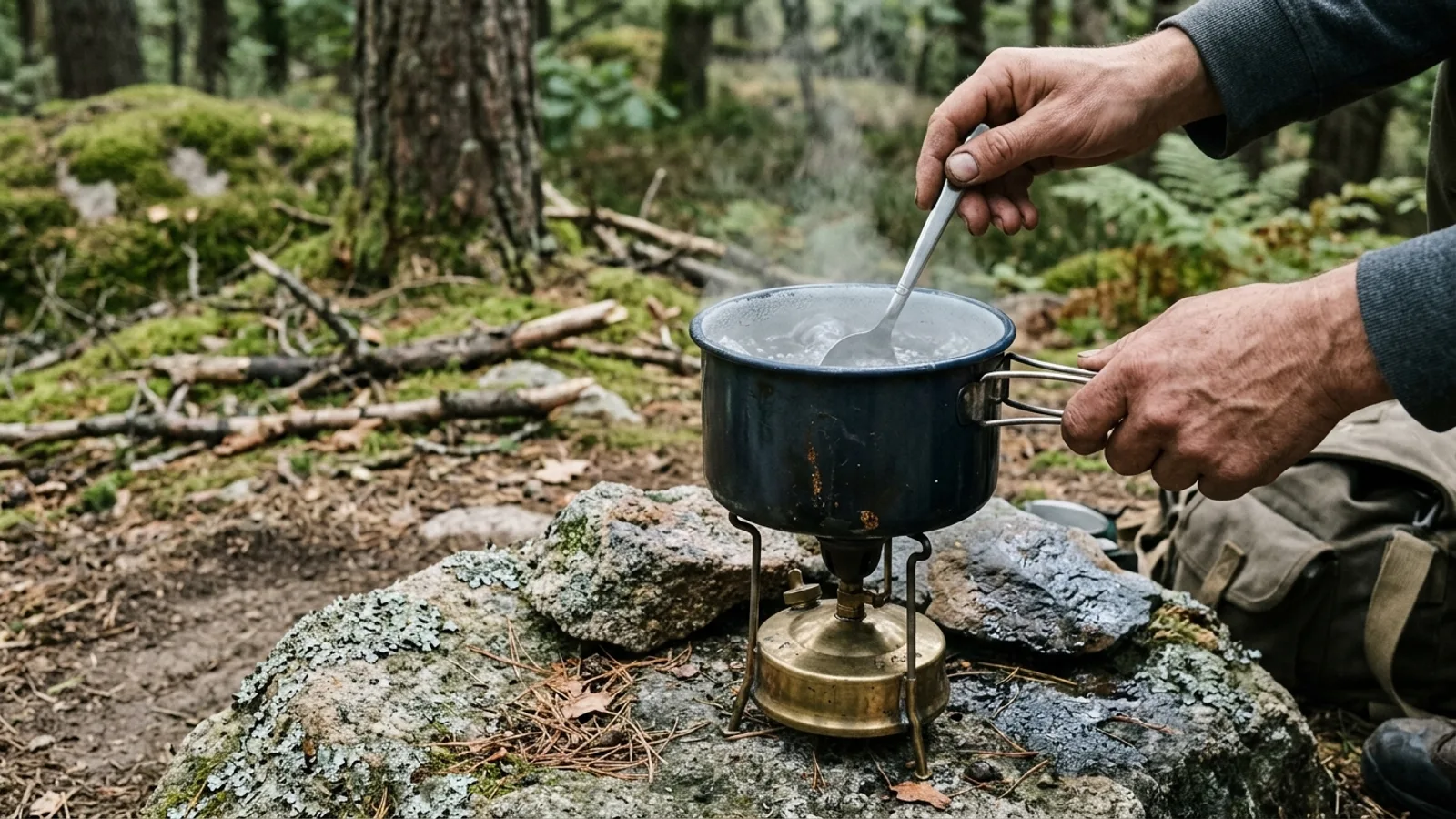
Liquid fuel stoves burn fuel from a refillable bottle and require priming (a brief warm-up burn) before they reach full power. They tend to perform more consistently in cold weather and at altitude, and the fuel bottle can be refilled almost anywhere, which appeals to people on longer trips or expeditions.
Wood-Burning Stoves
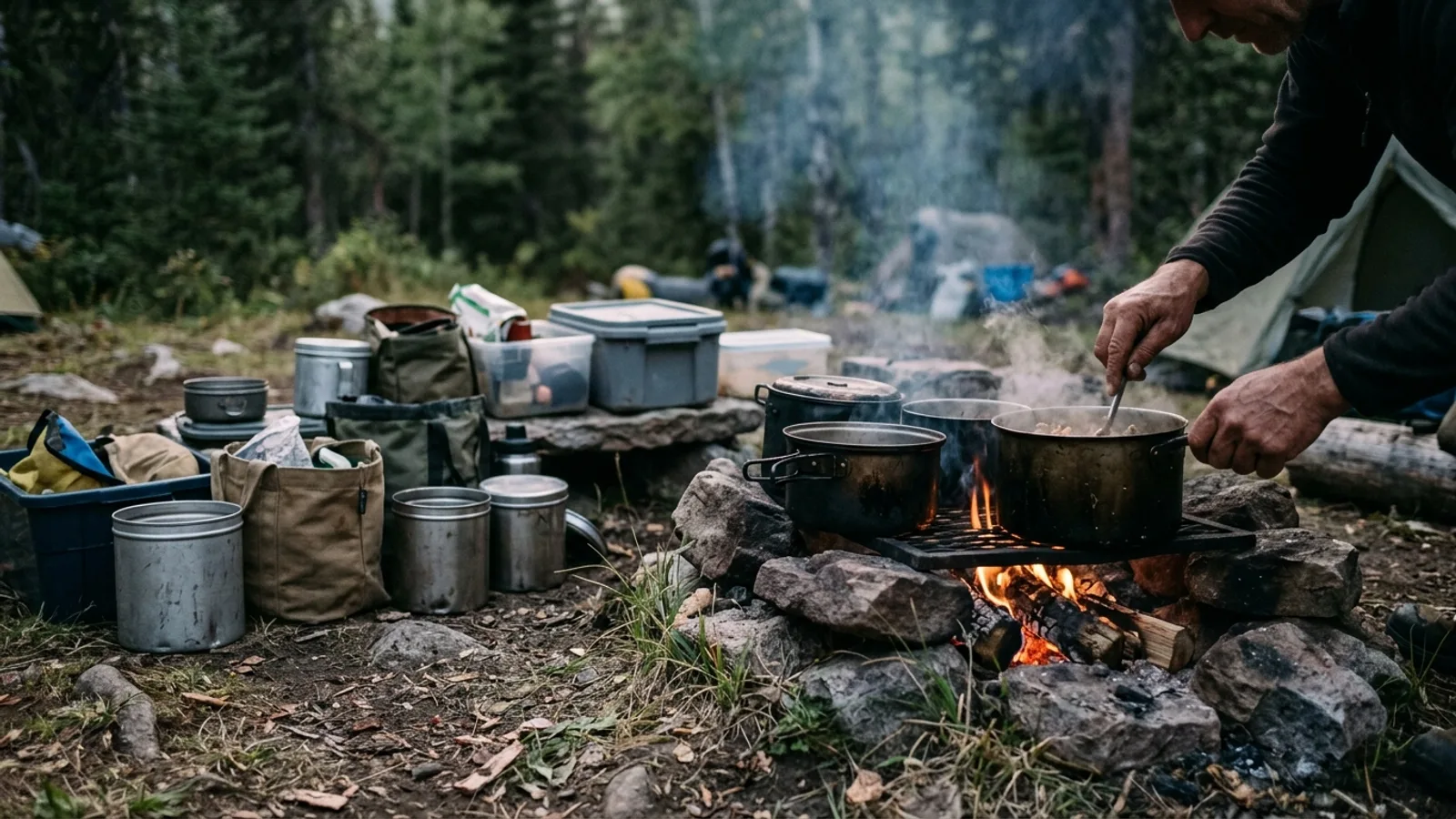
Wood-burning stoves use sticks, twigs, or bark gathered on site, so you don't have to carry fuel at all. They're a good match for slower, low-impact trips, but they depend on finding dry fuel, and their use may be restricted during dry conditions or in areas with fire bans. Always check current fire restrictions for wherever you're headed before relying on one.
Multi-Fuel Stoves
Multi-fuel stoves are built to run on more than one type of liquid fuel, which is useful for international travel or remote areas where a specific fuel canister might not be sold locally. They add flexibility at the cost of extra weight and a slightly more involved setup.
Choosing a Fuel
Fuel choice is tied closely to stove type, but a few general patterns hold up:
- Canister fuels (propane/butane blends): Convenient and clean-burning, but performance drops in cold weather. Keeping a canister warm (inside a jacket or sleeping bag before use) can help in cold conditions.
- White gas: Burns hot and performs reliably across a wide temperature range, but requires priming and careful handling since it's a liquid fuel.
- Kerosene: Common in many parts of the world and generally reliable in cold weather, though it tends to burn dirtier and has a stronger smell than white gas.
- Wood: Free and renewable where allowed, but weather-dependent and slower to get going, especially with damp wood.
Whatever fuel you choose, only use it in a stove designed for it. Substituting fuels can affect performance and safety.
Essential Safety Precautions
- Read the instructions first. Every stove has quirks in assembly, priming, or ignition that are worth knowing before you're hungry and losing daylight.
- Use in open air. Never run a stove inside a closed tent, vehicle, or other enclosed space. Combustion consumes oxygen and produces carbon monoxide, which is odorless and dangerous.
- Clear the area. Keep dry grass, leaves, tent fabric, and other flammable material well away from the flame.
- Set up on stable, level ground. A tipped stove can spill fuel or hot food and start a fire.
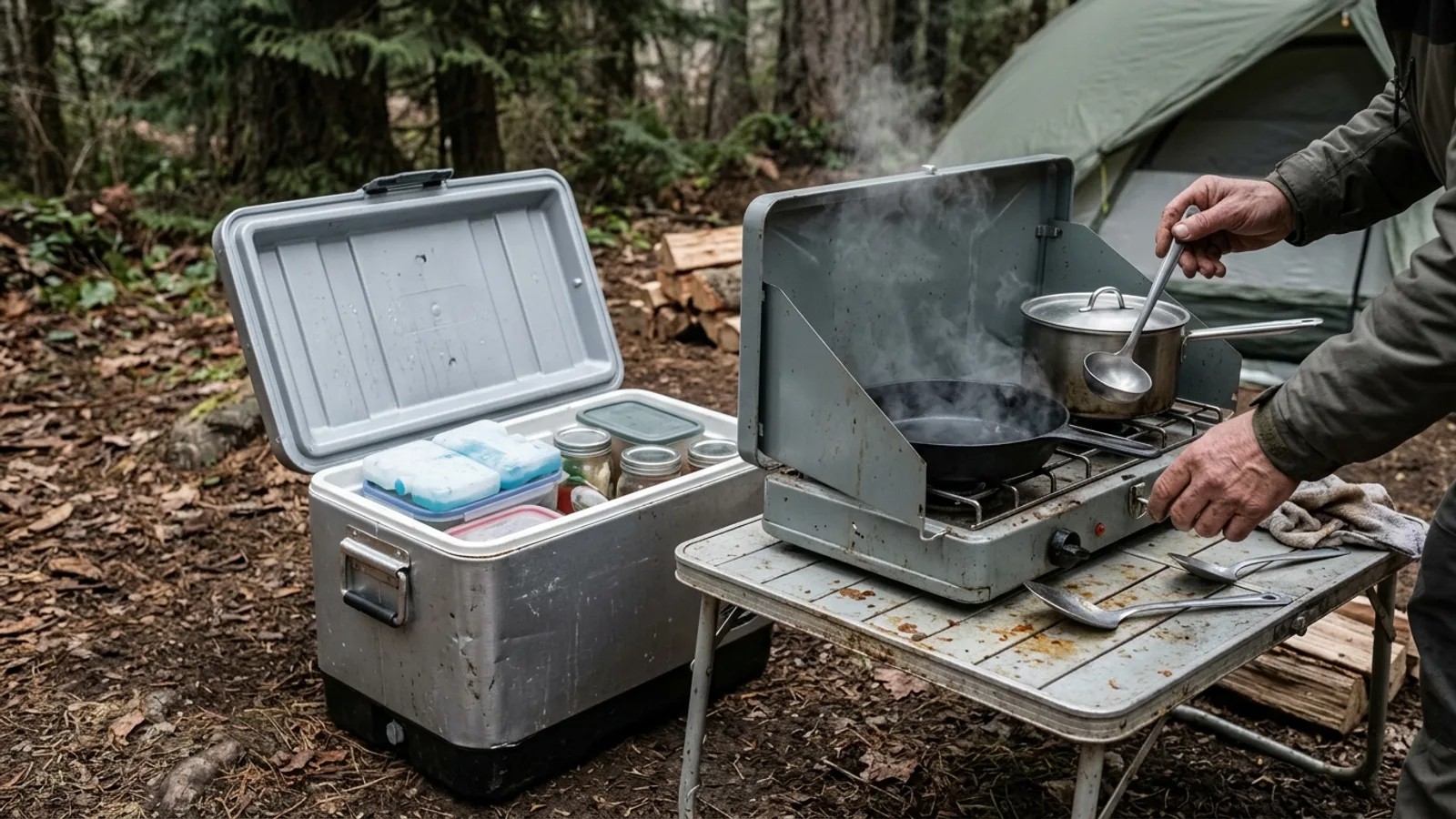
- Shield it from wind. Wind can blow out a flame or push it toward something flammable. A windscreen designed for your stove helps maintain a steady burn.
- Never leave it unattended. Stay within sight and reach the entire time it's lit.
- Handle fuel carefully. Refuel only when the stove is cool and away from any open flame, and store fuel containers upright, away from heat sources.
- Let it cool before packing up. Give the stove time to cool fully before you stow it in a pack or vehicle.
- Know your surroundings. In dry regions or during fire restrictions, some or all types of stoves may be prohibited. Check local rules before you go.
Setting Up and Lighting Your Stove
Setup varies by stove type, but the general sequence is consistent:
- Pick a flat, stable spot away from flammable material and, ideally, sheltered from wind.
- Assemble the stove according to its instructions, making sure all connections are seated properly.
- Attach the fuel source — canister, bottle, or hose connection — and check for leaks before lighting. A simple check with soapy water on the connection will reveal leaks as bubbles.
- Follow the stove's specific ignition method, keeping your body and face clear of the burner as it catches.
- Once lit, confirm the flame is steady. A mostly blue flame usually indicates efficient, complete combustion; a large yellow or sputtering flame can mean a problem with fuel flow or a dirty burner.
Cooking Outdoors
A few habits make outdoor cooking easier and safer:
- Bring cookware sized to your stove's output — very large pots can overwhelm a small backpacking stove and cook unevenly.
- Keep a lid on when possible; it speeds boiling and cuts fuel use.
- Simmer by adjusting the valve gradually rather than repeatedly turning the flame on and off.
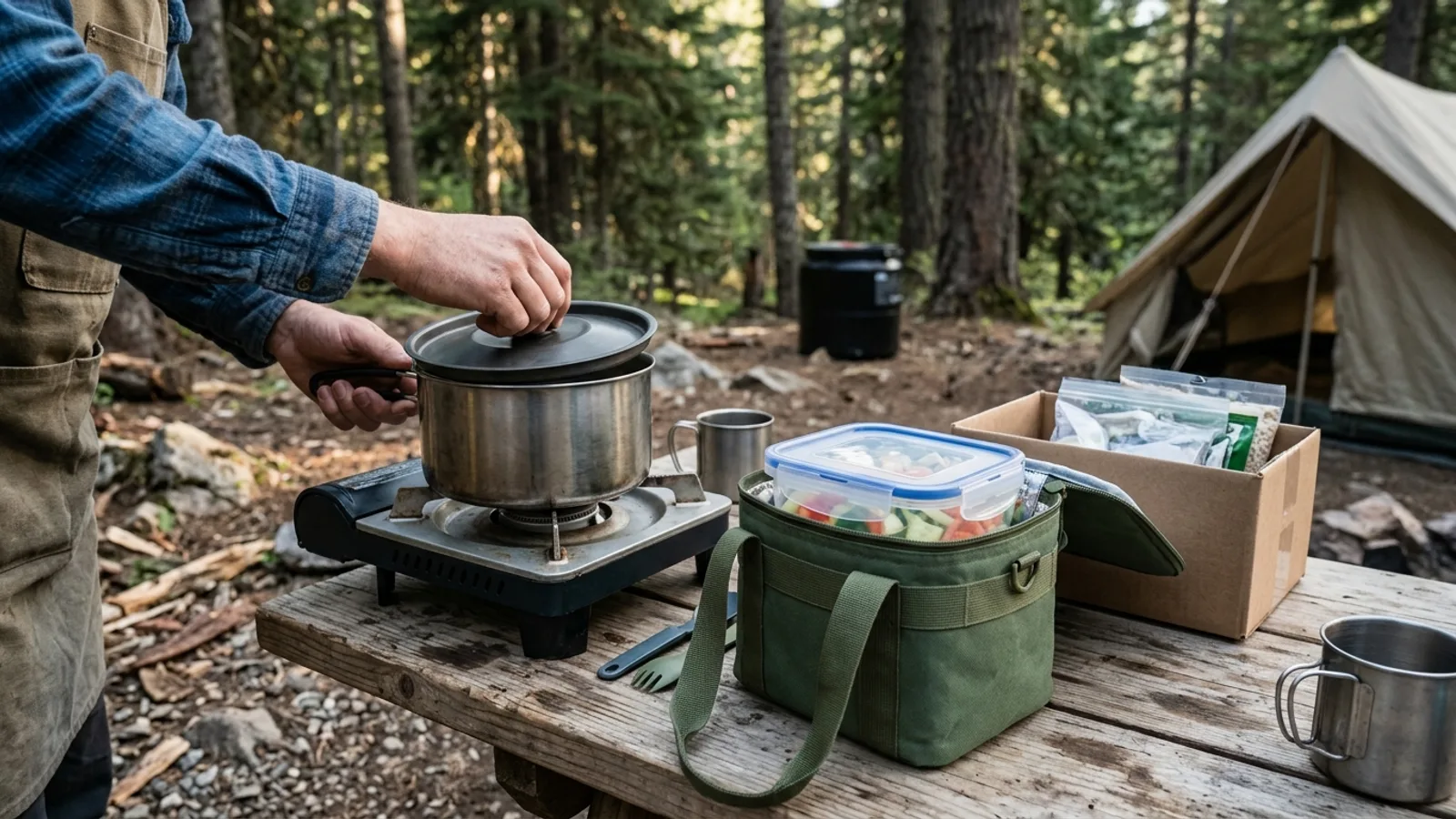
- Cook simple, one-pot meals when fuel or time is limited — grains, dehydrated vegetables, and pre-portioned ingredients simplify cleanup as well as cooking.
- Pack out food scraps and wash water away from natural water sources to avoid attracting wildlife and to protect the surrounding environment.
Cleaning and Storing Your Stove
After each trip, wipe down the burner and any spilled food residue once the stove has fully cooled. For liquid fuel stoves, periodically check and clean the fuel line and jet according to the manufacturer's maintenance guidance, since residue buildup is the most common cause of a weak or sputtering flame.
Store the stove dry, with any fuel disconnected and stored separately in a well-ventilated space away from living areas. Check seals, hoses, and connections for wear before each new season of use, and replace any parts that look cracked, brittle, or corroded.
Bringing It Together
The best camping stove is the one that matches your trip: pack weight and simplicity for a canister stove, cold-weather reliability for a liquid fuel stove, self-sufficiency for wood, and flexibility for multi-fuel setups. Whichever you choose, the fundamentals of safety and maintenance stay the same — good ventilation, a stable and clear setup area, careful fuel handling, and a stove that's kept clean and checked before it's needed most.