How to Boil Water While Camping: Methods, Times, and Trade-offs
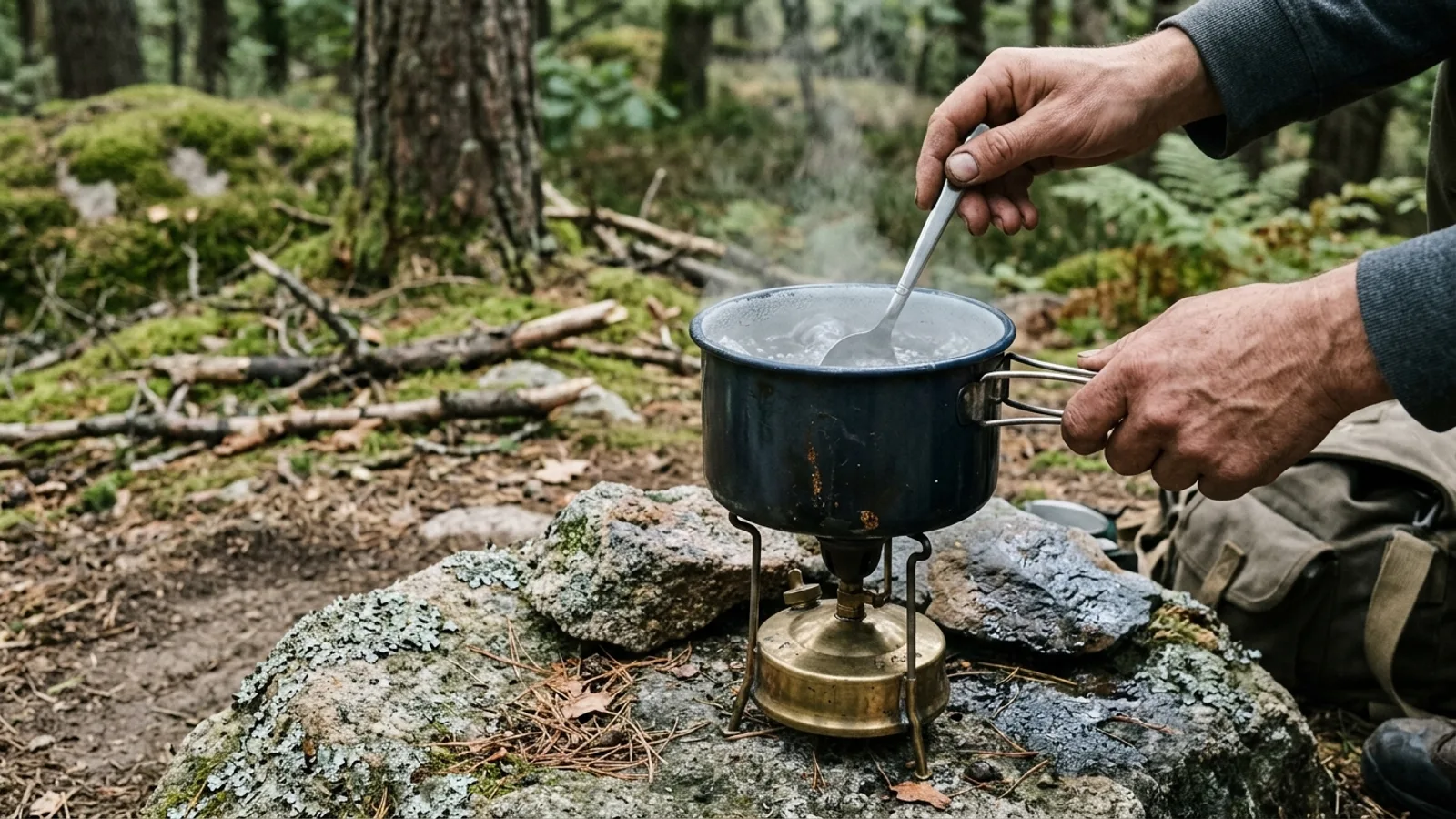
Boiling water at camp serves three purposes: making it safe to drink, cooking food, and hot drinks. Which method makes sense depends on how you're camping — car camping with a cooler and gear box, or backpacking where every ounce matters.
Campfire and Kettle
A kettle set directly in or over hot coals is the oldest method and still one of the most dependable, since it needs no fuel canisters or batteries — just wood and fire.
Boiling time varies widely with fire size and how close the kettle sits to the heat, generally taking several minutes once the fire has a solid bed of coals. A kettle with a narrow spout is easier to pour safely into cups or a coffee filter without splashing.
Stability matters more than speed here. Use a grate, tripod, or flat rock base so the kettle can't tip. A wobbly kettle full of boiling water is one of the more common ways people get burned at a campsite. Let the fire burn down to steady coals rather than balancing a kettle over tall, shifting flames.
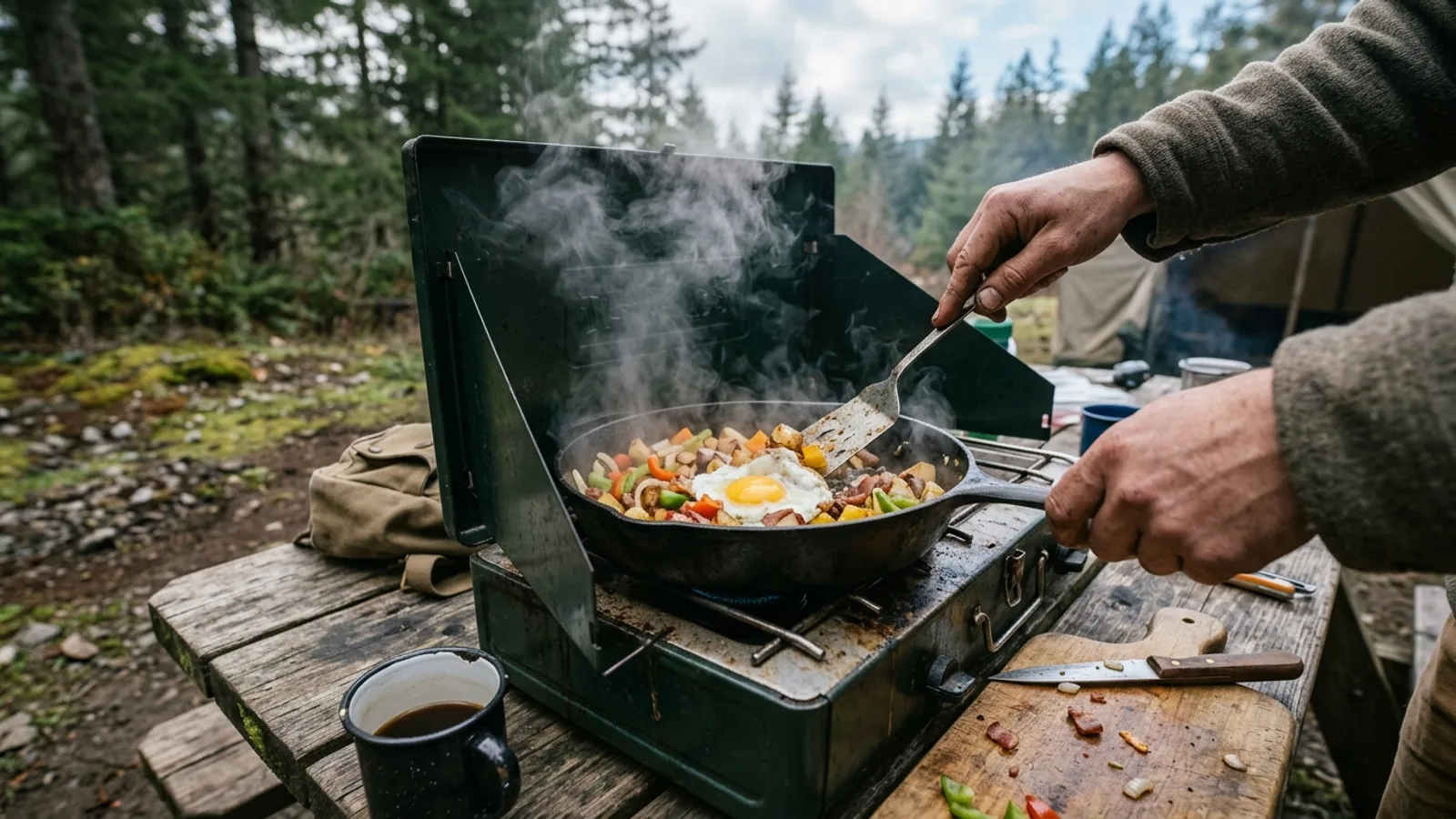
Canister and Liquid-Fuel Stoves
Compact backpacking stoves that pair a burner with an insulated, wind-resisting pot are built specifically for boiling water fast. Many can bring a small volume to a boil in roughly one to two minutes under good conditions, which makes them efficient for melting snow, rehydrating meals, or making multiple hot drinks in succession.
Their main advantages are speed, fuel efficiency, and wind resistance from an integrated design. The trade-off is that they depend on a fuel canister, which is finite, cold-sensitive, and needs to be packed out and replaced. Fuel canisters also perform poorly in freezing temperatures, so cold-weather campers should keep them warm before use.
These systems are popular for backpacking because they're lightweight and pack down small, but they're just as useful for car campers who want speed and don't want to tend a fire.
Kettles with a Built-In Fire Chamber
Some kettles have a hollow core running through the center where you build a small fire of twigs, bark, or other tinder. Because the flame is surrounded by water rather than sitting underneath it, heat transfer is very efficient, and these kettles can boil water quickly using minimal fuel gathered on-site.
They're popular for backpacking and bushcraft-style trips because they eliminate the need to carry stove fuel at all — you burn whatever dry, small fuel you can find. The trade-off is that they take some practice to light and feed properly, and they're not ideal for areas with fire restrictions since they still involve an open flame.
A Plain Pot
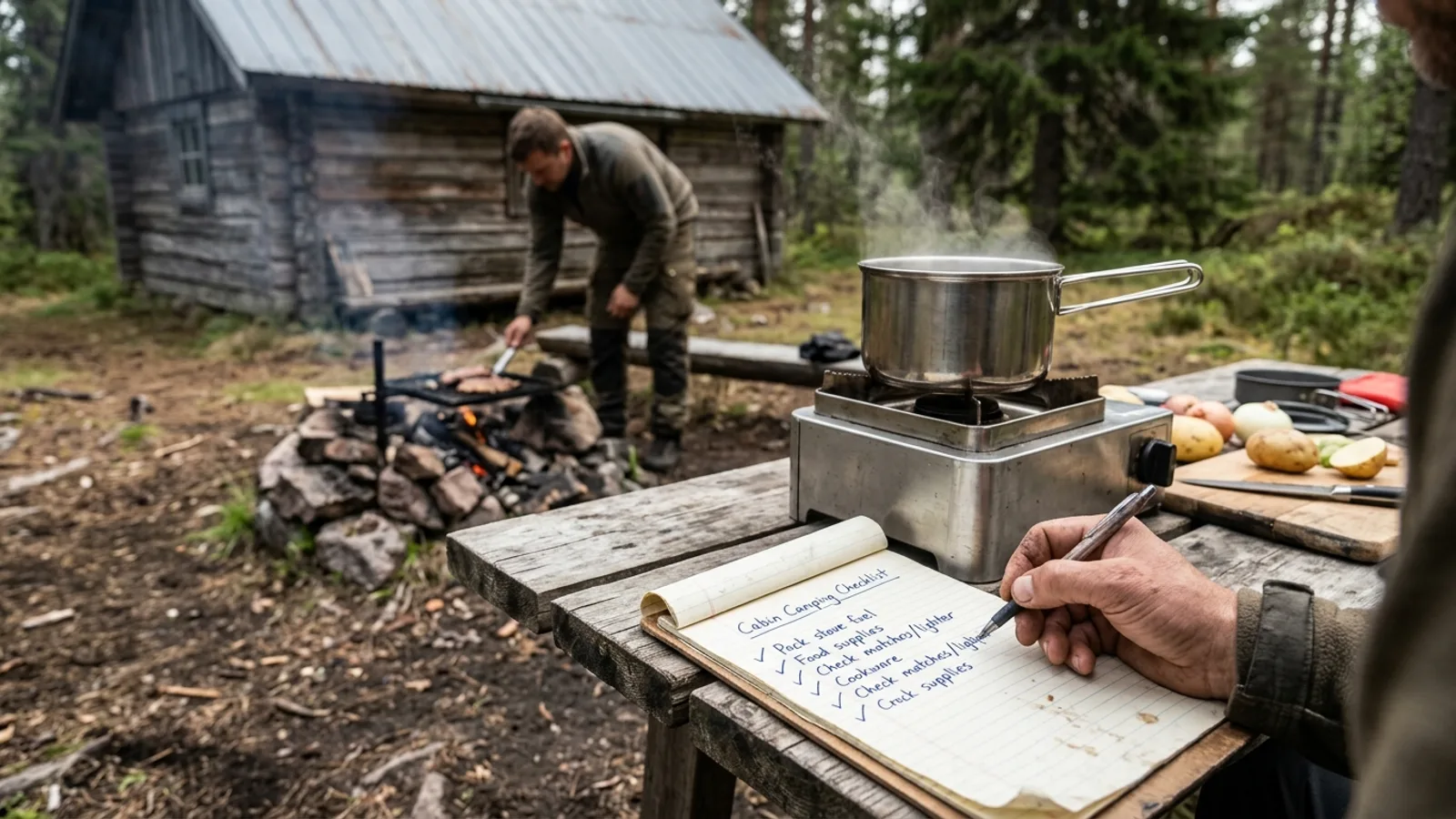
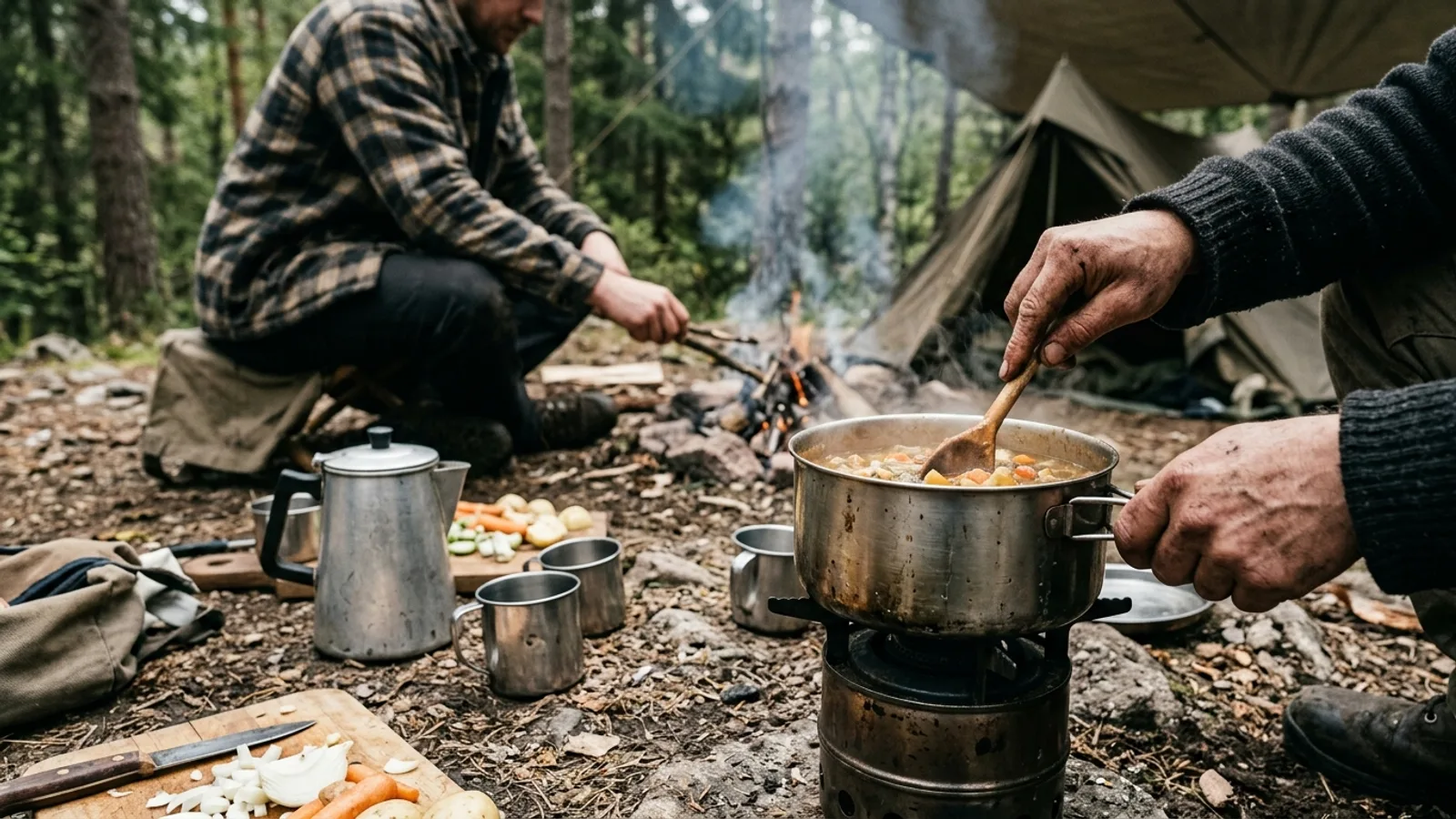
A basic pot over a campfire or camp stove remains the simplest, lowest-maintenance option. It boils water more slowly than a dedicated stove system, generally taking longer for the same volume, but it works with whatever heat source you already have and needs no special equipment.
Look for a pot with a secure lid, a heat-resistant handle, and a pouring lip. A lid speeds up boiling by trapping heat and also keeps ash and debris out of the water when cooking over an open fire. Stainless steel is durable and easy to clean; a pot also doubles as a cooking vessel for meals, unlike single-purpose kettles.
Powering an Electric Kettle at Camp
Where shore power is available at a campsite, or when running off an inverter or power station, an electric kettle is fast and needs no flame at all — useful in fire-restricted areas or covered sites. Boiling times are comparable to a stove-top kettle, generally just a few minutes.
If running one off a vehicle's power system, keep an eye on battery drain. Small appliances like kettles pull meaningful current, and running the engine periodically helps recharge the battery if you're relying on it for other things too, like lights or a fridge. This approach only works where you have a vehicle or a charged power bank on-site — it's not an option for backcountry trips.
Choosing a Method
- Car camping, want simplicity: a pot over a fire or camp stove.
- Backpacking, want speed and low weight: a canister stove system.
- No stove fuel, want to forage: a fire-chamber kettle.
- Have shore power or a vehicle: an electric kettle.
Water Safety Basics
If you're boiling water to make it safe to drink rather than just to heat it, bring it to a full rolling boil and hold it there briefly — longer at higher elevations, where water boils at a lower temperature. Boiling kills the microorganisms that cause most waterborne illness; it does not remove chemical contaminants or sediment, so start with the clearest water source available and consider a filter for cloudy water.
Always set up any flame or stove on stable, level, non-flammable ground, away from tents and dry brush, and check local fire restrictions before building an open fire.