What Food to Pack for a Camping Trip: Breakfast, Lunch, Dinner, and Snacks
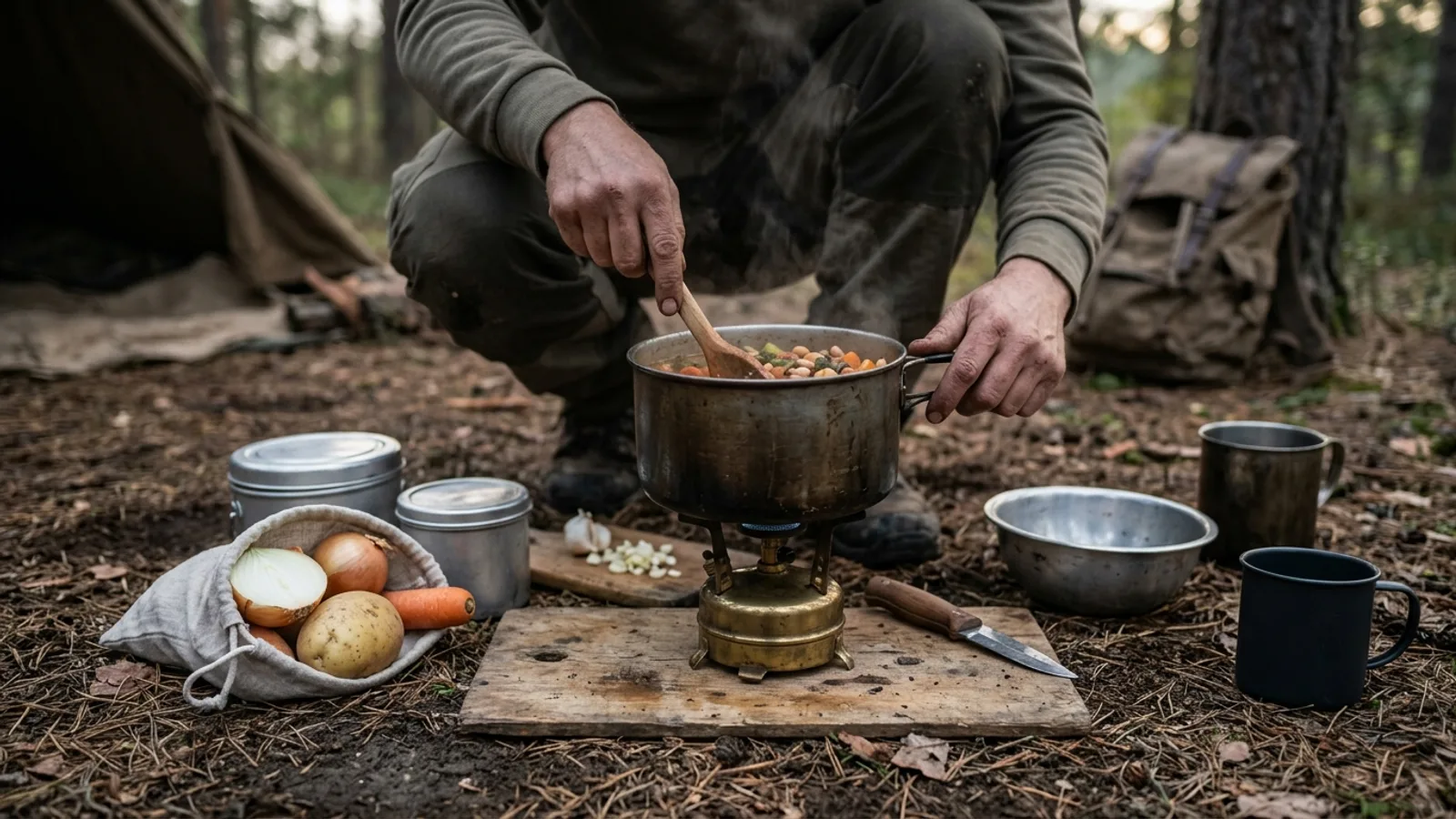
Good camping food planning comes down to three questions: how will you cook it, how will you keep it safe to eat, and how much prep can you tolerate at the end of a long day outside. Once you answer those, the actual menu is flexible.
Planning Your Camping Menu
Before shopping, decide how you'll actually cook. A single burner stove, a grill grate over a fire, or foil packets nestled in coals all call for different foods. Match your menu to your gear rather than the other way around.
Prep as much as you can before you leave. Chop vegetables, marinate meat, and portion dry ingredients into bags or containers at home. This cuts down on time, mess, and the number of knives and cutting boards you need at the site.
Plan meals in a rough order of perishability. Eat foods that need refrigeration earliest in the trip, and save shelf-stable items like rice, pasta, canned goods, and dried foods for later days.
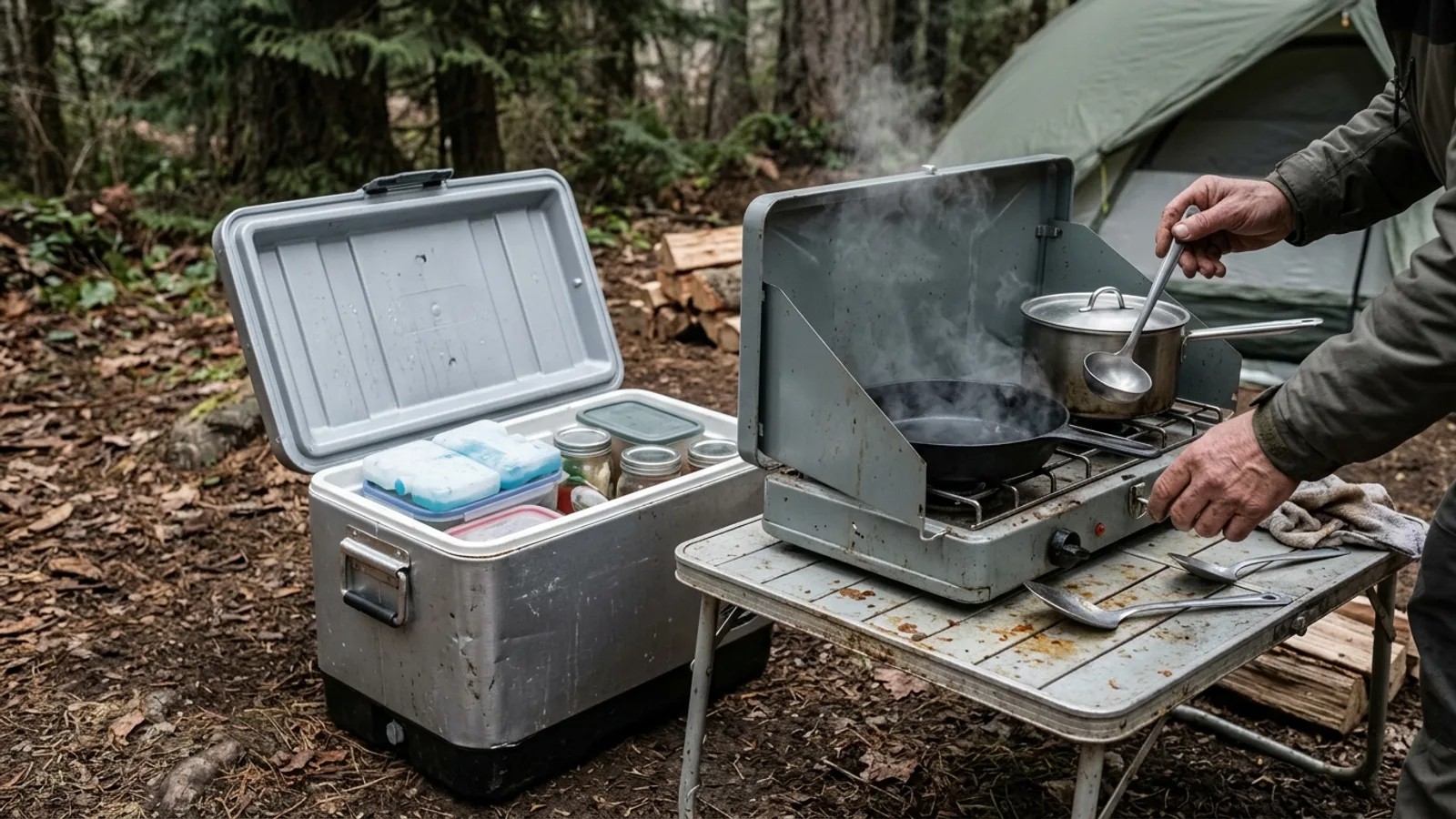
A cooler with good ice retention matters as much as the food itself. Pack it with ice on the bottom, dense items in the middle, and frequently used items on top so you're not digging through everything each time you open it. Keep raw meat sealed and separated from ready-to-eat food to avoid cross-contamination.
Breakfast Ideas
Mornings at camp go faster with food that needs little more than boiling water or a hot pan.
- Instant oatmeal: add nuts, dried fruit, or a spoonful of nut butter for extra calories and flavor.
- Pancake or biscuit mix: many just require water, making them simple to pack and prepare.
- Eggs: pre-crack and store them in a sealed container at home to save space and cleanup.
- Breakfast burritos or sandwiches: eggs, cheese, and a cooked protein wrapped in a tortilla or bun.
- Yogurt, granola, and fresh fruit: a no-cook option for the first morning before the cooler warms up.
- Bagels or bread with spreads: reliable, durable, and don't require cooking at all.
Lunch and Snack Ideas
Midday meals at camp are often eaten between activities, so they benefit from being quick to assemble and easy to eat without much cleanup.
- Sandwiches and wraps: bread or tortillas with deli meat, cheese, and vegetables that hold up well without refrigeration for a few hours.
- A grazing board: hard cheeses, cured meats, crackers, nuts, and dried fruit need no cooking and hold up well in a cooler.
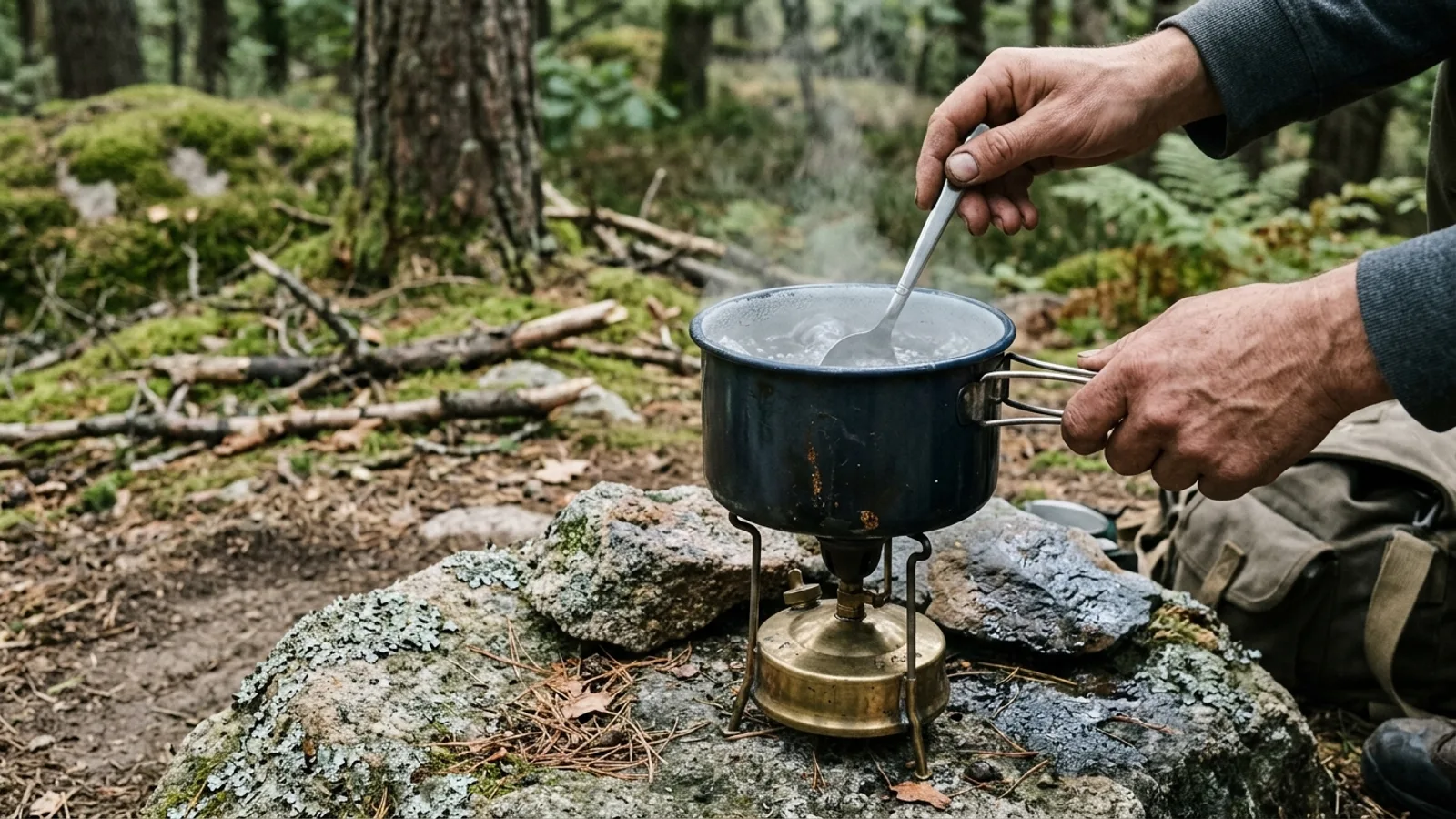
- Instant noodles or cup soups: just add boiling water for a fast, warm meal.
- Quesadillas: cheese and any cooked filling folded into a tortilla and warmed on a pan or grill.
- Prepared salads: grain, pasta, or bean salads made ahead travel well and don't require reheating.
For snacking between meals, trail mix, dried fruit, jerky, crackers, nut butter packets, and whole fruit travel well and don't need refrigeration.
Dinner Ideas
Dinner is usually the meal with the most time and attention, since it's often eaten after the day's activities are done.
- Foil packet meals: combine a protein, vegetables, and seasoning in a sealed foil packet and cook it directly in coals or on a grate. Cleanup is minimal since the foil is the cooking vessel.
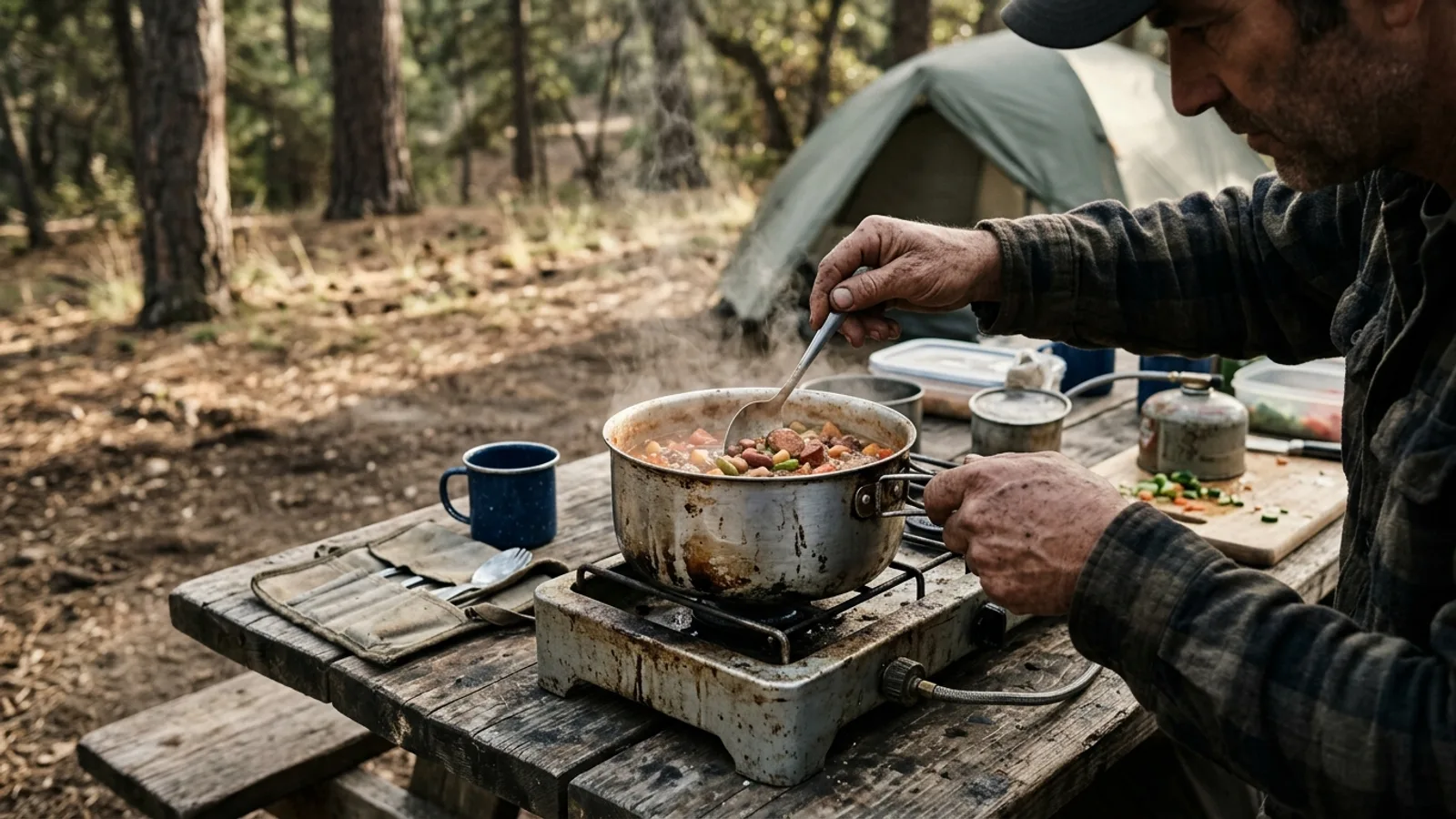
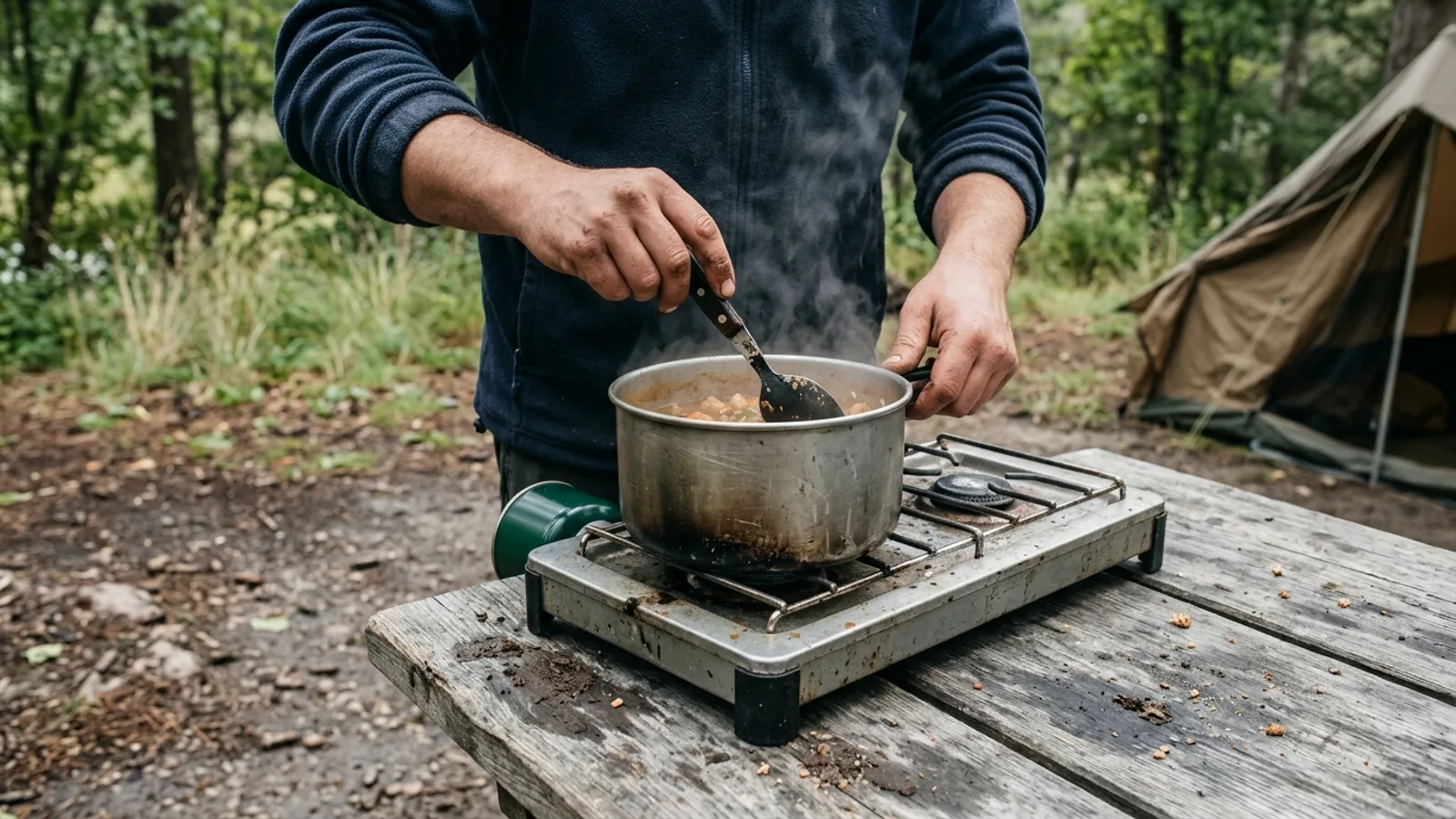
- One-pot meals: chili, pasta, stir-fries, and similar dishes that cook in a single pot reduce the number of dishes and the fuel needed.
- Soups and stews: especially welcome on cool evenings, and easy to make ahead and reheat.
- Tacos, fajitas, or burritos: grilled meat or vegetables with tortillas and toppings offer a lot of flexibility for different tastes in a group.
- Grilled classics: burgers, hot dogs, and sausages remain popular because they're simple, quick, and require little more than a grill grate.
Bringing a basic seasoning kit, salt, pepper, and one or two all-purpose spice blends, goes a long way toward making simple ingredients taste like a real meal.
Dessert and Drinks
S'mores remain a campfire standard, made by melting chocolate and toasting a marshmallow between graham crackers. A similar approach works with cookies or other crackers if you want variety.
Fruit cooked in a foil packet with a bit of sugar or a crumbled cookie topping makes a simple campfire dessert with very little prep.
Bring more water than you think you'll need, both for drinking and for cooking and cleanup. A large refillable container plus individual bottles for each person makes it easier to track how much everyone is drinking, which matters more during physical activity or in hot weather.
Food Storage and Safety
Keep raw meat cold and sealed until you're ready to cook it, and use a separate cutting surface for raw protein versus produce or bread.
In bear country, store all food, trash, and scented items in a hard-sided container, a bear canister, or hung well away from your sleeping area, following the specific guidance posted for that area. This protects both you and local wildlife.
Pack out all food waste, including fruit peels and eggshells, since these can attract animals and don't break down quickly in most environments.