Understanding the Real Costs of Camping
What Actually Drives the Cost of Camping
Camping can range from nearly free to genuinely expensive, and the difference usually comes down to a handful of variables: how much gear you need to buy versus already own, whether you're tent camping or traveling in a vehicle, how far you drive to get there, where you sleep each night, and how you handle meals. Understanding these categories separately makes it much easier to build a realistic budget than trying to estimate "camping" as one lump cost.
Gear: The One-Time (Mostly) Investment
For first-time campers, gear is often the biggest upfront expense. A basic setup includes a tent, a sleeping bag rated for the conditions you'll actually camp in, a sleeping pad, a way to cook, and a light source. Quality varies enormously, and higher prices usually buy less weight, more durability, and better performance in bad weather rather than dramatically more comfort in good conditions.
Beginners often overspend on items they don't need and underspend on the few that matter most, especially a sleeping system suited to nighttime temperatures. Renting or borrowing gear for a first trip is a reasonable way to figure out what you actually want before buying. Gear bought secondhand or at end-of-season sales can meaningfully lower this initial cost without sacrificing much in the way of function.
Because tents, bags, and pads can last many years with basic care, this expense amortizes over dozens of trips rather than recurring each time you camp.
Campsite and Reservation Fees
Developed campgrounds with amenities like flush toilets, showers, and electrical or water hookups cost more per night than primitive or "dispersed" sites with no facilities. National and state park campgrounds tend to sit in the middle of the pricing range, while private RV parks with full hookups and recreational amenities are usually the most expensive option.
Many public campgrounds allow or require advance reservations, and reserving ahead sometimes carries a separate booking fee on top of the nightly rate. Walk-up or first-come, first-served sites can avoid that fee but come with the risk of arriving to find nothing available, especially during weekends and holiday periods.
Backcountry or dispersed camping on public land is often free or low-cost, but it typically requires more self-sufficiency, may require a permit, and comes with a responsibility to follow Leave No Trace practices since there's no on-site staff or infrastructure.
Fuel and Travel Costs
If you're driving to a campsite, fuel is a real cost worth planning for, particularly for longer trips or if you're pulling a trailer or driving a larger vehicle. Fuel efficiency drops noticeably when towing or driving a heavier, less aerodynamic vehicle, so it's worth estimating mileage based on the vehicle you'll actually use rather than an average car.
Route planning affects this too. Combining errands, choosing a closer destination, or reducing unnecessary detours can meaningfully cut the amount you spend getting to and from a site.
Food and Cooking
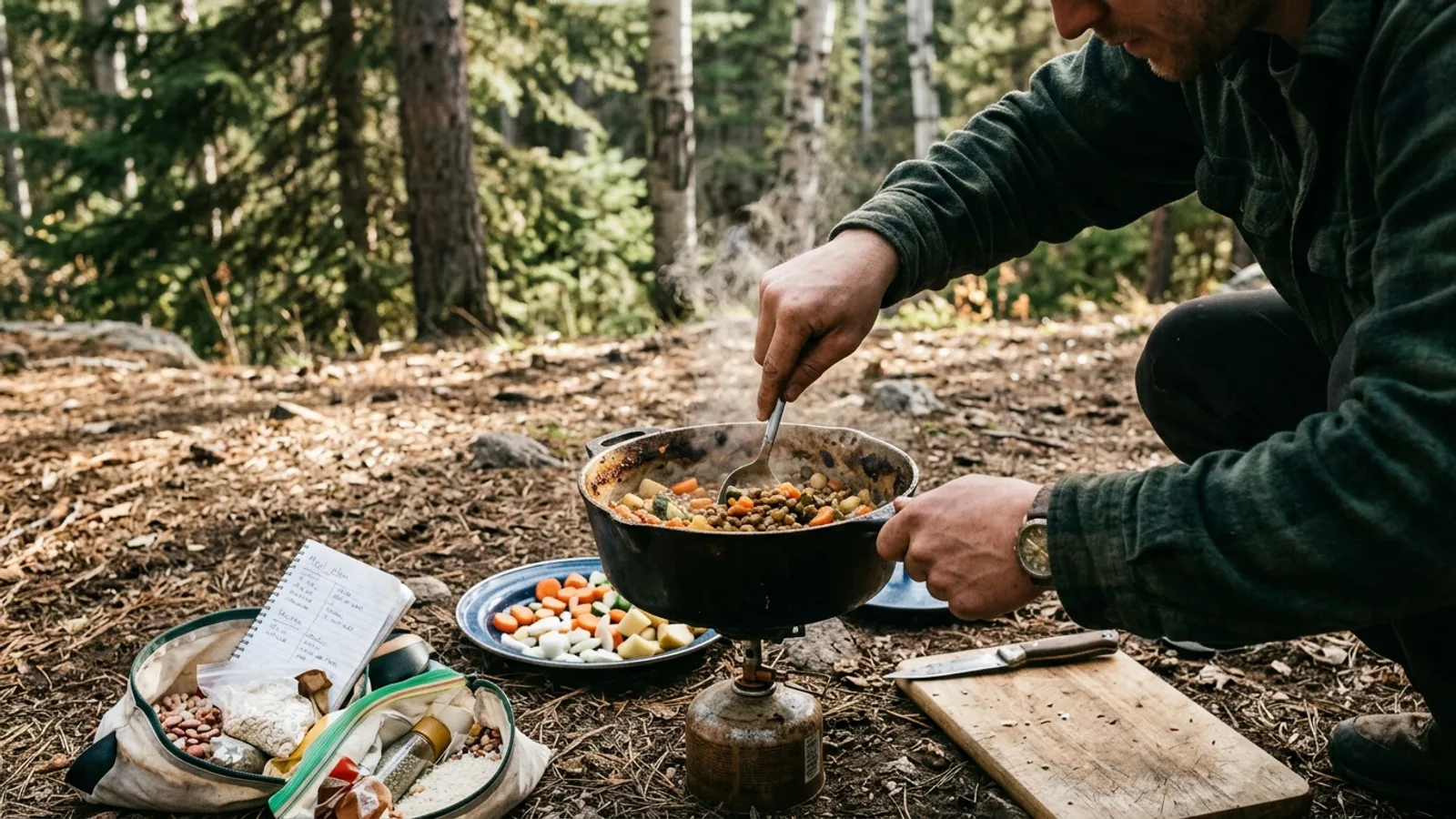
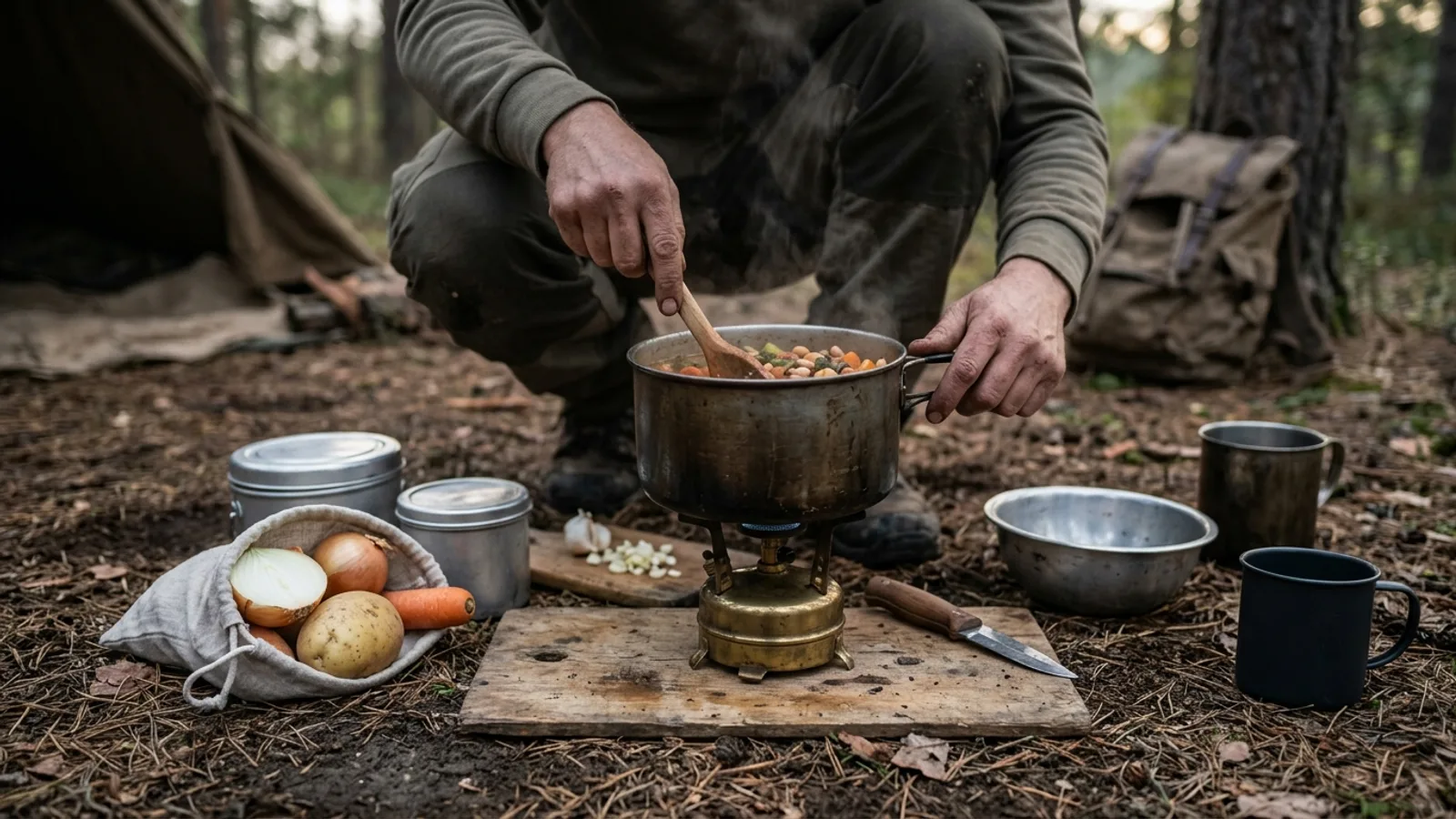
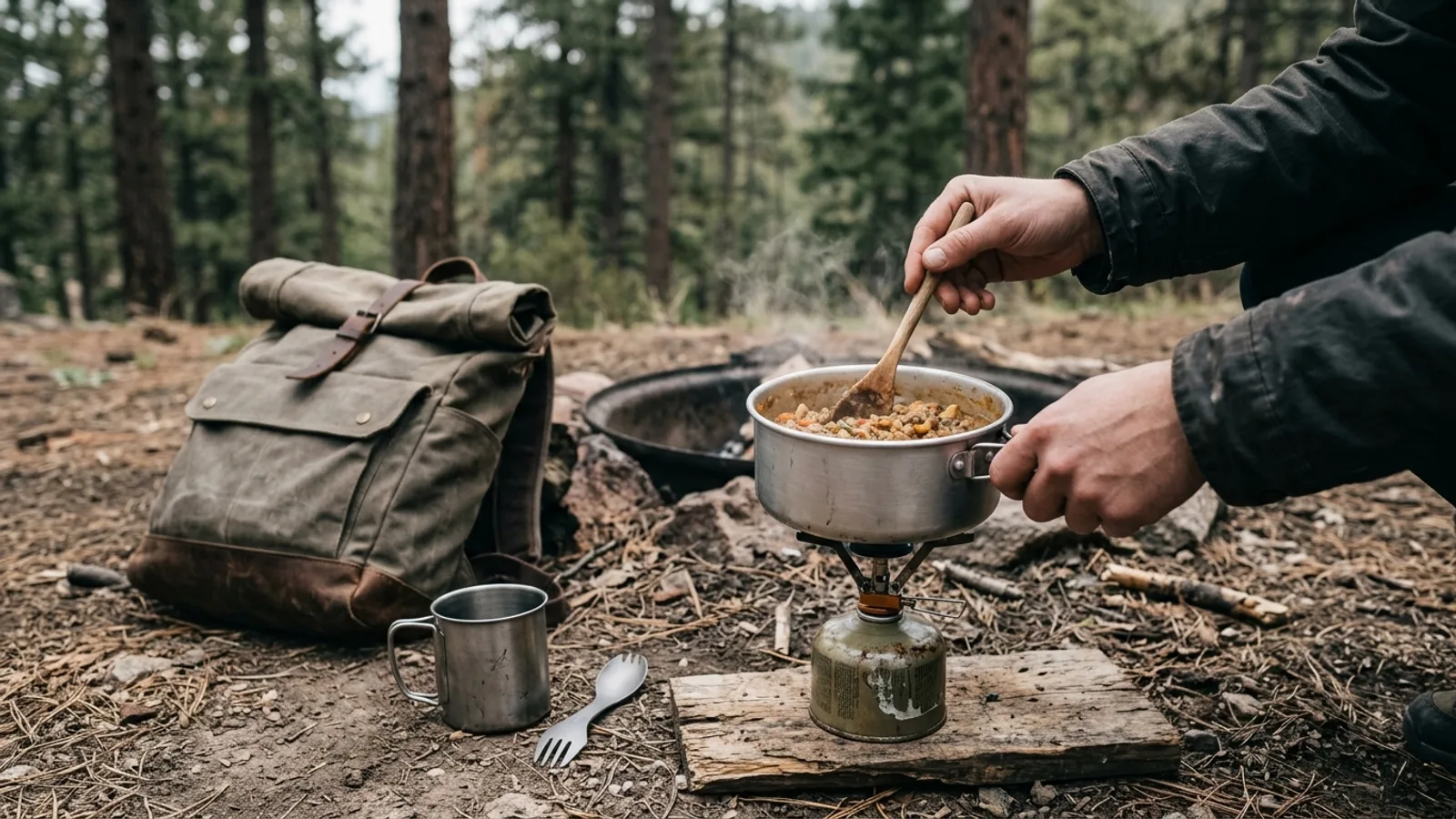
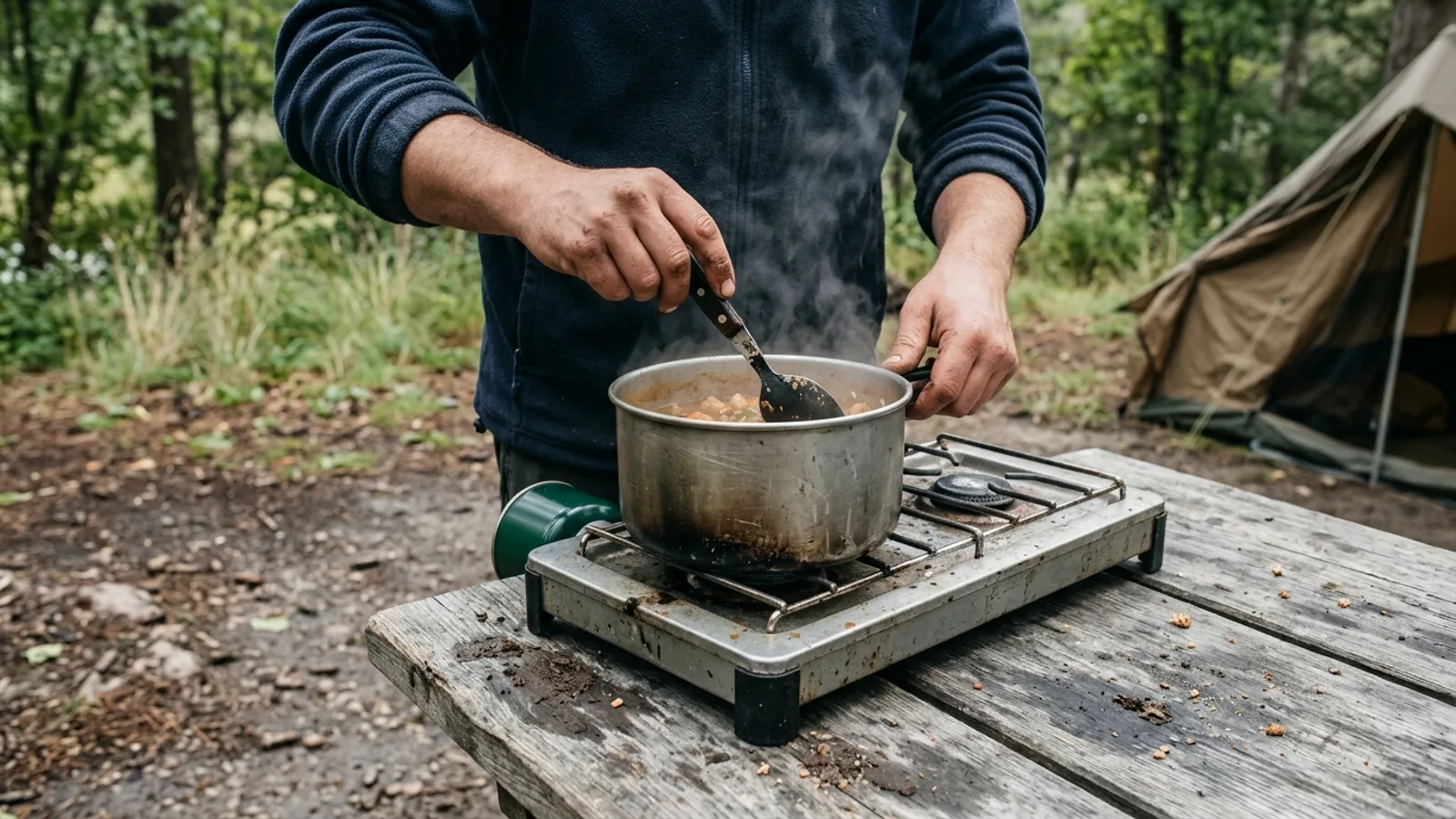
Meal costs while camping depend heavily on whether you cook simple meals from groceries or rely on pre-packaged camping food and eating out nearby. Cooking your own meals over a camp stove or fire is almost always the cheaper option, and meal planning ahead of time avoids both waste and the temptation to buy convenience food at inflated prices near a park entrance.
Bringing a cooler with ice or reusable ice packs extends how long perishable food stays safe and reduces how often you need to resupply, which matters most on longer trips.
Vehicle-Based and Van Camping
For those camping out of a van, truck bed, or converted vehicle rather than a tent, there are additional ongoing costs to factor in: vehicle insurance, registration, routine maintenance, and in some states, periodic emissions testing. These costs exist whether or not the vehicle is used for camping, but full-time or frequent travelers should budget for more wear and more frequent maintenance intervals than typical daily driving.
Insurance costs for a camper or converted van depend on the vehicle's value, how it's used, and where it's registered, so it's worth getting quotes from insurers that are familiar with recreational or full-time-use vehicles rather than assuming standard auto coverage applies the same way.
Free and Low-Cost Options Worth Knowing
Free or reduced-cost overnight options do exist, but finding them takes some research. Some publicly managed lands allow no-cost dispersed camping outside developed campgrounds. Certain retail parking lots and rest areas permit overnight stays for self-contained vehicles, though rules vary by location and change over time, so it's worth confirming current local policy before relying on this.
Many states and regions also offer annual or seasonal passes that reduce or eliminate day-use and entrance fees if you plan to visit the same park system multiple times in a year, which can lower the average per-trip cost significantly for frequent campers.
Building a Simple Camping Budget
A practical approach is to separate costs into two buckets: one-time gear purchases, and per-trip variable costs like fuel, campsite fees, and food. Once you own basic gear, the cost of any single trip mostly comes down to how far you're driving, how many nights you're staying, and what kind of campsite you choose.
Tracking a couple of trips this way — noting fuel spent, nightly fees paid, and groceries bought — gives a far more accurate personal budget than any general estimate, since costs vary widely by region, season, and camping style.