How Much Does Camping Really Cost? A Practical Budgeting Guide
What Drives the Cost of a Camping Trip
Camping can be one of the cheapest ways to take a vacation, or it can rival a hotel stay in cost, depending on choices you make along the way. The biggest variables are where you camp, how far you travel to get there, what you eat, and how much gear you already own versus need to buy. Breaking the trip into these pieces makes it much easier to build a budget that fits your situation.
Campground Fees
Campground costs generally scale with the amenities provided. A primitive or "dispersed" site with no water, electricity, or restrooms tends to be the cheapest option, sometimes free on public lands where dispersed camping is allowed. A developed campsite with a picnic table, fire ring, and access to restrooms or potable water costs more. Sites with electrical or water hookups, meant mainly for RVs, cost more still, and sites with full hookups or added services like showers and laundry sit at the higher end. Glamping setups — furnished tents, yurts, or cabins with real beds and sometimes private bathrooms — are priced closer to budget lodging than to traditional camping.
Fees are sometimes charged per vehicle, per tent, or per person, so a group trip can cost more than a couple traveling together even at the same site. Reservation systems for popular parks often add a booking fee on top of the nightly rate. Before you go, check whether the campground charges extra for additional vehicles, pets, or firewood, since these add-ons can change the total more than the base rate does.
Transportation
Getting to and from the campsite is usually the second-largest expense after lodging, and it's the easiest to control by choosing a destination closer to home. A short drive keeps fuel costs low and leaves more of the budget for gear or food. Longer road trips mean more fuel, more wear on the vehicle, and possibly a night in a hotel along the way if the drive spans more than a day.
To estimate fuel costs for a road trip, multiply the round-trip mileage by your vehicle's fuel consumption rate, then multiply by the current fuel price in your area. Add tolls if your route has any. If you're flying to a destination and then driving, factor in airfare, a rental car, and any fees for transporting gear like coolers or camp stoves that can't be checked easily.
Choosing Camping Close to Home
Sticking to a campground within a couple hours' drive cuts transportation costs dramatically and also reduces the risk of losing an entire vacation day to travel. It's a good strategy for a first trip with new gear, since you can turn back home easily if something is missing or broken. Many regions have reservable campgrounds within a short drive of major population centers, so it's worth exploring options nearby before planning a long-distance trip.
Food Costs
What you eat while camping has a big effect on the budget, and there are three broad approaches.
Bringing Your Own Food
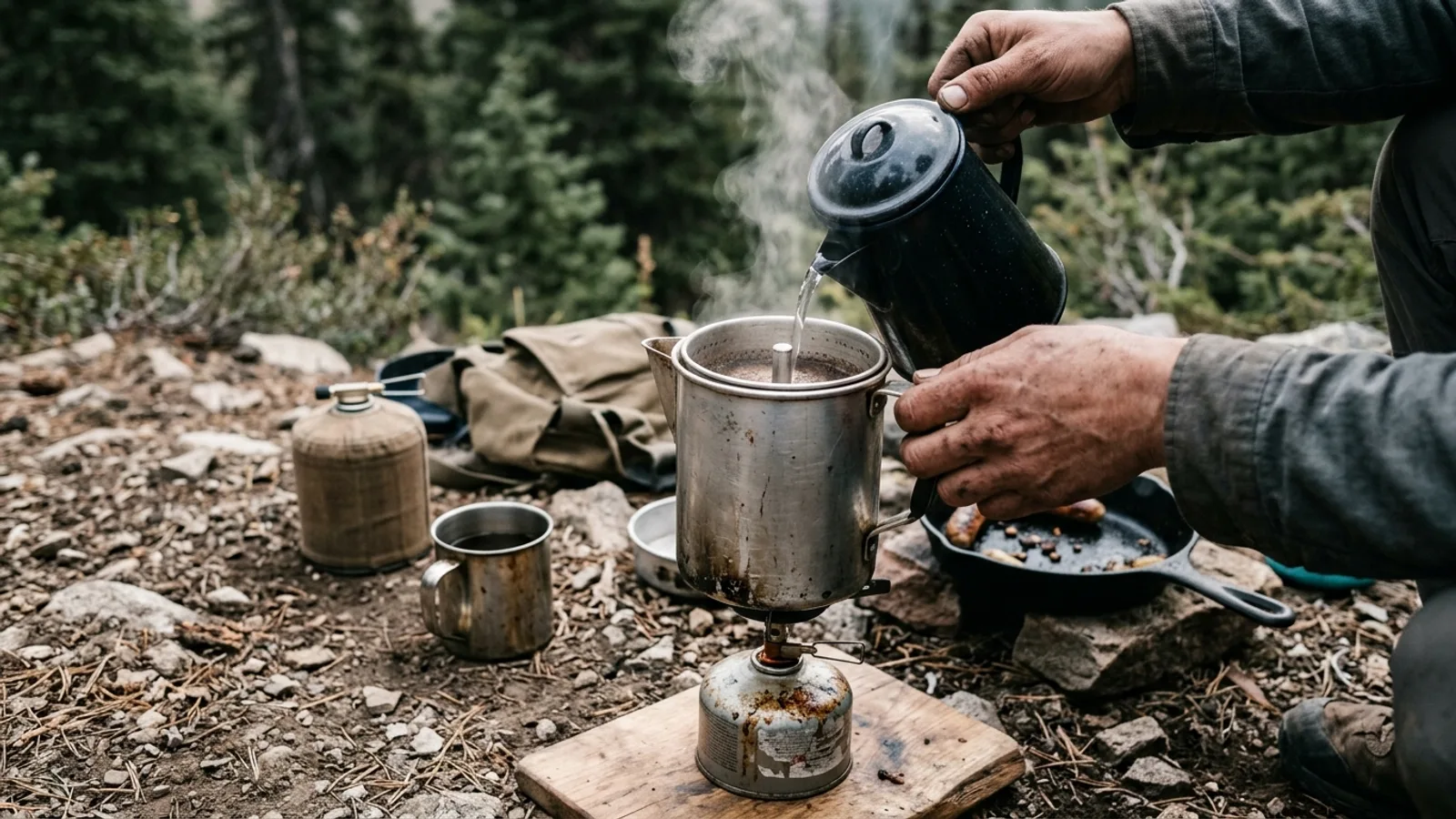
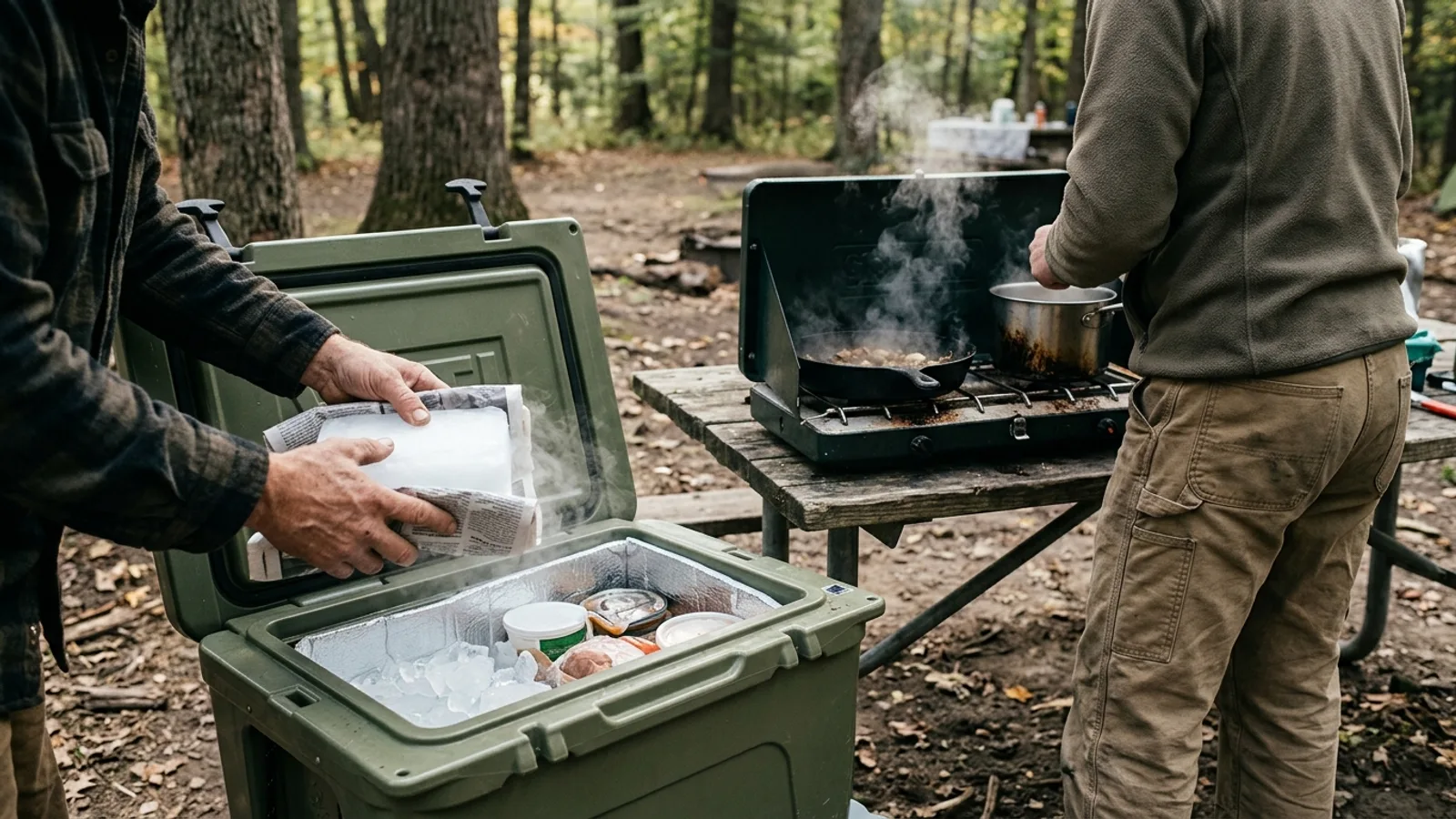
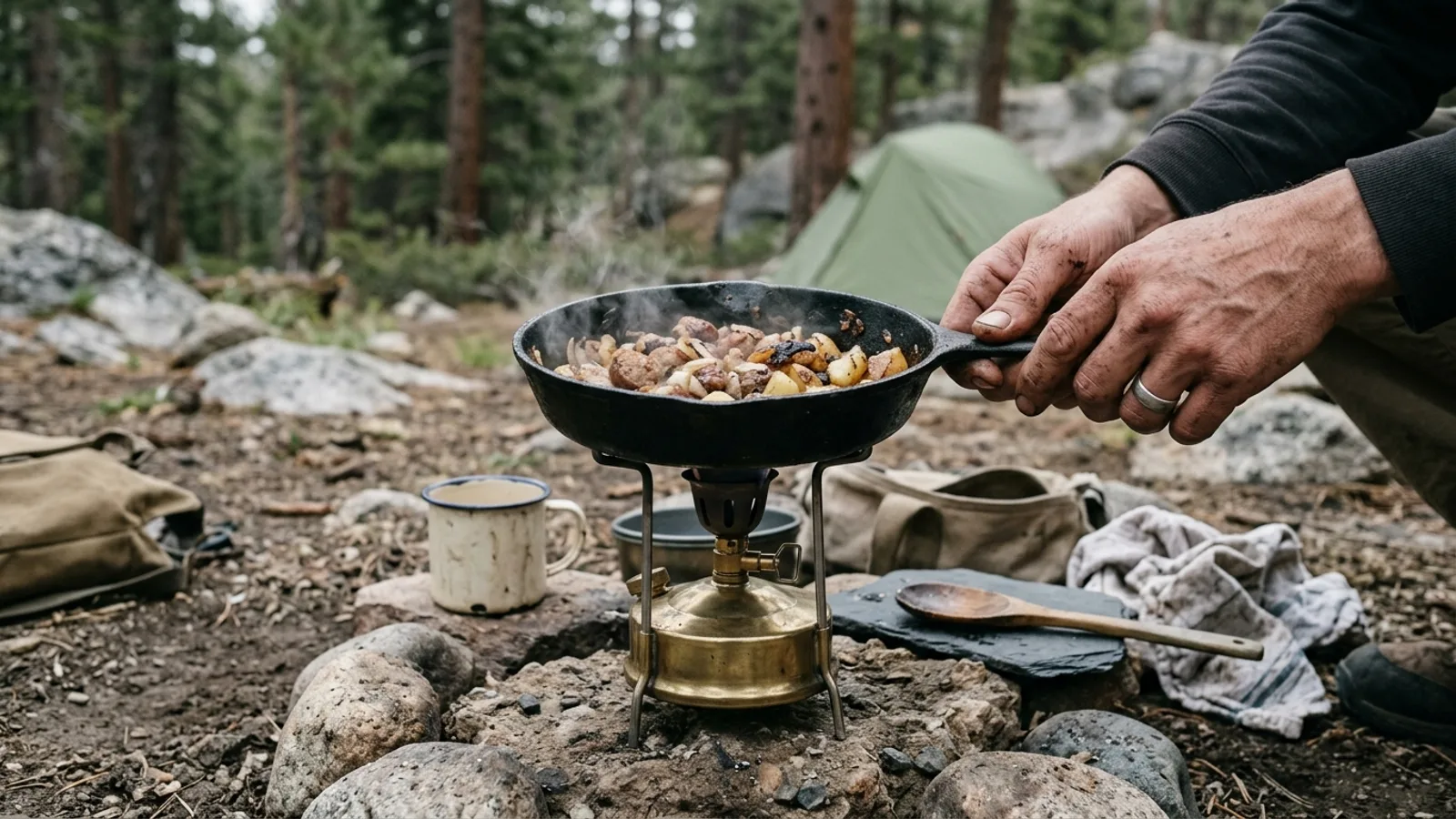
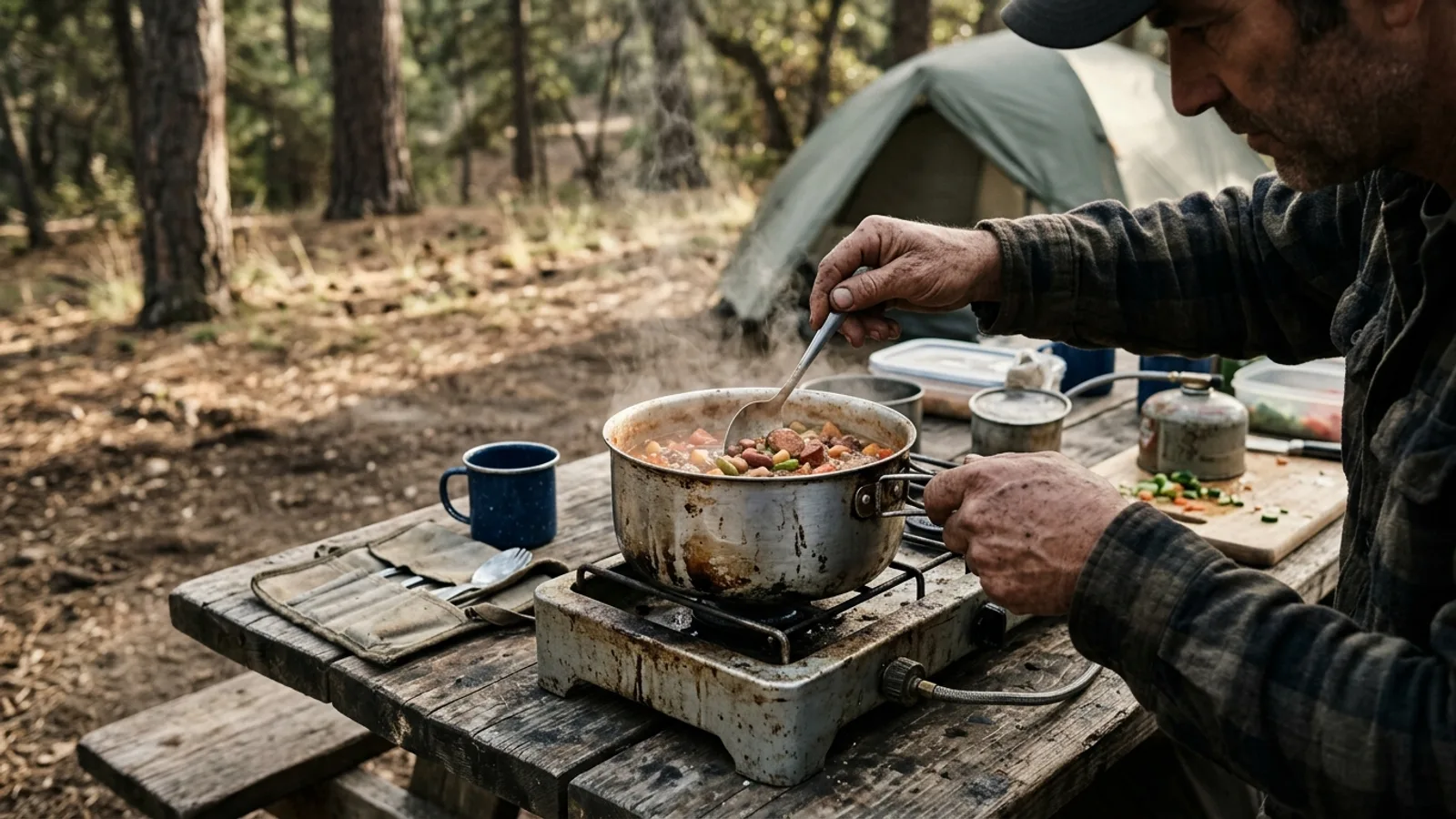
Packing groceries and cooking at the campsite is typically the most affordable option, often costing about the same as eating at home. Planning meals in advance, prepping ingredients before you leave, and choosing foods that don't require refrigeration cuts down on both cost and the number of cooler ice runs. Simple one-pot meals, foil packet dinners, and pre-portioned ingredients reduce both cost and cleanup.
Freeze-Dried and Dehydrated Meals
Lightweight freeze-dried meals cost more per serving than groceries but save weight and prep time, which matters most for backpacking trips where every ounce counts. They also cut down on cooking gear since most just require boiling water. For car camping, where weight isn't a concern, they're a convenience purchase rather than a necessity.
Eating Out or Buying Prepared Meals
Relying on restaurants or pre-made meals near a campground is the most expensive way to eat while camping and can rival or exceed typical daily food costs at home. It's a reasonable choice for short trips or as an occasional treat, but doing it for every meal on a multi-day trip adds up quickly.
Camping Gear Costs
Gear is usually a one-time cost that pays off over many trips, but the upfront price range is wide. A tent, sleeping bag, sleeping pad, headlamp, and basic cook set cover the essentials, and buying secondhand or borrowing from friends can bring this cost down substantially. Higher-end versions of the same gear list — built for durability, lighter weight, or extreme weather — cost significantly more but tend to last longer and perform better in rough conditions.
Comfort add-ons like camp chairs, a larger tent, a two-burner stove, or a portable table increase the total further. Glamping-style setups with furnished interiors, rugs, and real furniture push costs well beyond basic gear. A practical approach is to buy the essentials first, use them on a few trips, and then invest in upgrades once you know which comforts actually matter to you.
Building Your Own Camping Budget
Rather than relying on a single average daily figure, add up your own specifics: the campground's nightly rate times the number of nights, round-trip fuel or travel costs, a per-day food estimate based on how you plan to eat, and any gear you still need to buy or rent. This approach adapts to wherever you're headed and how you like to camp, and it holds up regardless of when you're reading it.