Pioneer Camping: A Practical Guide to Back-to-Basics Camping
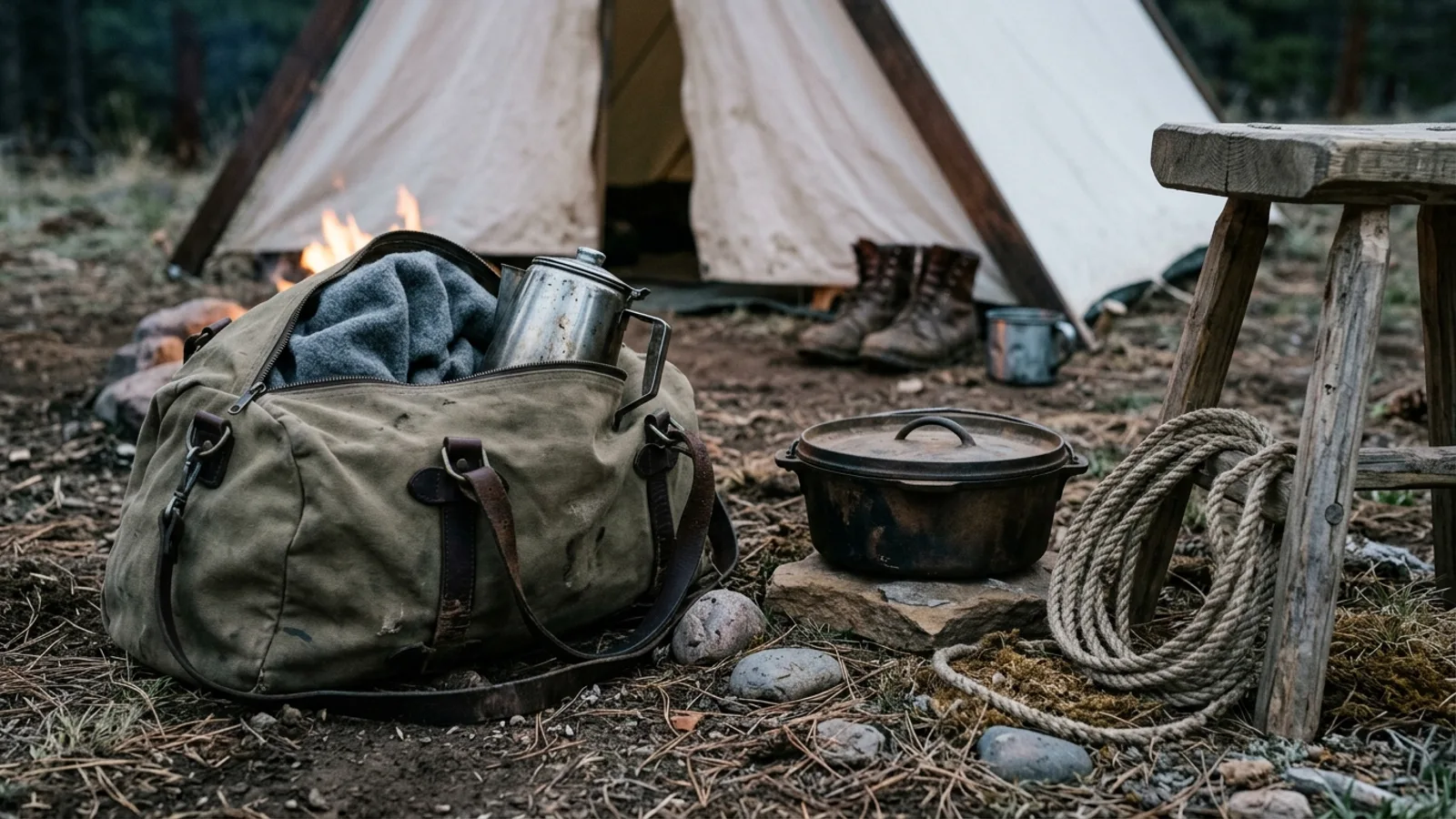
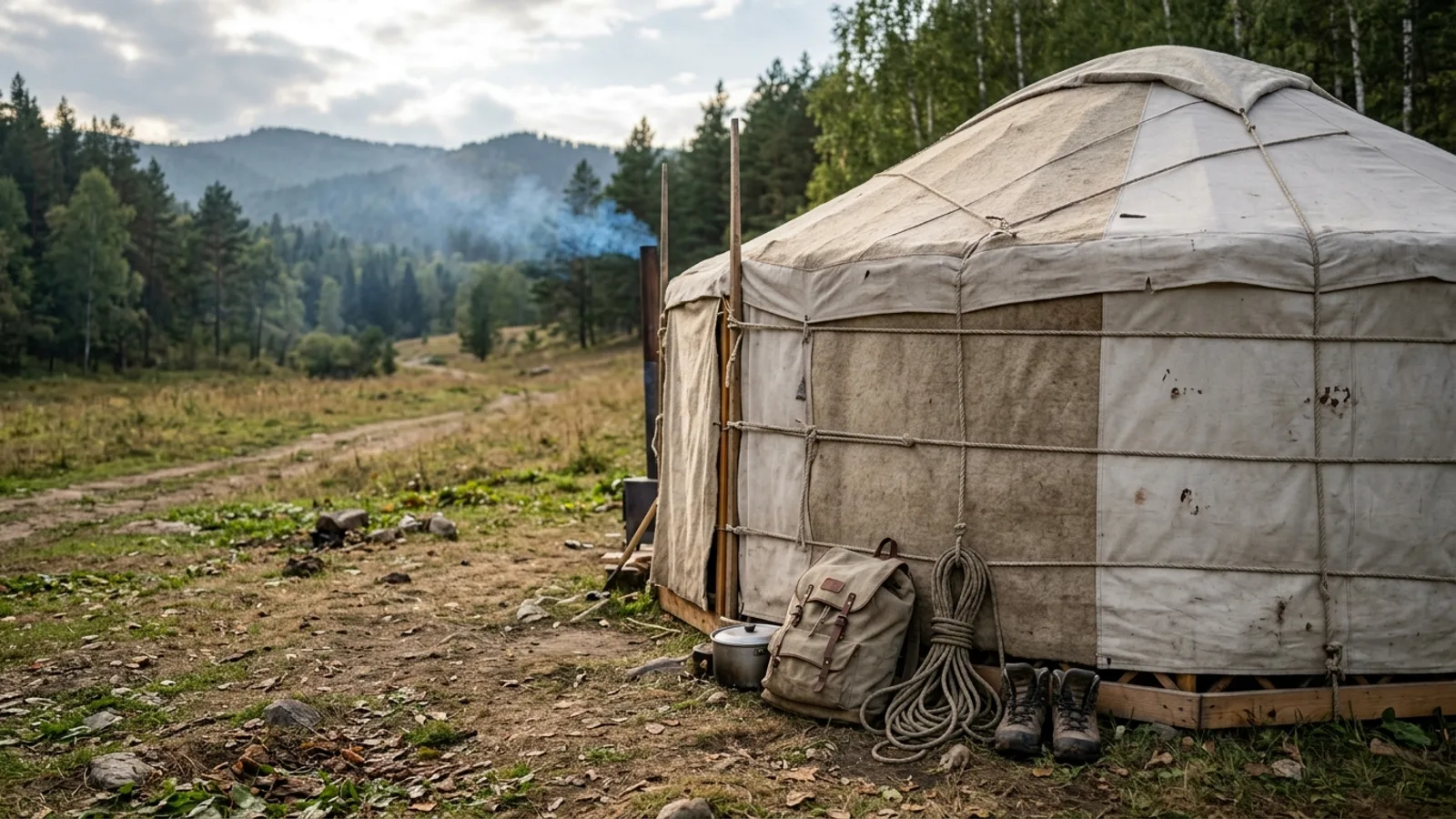
Pioneer camping means stripping away most modern conveniences and relying on simple tools, basic shelter, and your own skills to get through a night or a week outdoors. There's no single official definition, but the spirit is consistent: fewer gadgets, more direct contact with the landscape, and a slower pace built around fire, food, water, and shelter.
What Sets Pioneer Camping Apart
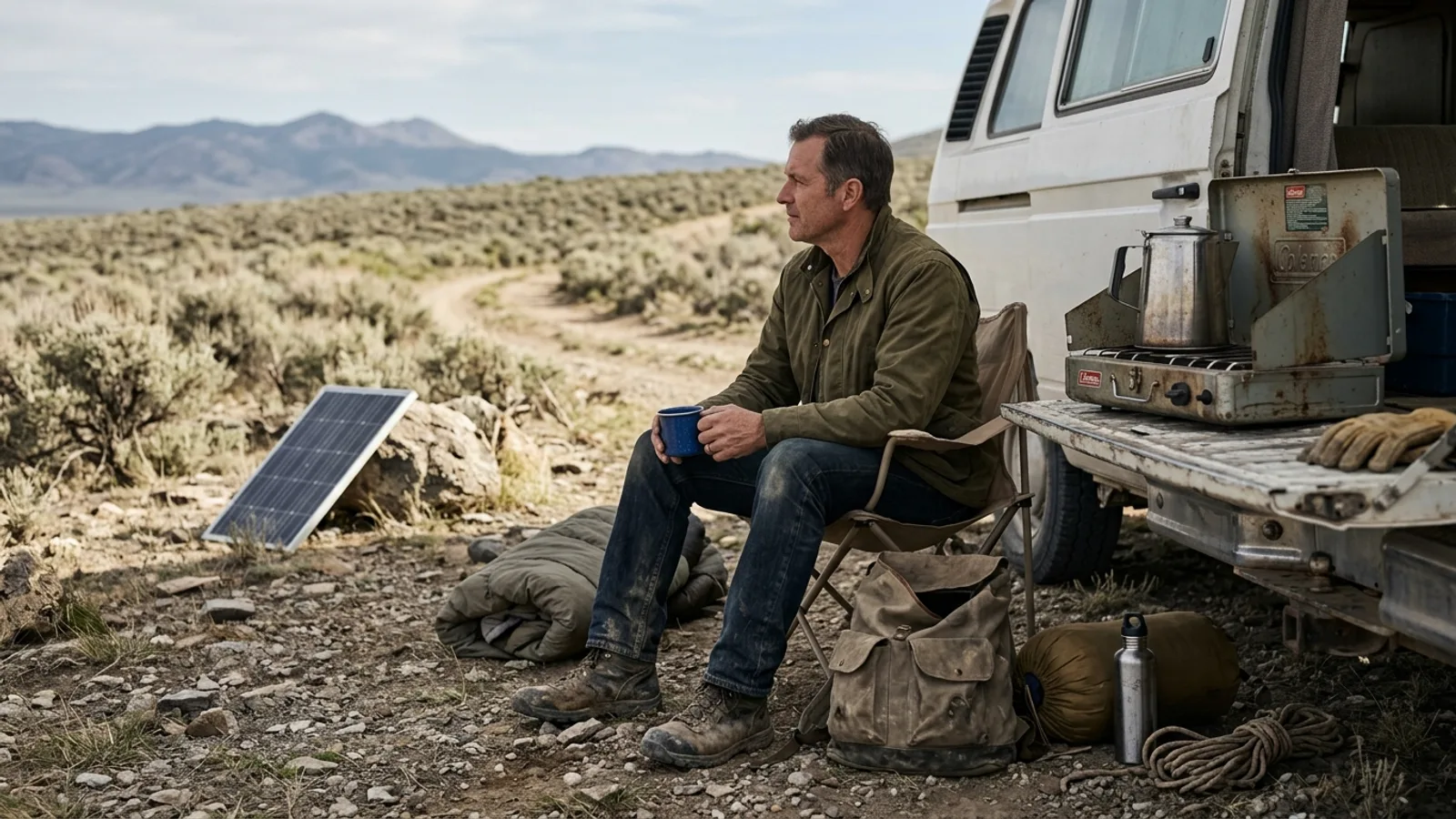
Standard campground camping usually includes a paved or gravel pad, nearby restrooms, and sometimes electricity or running water. Pioneer camping strips those away. You might cook over a fire instead of a stove, filter water from a natural source instead of using a tap, and choose a site based on terrain and tree cover rather than a numbered post.
This style overlaps with what many parks call primitive or backcountry camping. The exact rules vary by location, so always check with the managing agency before you go.
Why People Choose It
The appeal is largely about pace and attention. Without screens or scheduled activities, time outdoors tends to slow down. Many campers find that tasks like building a fire, filtering water, or reading the weather sharpen focus and build confidence in a way that's hard to replicate elsewhere.
There's also a practical side: learning to manage without conveniences is a genuinely useful skill set, and it tends to make campers more self-reliant in other backcountry situations, including emergencies.
Packing for the Basics
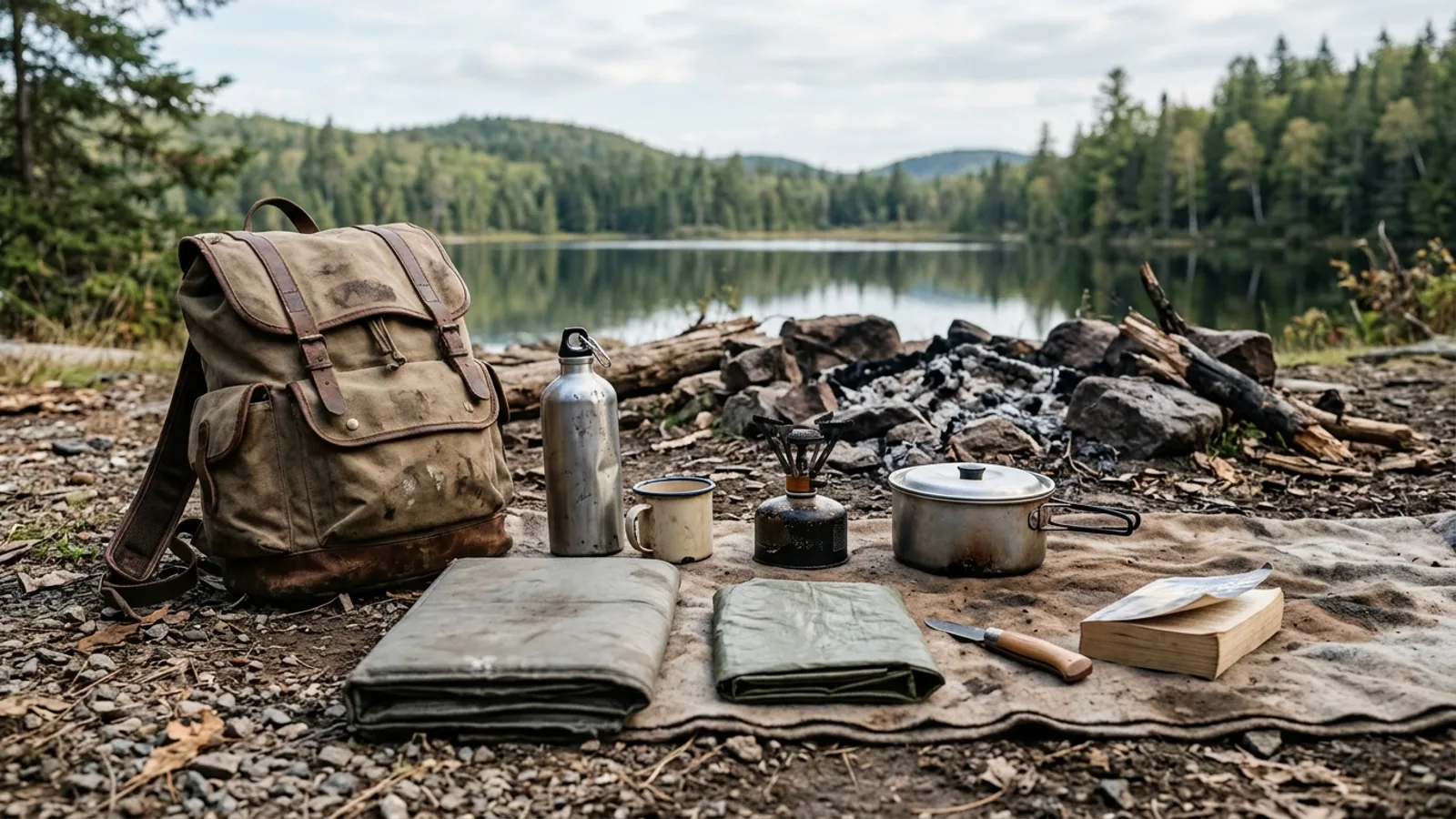
Even a back-to-basics trip benefits from careful preparation. A minimal but complete kit generally includes:
- Shelter: a tent, tarp, or bivy suited to expected weather
- Sleep system: a sleeping bag rated for the coldest temperature you expect, plus a sleeping pad for insulation from the ground
- Fire-starting tools: matches or a lighter, plus a reliable backup method
- Water treatment: a filter, purification tablets, or a way to boil water
- A basic cook setup: a small stove or the means and permission to cook over a fire
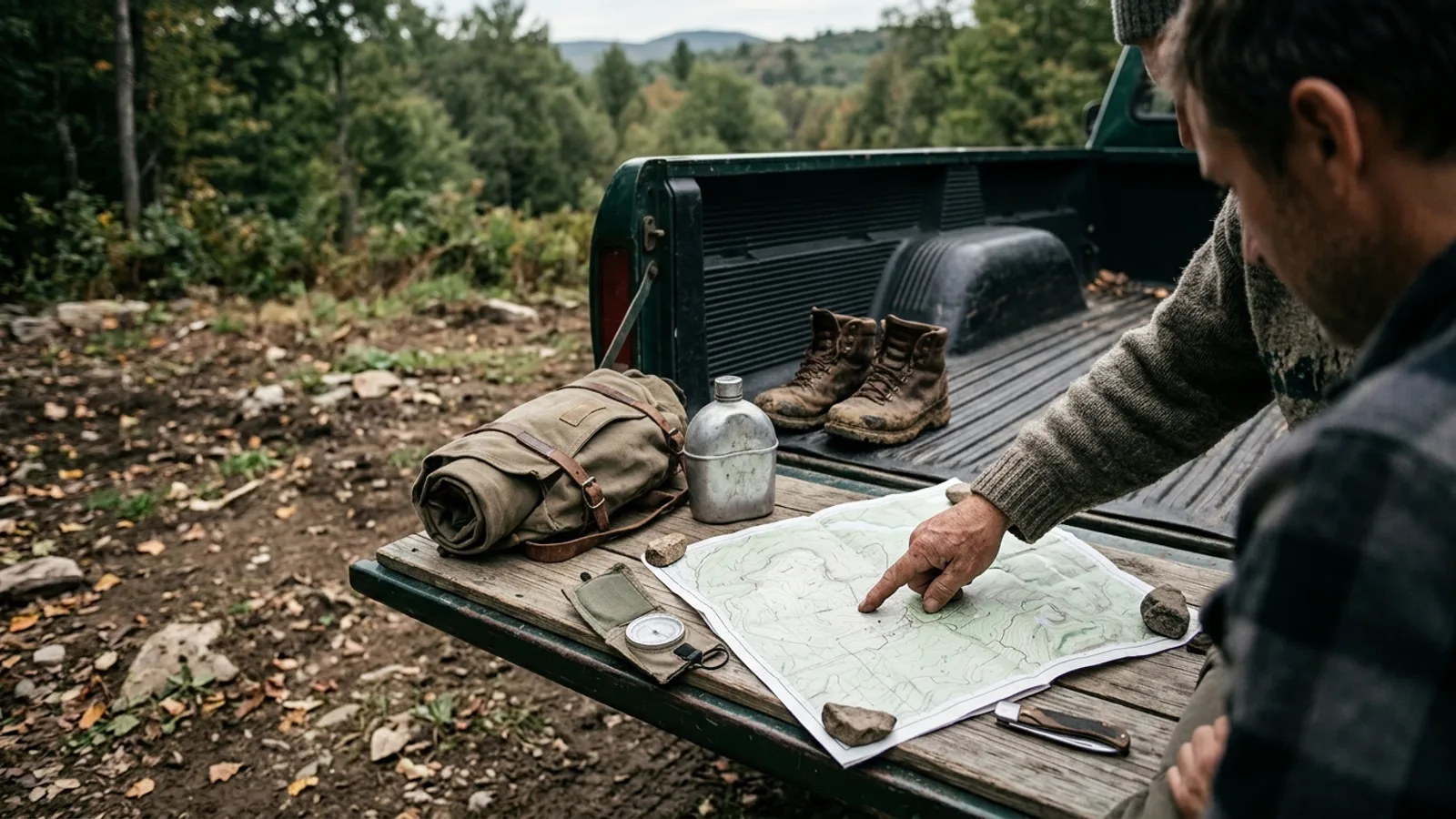
- Navigation tools: a physical map and compass, since electronics can fail or lose charge
- Light: a headlamp or flashlight with spare batteries
First Aid and Personal Care
Carry a first aid kit sized to your group and trip length, covering blister care, cuts, insect bites, and any personal medications. Learn how to use everything in it before you leave; a kit is only useful if you know what each item is for.
Pack layered clothing appropriate to the season, sun protection, and insect repellent. In areas with ticks, check yourself and any hiking partners at the end of each day. Plan for basic hygiene, including how you'll manage waste responsibly if there are no facilities nearby — this usually means digging a proper cathole well away from water sources and trails, and packing out anything that shouldn't be buried.
Food and Water Planning
Bring more food than you think you'll need, favoring options that are lightweight, non-perishable, and simple to cook. Plan meals around how much fuel and time you'll realistically have each day.
Never assume a natural water source is safe to drink without treating it first. Even clear, fast-moving water can carry organisms that cause illness. Filtering, boiling, or chemical treatment are all standard methods; pick one you're comfortable using in the field.
Choosing a Campsite
Where you're allowed to camp depends entirely on the land you're on. National forests, certain state lands, and designated backcountry zones often allow more flexibility than developed park campgrounds, but permits, fire restrictions, and group size limits are common even in primitive areas.
When picking a spot, look for level, durable ground, away from dead trees or branches that could fall, and set back from water sources and trails. Camping on already-impacted ground, rather than trampling new vegetation, helps keep these areas usable for future visitors. Always confirm current fire regulations before building one, since restrictions can change with drought conditions and season.
Activities to Fill Your Days
Hiking
Trails near a primitive site are often less traveled and less marked. Carry a map, tell someone your planned route, and turn back with plenty of daylight to spare.
Fishing
Check local regulations and licensing requirements before casting a line, even in remote water. Rules on catch limits and permitted gear vary widely by state and by specific body of water.
Wildlife Watching
Binoculars let you observe animals from a distance without disturbing them. Keep food stored securely and away from your sleeping area, since improperly stored food is one of the most common reasons wildlife approaches a campsite.
Nature Photography
Early morning and late afternoon light tends to flatter landscapes and wildlife alike. Move slowly and give animals space; a good photo isn't worth stressing the subject or getting closer than is safe.
Leaving No Trace
Pioneer camping's low-impact appeal only holds up if campers actually minimize their impact. Pack out all trash, including food scraps, and avoid cutting live vegetation for fire or shelter. Use existing fire rings where provided, and fully extinguish any fire before leaving it, checking that the ash is cool to the touch.
A Final Note on Preparation
The simplicity of pioneer camping is the reward, but it depends on solid preparation. Test your gear at home before relying on it in the field, know the regulations for wherever you're headed, and let someone know your itinerary. The fewer conveniences you bring, the more your skills and planning matter.