Day Camping Essentials: What to Bring and How to Plan Your Trip
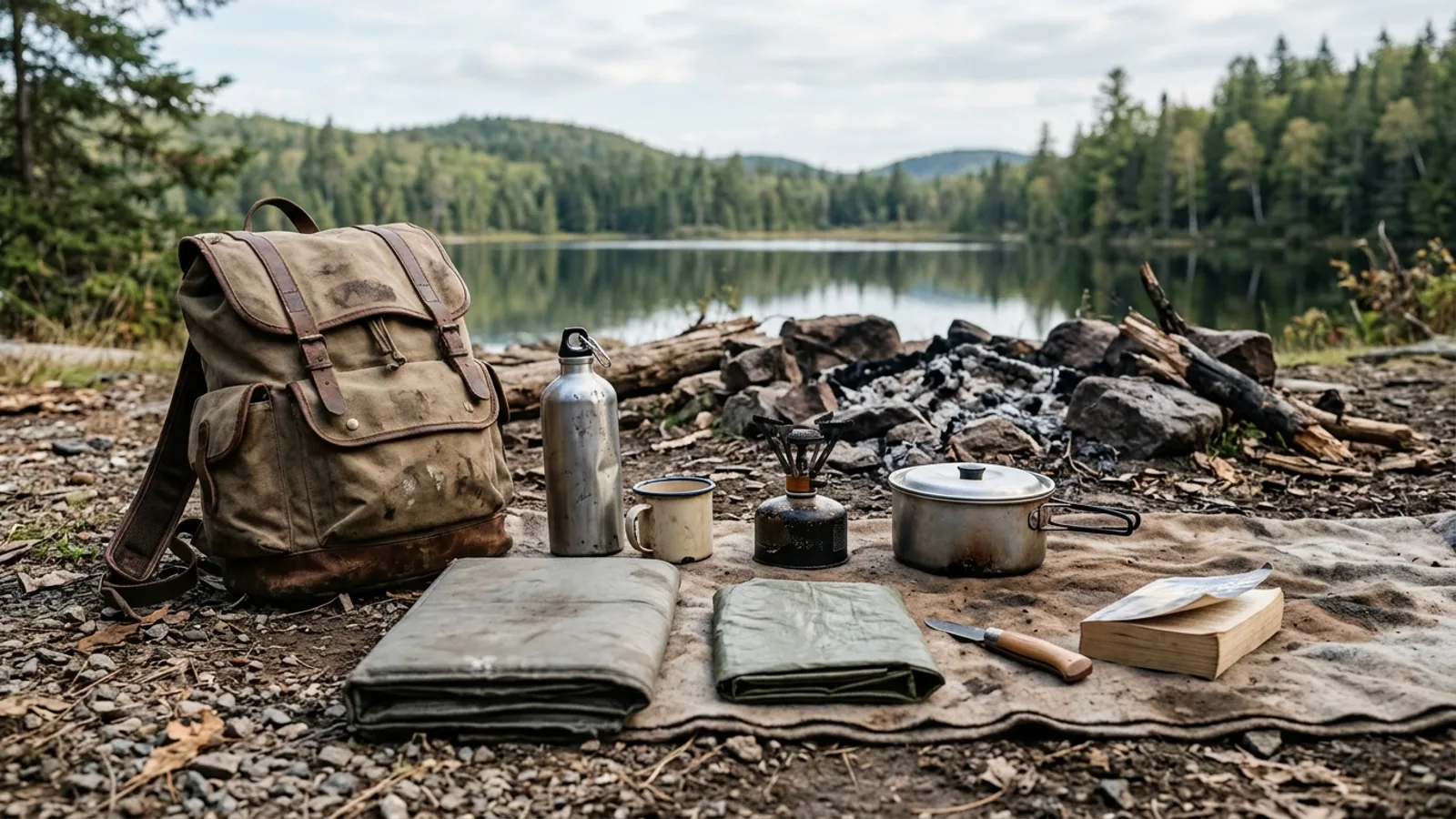
What Is Day Camping?
Day camping means spending extended time outdoors in a natural setting without staying overnight. There's no tent to pitch or sleeping bag to pack — just a full day devoted to trails, water, wildlife, or simply sitting still somewhere quiet. It's an easy entry point for people who like the idea of camping but aren't ready for (or interested in) an overnight stay, and it works well as a half-day outing or a full day from sunrise to dusk.
Popular Day Camping Activities
Hiking
Choose a trail that matches your group's fitness and experience level, not just the scenery. Check the distance, elevation gain, and estimated time before you go, and give yourself a buffer in case you move slower than planned.
Fishing
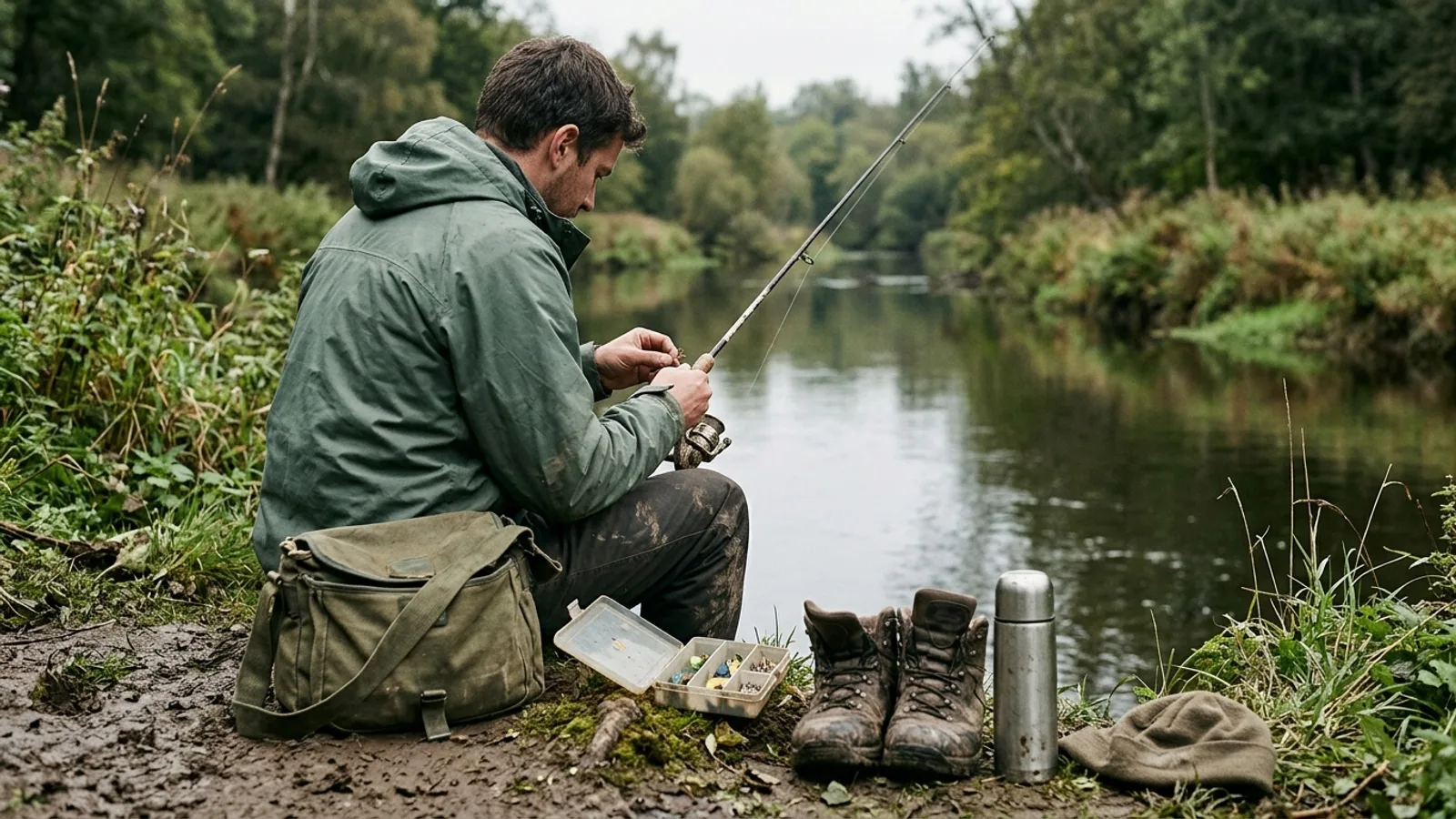
Freshwater fishing from a bank or dock is one of the more relaxed ways to spend a day outdoors. Regulations on licenses, seasons, and catch limits vary by location, so check the rules for the specific water you're visiting before you cast a line.
Birdwatching
A pair of binoculars and a field guide (or an identification app) turn a simple walk into a much richer experience. Early morning tends to offer the most activity, and moving slowly and quietly will help you spot more.
Wildlife Photography
Keep a respectful distance from any animal you're photographing — a longer zoom lens is safer and usually gets a better shot than moving closer. Never approach or feed wildlife to get a photo.
Picnicking
Pick a spot with some shade if possible, and pack food that travels well in the heat. Perishable items should stay in a cooler until you're ready to eat.
Nature Walks
Unlike a hike, a nature walk is about pace, not distance. Slow down, notice plants and small details, and let the walk take as long as it takes.
Stargazing
Stargazing works best away from city lights, on a clear night, once your eyes have had time to adjust to the dark. A red-light flashlight preserves night vision better than a white one.
Outdoor Games
Lightweight games like frisbee, a ball, or a simple set for lawn games are easy to pack and give a group something active to do at a picnic site or open field.
Day Camping Packing Checklist
- Backpack or day pack: Comfortable straps and a few separate compartments make it much easier to keep gear organized and accessible.
- Water: Bring more than you think you'll need, especially in heat or at elevation. A refillable bottle or hydration reservoir works well; know in advance whether water will be available on-site.
- Sun protection: Sunscreen, a hat, and sunglasses all help guard against sunburn and glare. Reapply sunscreen periodically, especially after sweating or swimming.
- Insect repellent: Useful in wooded or wet areas, particularly at dawn and dusk when biting insects are most active.
- Comfortable clothing and footwear: Dress in layers so you can adjust to changing temperatures, and wear broken-in shoes with good traction for the terrain you'll be covering.
- First aid basics: Bandages, antiseptic, blister care, and any personal medication you might need during the day.
- Snacks: Foods that hold up without refrigeration and provide steady energy are ideal for a day outdoors.
- Navigation: A paper map as backup is smart even if you plan to use a phone or GPS device — batteries die and signal isn't guaranteed.
- Camera or phone: For capturing the trip; consider a protective case if you'll be near water.
- Activity-specific gear: Fishing tackle, binoculars, or other equipment tied to whatever you've planned for the day.
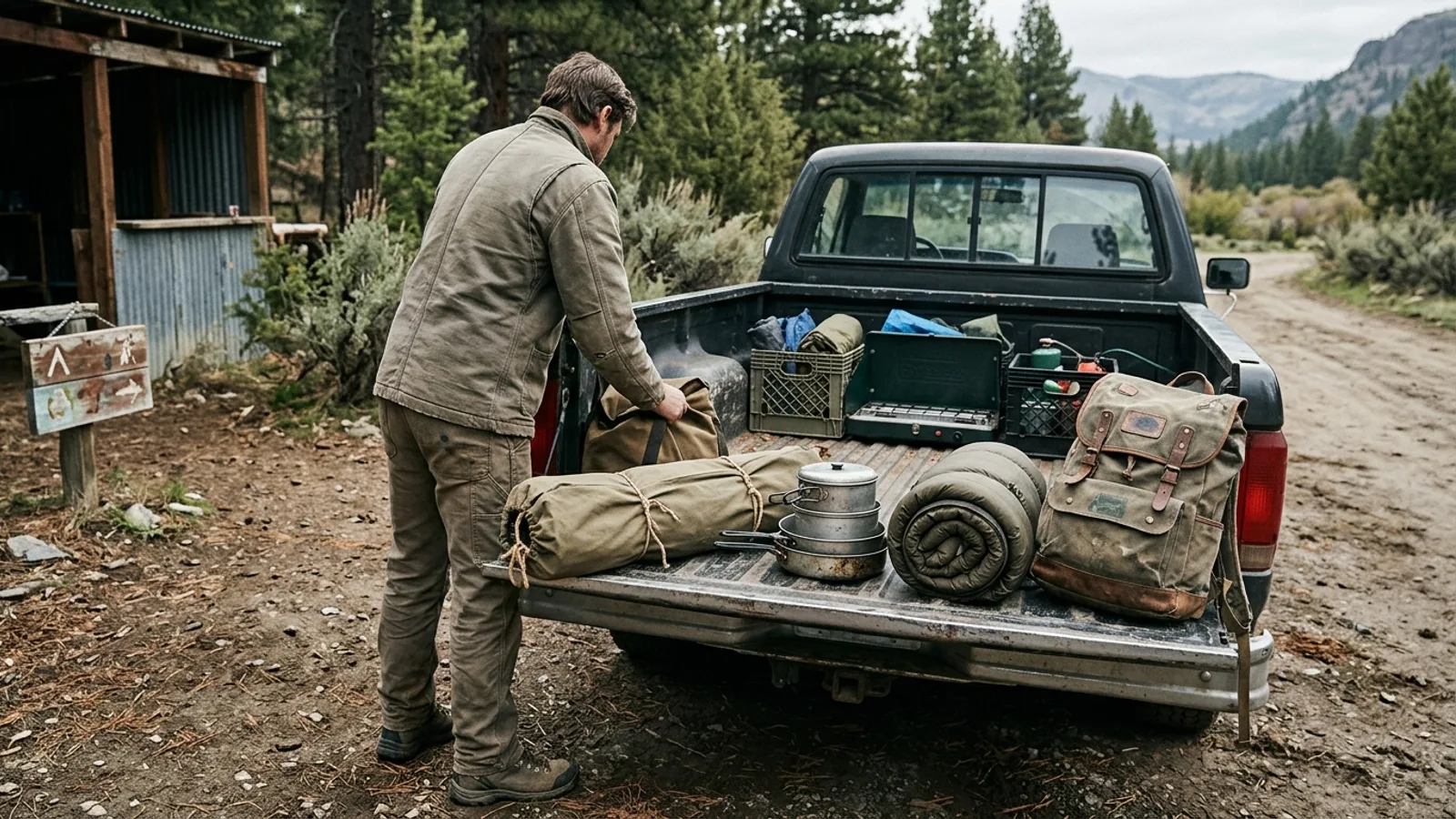
- Food and cooking supplies: If you're planning to cook, bring a portable stove or grill, reusable utensils, and a way to pack out any trash.
Tips for a Smooth Day Camping Trip
Check the weather forecast and trail or area conditions before you leave, and let someone know your general plans and expected return time.
Pace your water and food intake throughout the day rather than waiting until you're thirsty or hungry. Dehydration and low energy tend to creep up gradually.
Follow Leave No Trace principles: pack out everything you bring in, stay on marked trails, and keep a safe distance from wildlife. These habits protect the places you're visiting so they stay enjoyable for the next visitor.
Build in extra time for the unexpected — a slower pace, a wrong turn, or just wanting to linger somewhere a little longer. Day camping works best when it isn't rushed.
Frequently Asked Questions
What is day camping?
It's spending a full day or extended outing in a natural area — hiking, picnicking, fishing, or similar activities — without an overnight stay.
What should I pack for a day camping trip?
At minimum: water, sun protection, snacks, a first aid kit, comfortable clothing and footwear, and navigation tools. Add specific gear depending on your planned activities.
What activities work well for a day camping trip?
Hiking, fishing, birdwatching, photography, picnicking, nature walks, stargazing, and outdoor games are all common choices, and many can be combined in a single day.
What's the most important safety tip for day camping?
Know the weather and terrain before you go, bring more water than you expect to need, and tell someone your plans in case you're delayed.