Renting Camping Gear: What to Know Before You Book
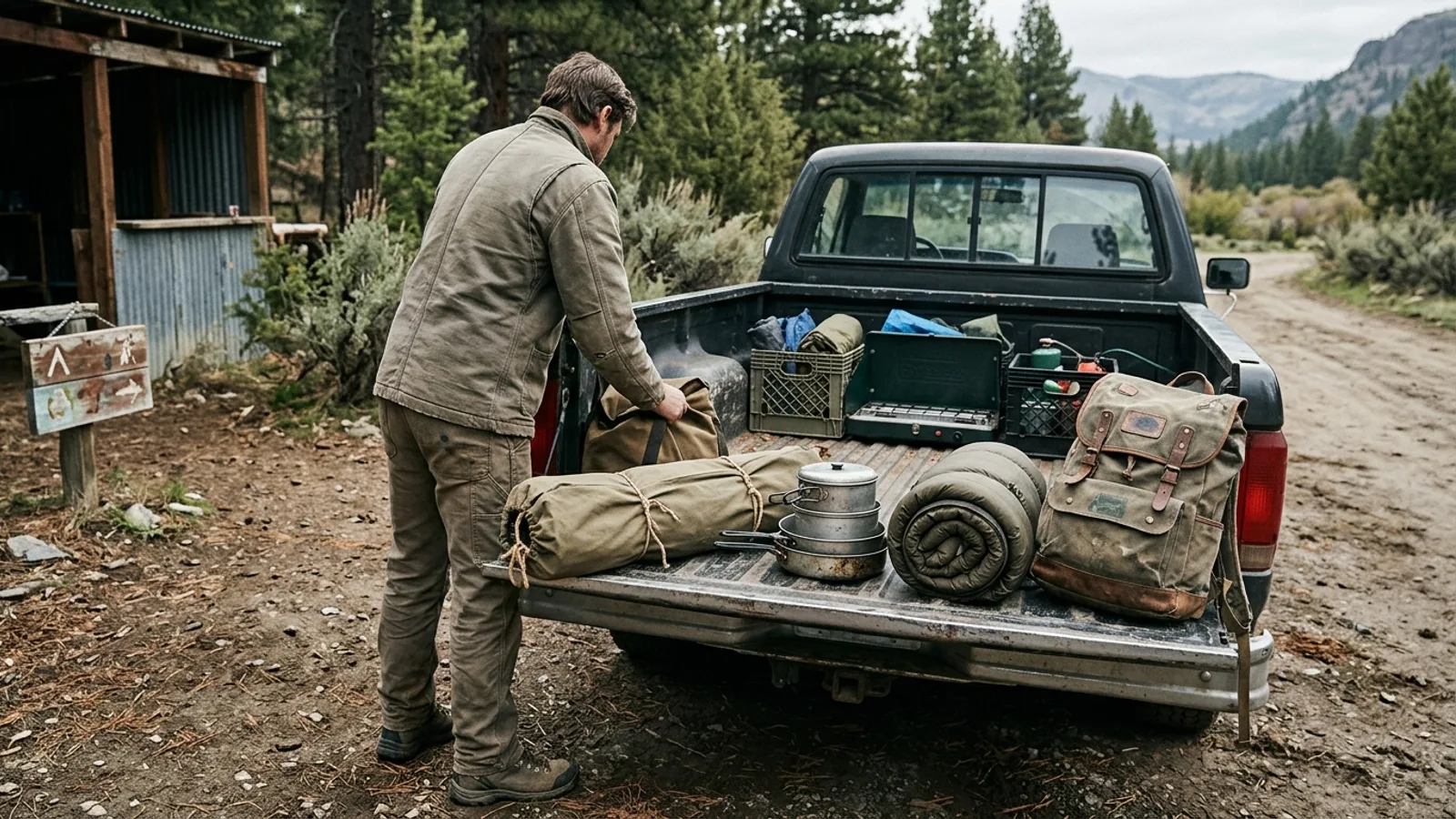
Renting camping gear lets you try a trip before you commit to owning a garage full of equipment. It also solves the problem of one-off needs, like a trip with more people than your usual setup, or a destination that demands gear you don't already own. Here's how to think through your options.
Types of Rental Packages
Most rental services group their offerings into a few tiers, though the exact names vary by provider.
All-in-One Kits
These are built for campers who want to show up and start pitching a tent with no extra shopping. A typical kit includes a tent, sleeping bags or pads, and basic cooking equipment. They're aimed at short trips and simplicity over customization.
Basic Packages
Pared-down sets that cover the essentials — tent, sleeping bag, cooking gear — without extras. Good for campers who already own some equipment and just need to fill gaps, or who want to test camping before buying anything.
Fully Stocked Sets
Broader inventories that let you mix and match individual items or take a bundled setup. These are useful when your trip has specific demands, such as a cold-weather sleeping bag or a larger group tent.
Specialty and Activity-Based Kits
Some outfitters rent gear tailored to a specific pursuit — backpacking-weight equipment, car-camping comfort gear, or winter setups. If your trip has unusual requirements, look for a provider that specializes rather than a generic package.
What Drives Rental Cost
Rental pricing depends on a handful of factors, and understanding them helps you compare offers meaningfully.
Location
Gear rented near popular parks or in tourist-heavy areas tends to cost more than gear rented in smaller towns farther from major attractions. If you're camping somewhere with heavy seasonal demand, book early and expect a premium.
Fixed Rate vs. Usage-Based Pricing
Some companies charge a flat daily rate no matter how much you use the gear. Others price based on actual use, condition upon return, or length of trip. Flat rates are easier to budget for; usage-based pricing can save money if your trip is short or light on wear, but it carries less certainty upfront.
Gear Quality and Duration
Higher-end or specialized equipment (four-season tents, technical backpacking gear) costs more to rent than basic car-camping equipment. Multi-day and weekly rentals usually bring the per-day rate down compared to single-night rentals.
Choosing the Right Rental for Your Trip
Match the gear to the environment you're heading into. A lightweight setup makes sense for backpacking or high-elevation trips; a bulkier, more comfortable setup makes more sense for car camping close to your vehicle. Renting lets you choose gear suited to the specific trip rather than a one-size-fits-all setup you own year-round.
Before booking, make a list of everything you'll need beyond the big items — cookware, lighting, insulation, and weather protection are easy to overlook until you're at the campsite.
Pickup, Delivery, and Logistics
Many rental services offer in-store pickup, and some ship gear directly to your home or even to a campsite. Delivery adds convenience but can add cost and lead time, so plan ahead if you're relying on shipped gear — especially for remote trips where a delay isn't easy to fix.
Inspect gear when you receive it. Check that tents have all their poles and stakes, sleeping bags are clean and unripped, and stoves or lanterns actually function, before you leave for the trailhead.
Practical Tips for Renting
- Book as far ahead as possible for peak season or popular destinations, since inventory runs out.
- Compare a few providers rather than booking the first one you find — pricing structures differ enough to matter.
- Know the return policy and any condition requirements before you sign, since damage or late fees are usually spelled out in the rental agreement.
- Rent only what you'll actually use. Bundled packages can include items that don't suit your specific trip.
- If you're new to camping, renting a basic package first is a low-commitment way to figure out what gear you'd actually want to own later.
Why Renting Appeals to Many Campers
Renting avoids the storage and maintenance burden of owning gear you use only occasionally. It also lets you access equipment suited to a specific trip — technical gear for a demanding backcountry route, or a larger tent for a one-time family gathering — without a long-term investment. For infrequent campers, renting is often the more practical route than building a full gear closet.