Yurt Camping: What to Expect and How to Plan a Trip
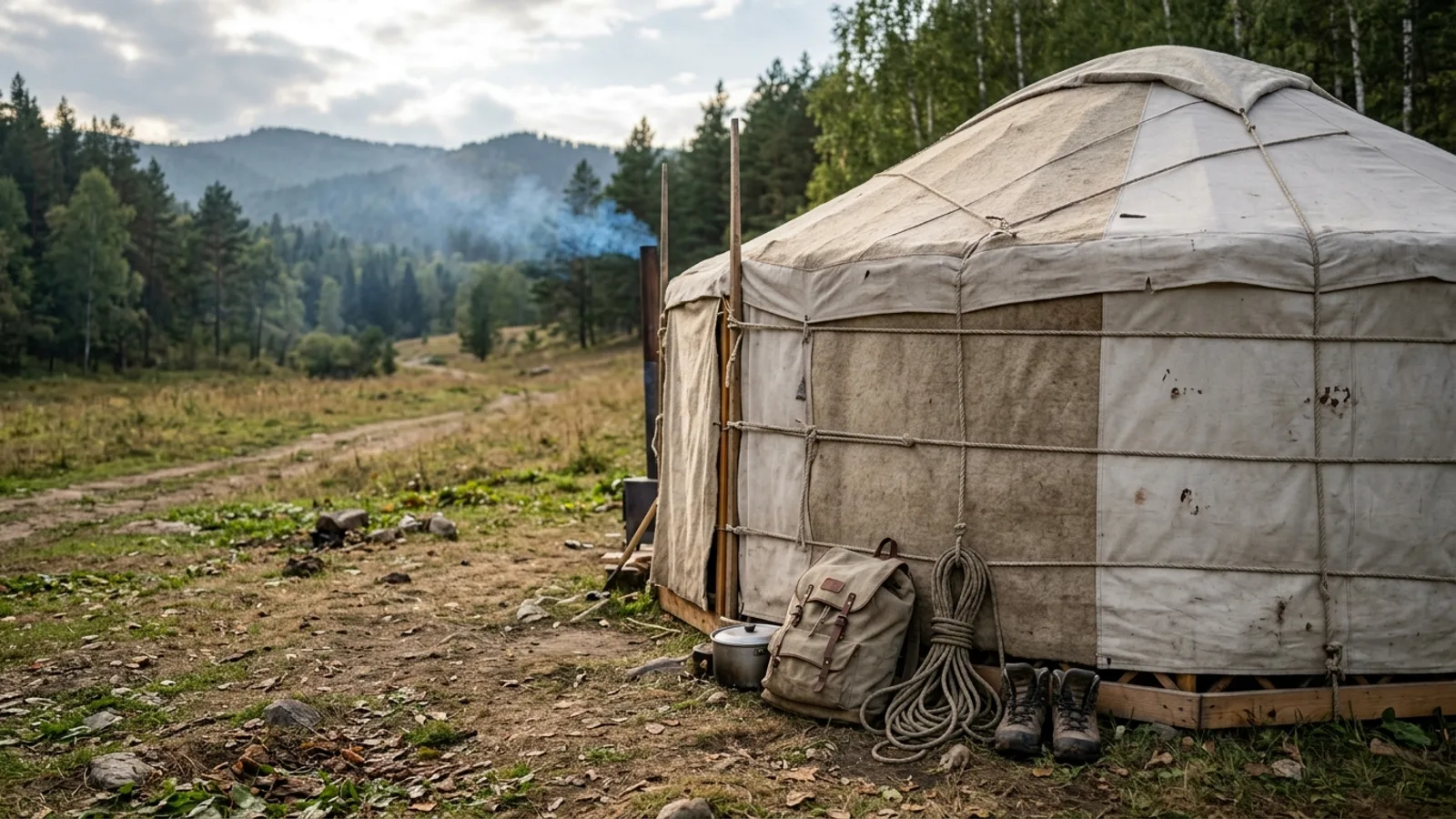
What Is a Yurt?
A yurt is a round, semi-permanent structure built around a lattice or pole frame and covered with a durable fabric or canvas shell, often set on a raised wooden platform. The design traces back to portable dwellings used by nomadic peoples of Central Asia, adapted over time for use as fixed camping accommodations.
Modern camping yurts sit between a tent and a cabin. They typically have a solid floor, a locking door, screened windows, and enough headroom to stand and move around comfortably. Many include a bed frame or platform, a small heating or cooling unit, and basic furniture. Bathrooms are usually separate, in a shared bathhouse nearby, though some yurts have private facilities.
Why Choose a Yurt Over a Tent
The main appeal is comfort without giving up a rustic, outdoor setting. A rigid frame and thicker walls hold up better in wind and rain than a tent, and they retain heat more effectively, which makes yurts usable across a wider range of seasons, including shoulder seasons when tent camping becomes uncomfortable.
Yurts also tend to be sited for the view or the setting: near a lakeshore, in a forest clearing, or on a bluff above the coast. Because you're not setting up your own shelter, arrival and departure are simpler, which suits campers who want the outdoor experience without the full logistics of tent camping.
The tradeoff is that yurts are fixed in place and shared with previous occupants, so they offer less flexibility and less privacy than backcountry tent camping, and they book up quickly at popular parks.
What to Pack
Most rented yurts provide the structure and basic furniture but not bedding or cooking equipment, so check the specific site's amenities list before you go. A reasonable packing list includes:
- Sleeping bags or sheets and blankets, plus pillows
- A headlamp or lantern, since interior lighting may be minimal or absent
- A cooler and camp stove if the yurt lacks a kitchen, along with basic cookware and utensils
- Layered clothing, since temperatures inside an unheated or unheated-overnight yurt can still drop significantly at night
- A portable charger if the site has no electrical outlets
- Earplugs, if you're sensitive to noise from neighboring sites
If pets are allowed, confirm the policy in advance, since many yurt sites restrict animals to protect the furnishings.
Booking and Planning Tips
Yurts in national and state parks are popular and often booked out well ahead of peak season, so reserve as early as the park's system allows. Read the listing closely: yurt size, bedding configuration, distance to bathrooms, and whether cooking is allowed inside all vary by site.
Ask about quiet hours, fire restrictions, and whether firewood is sold on-site, since regulations differ by park and by season. If you're traveling with a larger group, confirm the yurt's maximum occupancy, as it's usually lower than it looks from photos.
Because yurts are often placed in scenic but exposed locations, check seasonal weather patterns for the area and pack accordingly, especially for wind and temperature swings.
Making the Most of the Stay
Treat a yurt trip like a base camp: use the comfortable shelter as a place to return to after hiking, paddling, or wildlife watching nearby. Many yurt sites are located within or adjacent to parks with trail networks, water access, or scenic overlooks worth building a day around.
Because yurts offer more shelter than tents, they're a reasonable option for camping in shoulder seasons or milder winter weather, when fewer people are on the trails and wildlife sightings can be easier. Just confirm that the specific site stays open and maintains access roads through the season you're visiting.