What Is Overlanding? A Practical Introduction
What Overlanding Actually Means
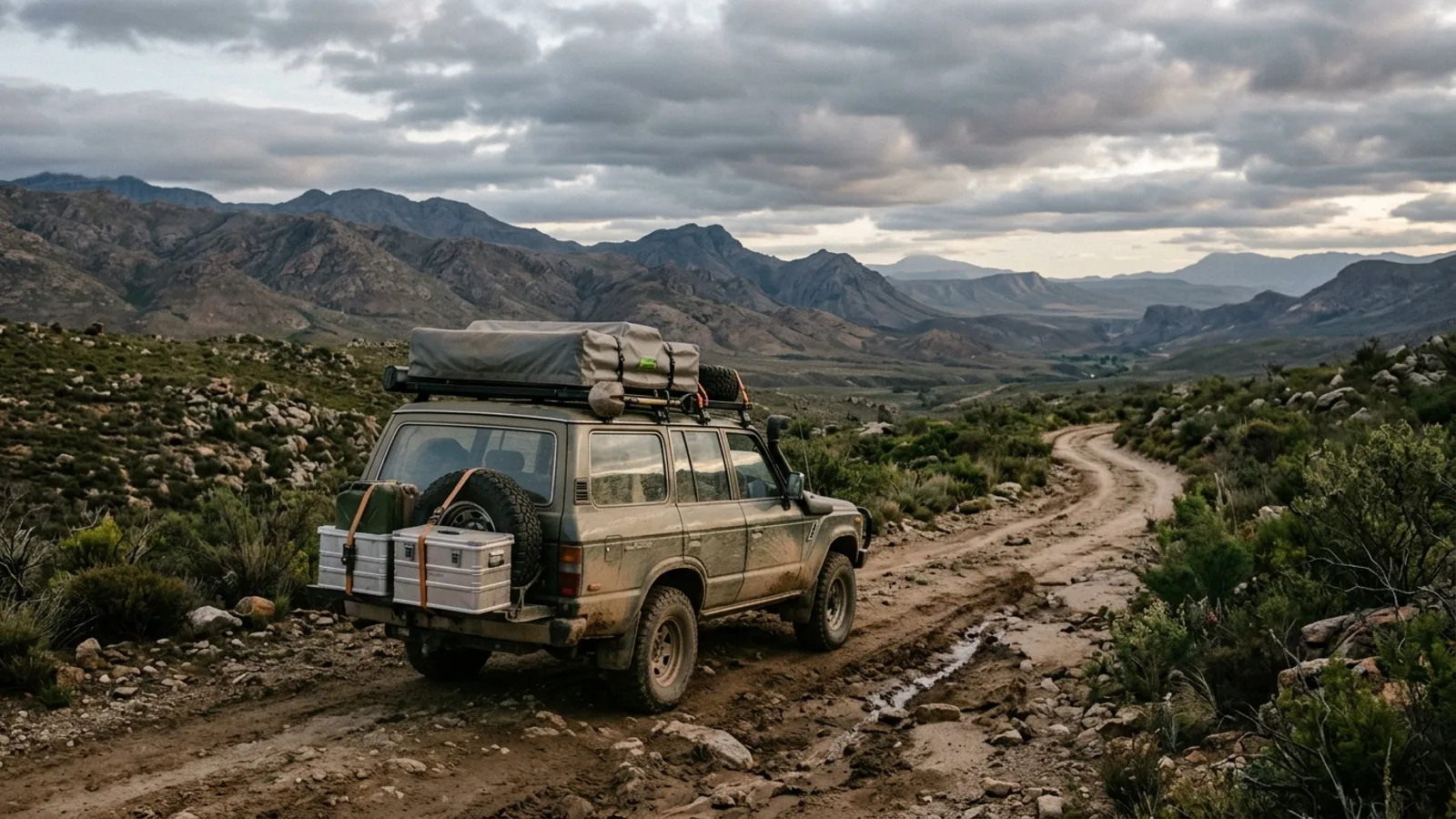
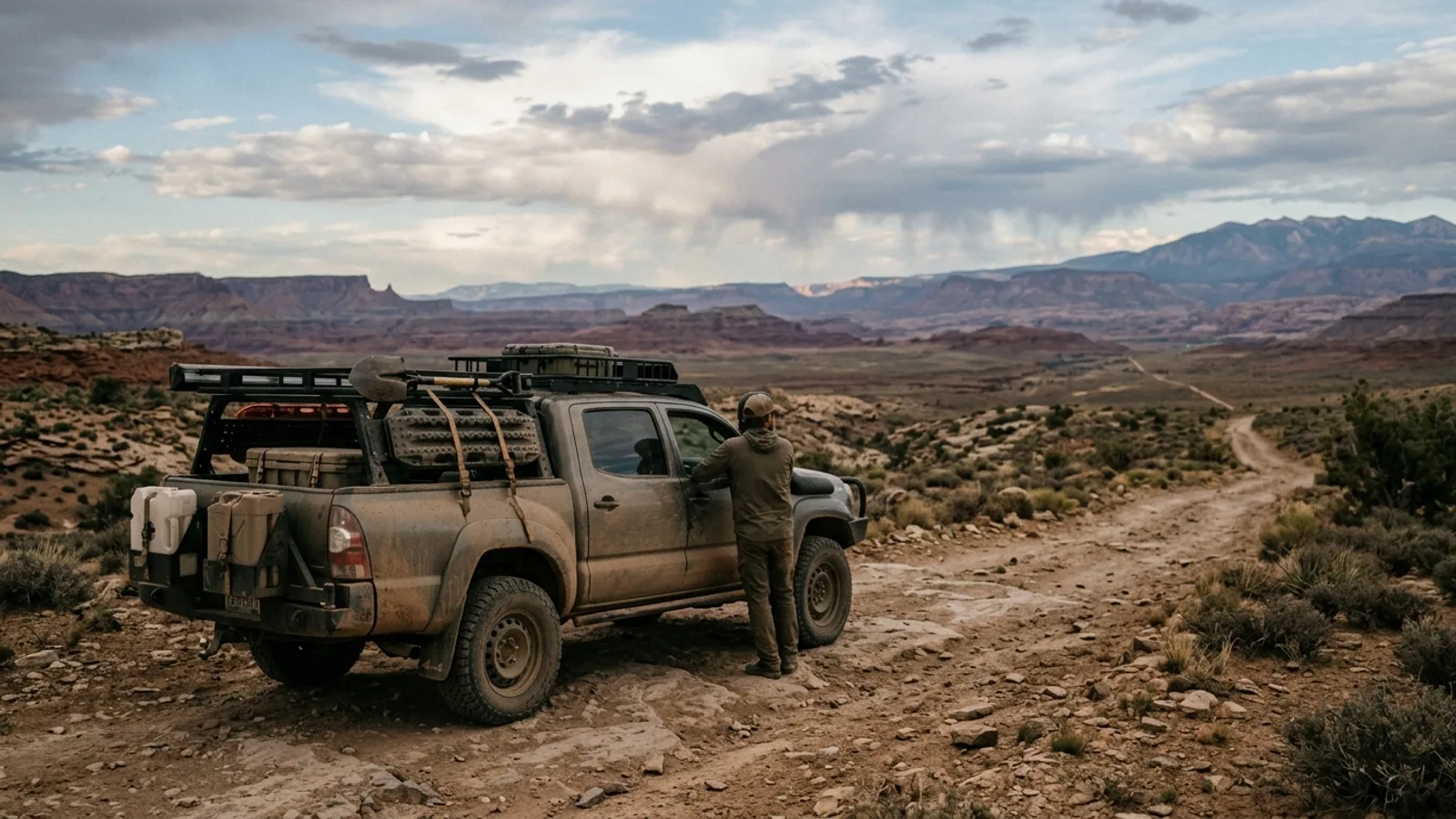
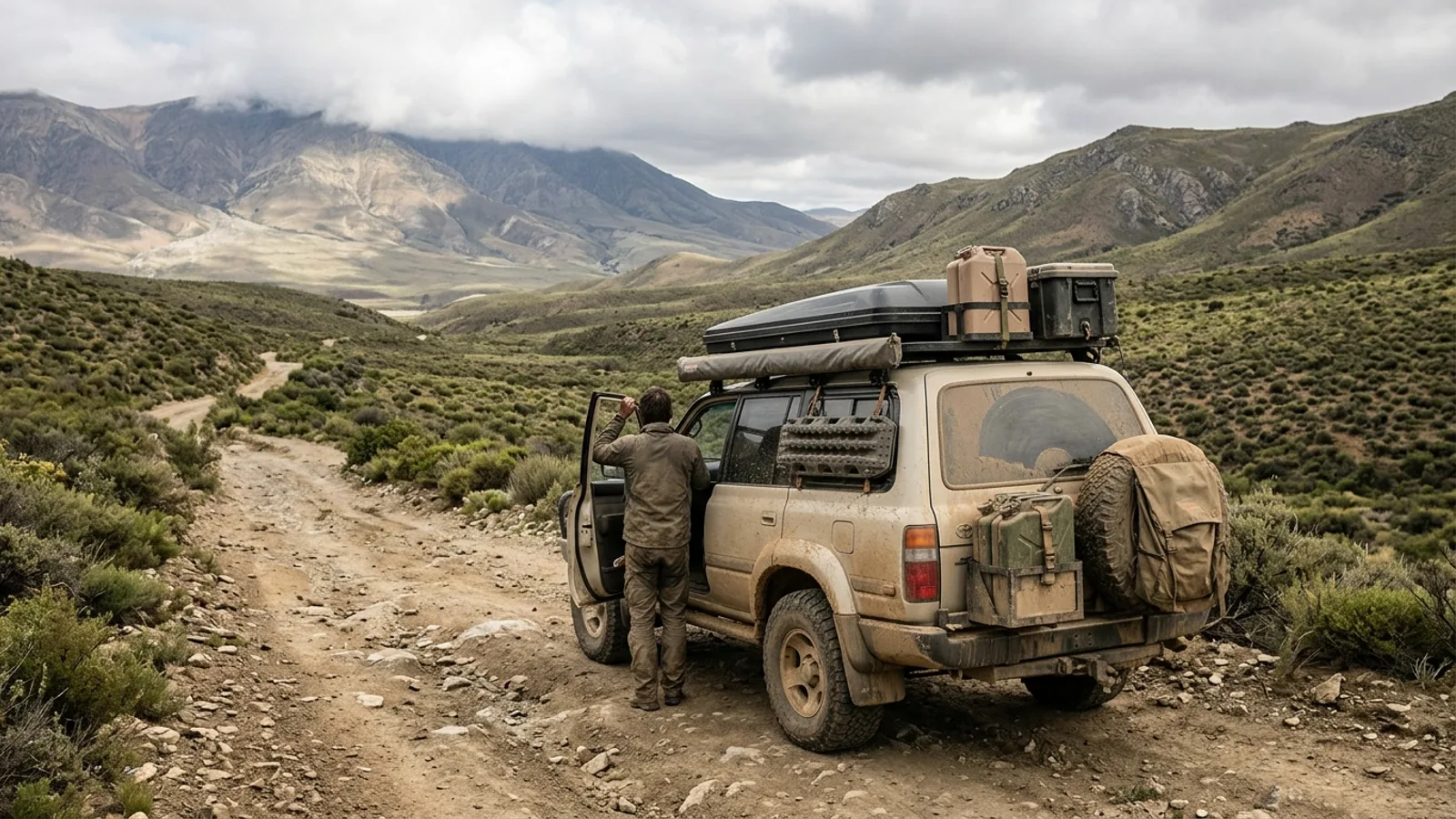
Overlanding is self-sufficient, vehicle-based travel over multiple days, where the route and the experience of moving through remote or varied terrain matter as much as any single destination. The vehicle carries everything needed for shelter, food, water, and basic repairs, which lets travelers go beyond places reachable by a regular car trip to a single campground.
It overlaps with off-roading and with car camping, but it isn't quite either one. Off-roading is often about the driving challenge itself over a short loop. Car camping usually centers on a fixed site with a car used mainly to get there and back. Overlanding sits between them: travel across a route, made over days or weeks, with camping as a means to keep moving rather than the point of the trip.
How It Differs from Traditional Camping
Traditional camping generally means reserving a site, driving to it, and staying put with access to established facilities like water, toilets, and sometimes electricity. Overlanding trips instead move from place to place, often camping in dispersed or backcountry sites without hookups or facilities, and relying on the vehicle and onboard supplies to fill that gap.
This changes the planning. Instead of booking one site, an overlander plans a corridor: possible routes, fuel and water resupply points, alternate paths if a road is closed, and backup camp spots along the way.
Choosing and Setting Up a Vehicle
Almost any vehicle with decent ground clearance and reliable mechanicals can handle moderate overlanding routes; a dedicated four-wheel-drive vehicle simply opens up rougher terrain. Rather than chasing a specific model, focus on qualities that matter on the road:
- Ground clearance and tires suited to the terrain you'll actually encounter, since most trouble comes from rocks, ruts, and mud rather than dramatic obstacles.
- Mechanical simplicity and reliability, since repairs in remote areas depend on what you and a shop nearby can actually fix.
- Cargo capacity and roof or rack space for gear, water, and recovery equipment without overloading the suspension or raising the center of gravity too much.
- Fuel range between reliable resupply points on your intended route.
Whatever vehicle you use, check its owner's manual for load limits and get comfortable with basic maintenance checks (tires, fluids, belts) before a long trip.
Core Gear Categories
Overlanding gear tends to fall into a few durable categories rather than a long shopping list:
- Navigation: a offline map or GPS unit that doesn't depend on cell signal, plus a paper map as backup.
- Shelter and sleep: a tent (roof-top or ground) and sleeping gear rated for the temperatures you'll actually face, not just the season on the calendar.
- Water and food storage: enough capacity to cover the distance between reliable refill points, with a margin for delays.
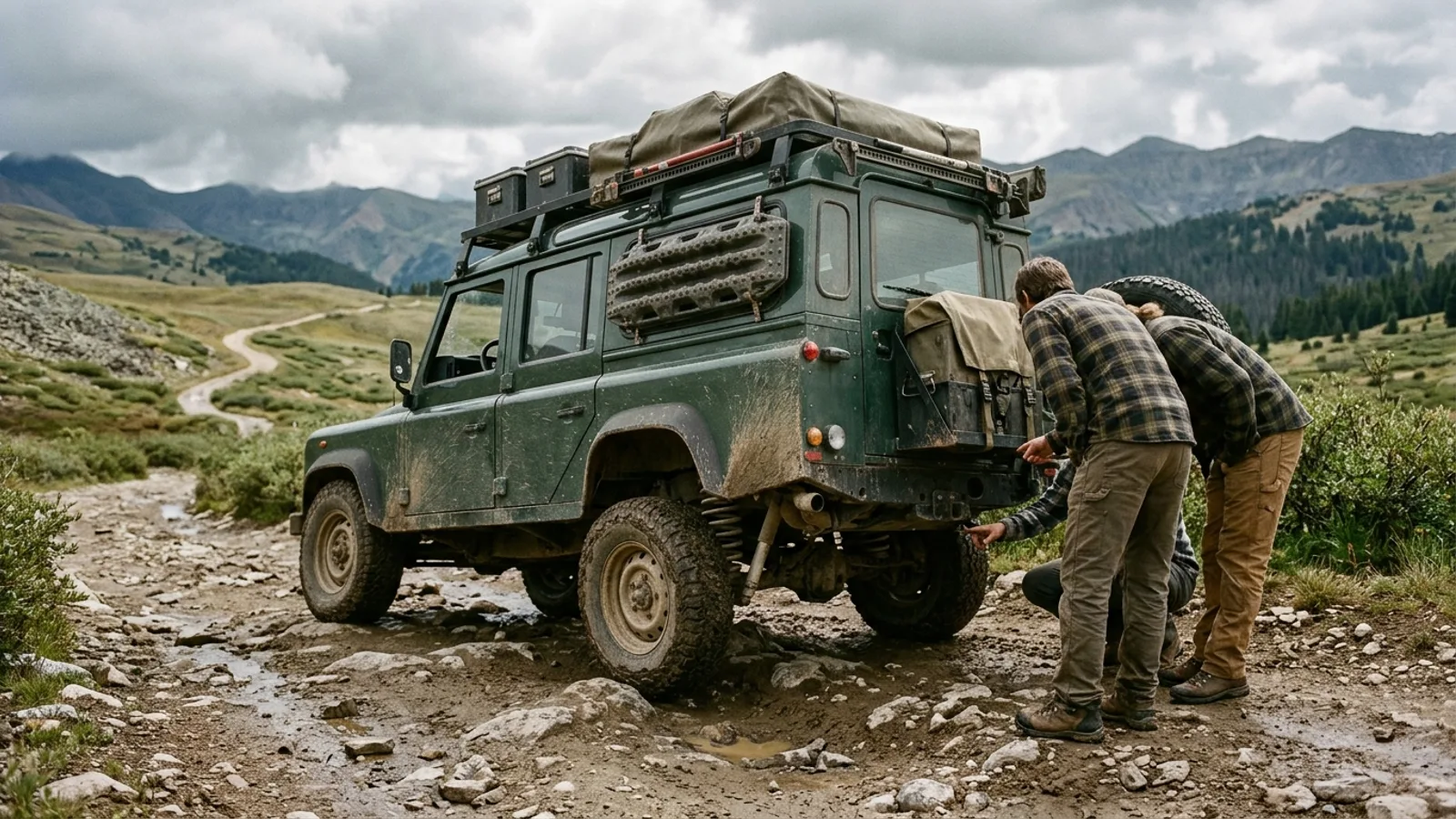
- Recovery equipment: traction aids, a way to winch or tow yourself out, and basic tools for a stuck or disabled vehicle.
- Communication: a satellite messenger or similar device for areas without cell coverage, since it can be the only way to call for help.
- First aid: a kit sized to your group and trip length, along with knowing how to use it.
Resist the urge to bring everything available. Extra weight affects fuel use, handling, and how easily you can dig out if you get stuck. Pack for the conditions of the specific trip, not for every possible trip.
Packing and Weight Distribution
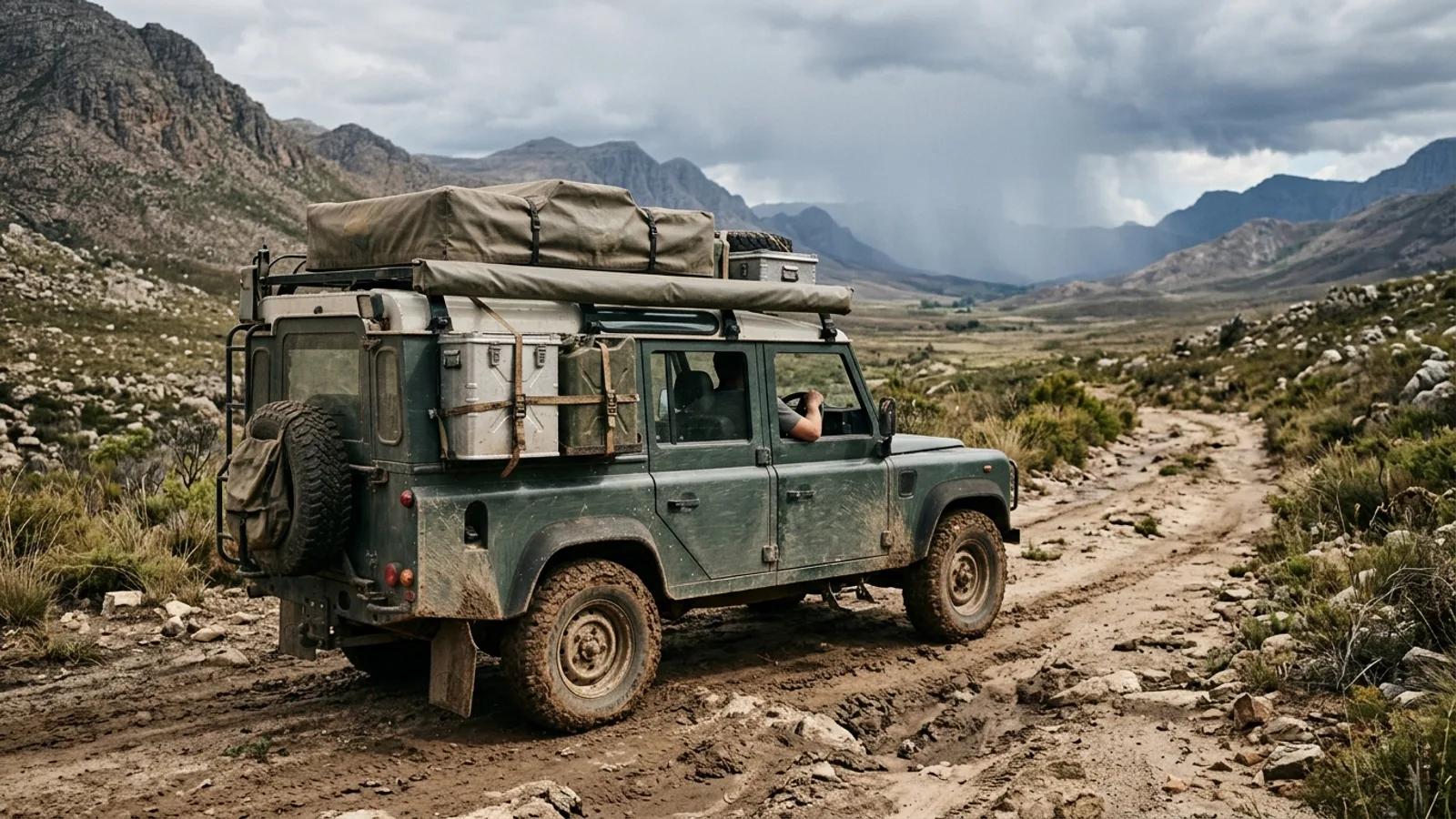
Keep heavier items low and centered over the axles to keep the vehicle stable, especially on uneven terrain. Frequently used items should be easy to reach without unpacking the whole vehicle. Roof racks and cargo boxes add capacity but also raise the center of gravity, which matters more on off-camber trails than on pavement. Whatever storage system you use, secure items so they can't shift or become projectiles if the vehicle brakes hard or tips on a slope.
Planning a Route
A workable overlanding itinerary usually includes a primary route, a few points where you can bail out to pavement if conditions turn, and known locations for fuel, water, and cell coverage. Check road and land-access conditions before departure, since seasonal closures, weather, and fire restrictions can change what's actually drivable or open to camping. Public land agencies covering the area you plan to visit are generally the most reliable current source for these details.
Build slack into the schedule. Rough roads take longer than they look on a map, and having no fixed timeline for each day reduces the pressure to push through worsening conditions.
Preparing for Common Challenges
Vehicle problems, sudden weather changes, and route obstacles (washouts, fallen trees, high water) are the most common issues overlanders face. Before a trip, learn how to change a tire, use your recovery gear, and read basic weather signs for the region. Tell someone your planned route and expected return, and check in if you have the means to. If you're traveling with others, agree in advance on how you'll handle separations, breakdowns, or a member needing to turn back.
Leave No Trace and Land Use
Overlanding often travels through fragile desert, alpine, or backcountry ecosystems, where tire tracks and disturbed ground can last for years. Stick to established roads and tracks rather than cutting new paths, camp in already-impacted sites where possible, and pack out all trash including food scraps. Fire rules vary a great deal by region and season, so check current restrictions rather than assuming a campfire is allowed.
Much of the land used for overlanding is public land shared with wildlife, ranchers, and other recreational users. Respecting closures, gates, and posted boundaries keeps that access open for everyone.
Getting Started
For a first trip, pick a route well within your vehicle's capability and your own experience, with easy bailout options to pavement. Test your gear and packing setup on a short trip before committing to something remote. Overlanding rewards steady, incremental experience more than expensive equipment: each trip teaches you what you actually used, what you didn't, and what to change next time.